
Side-by-Side Cognitive Profiles: Decoding Identical Scores
At first glance, the Redbone Coonhound and Chow Chow appear to share identical cognitive scores across all five dimensions of our Pet IQ Lab assessment: Problem Solving (3/5), Training Speed (3/5), Social Intelligence (3/5), Instinctive Drive (3/5), and Memory (3/5). However, these numerical similarities only begin to tell the story; the true intrigue lies in how these scores manifest uniquely within each breed, reflecting their divergent evolutionary paths and functional roles.
For the Redbone Coonhound, a 3/5 in Problem Solving reflects their adeptness at navigating complex scent trails, using logical deduction to follow a quarry despite environmental obstacles. Their cognitive process often involves trial-and-error within a sensory context, focusing on the reward of a successful hunt. A 3/5 in Training Speed indicates a dog that can learn commands effectively but might require consistent motivation and patience, especially when their powerful scent drive takes precedence; they pick up routines well but can be easily distracted by external stimuli. Redbones exhibit a moderate Social Intelligence (3/5), thriving within a family “pack” structure and often communicating through their expressive vocalizations, generally amiable but needing guidance in appropriate social interactions. Their Instinctive Drive (3/5) highlights a strong, inherent impulse for tracking and baying, a deep-seated desire to pursue and notify. Finally, their Memory (3/5) is solid for scent patterns, familiar routes, and established routines or commands, aiding in their tracking work and daily anticipation.
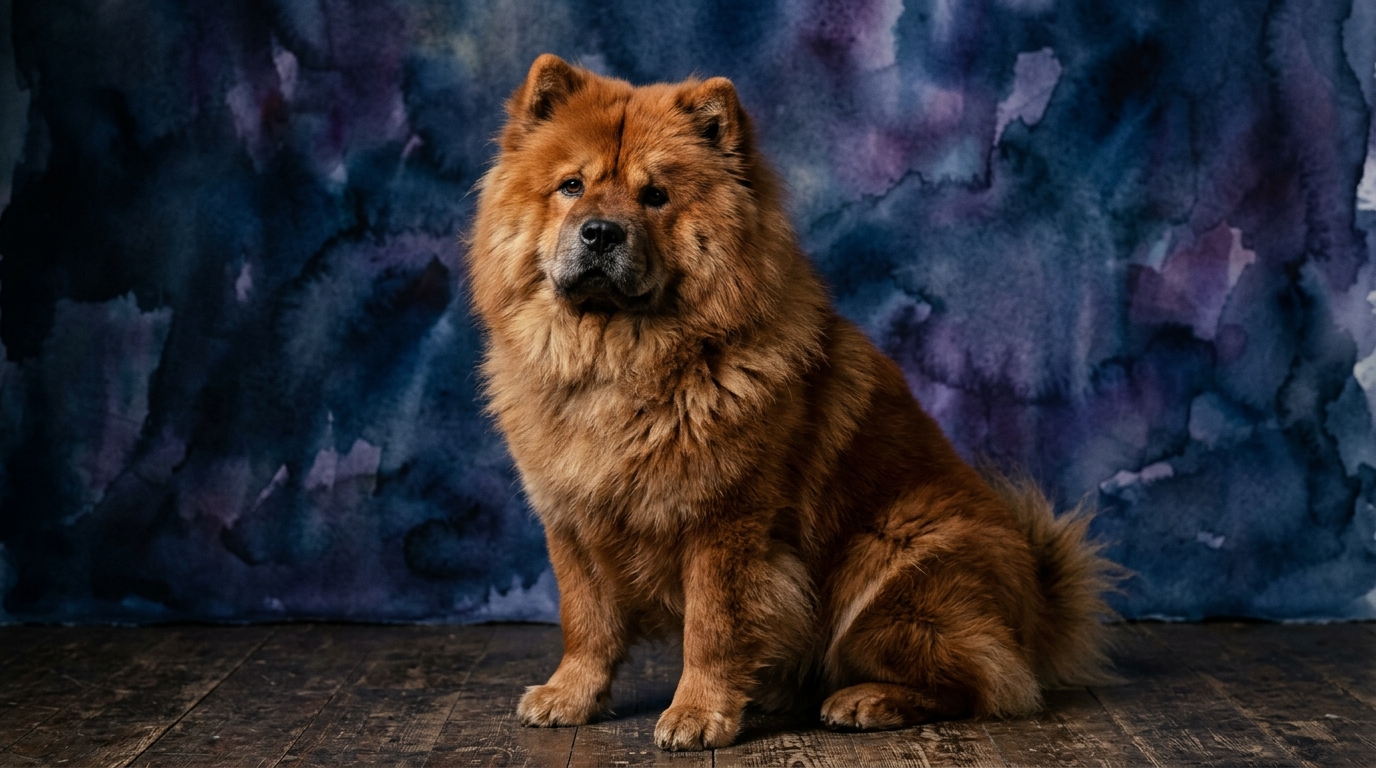
The Chow Chow’s 3/5 in Problem Solving manifests as an independent, often self-reliant approach; they are capable of assessing situations and making decisions without constant human direction, particularly in guarding their territory or family, sometimes appearing to deliberate before acting. A 3/5 for Training Speed signifies that they are capable learners, but their independent nature means they aren't driven by an eagerness to please in the same way some breeds are, requiring immense patience, positive reinforcement, and understanding. Chows display a reserved and discerning Social Intelligence (3/5), forming deep bonds with their inner circle but typically aloof with strangers and selective about canine companions, expressing understanding through subtle body language. Their Instinctive Drive (3/5) reflects a pronounced guarding instinct and territoriality, a deep-seated desire to protect their home and family through watchful vigilance. Chow Chows possess a good Memory (3/5) for boundaries, routines, and past interactions, recalling who belongs and who doesn't, contributing to their consistent, albeit independent, behavior patterns.
Where the Redbone Coonhound's Cognition Shines
The Redbone Coonhound excels in tasks demanding sustained sensory focus and collaborative effort, particularly in scent-based problem-solving. Their cognitive strengths are rooted in their heritage as working hounds, where detecting, following, and interpreting intricate scent trails requires a specific kind of mental agility and endurance, an attribute central to their existence.
While their Problem Solving score is 3/5, this breed demonstrates a superior ability to process and act upon olfactory information, often “thinking” through their nose to overcome complex environmental puzzles. This focused sensory intelligence, combined with their instinctive drive for pursuit, allows them to excel in activities like tracking, search and rescue, or competitive scent work, where other breeds might be overwhelmed or lose interest. They are adept at working in tandem with a handler, interpreting cues and offering feedback through their unique vocalizations, showcasing a functional intelligence geared towards partnership in a task.
Where the Chow Chow's Cognition Holds an Edge
The Chow Chow's cognitive strengths lie in their self-sufficiency and discerning judgment, particularly in roles requiring independent decision-making and territorial awareness. Their 3/5 in Problem Solving reflects a capacity for measured assessment and autonomous action, rather than an immediate eagerness to follow complex instructions.
This breed's intelligence is often observed in their ability to calmly evaluate new situations or strangers, making their own determination about safety and appropriate interaction without constant human prompting. Their memory for boundaries and social distinctions, combined with a strong instinctive drive for guarding, means they excel at maintaining order within their perceived territory. They possess a quiet, watchful intelligence, allowing them to effectively manage their environment and protect their family with a thoughtful, rather than reactive, approach, making them exceptional at discerning friend from foe.
Training Dynamics: Coonhound's Enthusiasm vs. Chow's Independence
Despite identical 3/5 scores in Training Speed, the practical experience of training a Redbone Coonhound versus a Chow Chow differs considerably due to their inherent motivations and temperaments. The Redbone, a hound by nature, often responds well to training that taps into their prey drive and desire to work alongside their human partner. They are typically food-motivated and eager for praise, making them responsive to positive reinforcement, though their strong scent drive can make staying focused a challenge in distracting environments.
The Chow Chow, ranked #76 in Coren's “Working and Obedience Intelligence,” presents a different training landscape. While capable of learning, their independence means they are less inclined to perform simply to please. Training a Chow Chow demands immense patience, consistency, and a deep understanding of their reserved nature. They learn best through clear, fair, and positive methods, often requiring a strong, trusting bond with their owner. Their learning speed isn't necessarily slow, but their willingness to comply is conditional on their perception of the command's value and their respect for the handler, making them less suited for repetitive, drill-based obedience.
Matching Cognitive Styles to Lifestyles: Active Explorers vs. Reserved Companions
Choosing between a Redbone Coonhound and a Chow Chow often comes down to aligning their distinct cognitive and behavioral needs with an owner's lifestyle. The Redbone Coonhound, with its strong instinctive drive and problem-solving geared towards sensory exploration, thrives with active owners who can provide outlets for their boundless energy and keen nose. They are ideal for individuals or families who enjoy outdoor activities like hiking, scent work, or even competitive tracking, where their cognitive strengths are engaged and rewarded.
Conversely, the Chow Chow's independent problem-solving and discerning social intelligence make them better suited for owners who appreciate a more reserved, self-possessed companion. While they benefit from regular, moderate exercise, their mental engagement comes more from consistent boundaries, thoughtful training, and a calm home environment. They are perfect for those seeking a loyal, dignified partner who enjoys quiet companionship and has a clear understanding of their role within the family, rather than a dog constantly seeking interaction or high-intensity activities.
The Verdict
Choose a Redbone Coonhound if you seek an enthusiastic, scent-driven partner for outdoor adventures and collaborative problem-solving, thriving on shared activity and clear direction.
Opt for a Chow Chow if you value a dignified, independent companion who offers reserved loyalty and discerning judgment, requiring patient guidance and appreciating a calm, consistent home.
🧠 Find Your Pet's IQ Score
Our Pet IQ Lab assessment covers 25+ tests across 5 cognitive dimensions — personalized to your breed.
Take the Full IQ Test →Frequently Asked Questions
Do Redbone Coonhounds or Chow Chows learn new commands faster?
While both breeds score 3/5 in Training Speed, the *experience* of training differs. Redbones often pick up commands with enthusiasm when motivated by scent or praise, though they can be distracted. Chows learn at their own pace, requiring more patience and finding value in the command, rather than eager compliance.
How does their social intelligence impact family life?
Redbone Coonhounds typically integrate well into family “packs,” often expressing their social nature through vocalizations and boisterous play. Chow Chows are reserved, bonding deeply with their immediate family but remaining aloof with strangers, requiring careful socialization from a young age to ensure appropriate interactions.
Can a Chow Chow be trained for advanced obedience or dog sports?
Yes, a Chow Chow can be trained for advanced obedience or dog sports, but it requires a dedicated, patient trainer who understands their independent nature. They excel when motivated by trust and respect, often performing well in activities that don't demand constant, repetitive compliance, though their Coren rank suggests a lower natural inclination for obedience work.