
Side-by-Side IQ Profile: Unpacking the 3/5 Score
A 3/5 score in The Cosmic Pet's IQ Lab signifies a solid, functional intelligence, indicating that these breeds possess a good capacity for learning and adaptation, though perhaps not the extreme quickness or complex problem-solving seen in some other breeds. It suggests a balance, where their cognitive abilities are well-suited to their historical roles without being overly abstract or demanding, providing a robust foundation for their specialized tasks and companionship.
For the Redbone Coonhound, a 3/5 in Problem Solving often manifests as persistent deduction in following a scent trail, navigating complex terrain, or working out how to access a hidden object, all profoundly driven by their powerful olfactory sense. Their 3/5 Training Speed indicates they can learn commands and routines, but their independent nature and strong instincts mean consistent, patient repetition and motivation aligned with their drives are key. Social Intelligence at 3/5 suggests they understand pack dynamics and human cues within their familiar circle, often displaying a nuanced awareness of their handler's mood during a hunt or family interaction. Instinctive Drive at 3/5 is profoundly tied to their scenting and tracking abilities, a deep-seated desire to pursue and vocalize. Their Memory, also 3/5, allows them to recall specific scents, routes, and learned behaviors, critical for their work in the field.
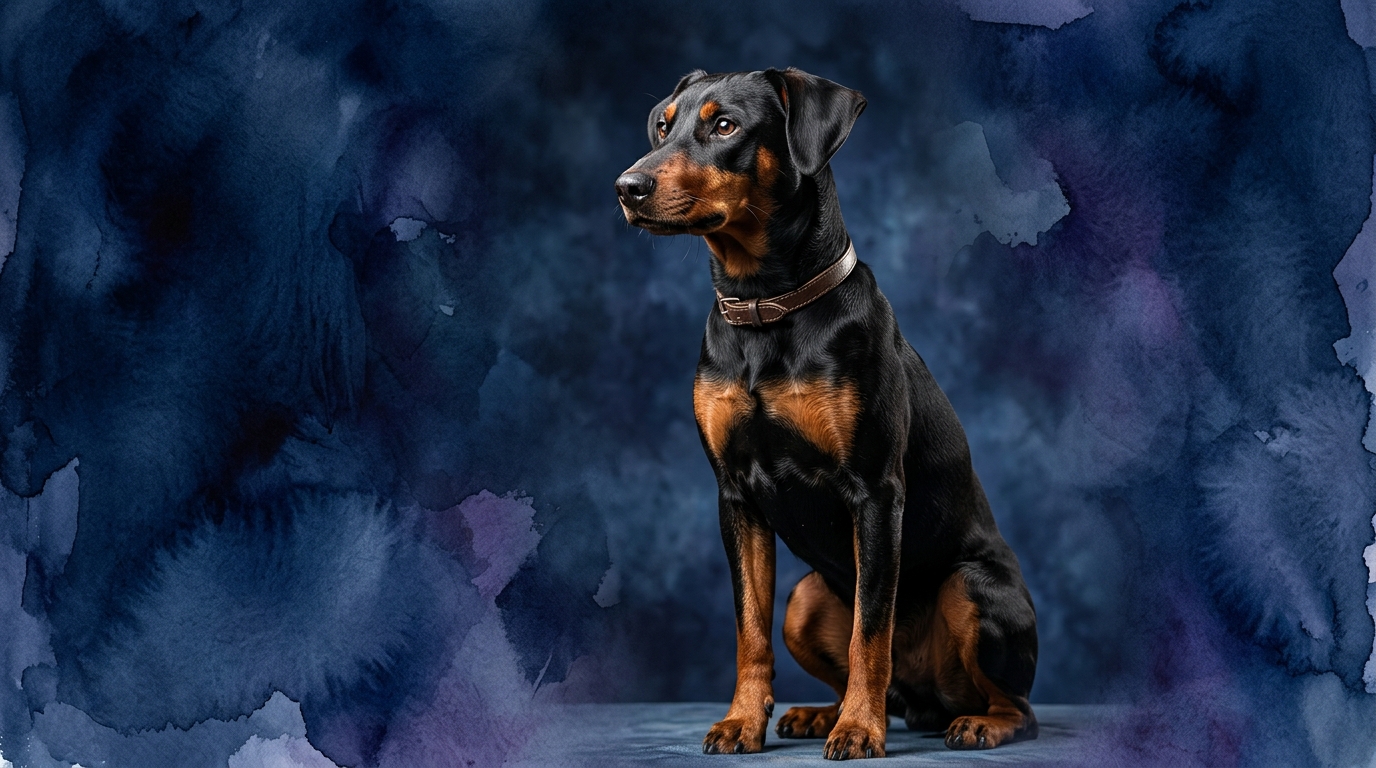
The German Pinscher's 3/5 Problem Solving score often presents as resourcefulness in their environment, figuring out how to alert to strangers or manipulate objects to their advantage, often with a keen observational quality and quick assessment. Their 3/5 Training Speed means they are receptive to learning new tasks and commands, especially when motivated by a clear purpose or reward, showcasing a willingness to engage and cooperate. Social Intelligence at 3/5 in a Pinscher typically involves a strong bond with their immediate family, understanding subtle cues and displaying protective instincts, while often being more reserved and watchful with strangers. Their Instinctive Drive, also 3/5, is geared towards vigilance, guarding, and a robust prey drive, reflecting their historical role as farm protectors and vermin controllers. Finally, their 3/5 Memory enables them to retain training, recall past experiences, and remember individuals, which is valuable for their duties and companionship.
Where the Redbone Coonhound Excels Cognitively
Despite identical scores, the Redbone Coonhound's cognitive strengths are uniquely honed by their heritage as a tracking hound. Their 3/5 Problem Solving, when applied to scent work, demonstrates an unparalleled ability to analyze complex olfactory information, differentiating between myriad smells to isolate a specific trail and follow it through varied environments. This isn't just about speed, but about sustained, independent focus on a singular, deeply ingrained task, requiring significant mental stamina.
The Redbone's 3/5 Instinctive Drive is a profound asset in scenarios requiring relentless pursuit and endurance. This drive fuels their capacity for sustained mental effort, allowing them to remain engaged in a task that might bore or overwhelm other breeds, particularly when a compelling scent is present. Their memory, also 3/5, shines brightest in recalling intricate scent patterns over long distances and extended periods, making them exceptional at picking up old trails or remembering the nuances of a specific hunting ground. This combination makes them masters of their specialized domain, showcasing a cognitive tenacity few other breeds can match when it comes to olfactory challenges.
Where the German Pinscher Excels Cognitively
The German Pinscher, with its working dog background, exhibits its 3/5 cognitive abilities with a different emphasis, often excelling in more immediate, interactive contexts. Their 3/5 Problem Solving often manifests as quick situational awareness and adaptability within a domestic or security context. They are adept at interpreting human body language and vocal tones, adjusting their behavior accordingly, which is crucial for their role as family companions and guardians who need to make rapid assessments.
The Pinscher's 3/5 Training Speed, while numerically identical, often translates into a more eager engagement with handler-directed tasks, demonstrating a clear desire to participate and learn from their human partners. They tend to form strong, clear working partnerships, making them responsive to specific commands and routines when motivation is well-applied. Their 3/5 Social Intelligence is particularly acute within their family unit, allowing them to anticipate needs, offer comfort, or signal perceived threats effectively, fostering a deep, communicative bond. This breed's memory, at 3/5, supports their vigilance, enabling them to remember who belongs and who doesn't, contributing to their protective nature and making them reliable in established household routines.
Training Dynamics: Redbone Coonhound vs. German Pinscher
When it comes to training, the identical 3/5 Training Speed scores belie significant practical differences rooted in their breed types. The Redbone Coonhound, a scent hound, often presents challenges due to its powerful instinctive drive. Once a Redbone catches an interesting scent, their world narrows to that olfactory stimulus, making recall extremely difficult in an open environment. Their independence, a valuable trait for a solo tracker, means they are less inherently motivated by human approval and more by their own sensory exploration. Training a Redbone requires immense patience, consistent positive reinforcement, and a deep understanding of their scent-driven motivations, often incorporating scent games into their learning.
In contrast, the German Pinscher, a working breed, often approaches training with a more handler-focused attitude. While they possess a spirited and sometimes stubborn streak, their 3/5 Training Speed is augmented by a strong desire to engage with their human companions and a clear purpose. They thrive on structure and mental stimulation provided by their owner, often viewing training as a shared activity rather than an interruption to their own agenda. Their vigilance and protective instincts can be channeled into specific tasks, making them receptive to boundary setting and obedience work, though early socialization is critical to temper their natural wariness of strangers and ensure appropriate responses.
Lifestyle Compatibility: Active vs. Relaxed Owners
For active owners, both breeds present compelling options, but with different demands on time and activity type. The Redbone Coonhound is an ideal match for owners who embrace outdoor adventures and can provide extensive outlets for their innate scent drive and endurance. These dogs thrive on long hikes, trail running, or participation in scent work, where their 3/5 instinctive drive can be fully engaged and satisfied. A relaxed owner who cannot commit to significant daily exercise and mental stimulation for their nose will find a Redbone Coonhound challenging, as their pent-up energy and unfulfilled drives can lead to restless behaviors and vocalizations within the home.
The German Pinscher also requires an active lifestyle, but their needs are often more adaptable to varied activities that can be shared with their human companions. Owners who enjoy brisk walks, agility, obedience training, or interactive games will find a German Pinscher a willing and enthusiastic participant. Their 3/5 problem-solving and social intelligence allow them to enjoy a range of mentally stimulating activities within the home or yard, provided they receive sufficient physical exercise. While they appreciate companionship and can settle indoors, they are not suited for purely sedentary lifestyles. For owners seeking a dog that is engaged and participatory in family activities, the Pinscher can be an excellent fit, offering a balance of activity and attentive companionship.
The Verdict
Choose the Redbone Coonhound if you are an active, patient owner who can embrace their independent, scent-driven nature and provide ample opportunities for outdoor exploration and tracking. They are best suited for those who appreciate a dog with a deep, specialized cognitive focus on the world of scent and can manage their strong vocalizations.
Opt for the German Pinscher if you seek an engaged, alert companion who thrives on consistent training, mental challenges, and an active, structured home environment. They are an excellent choice for owners who appreciate a dog with a strong protective instinct and a desire for partnership in daily life, capable of adapting to various activities.
🧠 Find Your Pet's IQ Score
Our Pet IQ Lab assessment covers 25+ tests across 5 cognitive dimensions — personalized to your breed.
Take the Full IQ Test →Frequently Asked Questions
Do Redbone Coonhounds and German Pinschers learn at the same pace?
While both breeds score 3/5 in Training Speed, their learning styles and motivations differ significantly. Redbones often require more motivation related to scent or hunting, making them less inclined to learn for human approval, while Pinschers are generally more handler-focused and responsive to structured, reward-based training for obedience, often eager to please.
Which breed is better for a first-time dog owner?
Neither breed is typically recommended for first-time owners without significant dedication to training and socialization. German Pinschers might be slightly more manageable due to their handler focus and desire for partnership, but both require consistent guidance and an understanding of their strong drives to thrive effectively and prevent undesirable behaviors.
How do their social intelligence scores manifest differently?
The Redbone Coonhound's 3/5 social intelligence often centers on pack dynamics within their family unit and subtle cues during a hunt, being generally more amiable once they accept you. The German Pinscher's 3/5 score typically translates to strong, protective family bonds, vigilance towards strangers, and a more reserved, watchful approach to new people and situations, making early socialization crucial.