
Side-by-Side IQ Profile: Unpacking the 3/5 Score
While both the Redbone Coonhound and the Pekingese share identical 3/5 scores across the five dimensions of intelligence – Problem Solving, Training Speed, Social Intelligence, Instinctive Drive, and Memory – the manifestation of these cognitive abilities is profoundly shaped by their breed type and historical roles. Understanding this nuance is key to appreciating their individual cognitive landscapes, rather than viewing the scores as a direct measure of comparative 'smartness.'
For the Redbone Coonhound, a 3/5 in Problem Solving typically involves navigating complex outdoor environments, deciphering intricate scent trails, and strategizing to locate quarry. Their Training Speed at 3/5 means they grasp concepts with reasonable consistency, often motivated by the prospect of a task or reward, though their independent hound nature can mean they prioritize their own sensory input. Social Intelligence at 3/5 relates to their ability to work cooperatively within a pack or alongside a human handler during a hunt, understanding roles and cues in a working context. Their 3/5 Instinctive Drive is powerfully channeled into scent work and pursuit, an inherent drive that defines much of their mental focus. Finally, a 3/5 in Memory enables them to recall vast scent patterns, terrain features, and learned hunting strategies over time.
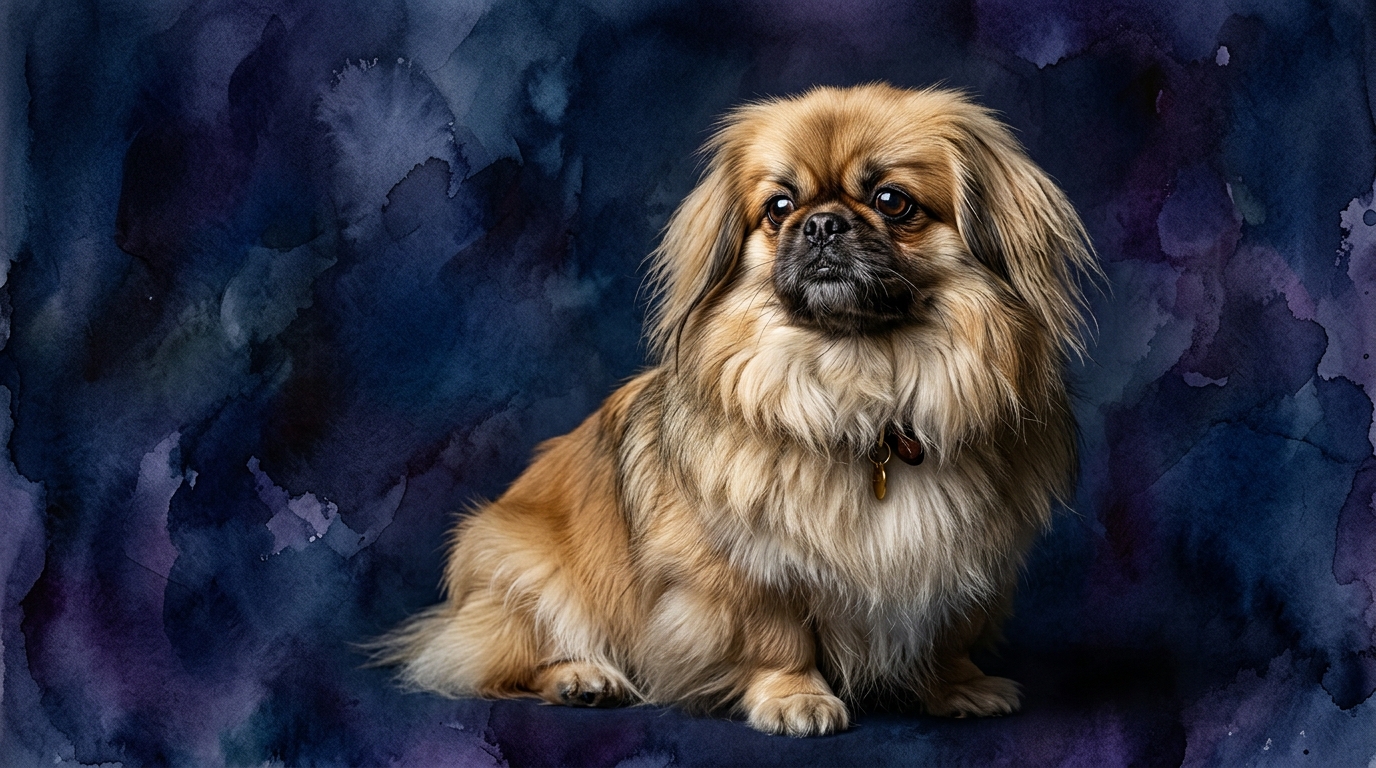
Conversely, the Pekingese’s 3/5 in Problem Solving often manifests as cleverness in navigating the domestic landscape, figuring out how to get comfortable, or subtly influencing their human companions for attention or treats. Their 3/5 Training Speed indicates they can learn routines and commands effectively, but their independent and sometimes opinionated nature means they may require more patience and positive reinforcement tailored to their preferences. Social Intelligence at 3/5 for a Pekingese focuses on developing deep, selective bonds with their chosen humans, understanding household dynamics, and communicating their needs with subtle cues. Their 3/5 Instinctive Drive is typically expressed as a strong sense of territoriality and a desire for comfort and security within their personal domain. A 3/5 in Memory allows them to recall household routines, the locations of preferred napping spots, and the specific habits of their family members.
Where the Redbone Coonhound Shines Cognitively
The Redbone Coonhound's cognitive strengths are deeply rooted in their purpose as a hunting companion. Their problem-solving prowess truly excels in dynamic, unpredictable outdoor environments, particularly when following a scent. They demonstrate a remarkable capacity for sustained focus on a single sensory input, meticulously piecing together a trail over varied terrain and through changing conditions. This isn't just brute force tracking; it involves complex decision-making about which scent to follow, how to circumvent obstacles, and how to maintain the line.
Their spatial reasoning and environmental awareness are highly developed, allowing them to map out an area mentally based on scent, sound, and visual cues. This ability to integrate multiple sensory inputs into a coherent understanding of their surroundings is a distinct cognitive advantage. Furthermore, their memory for specific scent profiles and geographical features is exceptional, enabling them to learn and recall vast amounts of information relevant to their hunting tasks. This isn't about memorizing tricks, but rather a functional memory for complex environmental data.
The Redbone Coonhound also exhibits a form of cognitive persistence, where their drive to complete a task, often a long and arduous hunt, fuels their mental endurance. They can maintain a high level of cognitive engagement over extended periods, making strategic decisions that lead them closer to their goal. This mental stamina, combined with their physical capabilities, allows them to tackle complex, multi-stage challenges that would overwhelm many other breeds.
Where the Pekingese Excels Cognitively
The Pekingese, while physically diminutive, possesses a distinct set of cognitive strengths perfectly adapted to their role as a companion animal. Their social intelligence, though rated 3/5 like the Redbone, manifests in a nuanced understanding of human behavior and household dynamics. They are adept at reading subtle cues from their owners, discerning moods, and often employing clever strategies to gain attention, affection, or a desired outcome, such as securing a prime napping spot or a treat.
Their problem-solving abilities within a domestic setting are quite sophisticated. This might involve figuring out how to maneuver around furniture to reach a favorite sunbeam, determining the most effective way to communicate a need (e.g., a specific bark for hunger versus a nudge for cuddles), or even manipulating objects to their advantage. They often display an independent streak in their decision-making, choosing courses of action that prioritize their own comfort and well-being within the home.
Furthermore, the Pekingese demonstrates a unique form of spatial awareness and memory within their confined world. They recall the precise locations of their toys, the routines of household members, and the safest or most comfortable spots in a room. Their cognitive engagement often revolves around maintaining their personal domain, discerning perceived threats from harmless events, and ensuring their comfort and security. This focused, internal world of cognitive processing allows them to thrive in a stable, predictable environment, utilizing their intellect for personal advantage and companionship.
Which is Easier to Train and Why?
Despite both breeds having a 3/5 Training Speed score, their approaches to learning and cooperation differ significantly, influencing their perceived 'ease' of training. The Redbone Coonhound, with its working heritage, often responds well to training that aligns with its instinctive drives. If a task involves scent work, tracking, or a clear objective that appeals to their hound nature, they can be highly motivated and focused learners. Their stamina means they can engage in longer training sessions, and they typically respond to consistent, firm, and positive reinforcement, particularly when it involves praise or a valued reward.
However, the Redbone's independence and strong instinct to follow a scent can also present training challenges. Once on a trail, their focus can be singular, making recall difficult unless exceptionally well-practiced. They are not inherently inclined to perform arbitrary tricks without a clear purpose or compelling motivation. Their training requires understanding their drives and channeling them productively, rather than trying to suppress them.
The Pekingese, while capable of learning, can be more challenging to train due to their independent and sometimes stubborn personality. Their motivation often stems from comfort, attention, or a perceived benefit to themselves. They learn best with short, positive, and engaging sessions, and respond poorly to harsh methods. Repetitive tasks without perceived value can quickly lead to disengagement. House training, for instance, may require more patience and consistency due to their small size and sometimes selective cooperation. Their training success often hinges on the handler's ability to make learning rewarding and to understand the Pekingese's unique motivations, rather than expecting eager compliance.
Suitability for Active vs. Relaxed Owners
The Redbone Coonhound is undeniably suited for active owners. Their physical and cognitive well-being are inextricably linked to regular, vigorous exercise and mental stimulation. Owners who enjoy long hikes, running, or participating in dog sports like scent work or tracking will find a dedicated and enthusiastic partner in a Redbone. Their intelligence thrives when given opportunities to use their problem-solving skills in expansive, stimulating environments, whether it's navigating woodland trails or working on complex scent puzzles. A sedentary lifestyle will likely lead to boredom, frustration, and potentially destructive behaviors for this breed.
Conversely, the Pekingese is an ideal companion for more relaxed owners. Their low energy requirements mean they are content with shorter walks and indoor play, making them suitable for apartment living or owners with limited mobility. Their cognitive engagement often comes from close companionship, subtle interactions, and mental enrichment within the home, such as puzzle toys or learning new house routines. They thrive in a calm, predictable environment where they can enjoy their comfort and bond deeply with their family.
Attempting to force a Redbone into a consistently relaxed lifestyle without adequate mental and physical outlets will likely result in an unhappy and potentially destructive dog. Similarly, expecting a Pekingese to keep pace with a highly active, constantly on-the-go owner might lead to stress and exhaustion for the dog. Matching a breed's inherent needs with an owner's lifestyle is crucial for the well-being and cognitive fulfillment of both the dog and the human.
The Verdict
Choose a Redbone Coonhound if you are an active individual or family seeking a dedicated companion for outdoor adventures and structured mental engagement, especially in scent-related activities. Their working drive requires an owner committed to consistent training and providing ample physical and cognitive outlets.
Opt for a Pekingese if you desire a steadfast, low-energy companion thriving in a calmer home environment, valuing close companionship and independent personalities. Their cognitive strengths shine when provided with comfort, consistent routines, and opportunities for subtle social interaction.
🧠 Find Your Pet's IQ Score
Our Pet IQ Lab assessment covers 25+ tests across 5 cognitive dimensions — personalized to your breed.
Take the Full IQ Test →Frequently Asked Questions
Do identical IQ scores mean Redbone Coonhounds and Pekingese learn the same way?
No, identical scores of 3/5 indicate similar potential but the application of that intelligence varies significantly. Their breed-specific instincts and physical forms dictate how they approach problem-solving and training, leading to distinct learning styles and motivations.
How does a hound's 'instinctive drive' differ from a toy breed's, even with the same score?
For a Redbone Coonhound, a 3/5 instinctive drive manifests as a powerful urge to trail scents and work independently, requiring outlets for this behavior. For a Pekingese, a 3/5 drive often translates to a strong protective instinct over their home or chosen people, and a desire for comfort and routine.
Can a Redbone Coonhound adapt to a more relaxed lifestyle, or a Pekingese to a more active one?
While dogs can adapt to some extent, it's generally best to align with their inherent breed tendencies to ensure their overall well-being. A Redbone would require significant mental enrichment to compensate for reduced physical activity, while a Pekingese might tolerate some activity but would likely not thrive in a highly demanding, constantly active environment.