
Side-by-Side IQ Profile: Understanding the Hound Mind
The Cosmic Pet Pet IQ Lab's assessment assigns both the Rhodesian Ridgeback and the American Foxhound a consistent 3/5 across all five measured intelligence dimensions. This identical numerical rating, however, belies the specific ways each breed employs its cognitive strengths, deeply rooted in their breed purpose.
For the **Rhodesian Ridgeback**, a breed historically tasked with tracking and holding large game, their Problem Solving (3/5) manifests as an independent, discerning intellect, adept at navigating complex environments and assessing situations without constant human direction. Their Training Speed (3/5) indicates a capacity to learn but often with a strong independent streak requiring consistent, fair methods. Social Intelligence (3/5) shines in their protective nature and strong familial bonds, although they tend to be reserved with strangers, evaluating new individuals carefully. Instinctive Drive (3/5) is evident in their strong prey drive and guardian instincts, making them alert and watchful companions. Memory (3/5) allows them to retain complex commands, routines, and spatial awareness, remembering family members and past experiences.
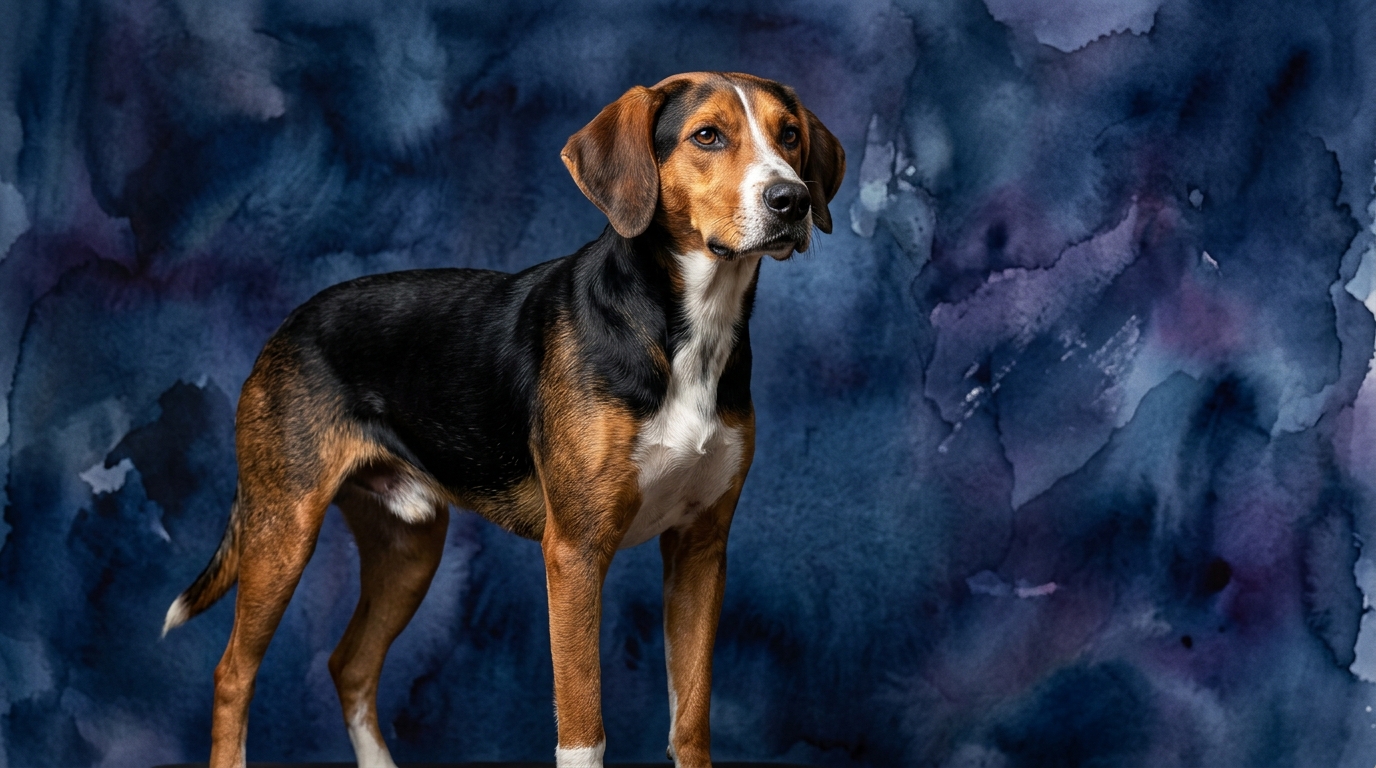
The **American Foxhound**, bred for sustained scent trailing over vast distances, utilizes its Problem Solving (3/5) primarily in deciphering intricate scent puzzles and navigating challenging terrain during a hunt. Their Training Speed (3/5) is influenced by their intense focus on scent; while capable of learning, their primary motivation is often the trail itself, making human-centric commands secondary in the field. Social Intelligence (3/5) is geared towards pack dynamics, making them amiable with other dogs but often more independent and less overtly demonstrative with humans, reflecting their working independence. Instinctive Drive (3/5) is overwhelmingly dominated by their powerful olfactory capabilities and relentless pursuit drive, a hallmark of their breed. Memory (3/5) is exceptional for recalling scent trails, routes, and the whereabouts of their pack, crucial for their hunting role.
Where the Rhodesian Ridgeback Cognitively Excels
Despite identical raw scores, the Rhodesian Ridgeback exhibits a distinct cognitive advantage in areas requiring nuanced judgment and adaptive problem-solving within a domestic or protective context. Their historical role as a guardian and hunter of dangerous game cultivated an ability to make independent decisions, not just follow a trail, but to assess and react to threats. This translates into a sophisticated form of social intelligence, where they are adept at reading human emotions and intentions, often acting as a discerning 'family member' rather than a pure working dog.
Their problem-solving prowess is particularly apparent when faced with novel situations requiring a blend of physical navigation and strategic thinking, such as figuring out how to open a gate or bypass an obstacle to reach a desired location, often with a clear end goal in mind. The Coren ranking of #52, while not a direct IQ score, suggests a general adaptability and trainability that, when coupled with their protective instincts, allows them to excel in roles requiring loyalty, alertness, and a capacity for independent thought in varied scenarios, from family protector to hiking companion.
Where the American Foxhound Cognitively Shines
The American Foxhound's cognitive strengths are undeniably rooted in their extraordinary olfactory abilities and sustained endurance. Their Problem Solving (3/5) is unparalleled when it comes to scent work, involving complex discrimination between trails, filtering out irrelevant smells, and maintaining focus on a specific target over extended periods and diverse terrains. This isn't just a physical act; it's a sophisticated cognitive process of data analysis through scent.
Their Instinctive Drive (3/5), while numerically similar to the Ridgeback, is singularly focused on the hunt, manifesting as an almost obsessive dedication to a scent trail. This translates into a remarkable cognitive endurance, where their memory for specific scents and their ability to reconstruct a path through olfactory cues is exceptional. They can hold a 'mental map' of a hunt, recalling where they've been and anticipating where a scent might lead, demonstrating a specialized intelligence that few breeds can match. This specialized cognitive function, while less generalized than the Ridgeback's, is supremely effective within its intended domain.
Training Dynamics: Which Is Easier and Why?
When considering trainability, the Rhodesian Ridgeback generally presents a more straightforward path for the average owner, primarily due to their stronger desire to please their primary human companions, despite their independence. Their Social Intelligence (3/5) means they understand human cues and motivations well, making them responsive to positive reinforcement and consistent training. However, their independent problem-solving nature means they will question commands if they don't see the logic, requiring a confident and patient trainer who can establish clear leadership. Recall, while not always perfect due to their prey drive, is often achievable with dedicated effort, as their bond with their family provides a strong incentive to return.
The American Foxhound, while capable of learning, can be significantly more challenging to train in conventional obedience. Their overwhelming Instinctive Drive (3/5) for scent often overrides human commands, particularly outdoors. Their independence, honed by centuries of working far from human supervision, means they are less inclined to check in with their owner and more driven by the call of the trail. Leash manners can be a struggle against their pulling power, and recall is notoriously difficult once a compelling scent is engaged; their memory and problem-solving are dedicated to the hunt, not necessarily to human directives. This requires an owner with immense patience, a deep understanding of hound motivation, and often, a secure, fenced environment for off-leash exercise.
Suitability for Active vs. Relaxed Owners
Neither the Rhodesian Ridgeback nor the American Foxhound are suited for truly 'relaxed' owners. Both are active breeds demanding substantial exercise and mental engagement, though the *type* of activity they thrive on differs significantly. The Rhodesian Ridgeback suits active owners who enjoy structured activities like long hikes, jogging, or dog sports such as agility or obedience. They require mental stimulation that challenges their problem-solving abilities and a consistent routine. Their strong bond with their family means they prefer to be involved in household activities and can adapt to various family-centric adventures, provided their physical and mental needs are met. They need an owner who can provide firm, consistent guidance and channel their energy productively.
The American Foxhound is ideal for highly active, often outdoors-oriented owners who can accommodate their relentless need for running and scent exploration. They are best suited for individuals or families with access to large, securely fenced properties or rural areas where they can safely indulge their powerful instinctive drive for tracking. Their stamina is incredible, and they can run for miles, making them excellent companions for runners, hikers, or those interested in scent work or field trials. Owners must understand that their exercise needs are non-negotiable and often involve allowing them to follow their nose, which can be less structured than a Ridgeback's activities. They thrive with owners who appreciate their independent spirit and provide ample opportunities for their natural hunting instincts to flourish.
The Verdict: When to Choose Each Hound
The Verdict
Choose the Rhodesian Ridgeback if you seek a discerning, protective family companion capable of independent thought and willing to engage in a variety of structured activities, provided you offer firm, consistent leadership. Their balanced intelligence makes them adaptable to diverse home environments where they are integrated as a central family member.
Opt for the American Foxhound if you are a highly active, outdoors-loving individual or family prepared to embrace a dog driven by an extraordinary scenting instinct and requiring vast opportunities for running and independent exploration. Their specialized intelligence excels in the field, making them perfect for scent work enthusiasts or those with expansive, secure outdoor spaces.
🧠 Find Your Pet's IQ Score
Our Pet IQ Lab assessment covers 25+ tests across 5 cognitive dimensions — personalized to your breed.
Take the Full IQ Test →Frequently Asked Questions
Are Rhodesian Ridgebacks good family dogs?
Yes, Rhodesian Ridgebacks can be excellent family dogs. Their Social Intelligence (3/5) fosters strong bonds with their human family, making them loyal and protective, though they tend to be reserved with strangers. Early socialization and consistent training are crucial to ensure they are well-adjusted and comfortable in various family settings.
How much exercise does an American Foxhound need?
American Foxhounds require a substantial amount of exercise, reflecting their high Instinctive Drive (3/5) and stamina as hunting dogs. They need at least one to two hours of vigorous activity daily, ideally off-leash in a secure area where they can run and follow scents. Without adequate exercise, they can become restless and destructive.
Can American Foxhounds live in apartments?
Due to their immense energy levels, strong vocalizations (baying), and overwhelming need for space to run and explore scents, American Foxhounds are generally not suitable for apartment living. They thrive in homes with large, securely fenced yards or rural environments where their natural instincts can be properly fulfilled.