Side-by-Side IQ Profile: Hound Breeds with Distinct Minds
While both the Rhodesian Ridgeback and the Cirneco dell'Etna register a 3/5 across our five key cognitive dimensions, the manifestation of these scores is profoundly shaped by their ancestral roles. Understanding these nuances is crucial for appreciating their individual intellectual styles.
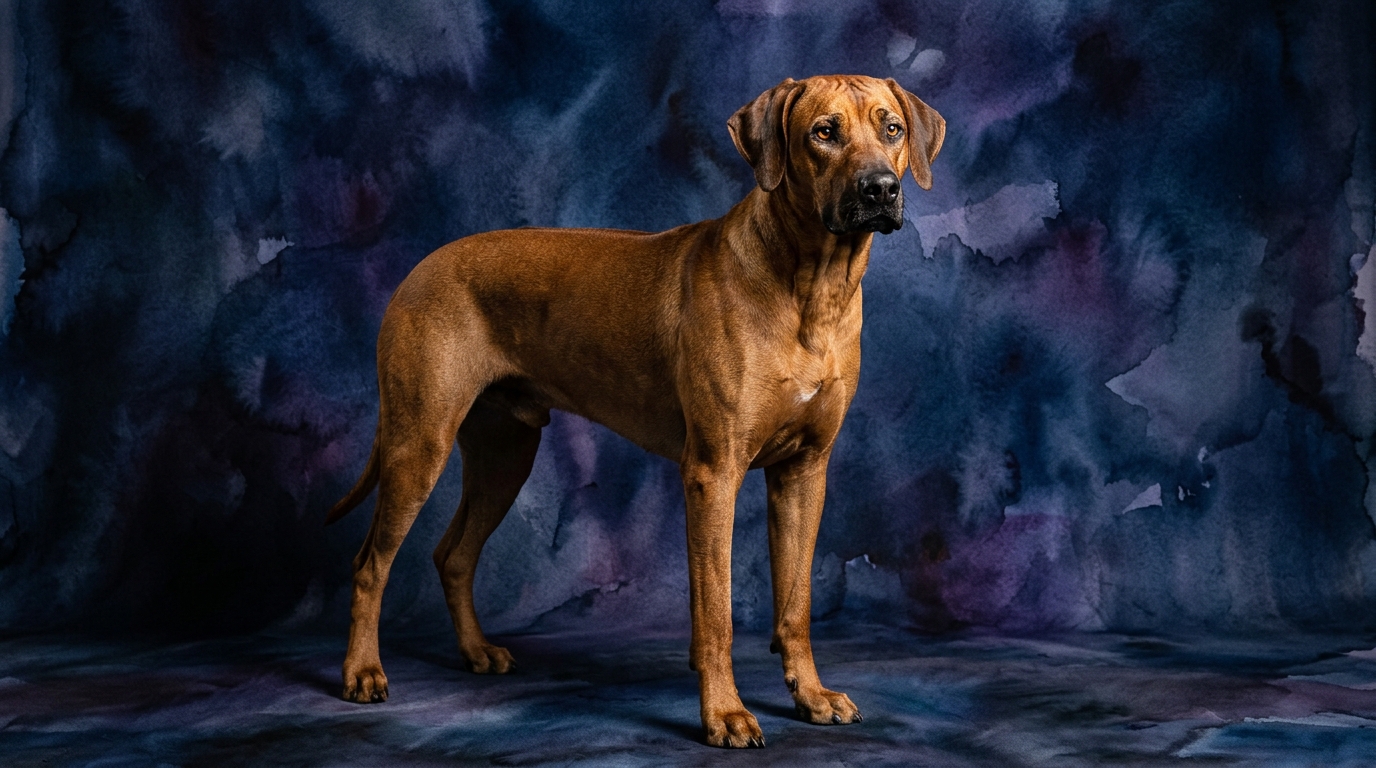
For the Rhodesian Ridgeback, a 'Problem Solving' score of 3/5 reflects their capacity to strategize during a hunt, often working independently to track and corner large game, which requires sustained focus and a degree of independent decision-making. Their 'Training Speed' at 3/5 indicates they can grasp new commands efficiently, but their independent spirit means compliance often hinges on perceived value or a strong bond with their handler, rather than blind obedience. 'Social Intelligence' at 3/5 for a Ridgeback typically means a discerning approach to strangers, coupled with deep loyalty and understanding of their family unit's dynamics, often expressing a protective instinct. Their 'Instinctive Drive' at 3/5 is primarily geared towards scent tracking, pursuit, and holding large prey at bay, requiring courage and endurance. Finally, their 'Memory' at 3/5 suggests they retain learned behaviors and routines well, and also remember significant past experiences, both positive and negative, influencing future interactions.
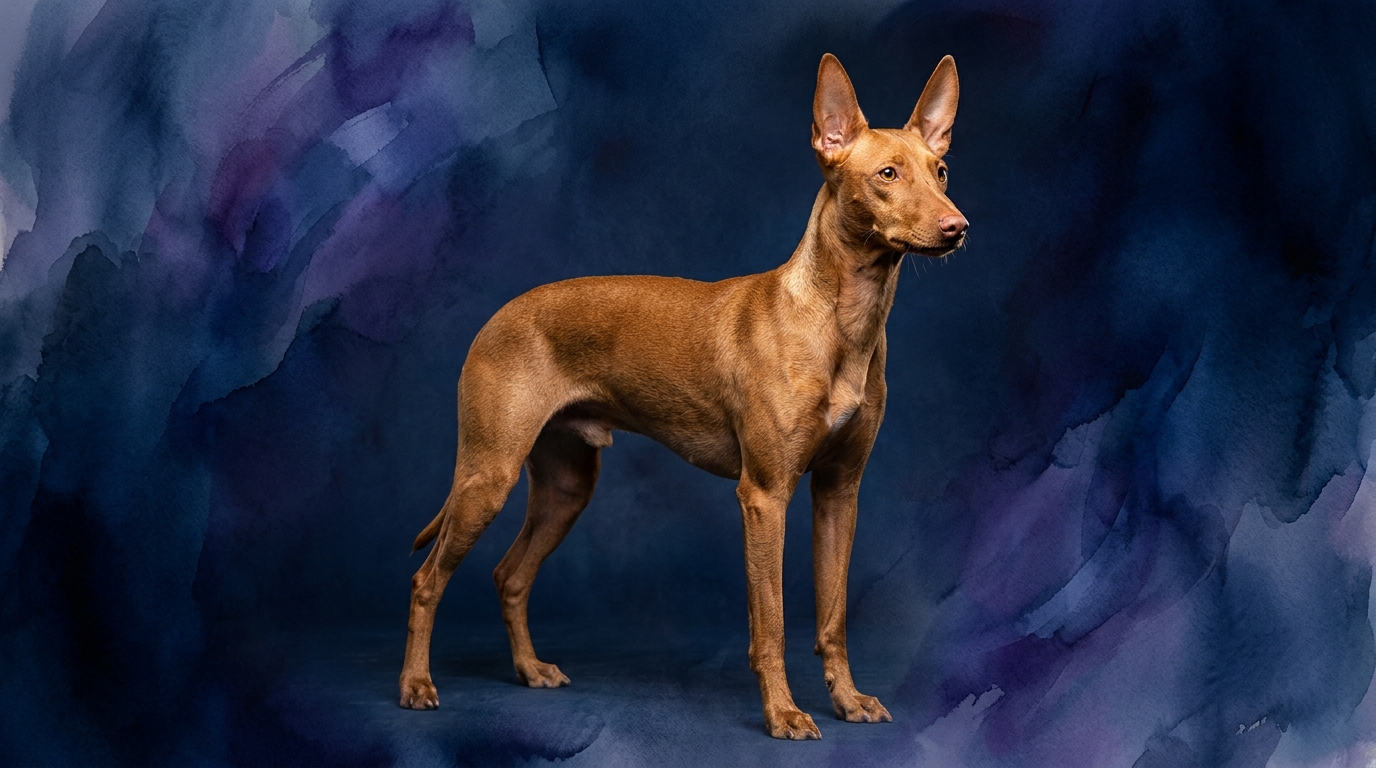
The Cirneco dell'Etna, also scoring 3/5 in all dimensions, expresses these traits differently, influenced by their role as agile hunters of small game in challenging volcanic terrain. Their 'Problem Solving' at 3/5 is demonstrated by their ability to navigate complex environments to locate prey, using keen senses and quick, agile movements to overcome obstacles. 'Training Speed' at 3/5 means they can learn quickly, especially with positive reinforcement, but their sighthound nature and high prey drive can make sustained, repetitive drills less engaging than spontaneous, reward-based learning. 'Social Intelligence' at 3/5 for a Cirneco often translates to sensitivity towards their owner's moods and the body language of other dogs, though they can be reserved with unfamiliar people or in new situations. Their 'Instinctive Drive' at 3/5 is a powerful blend of sight and scent hunting, characterized by bursts of speed and an innate focus on small, fast-moving targets. Their 'Memory' at 3/5 allows them to recall specific hunting grounds, effective strategies, and positive reinforcement cues, though complex, multi-step sequences might require more consistent reinforcement.
Where the Rhodesian Ridgeback Excels Cognitively
The Rhodesian Ridgeback's cognitive strengths shine in scenarios demanding sustained mental fortitude and a protective presence. Their problem-solving, while rated 3/5, often manifests as a deliberate, thoughtful assessment when facing a challenge, particularly if it involves securing their territory or family. This isn't about quick agility, but rather a methodical approach to potential threats or complex barriers. Their memory, also 3/5, supports this by allowing them to recall past strategies for deterring perceived dangers or remembering the specific steps to bypass a familiar gate. This sustained cognitive engagement makes them adept at tasks requiring a longer attention span focused on a specific goal, like tracking a scent trail over varied distances or maintaining a watchful vigil. Their social intelligence, while selective, allows for a profound understanding of their immediate family's needs and a nuanced capacity to discern friend from foe, making them particularly effective in roles requiring loyalty and discretion.
Where the Cirneco dell'Etna Excels Cognitively
The Cirneco dell'Etna's cognitive advantages are most evident in situations requiring rapid assessment and agile execution, particularly in dynamic environments. Their problem-solving, rated 3/5, is often expressed through quick, instinctual decisions when pursuing prey, adapting instantly to changes in terrain or the target's movement. This involves processing sensory input (sight, scent, sound) at high speed and reacting with precision. Their instinctive drive, also 3/5, is a powerful engine for this, allowing them to focus intensely on a moving target with remarkable dedication. The Cirneco's memory, though 3/5, is particularly effective at recalling spatial layouts and the specific locations of rewards or successful hunting spots, making them excellent at navigating familiar territories for resources. Their social intelligence, also 3/5, often includes a heightened sensitivity to subtle cues, enabling them to adapt their behavior to their owner's mood or the nuances of dog-dog interactions with surprising speed, though they might initially be reserved.
Training: Navigating Independence vs. Prey Drive
When it comes to training, both breeds present unique considerations despite their identical 3/5 training speed scores. The Rhodesian Ridgeback's independence and historical role as an autonomous hunter mean they can be quite thoughtful about compliance. They learn commands efficiently, but their willingness to perform often hinges on whether they perceive value in the action or if it aligns with their own agenda. Training a Ridgeback requires consistency, firm but fair leadership, and making training sessions engaging enough to overcome their inherent self-reliance. They respond well to methods that respect their intelligence and allow them to feel like a partner in the process, rather than just a subordinate. Their protective instincts also necessitate early and thorough socialization to ensure their discerning social intelligence develops appropriately.
The Cirneco dell'Etna, on the other hand, while also learning quickly, can be challenged by their intense prey drive and sighthound tendencies. Their focus can shift instantaneously if a tempting scent or movement catches their attention, making sustained attention during repetitive drills a hurdle. Training a Cirneco benefits immensely from positive reinforcement, short, engaging sessions, and incorporating games that tap into their natural hunting instincts in a controlled manner, such as lure coursing or scent work. Their social intelligence means they are sensitive to their handler's tone and body language, so harsh methods are counterproductive and can lead to withdrawal. Patience and creativity are key to harnessing their quick minds and spirited nature, particularly in teaching reliable recall in varied environments.
Matching Lifestyles: Active Explorers vs. Spirited Companions
The cognitive profiles of these two breeds naturally align with different owner lifestyles. The Rhodesian Ridgeback's blend of independence, protective instincts, and sustained focus makes them suitable for active owners who appreciate a canine partner with a thoughtful, assertive presence. They require significant physical exercise to satisfy their powerful physique and mental stimulation that challenges their problem-solving abilities, such as advanced obedience, tracking, or participation in dog sports that require sustained effort. Their discerning social intelligence means they thrive with owners who understand the importance of early and consistent socialization to channel their protective nature positively, and who can provide clear, consistent leadership. They are not typically suited for relaxed owners seeking a low-maintenance companion, as their cognitive and physical needs are substantial.
The Cirneco dell'Etna, with their quick bursts of speed, agile problem-solving, and sensitive social intelligence, is an excellent match for active owners who enjoy dynamic outdoor activities and can accommodate a dog with a strong prey drive. They excel in activities like lure coursing, agility, or long, varied walks where they can explore with their senses. While they possess incredible energy for short bursts, they are often content to relax indoors after adequate exercise, making them adaptable to homes that offer both adventure and quiet time. Their sensitivity and independence mean they thrive with owners who use positive, gentle training methods and understand their need for both mental engagement (often through scent games or puzzles) and ample physical outlets. They can suit owners who appreciate a spirited, sensitive, and somewhat independent companion, provided their instinctual needs are met.
The Verdict
Choose the Rhodesian Ridgeback if you seek a loyal, protective companion with a thoughtful, independent mind, and are prepared for consistent training and significant physical and mental engagement.
Opt for the Cirneco dell'Etna if you desire an agile, sensitive, and spirited partner who thrives on bursts of activity and engaging mental challenges, particularly those that tap into their keen senses.
🧠 Find Your Pet's IQ Score
Our Pet IQ Lab assessment covers 25+ tests across 5 cognitive dimensions — personalized to your breed.
Take the Full IQ Test →Frequently Asked Questions
Are Rhodesian Ridgebacks difficult to train due to their independence?
Rhodesian Ridgebacks are not inherently difficult to train, but their independent nature and discerning intelligence mean they respond best to consistent, fair, and engaging methods. They learn quickly but require motivation and a strong bond with their handler to ensure compliance, as they are less inclined to perform tasks they deem pointless.
How does the Cirneco dell'Etna's prey drive impact their trainability?
The Cirneco dell'Etna's strong prey drive can make training challenging, particularly in environments with distractions, as their focus can shift rapidly. Effective training involves positive reinforcement, short, engaging sessions, and incorporating their natural hunting instincts into controlled activities like lure coursing to manage this drive constructively.
Which breed is better for a family with young children?
Both breeds can be good with children when properly socialized and trained, but their temperaments differ. Rhodesian Ridgebacks are often protective and loyal to their family, requiring supervision due to their size and strength. Cirneco dell'Etna are typically more sensitive and can be reserved, making them a good fit for respectful children, but might prefer a quieter environment.