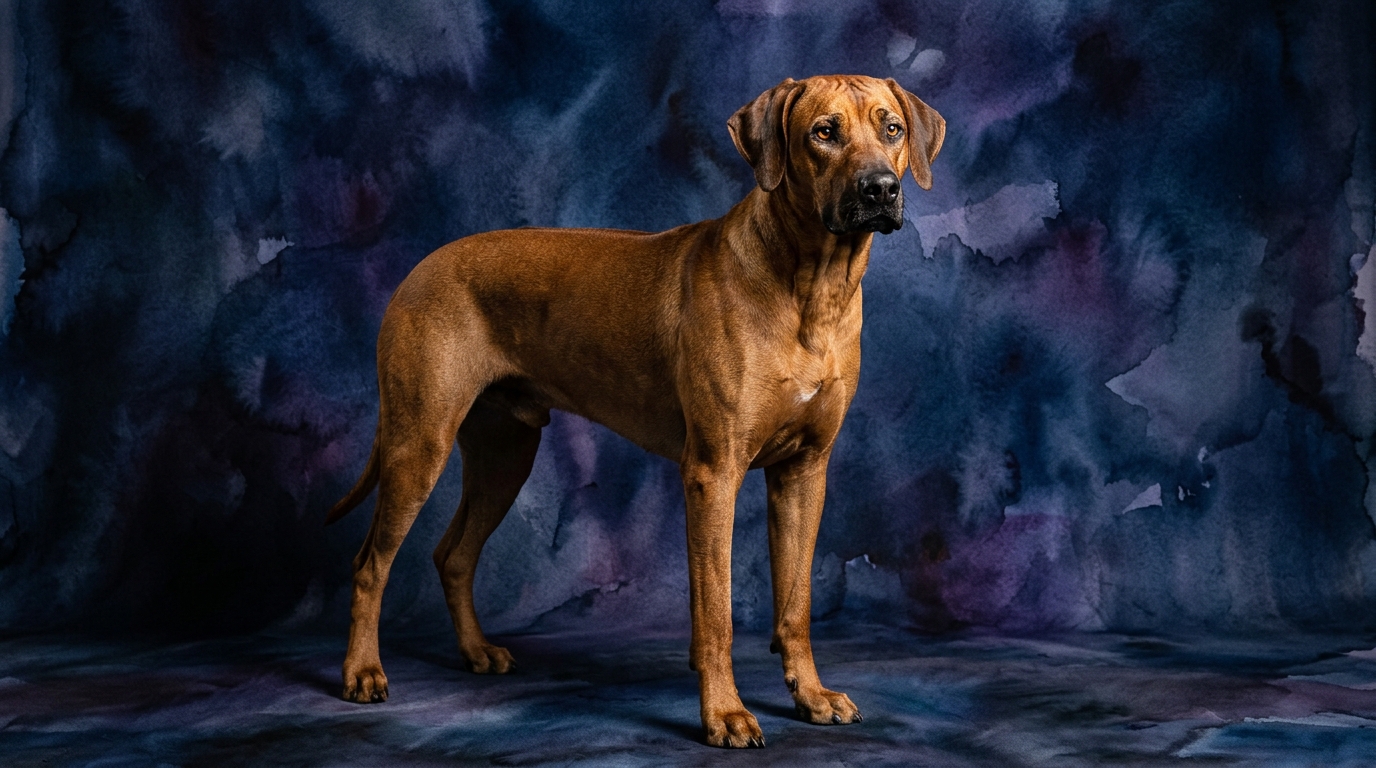
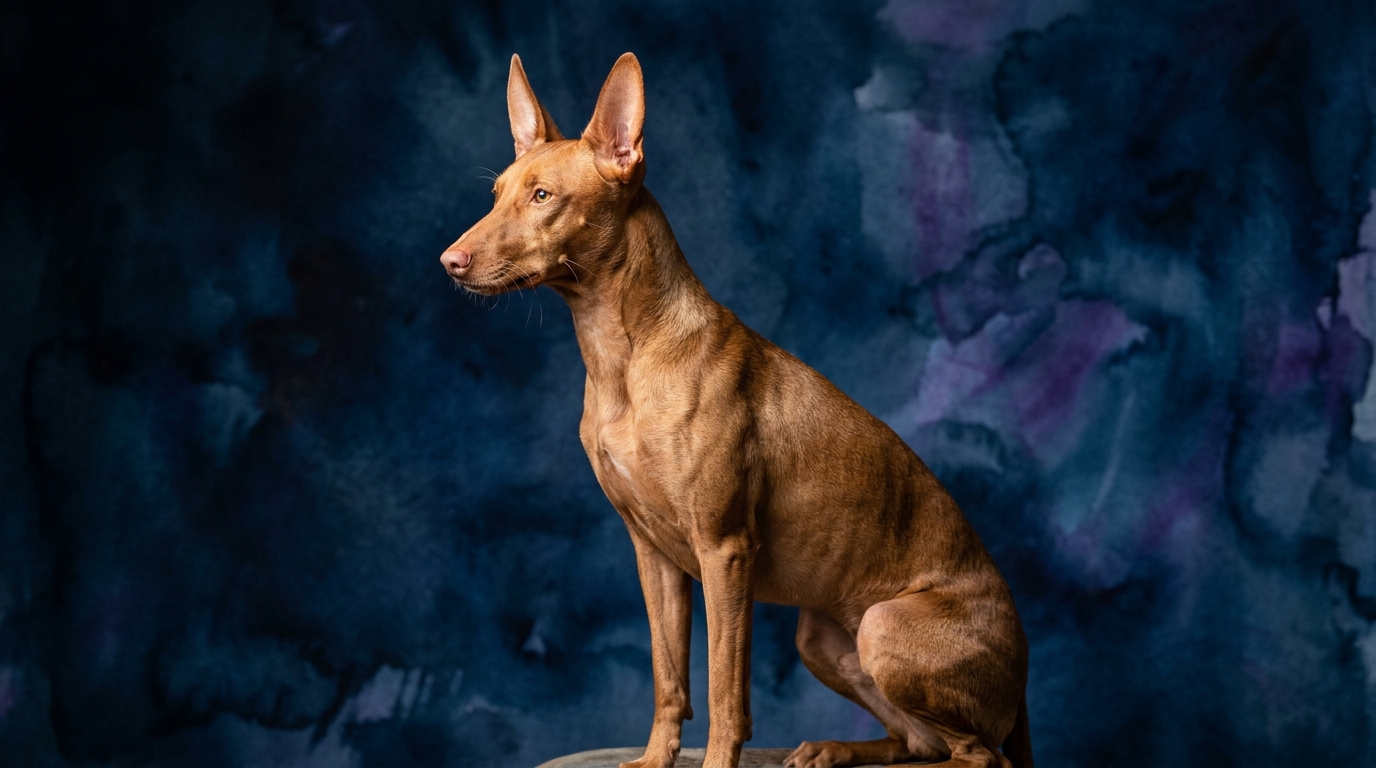
Side-by-Side IQ Profile: Unpacking the 3/5 Scores
At first glance, the identical 3/5 ratings across all five cognitive dimensions for both the Rhodesian Ridgeback and the Pharaoh Hound might suggest little difference. However, these scores represent a moderate baseline, and the true distinction lies in how these abilities are applied and expressed by each breed, deeply influenced by their historical roles and inherent temperaments.
For **Problem Solving (3/5)**, the Rhodesian Ridgeback, originally bred to track and hold formidable game, exhibits a resourceful and often strategic approach. Their solutions tend to be methodical, involving careful observation and independent decision-making to navigate complex environments or overcome obstacles. They're not prone to frantic trial-and-error but will thoughtfully work through a challenge. The Pharaoh Hound, a sighthound, applies its problem-solving primarily to its environment and pursuit. Their solutions are often lightning-fast and visually driven, excelling at anticipating prey movement or navigating intricate terrain during a high-speed chase. Their cognitive process in this dimension is geared towards efficiency and swift reaction in dynamic, visual scenarios.
In terms of **Training Speed (3/5)**, both breeds learn new commands at a steady, moderate pace, but their motivations differ. The Rhodesian Ridgeback, while possessing an independent streak, often demonstrates a desire to collaborate with their handler, a legacy of their hunting partnership. This means they learn well with consistent, clear communication and positive reinforcement, internalizing lessons once they grasp the concept. The Pharaoh Hound's 3/5 training speed is equally capable, but their independence and sometimes aloof nature mean they require training to be engaging, fun, and short. They might quickly understand a command but choose not to perform it if a more interesting stimulus presents itself, demanding creativity and patience from their trainer to maintain focus.
**Social Intelligence (3/5)** manifests uniquely in each. The Rhodesian Ridgeback displays a discerning social intelligence, often reserved with strangers but forming profound, protective bonds with their immediate family. They are adept at reading their owners' moods and intentions, and while they can navigate complex social hierarchies, early and consistent socialization is crucial for appropriate interactions with unfamiliar individuals and dogs. The Pharaoh Hound's social intelligence is often described as sensitive and empathetic within their trusted circle. They pick up on subtle emotional cues from their humans, often offering quiet comfort or companionship. With strangers, they tend to be more reserved and independent, sometimes preferring to observe from a distance rather than engage boisterously, and their interactions with other dogs are typically polite but not overtly effusive.
The **Instinctive Drive (3/5)** in the Rhodesian Ridgeback is deeply rooted in their tracking and baying heritage, resulting in a strong prey drive and a territorial instinct. This drive fuels their determination in tasks and translates into a need for purposeful activity and exploration, often involving scent work. A secure environment is paramount to manage their natural inclination to follow an interesting trail. For the Pharaoh Hound, their 3/5 instinctive drive is overwhelmingly a powerful prey drive, characteristic of sighthounds. They possess an intense, almost irresistible urge to chase anything that moves quickly, making secure leashes, robust recall training, and securely fenced yards absolute necessities. This drive is central to their identity, influencing their play, exercise needs, and overall motivation.
Finally, **Memory (3/5)** for both breeds is solid and reliable. Rhodesian Ridgebacks exhibit good recall for commands, routines, and experiences, both positive and negative. Their memory contributes to their loyalty and their ability to navigate familiar environments, but also means they can hold onto past negative experiences, underscoring the importance of consistent, positive training. Pharaoh Hounds also possess a strong memory for learned behaviors, spatial layouts, and the individuals they interact with. They recall training cues and routines effectively, though their independent streak might occasionally make it appear as if they've 'forgotten.' They also remember specific triggers for their prey drive, such as certain sounds or movements, with remarkable clarity.
Where the Rhodesian Ridgeback Wins Cognitively
Despite identical baseline IQ scores, the Rhodesian Ridgeback often demonstrates a subtle cognitive edge in situations demanding sustained, independent strategic thinking. Their historical role of tracking and baying large game, including lions, cultivated a unique blend of observation and calculated action. This means a Ridgeback is more likely to assess a novel environment or a complex puzzle with a methodical approach, rather than relying solely on speed or instinct. Their problem-solving is often less about immediate reaction and more about evaluating options, which can be invaluable in tasks requiring a deeper understanding of cause and effect. Furthermore, while their training speed is 3/5, their Coren ranking at #52 suggests a greater consistency in applying learned obedience and working cooperatively over extended periods, perhaps due to their inherent desire to partner in a task rather than purely chase.
Where the Pharaoh Hound Wins Cognitively
The Pharaoh Hound, conversely, often showcases a distinct cognitive advantage in areas demanding rapid perceptual processing and decisive, instinct-driven action. As a sighthound, their visual acuity and the speed at which they process environmental changes are exceptional. This translates into superior performance in tasks requiring quick identification of moving targets, immediate spatial navigation, and instantaneous decision-making during pursuit. While their problem-solving score is 3/5, it manifests as incredibly efficient, almost instantaneous, solutions to dynamic, visual challenges, such as cutting off a fleeing object or maneuvering through obstacles at speed. Their social intelligence, while also 3/5, can appear more finely tuned to subtle human emotional shifts within their inner circle, demonstrating a quiet empathy that allows them to anticipate needs or comfort effectively without overt displays.
Which Is Easier to Train and Why
Determining which breed is 'easier' to train, given their identical 3/5 training speed scores, hinges less on raw learning capacity and more on their inherent motivations and temperaments. The Rhodesian Ridgeback, while independent, often possesses a stronger desire to engage with their handler in a collaborative fashion, a legacy of their working partnership in hunting. This means that with consistent, positive reinforcement and clear expectations, they are generally more inclined to repeat behaviors that earn praise or rewards. Their training might involve navigating their strong will and occasional stubbornness, but once a Ridgeback understands the 'why' and feels respected, they tend to be reliable. The Pharaoh Hound, conversely, is often more independent and less outwardly eager to please. Their training success relies heavily on making tasks inherently fun, short, and rewarding, often leveraging their prey drive in games. They can quickly grasp commands but might choose not to perform them if a more interesting stimulus (like a squirrel) presents itself. Their sensitivity also means harsh training methods are counterproductive, potentially leading to shutdown or avoidance. Therefore, while both learn at a similar pace, the Ridgeback's slightly greater biddability and desire for partnership can make the overall training journey feel more straightforward for an experienced owner, whereas the Pharaoh Hound demands more creativity and patience to maintain engagement.
Suiting Active vs. Relaxed Owners
When considering lifestyle compatibility, both breeds appeal to active owners, but for different reasons rooted in their cognitive and instinctive profiles. The Rhodesian Ridgeback, with its 3/5 instinctive drive and problem-solving, thrives with owners who can provide not just physical exertion but also mental challenges. They need structured activities like hiking, jogging, or dog sports that engage their strategic thinking and endurance, channeling their historical roles. A Ridgeback desires a 'job' or purpose, making them ideal for owners who enjoy consistent training, exploration, and having a canine partner in their adventures. For a more relaxed owner, a Ridgeback can be content indoors after sufficient exercise, but their protective instincts and need for engagement mean they aren't a 'couch potato' by nature; boredom can lead to destructive problem-solving.
The Pharaoh Hound, with its similarly rated 3/5 instinctive drive, is also built for activity, particularly bursts of high-speed running. Their keen visual problem-solving makes them excellent candidates for lure coursing or fast-paced games in secure, fenced areas. Owners who appreciate a dog that can run like the wind and then settle down for quiet companionship will find a match. While they enjoy vigorous exercise, their energy often manifests in shorter, intense bursts rather than sustained endurance, and they are generally more amenable to quiet relaxation indoors once their physical needs are met. For a truly relaxed owner, however, both breeds will prove challenging due to their inherent drives; neither is content with minimal activity, though the Pharaoh Hound might be slightly more tolerant of a calmer indoor environment after their exercise.
The Verdict
Choose the Rhodesian Ridgeback if you seek a steadfast, thoughtful companion who thrives on collaborative challenges and consistent engagement, valuing a partner for structured activities and mental stimulation.
Opt for the Pharaoh Hound if you are captivated by a graceful, sensitive sighthound that excels in bursts of speed and visual acuity, offering quiet companionship after exhilarating physical outlets.
🧠 Find Your Pet's IQ Score
Our Pet IQ Lab assessment covers 25+ tests across 5 cognitive dimensions — personalized to your breed.
Take the Full IQ Test →Frequently Asked Questions
Do Rhodesian Ridgebacks and Pharaoh Hounds have similar exercise needs?
Yes, both breeds require significant daily exercise to satisfy their 3/5 instinctive drive. Rhodesian Ridgebacks need sustained activity that engages both body and mind, while Pharaoh Hounds excel in intense, short bursts of speed, making secure off-leash running crucial for both.
Which breed is better with children?
Both breeds can be good with children if properly socialized from a young age and raised in a respectful environment. Rhodesian Ridgebacks tend to be protective and tolerant of their family, while Pharaoh Hounds are generally gentle and patient, though their sensitivity means they prefer calm interactions.
Are these breeds prone to separation anxiety due to their social intelligence?
With a 3/5 social intelligence score, both breeds form strong bonds with their families and can develop separation anxiety if not properly habituated to being alone. Consistent training and providing ample mental and physical stimulation can help mitigate this, ensuring they feel secure when left for reasonable periods.