
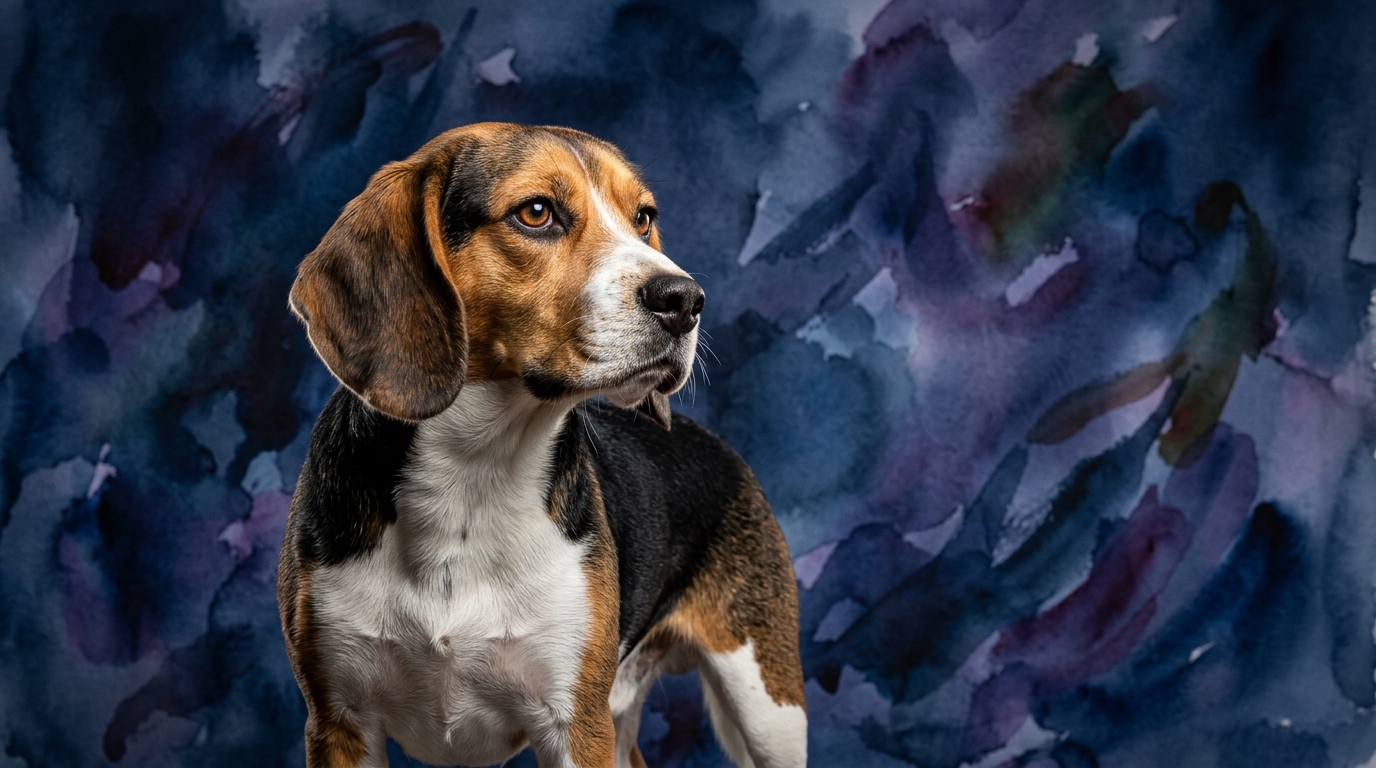
The Cosmic Pet Pet IQ Lab: Rottweiler vs. Beagle Side-by-Side
At first glance, the Rottweiler, ranked #9 by Coren, and the Beagle, at #72, appear to occupy vastly different cognitive landscapes. However, a closer look at their individual IQ dimensions reveals specialized strengths rather than a simple hierarchy. Let's delve into what The Cosmic Pet Pet IQ Lab’s metrics tell us about each breed’s mental architecture.
The Rottweiler’s IQ Profile:
Problem Solving (5/5): This score indicates a strong capacity for independent thought and strategic action, allowing Rottweilers to assess complex situations and devise effective solutions. They often demonstrate foresight, understanding cause and effect beyond immediate sensory input.
Training Speed (4/5): Rottweilers generally grasp new commands and routines quickly, often requiring fewer repetitions than many other breeds. Their focus and desire to work alongside their human companions contribute significantly to this rapid learning.
Social Intelligence (4/5): They possess a nuanced understanding of human social cues and pack dynamics, enabling them to form deep bonds and respond appropriately to their family's emotions and intentions. This also extends to their protective instincts, discerning threats from friendly visitors.
Instinctive Drive (5/5): Their powerful guarding and herding instincts are deeply ingrained, manifesting as a strong desire to protect their territory and loved ones. This drive is a core component of their working dog heritage, making them natural protectors.
Memory (5/5): Rottweilers exhibit excellent long-term memory, retaining learned behaviors, commands, and experiences over extended periods. This contributes to their reliability and consistency once trained.
The Beagle’s IQ Profile:
Problem Solving (4/5): Beagles demonstrate good problem-solving skills, particularly when it comes to scent-related challenges or navigating environments to find a desired object. However, their solutions are often driven by immediate sensory input rather than abstract reasoning.
Training Speed (2/5): While capable of learning, Beagles can be more challenging to train, often requiring considerable patience and repetition. Their strong independent nature and tendency to follow their nose can distract them from human-led tasks, making focused training sessions more demanding.
Social Intelligence (3/5): Beagles are generally friendly and gregarious, understanding basic social interactions. However, their social intelligence is often geared towards their pack (human or canine) and less about complex discernment of individual human moods or subtle intentions compared to a Rottweiler.
Instinctive Drive (5/5): Their hunting and scenting instincts are exceptionally strong, making them relentless in pursuit of an interesting smell. This drive is paramount in their cognitive makeup, often overriding other considerations.
Memory (4/5): Beagles have good memory, especially for locations of interesting scents or past experiences. They recall learned commands, but their recall might be less consistent due to competing instinctive priorities.
Where the Rottweiler Excels Cognitively
The Rottweiler’s cognitive strengths shine particularly in areas demanding focused collaboration and abstract thought. Their 5/5 score in Problem Solving indicates a superior capacity for analytical thinking, allowing them to not just react to situations but strategically plan and execute solutions. For instance, a Rottweiler might quickly understand the mechanics of a complex latch or devise a sequence of actions to retrieve a hidden toy, demonstrating a higher degree of foresight and sequential reasoning. This analytical edge is complemented by their 4/5 Training Speed, meaning they assimilate new commands and intricate routines with remarkable efficiency, often making connections between concepts faster than many other breeds. Their 4/5 Social Intelligence allows for a more profound understanding of human intentions and emotional states, enabling them to respond with appropriate protective or comforting behaviors. This discerning social cognition is crucial for their role as guardians. Furthermore, a 5/5 Memory score means a Rottweiler reliably retains a vast repertoire of learned behaviors and experiences, maintaining consistency in their responses over time and across varying environments and distractions.
Where the Beagle's Brain Triumphs
While the Rottweiler excels in directed tasks, the Beagle's cognitive triumphs are deeply rooted in their primal purpose: scent tracking. Their shared 5/5 Instinctive Drive score speaks volumes, but for the Beagle, this drive is almost entirely dedicated to olfaction, making them unparalleled in following a scent trail with relentless focus and determination. This single-minded pursuit, while sometimes challenging for training, is a profound cognitive strength in its own right, demonstrating an exceptional ability to process and prioritize sensory information from their environment. Their 4/5 in Problem Solving often manifests in creative ways to overcome obstacles when on a scent, such as finding the optimal path through dense undergrowth or bypassing barriers to maintain a trail. This isn't abstract reasoning in the human sense, but a highly specialized, practical form of intelligence. Even their 3/5 Social Intelligence, while lower than a Rottweiler's, is perfectly suited to their pack-oriented history, fostering strong bonds with their immediate family and fellow canines, crucial for cooperative hunting in their ancestral role. Their 4/5 Memory is particularly strong for recalling scent patterns and the locations of past discoveries, an invaluable asset for a breed whose world is primarily defined by smell.
Ease of Training: A Tale of Two Drives
When evaluating ease of training, the Rottweiler clearly holds an advantage, primarily due to their 4/5 Training Speed and their inherent desire to please and work alongside their human companions. They typically absorb new commands quickly and are eager to perform tasks, often requiring fewer repetitions to solidify a behavior. Their social intelligence also plays a role, as they are more attuned to human cues and directives, making them highly responsive to guidance and correction. In contrast, the Beagle's 2/5 Training Speed indicates a more independent and often challenging training journey. While certainly capable of learning, their powerful 5/5 Instinctive Drive, particularly their unwavering focus on scent, frequently competes with human instructions. A Beagle on a captivating scent trail might appear 'stubborn' or 'distracted,' but they are simply prioritizing an ancient, deeply ingrained cognitive program. This means training a Beagle demands immense patience, positive reinforcement, and a deep understanding of their drive. Consistency is paramount, and owners must find ways to make training more engaging than the allure of an interesting smell, often by incorporating scent work into their training regimen to harness, rather than fight, their natural inclinations.
Matching Canine Cognition to Owner Lifestyle
The choice between a Rottweiler and a Beagle also hinges significantly on an owner's lifestyle and their capacity to meet distinct cognitive and physical needs. A Rottweiler, with its high Problem Solving, Social Intelligence, and Instinctive Drive for protection, thrives with active owners who can provide consistent mental stimulation, structured training, and a clear sense of purpose. They need jobs, whether it's advanced obedience, protection work, or complex trick training, to truly flourish. Their substantial energy levels also demand regular, vigorous exercise to prevent boredom and destructive behaviors. A more relaxed owner might find a Rottweiler's inherent drive and need for mental engagement overwhelming, potentially leading to a frustrated dog. Conversely, a Beagle, while possessing a 5/5 Instinctive Drive, channels this primarily into scent exploration and physical activity. They suit active owners who enjoy long walks, hikes, and opportunities for their dog to follow scent trails in safe, enclosed spaces. Their need isn't for complex mental tasks in the same way a Rottweiler's is, but rather for an outlet for their profound olfactory curiosity and physical stamina. Relaxed owners who cannot provide consistent physical activity and mental stimulation through scent work might struggle with a Beagle's boundless energy and potential for destructive behaviors if bored. However, for an owner who appreciates their independent, scent-driven nature and can provide the right environment, the Beagle is an incredibly rewarding companion that brings joy through their unique way of experiencing the world.
The Verdict
Opt for a Rottweiler if you are an experienced owner seeking a highly trainable, protective, and mentally engaged companion ready for structured activities and a clear working partnership. Their superior problem-solving and social intelligence make them ideal for roles demanding discernment and consistent performance.
Choose a Beagle if you are an active individual or family who cherishes a cheerful, scent-driven companion, understanding their independent spirit and providing ample opportunities for outdoor exploration and satisfying their powerful olfactory instincts.
🧠 Find Your Pet's IQ Score
Our Pet IQ Lab assessment covers 25+ tests across 5 cognitive dimensions — personalized to your breed.
Take the Full IQ Test →Frequently Asked Questions
Are Rottweilers good family dogs despite their protective instincts?
Yes, with proper socialization and training from a young age, Rottweilers can be devoted family members. Their high social intelligence allows them to bond deeply with their family, discerning friends from potential threats and acting accordingly.
Do Beagles need a lot of exercise even if they are smaller?
Absolutely. Despite their size, Beagles are incredibly energetic hounds with a powerful instinctive drive for scenting and exploring. They require substantial daily exercise, including long walks or runs, to keep them physically and mentally content and prevent boredom-related issues.
Can a Beagle be trained for advanced obedience or tricks?
While Beagles can certainly learn obedience and tricks, their training speed is slower and requires more patience due to their strong independent scent drive. Consistency, positive reinforcement, and making training fun are key to overcoming their natural distractions and achieving success.