
Side-by-Side IQ Profile
The Cosmic Pet Pet IQ Lab's framework offers a detailed lens through which to view breed-specific cognitive traits. For the Rottweiler, their Problem Solving (5/5) signifies a mind adept at navigating complex scenarios, devising strategies, and adapting to novel challenges with remarkable insight. Training Speed (4/5) indicates a rapid assimilation of commands and concepts, allowing for swift progression through training protocols and new learning. Social Intelligence (4/5) points to a keen awareness of human cues and emotional states, fostering strong, responsive partnerships and a deep understanding of their family unit. Instinctive Drive (5/5) highlights an intense internal motivation for purpose-driven tasks, often centered around protection, guarding, or demanding work. Memory (5/5) ensures a robust retention of learned behaviors, past experiences, and environmental details, contributing significantly to their reliability and ability to perform complex sequences.
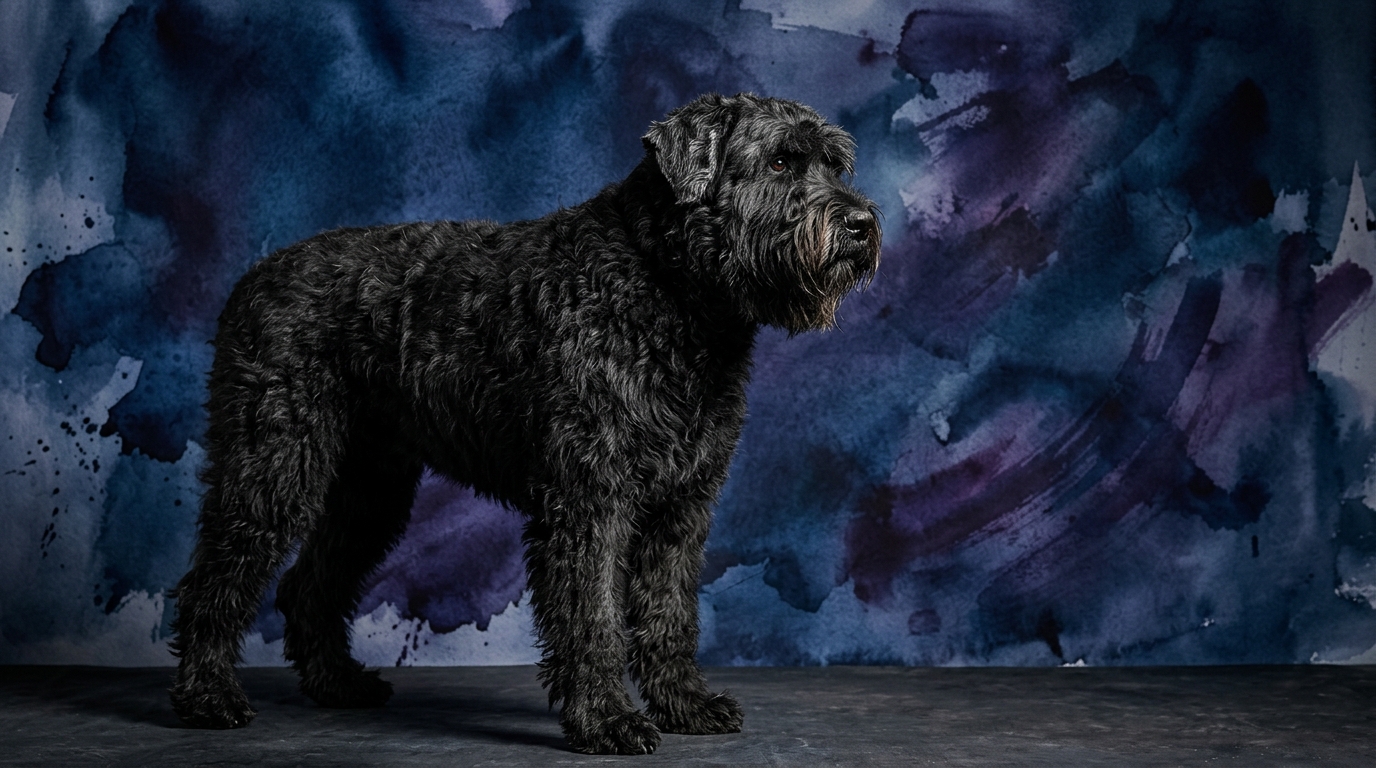
In contrast, the Bouvier des Flandres presents a distinct cognitive makeup. Their Problem Solving (3/5) suggests a capable but more methodical approach to new situations, often relying on learned patterns rather than spontaneous invention. Training Speed (3/5) means they absorb information steadily, benefiting from consistent repetition and clear instruction to solidify understanding, making them reliable once a lesson is ingrained. Social Intelligence (3/5) indicates a discerning connection with their core family unit, often expressed through watchful observation rather than overt displays, and a reserved approach to strangers. Instinctive Drive (3/5) reflects a focused herding aptitude, a persistent but not overwhelming urge for purposeful activity specifically tied to their historical role. Memory (3/5) denotes a solid recall for established routines and commands, though perhaps less capacity for intricate, multi-step sequences or abstract retention compared to a Rottweiler, favoring practical, repeated information.
Where the Rottweiler Wins Cognitively
The Rottweiler's cognitive strengths are most pronounced in their superior problem-solving capacity and expansive memory. With a 5/5 in Problem Solving, they demonstrate an exceptional ability to analyze situations, devise effective solutions, and adapt their strategies on the fly, making them adept at tasks requiring independent thought and quick decision-making. This translates into a dog that can figure out how to open gates, navigate complex obstacle courses, or even anticipate a handler's next move during training exercises. Their 5/5 Memory score means they retain intricate sequences of commands, past experiences, and environmental details with remarkable clarity, allowing them to build upon prior learning rapidly and perform complex, multi-stage tasks reliably. This combination of analytical prowess and robust retention makes them particularly suited for advanced obedience, protection work, search and rescue, and roles demanding quick, precise execution based on stored information. They grasp abstract concepts more readily, connecting cause and effect with an insightful understanding that accelerates their learning curve in novel situations and allows them to generalize learned behaviors to new contexts with greater ease.
Where the Bouvier des Flandres Wins Cognitively
While their IQ scores may be lower across the board, the Bouvier des Flandres possesses distinct cognitive advantages that align with their historical roles as robust farm and herding dogs. Their 3/5 in Problem Solving, combined with a 3/5 in Training Speed, suggests a mind that, while not as spontaneously inventive as a Rottweiler's, excels in steadfast, reliable application once a task is learned. They are less prone to impulsive decisions or attempting to "outsmart" their handler, preferring to follow established protocols with unwavering consistency. This methodical learning style cultivates deep-seated understanding and enduring reliability, making them exceptionally dependable in repetitive or routine-based work, such as guarding livestock or pulling carts. Their 3/5 Instinctive Drive is focused and persistent, channeling their energy into dedicated herding or guarding tasks without the broad, intense, and sometimes overwhelming drive seen in some working breeds. This translates to a more manageable intensity for specific roles, where their resilience and endurance become cognitive assets. This specific cognitive makeup means they are less likely to become bored or destructive if given consistent, purposeful work that aligns with their inherent drive, favoring diligence and unwavering commitment over dazzling speed or complex strategizing.
Which is Easier to Train and Why
Based on their cognitive profiles, the Rottweiler is generally perceived as easier to train in terms of speed and the complexity of tasks they can master. Their 4/5 Training Speed means they absorb new commands and concepts quickly, often requiring fewer repetitions to achieve understanding. Coupled with their 5/5 Problem Solving and Memory, they can grasp multi-step commands and apply learned principles to new variations with remarkable efficiency. This allows for rapid progression through advanced obedience, specialized skills, and complex working roles, often making them a favorite for competitive dog sports or professional service work due to their quick uptake and retention. Their strong Instinctive Drive (5/5) also means they possess an inherent desire to work and please a strong leader, which can be a significant motivator in training.
In contrast, the Bouvier des Flandres, with a 3/5 Training Speed, requires a more patient, consistent, and repetitive approach. While they are certainly capable of learning a wide array of commands and excelling in many disciplines, the process takes longer, and trainers must be prepared to reinforce lessons thoroughly to ensure solid retention. The Bouvier's learning style is more about building a deep, ingrained understanding through methodical practice rather than quick inference, meaning their training journey is often slower but ultimately yields a highly reliable companion once the lessons are solidified. Their more reserved social intelligence (3/5) might also mean they are less overtly eager to please strangers, requiring a strong bond with their primary handler to truly shine in training.
Which Suits Active Owners vs. Relaxed Owners
Both breeds necessitate active owners, but the nature of that activity differs significantly. The Rottweiler, with its 5/5 Instinctive Drive and 5/5 Problem Solving, thrives with owners who can provide consistent mental and physical challenges. They require vigorous daily exercise, engaging training sessions that continually stretch their cognitive abilities, and a clear, confident leader to channel their powerful drives. Owners seeking a partner for advanced obedience, protection sports, or demanding work where the dog is a true collaborator in complex tasks will find the Rottweiler's intense engagement and desire to work a perfect match. Their cognitive makeup means they need more than just physical exertion; they need to use their minds actively to prevent boredom and potential behavioral issues.
Conversely, the Bouvier des Flandres also requires a committed, active owner, but their needs lean towards purposeful, consistent activity rather than constant high-intensity challenge. Their 3/5 Instinctive Drive for herding means they benefit from structured walks, opportunities for "work" such as carting, tracking, or agility, and consistent routines. While they appreciate outdoor activity, their energy is often more sustained and less explosive than a Rottweiler's, making them suitable for owners who enjoy long, steady walks, farm work, or a companion for structured outdoor adventures. They appreciate a discerning companion who isn't always seeking the next complex puzzle but thrives on established routines and a consistent partnership. Neither breed is suited for a truly "relaxed" owner who prefers minimal interaction, exercise, or mental engagement, as both will develop undesirable behaviors without appropriate stimulation and guidance.
The Verdict
Opt for a Rottweiler if you are an experienced owner seeking a highly capable, driven working partner for complex tasks, advanced training, and a strong protective instinct, valuing rapid learning and insightful problem-solving.
Select a Bouvier des Flandres if you appreciate a steadfast, methodical learner with a focused drive for purposeful activity, valuing loyalty, resilience, and a reserved nature, and are prepared for a consistent, patient training approach.
🧠 Find Your Pet's IQ Score
Our Pet IQ Lab assessment covers 25+ tests across 5 cognitive dimensions — personalized to your breed.
Take the Full IQ Test →Frequently Asked Questions
Do Bouvier des Flandres need a lot of exercise?
Yes, Bouvier des Flandres require regular, purposeful exercise to satisfy their herding instincts and maintain their physical and mental well-being. This can include long walks, hiking, or engaging in dog sports like tracking or carting, ensuring their cognitive and physical needs are met.
Are Rottweilers good family dogs?
Rottweilers can be excellent family dogs when properly socialized, trained, and integrated into the household by experienced owners. Their strong protective instincts and loyalty make them devoted companions, but they require consistent guidance and clear boundaries to thrive within a family setting.
How do their social intelligence scores impact their interactions?
A Rottweiler's 4/5 social intelligence means they are often more attuned to human emotions and cues, fostering a highly responsive partnership and easily reading family dynamics. A Bouvier's 3/5 social intelligence suggests a more reserved and discerning nature, forming deep bonds with their immediate family but often remaining aloof or wary with strangers.