
Side-by-Side IQ Profile
The Cosmic Pet Pet IQ Lab employs a five-dimensional framework to map canine cognition, offering a granular view beyond general perceptions. For the Rottweiler, a Working group dog ranked #9 by Coren, its profile speaks volumes about its capacity for complex engagement. Its Problem Solving is rated 5/5, indicating an exceptional ability to analyze situations, devise strategies, and overcome obstacles, whether in protection work or intricate obedience. Training Speed, at 4/5, suggests a rapid assimilation of commands and routines, though their strong will requires a consistent handler. Social Intelligence, also 4/5, reflects their nuanced understanding of human intentions and social dynamics, allowing for deep bonds and discerning interactions. An Instinctive Drive of 5/5 underscores their powerful genetic inclination towards guarding, herding, and purposeful work, needing outlets for this inherent energy. Finally, Memory, at a perfect 5/5, signifies an enduring recall for learned behaviors, specific people, and environmental details, making them reliable partners.
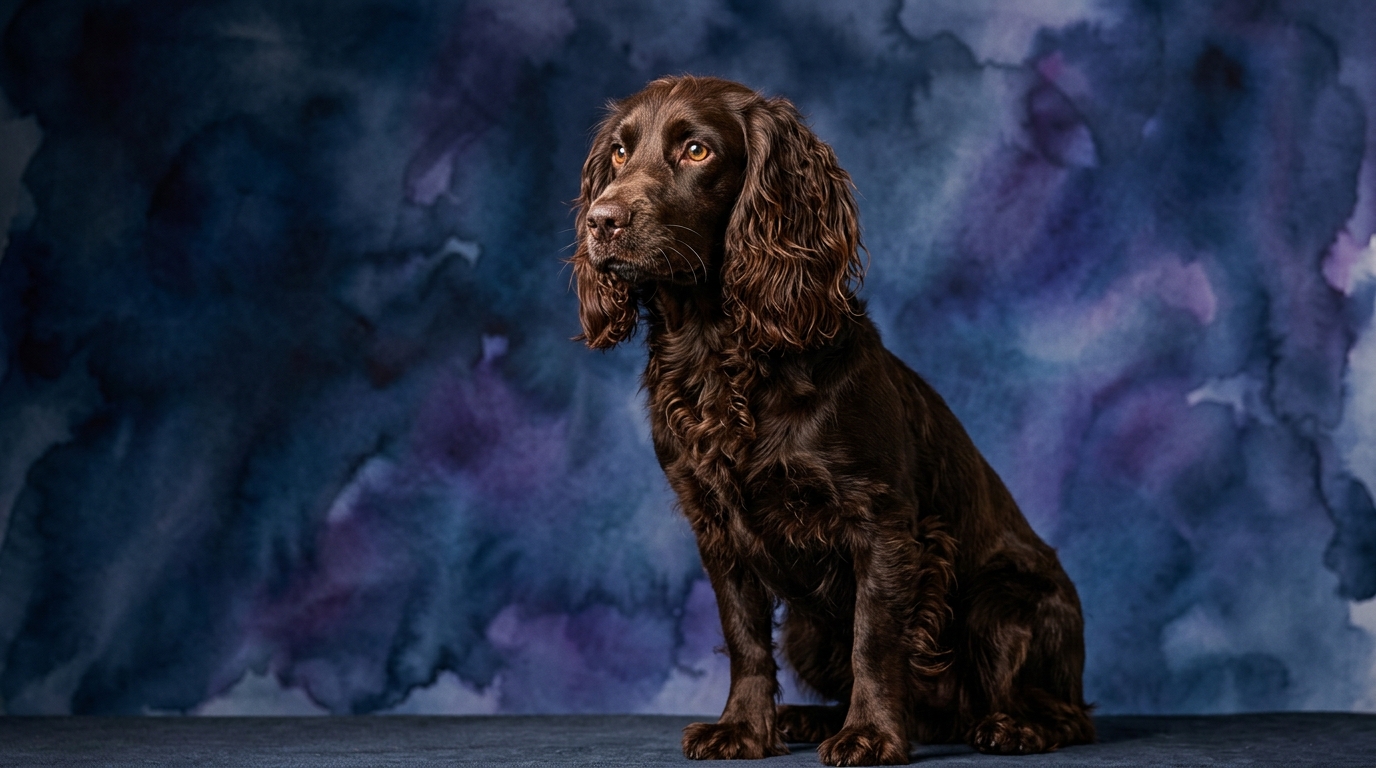
In contrast, the Boykin Spaniel, a Sporting group dog not specifically ranked by Coren, exhibits a profile honed for a different purpose: the field. Its Problem Solving is rated 3/5, meaning they are adept at practical, task-oriented challenges like flushing game or navigating terrain, but perhaps less inclined towards abstract or multi-step conceptual problems. Training Speed, at 3/5, indicates a responsive but not always lightning-fast learner; they absorb commands effectively, particularly when motivated by retrieving or praise, but may benefit from more repetition. Social Intelligence, also 3/5, points to an amiable disposition and a good understanding of their immediate family, though potentially less perceptive of subtle human emotional states or stranger intentions compared to the Rottweiler. Their Instinctive Drive, at 3/5, is specifically geared towards retrieving and working cooperatively in a hunting context, showing enthusiasm for specific tasks rather than broad protective or herding impulses. Memory, also 3/5, is sufficient for retaining hunting commands and routines over time, but might not encompass the same breadth of detailed environmental and social recall as seen in the Rottweiler. These scores highlight a functional, task-specific intelligence for the Boykin Spaniel versus the Rottweiler’s broad, adaptable cognitive power.
Where Rottweiler Wins Cognitively
The Rottweiler's cognitive prowess truly shines in areas demanding strategic thinking and robust retention. Their 5/5 Problem Solving score means they excel at tasks requiring more than simple recall; they can assess novel situations, make independent judgments, and implement multi-step solutions. This is evident in their historical roles needing them to manage livestock or deter threats with calculated precision. Their perfect 5/5 Memory score further amplifies this, allowing them to not only learn complex sequences of commands quickly but also to retain them with remarkable longevity, making them consistently reliable in intricate work. Furthermore, their superior Social Intelligence (4/5) and intense Instinctive Drive (5/5) combine to create a dog that deeply understands its human handler's expectations and has a powerful, intrinsic motivation to fulfill a protective or working role. This blend fosters a nuanced partnership where the Rottweiler anticipates needs and responds with purpose, often appearing to 'think ahead' in their duties.
Where Boykin Spaniel Wins Cognitively
While the Rottweiler excels in broad cognitive complexity, the Boykin Spaniel's intelligence is finely tuned for its specialized sporting role, offering distinct advantages within that context. Their 3/5 Problem Solving, while lower, is highly effective for practical, on-the-spot decisions required in the field, such as navigating dense cover to retrieve a bird or adapting to changing scent conditions. Their strength lies not in abstract strategy but in efficient, goal-directed action within their domain. The Boykin's enthusiastic Instinctive Drive (3/5), specifically for retrieving and working closely with a hunter, means they possess an unwavering focus and stamina for their primary task. This singular drive can make them exceptionally effective and cooperative partners in field sports, where a less complex, more direct cognitive approach is often beneficial. Their agreeable nature, stemming from their social intelligence, makes them less prone to questioning commands or asserting dominance, which can be a cognitive 'win' for owners seeking a consistently cooperative and eager companion for specific activities.
Which is Easier to Train and Why
Determining which breed is 'easier' to train depends significantly on the handler's experience and the desired outcomes. The Rottweiler, with a Training Speed of 4/5 and Memory of 5/5, grasps commands quickly and retains them for a long time. However, their formidable Instinctive Drive (5/5) and strong-willed nature mean that while they learn rapidly, they demand a confident, consistent leader who can channel their inherent purposefulness. Training a Rottweiler is less about teaching them what to do and more about ensuring they choose to comply and understand their role within the family structure. Without clear leadership, their problem-solving ability can lead them to make independent decisions that may not align with owner expectations.
The Boykin Spaniel, with a Training Speed and Memory of 3/5, might require more repetition to solidify commands. However, their generally more eager-to-please temperament and less intense instinctive drive (3/5) can make them more forgiving for a novice trainer. They are typically less inclined to challenge authority and are highly motivated by positive reinforcement, especially when it involves retrieving. While a Boykin may take longer to master a complex routine, their enthusiasm and desire for cooperation can make the training process feel more straightforward and less demanding of an assertive leadership style than with a Rottweiler. For an owner seeking a diligent companion for specific tasks like retrieving, the Boykin's focused drive makes them exceptionally trainable within that niche.
Which Suits Active Owners vs Relaxed Owners
The Rottweiler is unequivocally suited for active owners who can provide substantial mental and physical engagement. Their 5/5 Instinctive Drive means they thrive when given a purpose, whether it's advanced obedience, protection sports, or consistent, challenging exercise. A Rottweiler needs more than just a walk around the block; they require structured activities that engage their formidable problem-solving skills and allow them to utilize their physical strength and protective instincts in appropriate ways. Owners who are prepared for consistent training, mental stimulation, and a leadership role will find a rewarding partnership.
The Boykin Spaniel, while possessing a 3/5 Instinctive Drive, is still a Sporting breed and requires regular, vigorous exercise, particularly activities that mimic their retrieving heritage. They are well-suited for active owners who enjoy outdoor pursuits like hiking, hunting, or long games of fetch. However, their needs are generally less intense in terms of complex mental work or assertive handling compared to the Rottweiler. After sufficient exercise, a Boykin is typically content to relax indoors, making them adaptable for active families who also appreciate downtime. They might suit an owner who is active but perhaps less experienced in handling a dog with a very strong, broad working drive.
The Verdict
Choose a Rottweiler if you are an experienced, active owner prepared to provide consistent, firm leadership, extensive mental stimulation, and a clear purpose for a dog with profound problem-solving abilities and a powerful protective drive.
Choose a Boykin Spaniel if you are an active owner seeking an eager, cooperative companion for outdoor activities, particularly retrieving, and appreciate a more straightforward, amiable temperament without the intense demands of a high-drive working dog.
🧠 Find Your Pet's IQ Score
Our Pet IQ Lab assessment covers 25+ tests across 5 cognitive dimensions — personalized to your breed.
Take the Full IQ Test →Frequently Asked Questions
Do Rottweilers require more mental stimulation than Boykin Spaniels?
Yes, Rottweilers typically require significantly more complex mental stimulation. Their 5/5 problem-solving and memory demand engaging tasks, advanced obedience, and consistent challenges to prevent boredom and channel their formidable cognitive abilities constructively. Boykin Spaniels need mental engagement, but it's often centered around their sporting instincts rather than broad strategic thinking.
How do their social intelligence scores impact family life?
A Rottweiler's 4/5 social intelligence means they form deep bonds and are highly discerning, often protective of their family and wary of strangers, requiring careful socialization. A Boykin Spaniel's 3/5 social intelligence indicates an amiable nature, typically good with family and less discerning with new acquaintances, making them generally more universally friendly after proper introduction.
Can a Boykin Spaniel be trained for protection work like a Rottweiler?
While any dog can learn basic alerts, a Boykin Spaniel's 3/5 instinctive drive and problem-solving are not geared for protection work in the same way as a Rottweiler's 5/5 drive and strategic thinking. Rottweilers possess inherent traits for guarding and discernment, making them naturally more suitable and effective for such specialized roles.