Side-by-Side Cognitive Profiles
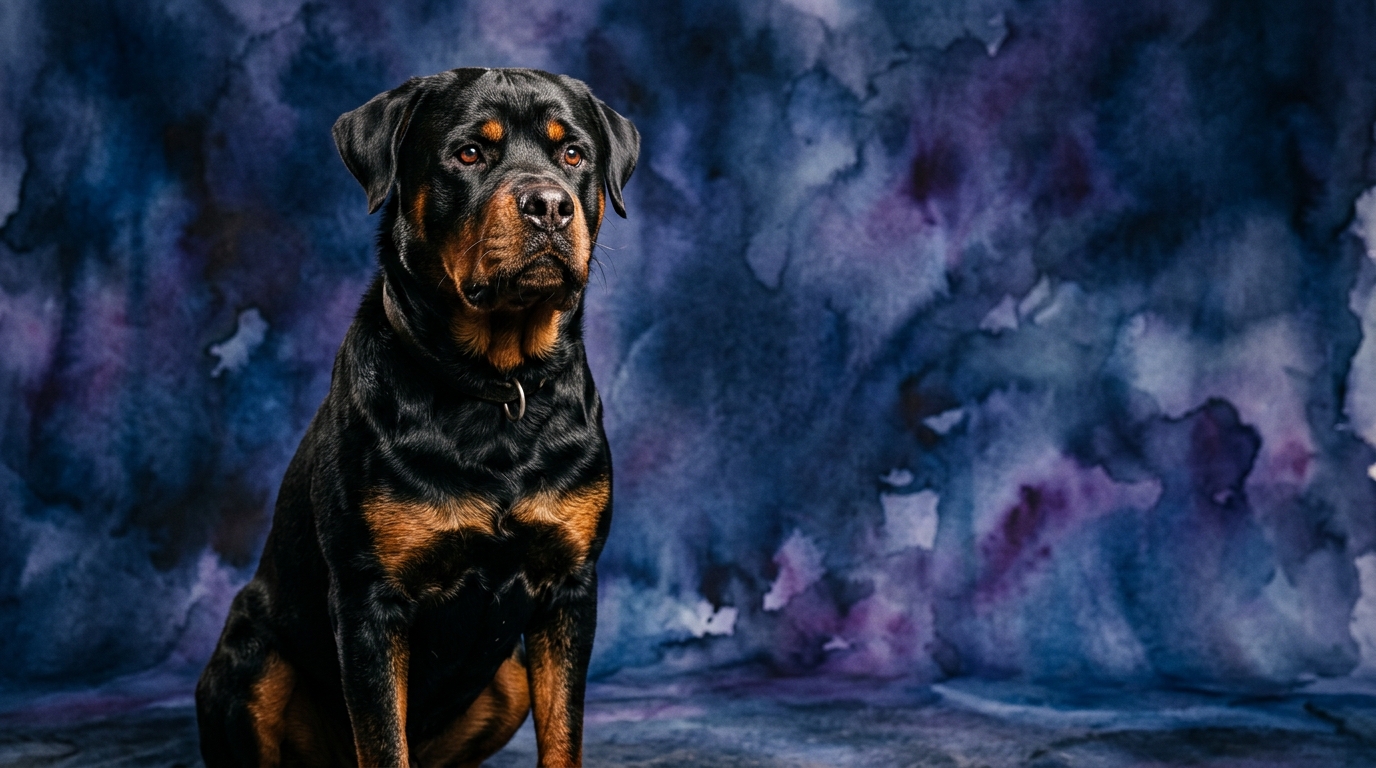
In the realm of canine cognition, the Rottweiler and Bullmastiff present fascinating contrasts, each shaped by their historical roles and inherent mental architecture. The Cosmic Pet Pet IQ Lab's framework allows us to dissect their intellectual strengths across five key dimensions. The Rottweiler, a formidable working breed, stands at Coren Rank #9, signifying a breed that typically masters new commands in fewer than five repetitions and obeys them with over 95% reliability. This high rank is underpinned by exceptional scores across its cognitive profile. Its Problem Solving is rated 5/5, indicating an outstanding capacity to independently assess and navigate complex situations, often devising novel solutions to environmental challenges. Training Speed for the Rottweiler is 4/5, reflecting a quick grasp of new concepts and routines, requiring minimal repetition for mastery. Their Social Intelligence scores 4/5, demonstrating a keen perception of human cues, emotions, and social structures, allowing for strong, nuanced bonds. An Instinctive Drive of 5/5 highlights a powerful, inherent motivation for purpose and activity, including strong guarding instincts and a persistent focus on tasks. Finally, their Memory is 5/5, showcasing remarkable long-term retention of learned behaviors and experiences, contributing to their consistent reliability.
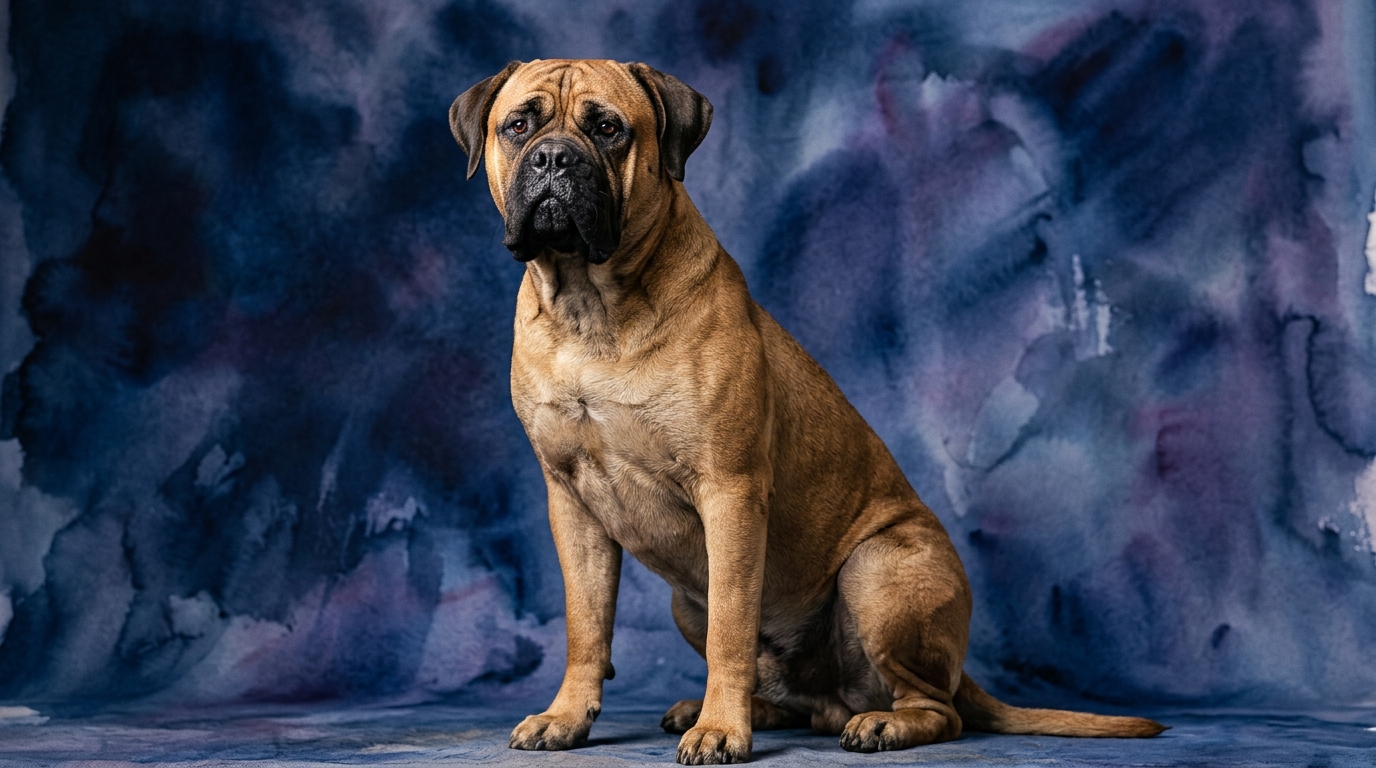
The Bullmastiff, while also a robust working dog, occupies a different cognitive space, reflected in its Coren Rank #69. Breeds in this category typically require 25 to 40 repetitions to learn a new command and obey it around 50% of the time. This places them in a group that learns at a more measured pace. The Bullmastiff's Problem Solving is 3/5, suggesting a more deliberate approach to challenges; they learn solutions but may require more guidance and time to adapt to new cognitive puzzles independently. Their Training Speed is 3/5, meaning they require consistent, patient repetition to solidify new commands, with focus sometimes being intermittent. Social Intelligence for the Bullmastiff is 3/5; they are perceptive within their established family unit but may be less attuned to subtle social cues from strangers or in dynamic, complex social environments. An Instinctive Drive of 3/5 points to a moderate inherent motivation for intense activity or constant 'work'; their historical role emphasized calm, watchful guardianship. Lastly, their Memory is 3/5, indicating that while they retain information, consistent reinforcement is key to maintaining learned behaviors over time, with recall potentially being less instantaneous than breeds with higher scores.
Where the Rottweiler Excels Cognitively
The Rottweiler's cognitive profile showcases several specific areas of clear superiority. Their 5/5 Problem Solving means they are adept at independent thought, often figuring out intricate mechanisms or devising strategies to overcome obstacles without direct human intervention. For instance, a Rottweiler might quickly learn to unlatch a complicated gate or retrieve a hidden object using a multi-step process. This exceptional capacity for independent reasoning is strongly supported by their 5/5 Memory, ensuring that once a solution or a complex command sequence is learned, it is retained with remarkable consistency. Unlike some breeds that might forget a task after a period of inactivity, a Rottweiler’s memory ensures reliability. Furthermore, their 5/5 Instinctive Drive fuels a persistent engagement with tasks, allowing them to remain focused and motivated on a goal, even when faced with initial difficulties. This combination makes them particularly well-suited for roles requiring sustained mental effort and reliable execution, where a lesser drive or memory might lead to disengagement.
Distinct Cognitive Strengths of the Bullmastiff
While the Bullmastiff's individual cognitive scores might appear lower than the Rottweiler's, their particular blend of traits creates a distinct cognitive advantage in specific contexts, fostering a unique mental equilibrium. Their moderate problem-solving (3/5) and training speed (3/5) translate into a dog less inclined to independently seek out constant mental puzzles or create their own 'jobs' if not provided. This cognitive pace fosters a more placid and less demanding presence in the home, often content with simply observing their environment rather than needing to actively manipulate it. Their social intelligence (3/5), while not as acutely perceptive as a Rottweiler's, promotes a discerning loyalty, making them deeply bonded with their immediate family without the potential for over-exuberance or the need to 'work' a room. This steady, predictable mental landscape means a Bullmastiff, once settled and trained, offers a remarkable sense of calm and a stable temperament that less cognitively intense breeds can provide, making them exceptional companions for those who value quiet devotion over perpetual mental gymnastics.
Training Dynamics: Rottweiler vs. Bullmastiff
When considering ease of training, the Rottweiler generally presents a more straightforward path due to its superior cognitive scores. Their Training Speed of 4/5 means they grasp new commands quickly, often requiring fewer repetitions to achieve mastery. Coupled with their 5/5 Problem Solving, they tend to generalize learned behaviors to new situations efficiently. Their 5/5 Memory ensures that once a command is learned, it is retained effectively, leading to consistent performance. This breed's high Instinctive Drive (5/5) means they often enjoy having a 'job' and respond enthusiastically to task-oriented training, thriving on purpose and engagement. However, this same independent problem-solving and drive can be channeled into unwanted behaviors if not properly directed. A bored or under-stimulated Rottweiler might 'problem-solve' how to open cabinets or test boundaries, requiring an owner who can consistently provide clear direction and mental challenges.
The Bullmastiff, with its 3/5 Training Speed and 3/5 Problem Solving, requires a different approach to training—one built on patience, consistency, and positive reinforcement. They need more repetitions to solidify new commands and may not generalize concepts as quickly as a Rottweiler. Their moderate Instinctive Drive (3/5) means they might not be as inherently motivated by 'work' for its own sake, necessitating creative, high-value rewards to maintain engagement and focus. Training sessions should be kept shorter and more engaging to accommodate their attention span. Their slower cognitive pace means concepts need to be broken down into smaller, manageable steps. While they might take longer to learn, once a behavior is ingrained, a Bullmastiff's steady temperament ensures reliable adherence, provided consistent reinforcement continues. Owners must be prepared for a marathon, not a sprint, in their training journey with a Bullmastiff.
Matching Breeds to Lifestyles: Active vs. Relaxed Owners
The distinct cognitive profiles of the Rottweiler and Bullmastiff strongly dictate which breed aligns better with an active versus a more relaxed owner lifestyle. For active owners, the Rottweiler is often an ideal match. Their 5/5 Instinctive Drive and 5/5 Problem Solving demand consistent mental and physical engagement. These dogs thrive with owners who can provide structured training, participate in dog sports like obedience, agility, or protection work, and offer daily activities that genuinely challenge their perceptive minds. An under-stimulated Rottweiler can quickly become bored, channeling their considerable cognitive abilities and drive into less desirable behaviors such as excessive chewing, barking, or testing boundaries. They require an owner who enjoys being an active participant in their dog's mental and physical development, viewing it as an ongoing commitment.
Conversely, the Bullmastiff is generally a better fit for relaxed owners. Their 3/5 Instinctive Drive and more moderate problem-solving capacity mean they are often content with a calmer, less demanding lifestyle. While they still require regular exercise and mental stimulation to prevent boredom and maintain health, it doesn't need to be as intense or constant as a Rottweiler's. A Bullmastiff is often happy with a good daily walk, some interactive play sessions, and a comfortable spot to observe their surroundings, making them a suitable companion for owners who prefer a steady, less demanding presence. Their cognitive profile allows them to settle into a relaxed home environment with less pressure for constant high-octane engagement, valuing comfort and companionship over perpetual activity.
The Verdict
Choose a Rottweiler if you are an experienced, active owner ready to channel a powerful, perceptive intellect into structured training and engaging activities. They thrive with consistent mental challenges and a clear sense of purpose.
Opt for a Bullmastiff if you seek a steadfast, calm companion that appreciates a more relaxed pace and deep, selective family bonds. They suit patient owners who value a steady presence over constant high-octane engagement.
🧠 Find Your Pet's IQ Score
Our Pet IQ Lab assessment covers 25+ tests across 5 cognitive dimensions — personalized to your breed.
Take the Full IQ Test →Frequently Asked Questions
Is a Rottweiler harder to manage due to its cognitive abilities?
A Rottweiler's high problem-solving and drive mean they require consistent, clear guidance and mental stimulation. Without it, they might apply their cognitive abilities to self-entertaining behaviors that can be challenging for inexperienced owners to redirect.
Do Bullmastiffs require less mental exercise?
Bullmastiffs have a moderate instinctive drive, meaning they don't demand the same intensity of mental challenges as a Rottweiler. They still benefit from regular, engaging activities, but are often content with a calmer routine once their basic needs are met.
Which breed is better for a first-time dog owner?
Neither breed is typically recommended for absolute first-time owners without significant prior research and commitment. However, the Bullmastiff's generally calmer demeanor and lower overall drive might be marginally less demanding than the Rottweiler's intense cognitive needs for someone new to dog ownership.