
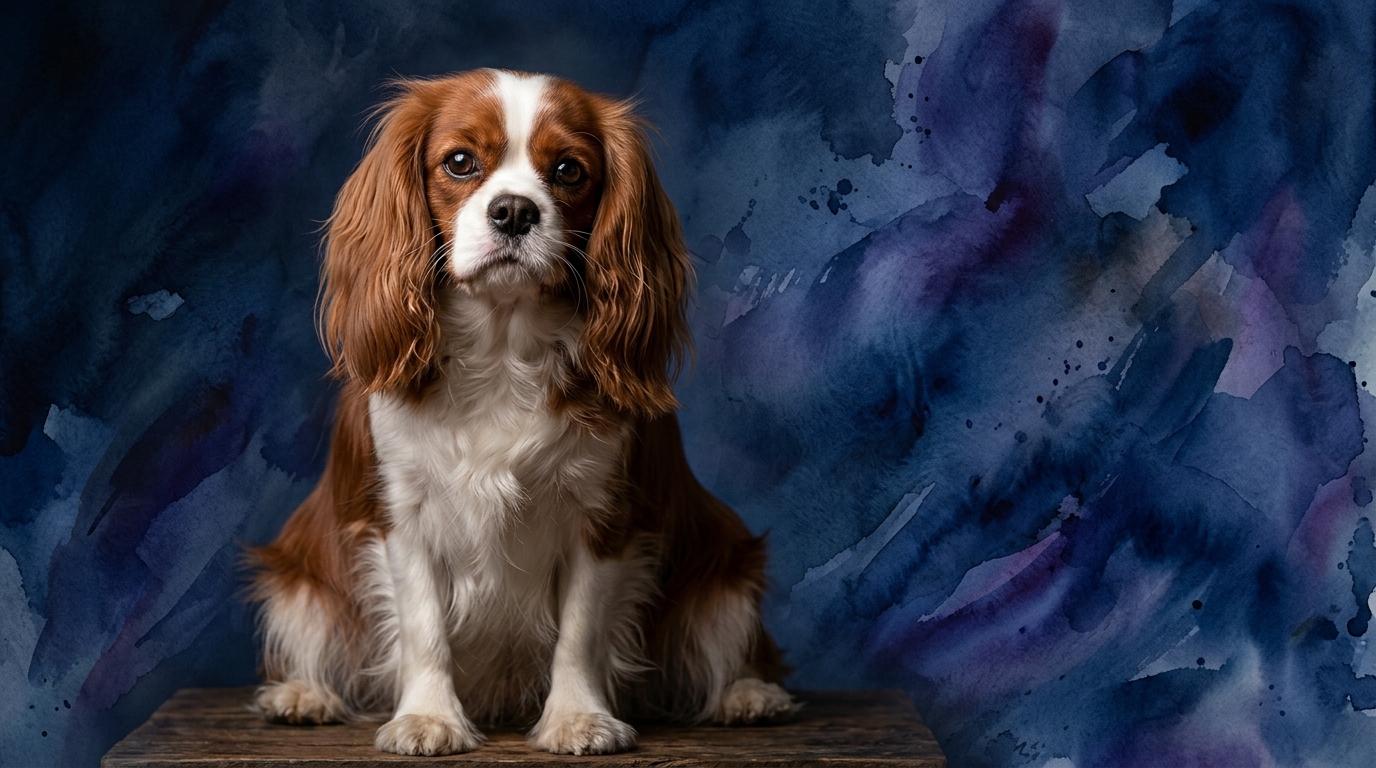
Side-by-Side IQ Profile: Rottweiler vs. Cavalier
**The Rottweiler: A Working Mind (Coren Rank #9)** The Rottweiler exhibits exceptional capacity to analyze complex situations, devise strategies, and overcome obstacles (Problem Solving 5/5). This cognitive strength reflects their historical roles in herding, guarding, and protection, where independent decision-making and ingenuity were crucial. They demonstrate a rapid assimilation of new commands and routines, often requiring fewer repetitions (Training Speed 4/5), though their independent streak can test a handler's consistency. Rottweilers are adept at understanding human cues and intentions, forming deep, loyal bonds with their family (Social Intelligence 4/5), but can be reserved with strangers. A powerful innate urge for guarding, protecting, and working defines their cognitive landscape (Instinctive Drive 5/5), manifesting as a strong desire for purpose and activity. Their recall for learned tasks, routines, and experiences is remarkable, remembering both positive and negative associations with precision (Memory 5/5).
**The Cavalier King Charles Spaniel: A Social Heart (Coren Rank #44)** Cavaliers are capable of basic problem-solving, such as navigating familiar home environments or engaging with simple puzzle toys, but are generally less inclined towards complex strategic thought (Problem Solving 3/5). This breed learns at a moderate pace, responding well to positive reinforcement and consistency (Training Speed 3/5), though they can be easily distracted by their environment or strong desire for affection. The Cavalier boasts an outstanding ability to connect with humans and other animals, displaying profound empathy and actively seeking harmonious interactions (Social Intelligence 5/5). While possessing a gentle, historical hunting instinct for flushing small game, the Cavalier is primarily driven by companionship, comfort, and social connection rather than intense working urges (Instinctive Drive 3/5). Cavaliers have good recall for routines, familiar faces, and positive associations, but their memory for intricate sequences or less salient events might be less robust compared to breeds with higher working demands (Memory 3/5).
Where the Rottweiler Wins Cognitively
Rottweilers demonstrate a superior aptitude for analytical thinking and strategic planning, a direct reflection of their 5/5 score in problem-solving. This means they are more likely to independently figure out how to open a complex latch, retrieve a hidden object from an intricate setup, or navigate a novel obstacle course without constant human direction. Their cognitive strength lies in their ability to process information, assess situations, and devise effective solutions proactively, stemming from their heritage as dogs needing to make critical decisions in dynamic, often challenging, working environments.
Their profound instinctive drive, rated at 5/5, also provides a significant cognitive edge in tasks requiring sustained focus and purpose. This isn't merely about physical energy; it's a mental tenacity and intrinsic motivation to complete a 'job,' whether it's guarding property, tracking scents, or learning intricate obedience routines. This deep-seated drive translates into a cognitive readiness for challenging mental engagement, allowing them to persevere where other breeds might lose interest, making them formidable partners in demanding roles.
Furthermore, their exceptional memory (5/5) ensures Rottweilers retain learned information, commands, and experiences with remarkable clarity and duration. This allows for rapid accumulation of complex skills and a deep understanding of their environment and social hierarchy, enabling them to execute multi-step commands and recall specific past events with impressive accuracy. This robust memory underpins their capacity for advanced training and long-term behavioral consistency, making them reliable partners in complex scenarios.
Where the Cavalier King Charles Spaniel Wins Cognitively
The Cavalier King Charles Spaniel truly shines in the realm of social intelligence, earning a perfect 5/5 score that sets them apart. This isn't merely about being friendly; it's a deep cognitive capacity to understand human emotions, intentions, and subtle social cues with remarkable precision. Cavaliers are masters at reading a room, sensing when their human companion needs quiet comfort, or adapting their behavior to different social situations with innate grace and empathy.
Their ability to form incredibly strong, empathetic bonds is a profound testament to this cognitive strength. They often anticipate their owner's moods and react accordingly, offering quiet solace during distress or playful engagement during moments of joy. This profound social acumen makes them exceptionally attuned companions, capable of nuanced emotional communication that surpasses many breeds, fostering a symbiotic relationship built on mutual understanding.
While many breeds might excel at task-oriented problem-solving or independent work, the Cavalier excels at connection, navigating the intricate landscape of human-canine relationships with unparalleled sensitivity and devotion. This cognitive specialization in social dynamics makes them extraordinarily well-suited for roles as therapy dogs, emotional support animals, or simply as deeply cherished and understanding family members who prioritize harmony and affection above all else.
Which is Easier to Train and Why
The ease of training for Rottweilers and Cavalier King Charles Spaniels differs significantly, rooted in their distinct cognitive profiles and behavioral tendencies. Rottweilers, with their 4/5 training speed and 5/5 problem-solving, often grasp new commands quickly and can generalize them to various contexts. Their strong instinctive drive means they respond exceptionally well to task-oriented training and thrive when given a clear 'job' to do, such as obedience, protection, or agility. However, their independent nature and powerful will mean that consistency, firm but fair leadership, and early, thorough socialization are absolutely critical to channel their cognitive strengths effectively and prevent potential unwanted behaviors stemming from unchallenged intellect or a lack of clear direction.
Cavalier King Charles Spaniels, with a 3/5 training speed, learn at a more moderate pace. They are highly motivated by positive reinforcement, especially praise, affection, and gentle encouragement, due to their profound social intelligence and eagerness to please. Cavaliers are generally less likely to challenge authority than a Rottweiler, making them typically more compliant and agreeable in training sessions. However, their lower instinctive drive and moderate problem-solving mean they might require more repetitions and patience to solidify complex behaviors, and their strong desire for companionship can sometimes manifest as distraction if they feel ignored or if the training isn't engaging enough to hold their attention against the appeal of human interaction.
Which Suits Active Owners vs. Relaxed Owners
Rottweilers are unequivocally better suited for active owners who are prepared to meet their substantial physical and mental demands. Their 5/5 instinctive drive and high problem-solving capacity mandate a structured outlet for their formidable energy. Owners who enjoy long daily walks, jogging, hiking, or engaging in demanding dog sports like obedience, protection work, or agility will find a Rottweiler an immensely fulfilling and capable partner. Their cognitive needs require consistent mental stimulation through advanced training, complex puzzle toys, and challenging activities to prevent boredom, which can otherwise lead to destructive behaviors or excessive guarding tendencies.
Cavalier King Charles Spaniels, on the other hand, are an ideal match for more relaxed owners seeking a gentle, devoted companion. While they certainly enjoy moderate daily walks and playful interactions, their lower instinctive drive (3/5) means they are content with less intense physical exertion and thrive on companionship within the home environment. Their exceptional social intelligence makes them superb cuddle partners and lap dogs, perfectly happy to spend their days close to their human family, requiring less rigorous physical and mental engagement compared to the high-octane cognitive needs of the Rottweiler. They are content with being deeply involved in their family's daily, less strenuous routines.
The Verdict
Choose a Rottweiler if you are an experienced, active owner seeking a powerful, protective companion eager for a 'job' and capable of complex learning and independent problem-solving.
Opt for a Cavalier King Charles Spaniel if you desire a gentle, profoundly affectionate, and socially attuned companion who thrives on close human connection and a more relaxed lifestyle.
🧠 Find Your Pet's IQ Score
Our Pet IQ Lab assessment covers 25+ tests across 5 cognitive dimensions — personalized to your breed.
Take the Full IQ Test →Frequently Asked Questions
Do Rottweilers require extensive training due to their cognitive abilities?
Yes, Rottweilers benefit greatly from consistent, structured training from a young age to channel their high problem-solving and instinctive drives. This helps them learn appropriate behaviors and utilize their cognitive strengths constructively, preventing potential issues stemming from boredom or unchallenged intellect.
Are Cavalier King Charles Spaniels difficult to train because of their lower problem-solving score?
Not necessarily difficult, but they may require more patience and positive reinforcement. Their strong social intelligence makes them eager to please, but their moderate problem-solving means complex tasks might take longer to master compared to breeds with higher cognitive drive.
How does social intelligence impact daily life with these breeds?
A Cavalier's high social intelligence makes them highly empathetic and attuned to human emotions, fostering profound companion bonds. A Rottweiler's robust social intelligence (4/5) means they understand human cues well, but their focus is often on their immediate family, making them more reserved with strangers and excellent protectors.