
Side-by-Side IQ Profile
The Cosmic Pet Pet IQ Lab's metrics offer a detailed look into the cognitive architecture of these two distinct breeds. The Rottweiler, a Working breed, scores exceptionally high in Problem Solving (5/5), demonstrating a profound capacity for analytical thought and strategic action. Its Training Speed (4/5) is robust, indicating quick learning, while its Social Intelligence (4/5) highlights a discerning nature and deep relational capacity. A perfect 5/5 in Instinctive Drive underscores its powerful inherent working abilities, complemented by an outstanding Memory (5/5) for long-term retention.
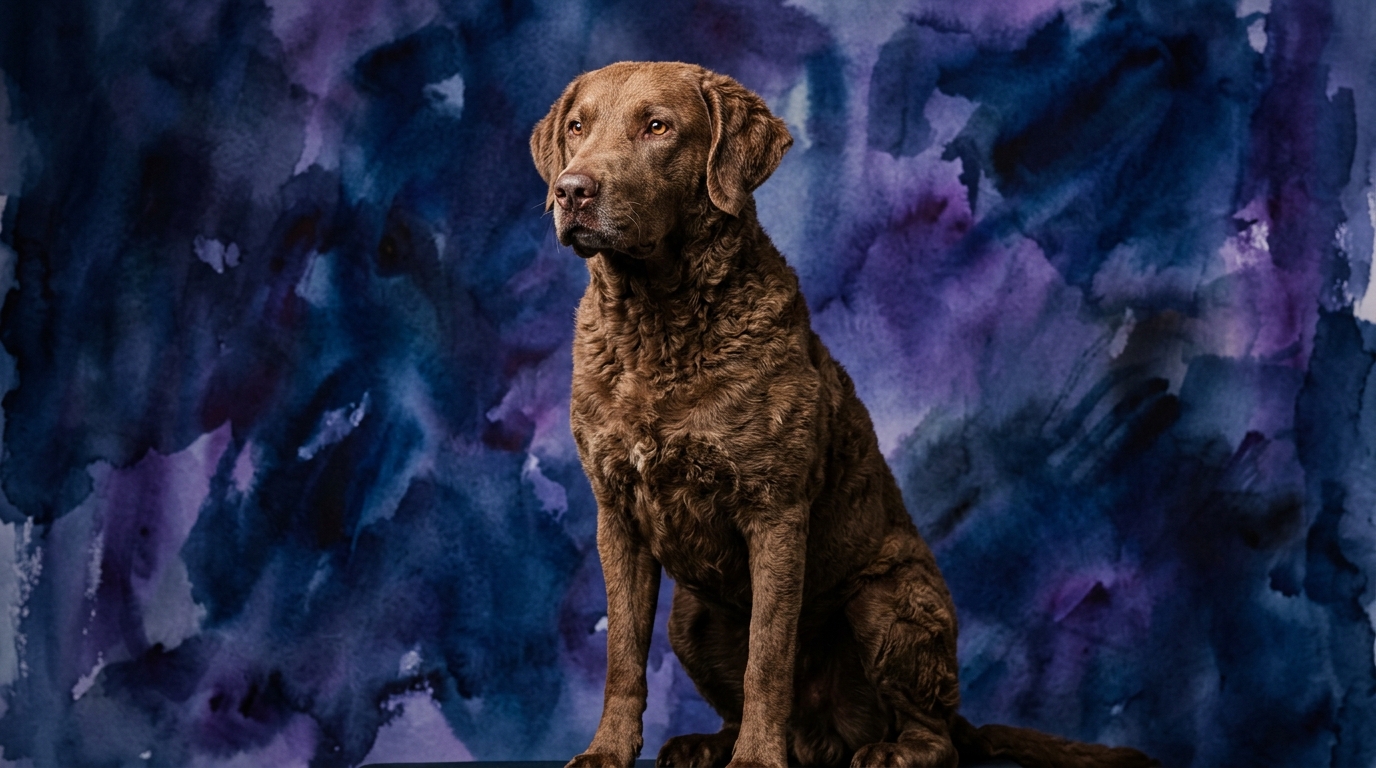
In contrast, the Sporting Chesapeake Bay Retriever presents a profile geared towards practical application and independence. It scores well in Problem Solving (4/5), focusing on tangible solutions to environmental challenges. Its Training Speed (4/5) matches the Rottweiler, but its approach to learning often requires a different motivational strategy. Social Intelligence (3/5) suggests a more reserved and selective nature, preferring close bonds with a few over broad gregariousness. Its Instinctive Drive (3/5) is potent yet specialized, primarily focusing on retrieval tasks, and its Memory (4/5) serves its functional purpose effectively.
Where Rottweiler Wins Cognitively
The Rottweiler's cognitive superiority shines through its perfect scores in Problem Solving, Instinctive Drive, and Memory, offering a multifaceted mental advantage. Their 5/5 Problem Solving isn't just about figuring things out, but about strategic planning and adapting to novel situations with a clear objective, whether it's navigating a complex obedience course or understanding intricate family routines. This breed consistently demonstrates an ability to analyze circumstances and formulate effective responses, often anticipating outcomes. Their 5/5 Instinctive Drive manifests as a powerful, inherent motivation for purposeful work, encompassing guardianship, protection, and a strong sense of territory, all underpinned by an innate ability to assess and respond to perceived threats or duties. Furthermore, the Rottweiler's 5/5 Memory is exceptional, allowing for the deep and enduring retention of commands, experiences, and social cues, enabling them to build upon past lessons and relationships over their lifetime with remarkable recall. This comprehensive cognitive package makes the Rottweiler adept at complex roles requiring both intellect and unwavering loyalty.
Where Chesapeake Bay Retriever Wins Cognitively
While the Chesapeake Bay Retriever's overall scores might appear lower, its cognitive strengths are specifically tailored for its demanding sporting role, creating distinct advantages in particular domains. Its 4/5 Problem Solving is highly practical and persistent, excelling in real-world scenarios where physical resilience meets mental determination, such as methodically locating a downed bird in dense cover or navigating treacherous icy waters. This isn't abstract problem-solving, but rather task-oriented ingenuity driven by their strong retrieve drive. The Chessie's 3/5 Social Intelligence, while indicating a more reserved demeanor, translates into a self-reliant and independent nature; they are not constantly seeking approval but are confident in their own decision-making, which is crucial for working alone in challenging environments. This independence allows them to focus intensely on a task without distraction, demonstrating a singular purpose. Their 3/5 Instinctive Drive, though lower than the Rottweiler's broad working drive, is intensely focused on retrieving, endowing them with unparalleled endurance, grit, and an unwavering commitment to their primary function, making them peerless in their specialized field.
Which is Easier to Train and Why
Both the Rottweiler and the Chesapeake Bay Retriever score 4/5 in Training Speed, indicating they are quick to learn, yet the nuances of their cognitive profiles dictate different training approaches and perceived ease. The Rottweiler, with its higher Social Intelligence (4/5) and profound Memory (5/5), often exhibits a strong desire to please its chosen leader, making them highly responsive to positive reinforcement and consistent guidance. Their exceptional problem-solving abilities mean they grasp complex commands and sequences rapidly, but their high instinctive drive also means they require a clear "job" and firm, consistent boundaries; without direction, their mental prowess can lead to self-directed (and potentially undesirable) activities.
The Chesapeake Bay Retriever, while equally quick to learn, presents a different challenge due to its more independent nature (Social Intelligence 3/5) and specialized instinctive drives. They can be perceived as "stubborn" if a task doesn't align with their intrinsic motivations or if the training lacks purpose from their perspective. Training a Chessie often requires more creativity, patience, and a deep understanding of what motivates them – typically, engaging their retrieving drive and allowing them to problem-solve within a structured framework. While both breeds learn quickly, the Rottweiler often appears "easier" due to its eagerness to collaborate, whereas the Chessie demands a trainer who can inspire rather than simply instruct, leveraging its strong practical intellect and resilience.
Which Suits Active Owners vs Relaxed Owners
Neither the Rottweiler nor the Chesapeake Bay Retriever are suitable companions for relaxed owners; both breeds demand significant engagement and activity, though their preferred outlets differ. The Rottweiler, with its 5/5 Instinctive Drive and 5/5 Problem Solving, requires consistent mental stimulation and physical exercise to channel its powerful working lineage. They thrive on structured activities like advanced obedience, protection sports, agility, or even search and rescue, needing an owner who can provide consistent leadership and a clear purpose. A sedentary lifestyle will quickly lead to boredom and potentially destructive behaviors for a Rottweiler.
The Chesapeake Bay Retriever, while also needing vigorous exercise, often prefers more independent, outdoor-focused pursuits. Their specialized instinctive drive and resilient nature make them ideal partners for hiking, hunting, swimming, and extended retrieves, often in challenging environments. While they benefit from training, their activity doesn't always need the same level of structured 'work' as a Rottweiler, but rather ample opportunities to engage their sporting instincts. Both breeds absolutely require active owners dedicated to fulfilling their breed-specific needs, but the Rottweiler leans towards structured engagement, while the Chessie excels with rugged, purpose-driven outdoor adventures.
The Verdict
Choose a Rottweiler if you are an experienced owner seeking a highly engaged, protective companion who thrives on structure, advanced obedience, and a clear, purposeful role within the family unit, and are prepared to provide consistent mental and physical challenges.
Opt for a Chesapeake Bay Retriever if you value independence, resilience, and a dedicated partner for rugged outdoor adventures, particularly water sports, and appreciate a dog with a strong, self-directed purpose that you can channel through active, task-oriented pursuits.
🧠 Find Your Pet's IQ Score
Our Pet IQ Lab assessment covers 25+ tests across 5 cognitive dimensions — personalized to your breed.
Take the Full IQ Test →Frequently Asked Questions
Are Rottweilers good family dogs?
Yes, with proper socialization and training from a young age, Rottweilers can be deeply loyal and protective family members, forming strong, discerning bonds with their chosen humans. Their social intelligence allows them to be affectionate and attentive within their inner circle, while remaining watchful of strangers.
Do Chesapeake Bay Retrievers shed a lot?
Yes, Chessies possess a dense, oily double coat specifically designed for insulation in cold water, which results in moderate, year-round shedding that increases significantly during seasonal coat blows. Regular brushing is essential to manage loose hair and maintain coat health.
What exercise needs do these breeds have?
Both breeds require substantial daily exercise to maintain their physical and mental well-being. Rottweilers thrive on structured activities like advanced obedience, protection work, and long walks, needing mental engagement alongside physical exertion. Chesapeake Bay Retrievers benefit from vigorous outdoor activities such as swimming, retrieving games, and long hikes, which satisfy their strong sporting instincts.