Side-by-Side Cognitive Profiles
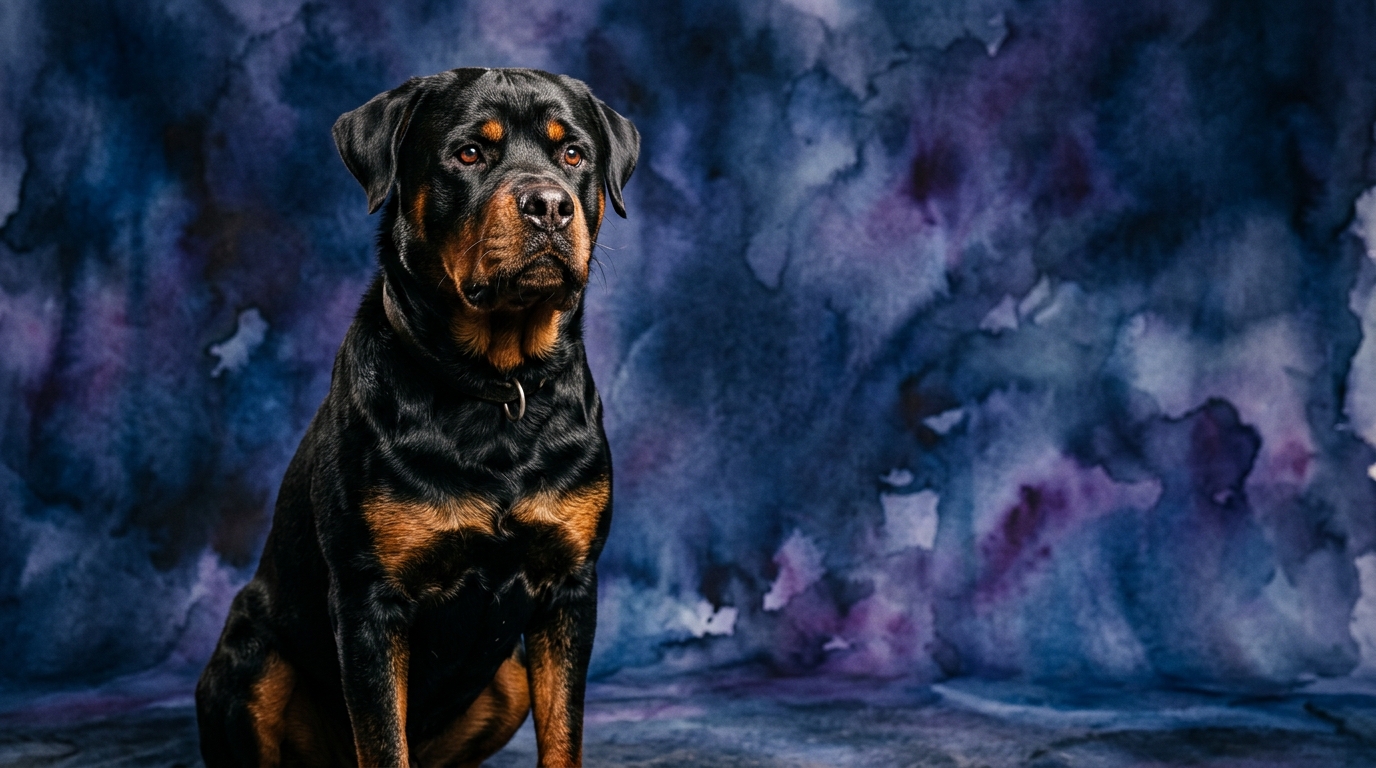
The Cosmic Pet Pet IQ Lab provides a unique lens through which to compare canine cognitive abilities, breaking down intelligence into five key dimensions. For the Rottweiler, ranked #9 by Coren, its profile is marked by exceptional mental prowess: Problem Solving 5/5, Training Speed 4/5, Social Intelligence 4/5, Instinctive Drive 5/5, and Memory 5/5. This paints a picture of a dog that not only grasps complex concepts quickly but also retains them, driven by a strong internal motivation.
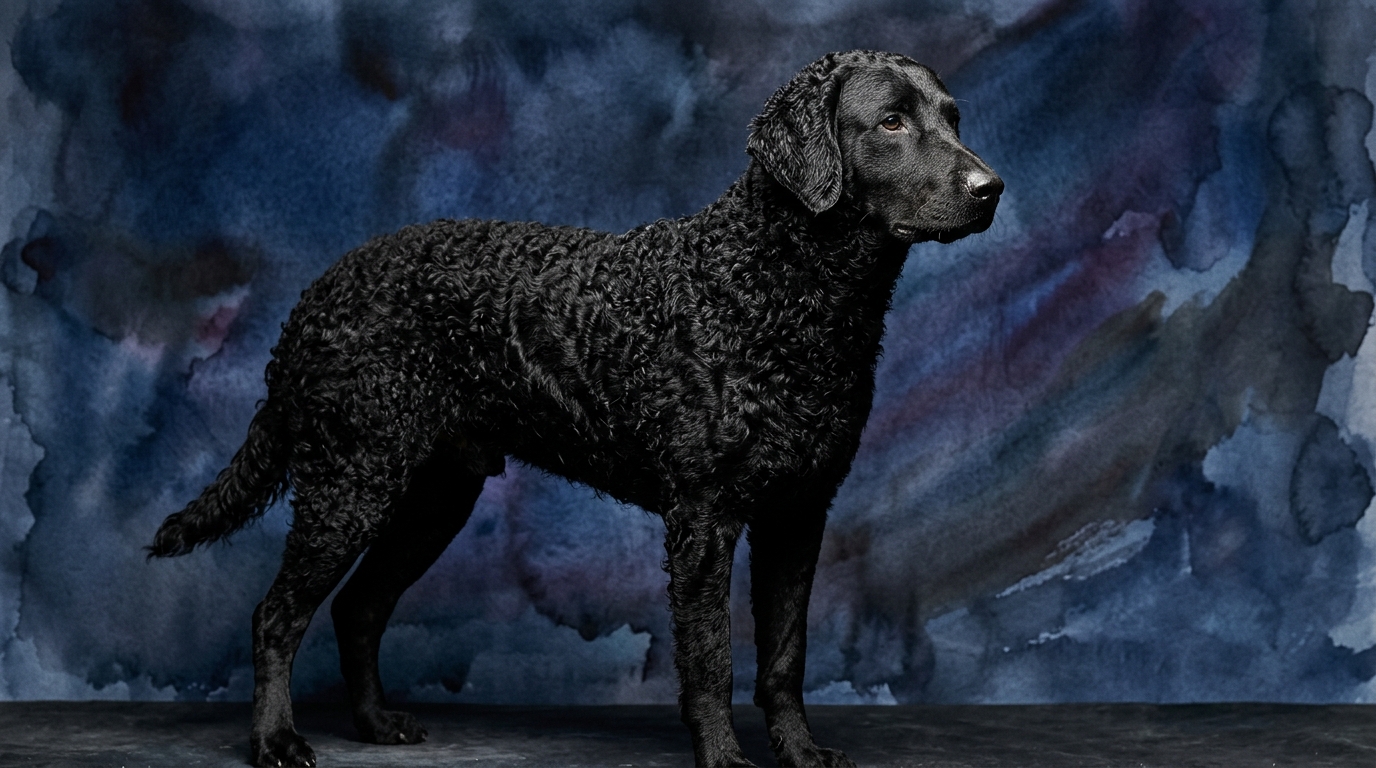
In contrast, the Curly-Coated Retriever, holding Coren rank #41, presents a different cognitive blueprint. Its scores include Problem Solving 3/5, Training Speed 3/5, Social Intelligence 3/5, Instinctive Drive 3/5, and Memory 4/5. While still capable, these scores indicate a dog that might approach new challenges with a more measured pace, require more repetition in training, and possess a less intense, though still present, working drive. The Memory score of 4/5 for the Curly suggests a good capacity for recall, standing out as a relative strength within its profile.
Where the Rottweiler Excels Cognitively
The Rottweiler's cognitive strengths are evident across multiple dimensions, making it a formidable mental athlete. Its 5/5 score in Problem Solving means these dogs are adept at navigating complex scenarios, figuring out how to open challenging crates, or understanding multi-step tasks to achieve a goal. This isn't just about simple cause-and-effect; it's about synthesizing information and strategizing, a trait invaluable in roles requiring independent decision-making.
With an Instinctive Drive of 5/5, the Rottweiler possesses an internal motor that fuels its desire for purpose and activity. This high drive, combined with 5/5 Memory, means they are not only keen to learn but also retain vast amounts of information, from command sequences to routines and even subtle environmental cues. Their 4/5 Training Speed allows them to absorb new commands rapidly, responding effectively to consistent instruction. Furthermore, a Social Intelligence of 4/5 means they are highly attuned to human body language and vocal tones, enabling them to form deep working partnerships and understand expectations, even if unspoken, within a structured environment. This combination of traits makes them particularly suited for demanding roles where precision, retention, and quick understanding are paramount.
Where the Curly-Coated Retriever Shines Cognitively
While the Curly-Coated Retriever's overall cognitive scores are generally lower than the Rottweiler's, its profile highlights a different set of strengths and suitability. Its 4/5 Memory score is a notable asset, indicating a strong capacity for retaining information, commands, and experiences, which is crucial for a retrieving breed. This means once a Curly learns something, it tends to stick, making consistent training efforts pay off over time, even if the initial learning speed is more moderate.
The Curly's 3/5 Instinctive Drive, while lower than the Rottweiler's, can be an advantage for owners seeking a companion less intensely driven to work every waking moment. This moderate drive allows them to be content with a balance of activity and relaxation, without the constant demand for a 'job' that a higher-drive breed might exhibit. Their 3/5 Problem Solving and Social Intelligence scores suggest a practical, straightforward approach to their environment and interactions. They can navigate challenges and engage with their human companions effectively, but perhaps with less overthinking or intense scrutiny of social dynamics, potentially making them less prone to anxiety in less structured social settings. This combination of traits points to a dog that is capable, adaptable, and less prone to the mental intensity that can sometimes accompany higher cognitive scores, making them a balanced choice for certain lifestyles.
Which Is Easier to Train and Why
Based on their Pet IQ Lab scores, the Rottweiler is demonstrably easier to train than the Curly-Coated Retriever. The Rottweiler's 4/5 Training Speed means it grasps new concepts and commands with fewer repetitions, often demonstrating understanding after just a few sessions. This swift uptake is bolstered by its 5/5 Memory, ensuring that once learned, commands are retained reliably. Rottweilers also possess a 5/5 Instinctive Drive, which translates into a strong desire for purpose and engagement, making them highly motivated students eager to participate in training exercises and satisfy their handler.
The Curly-Coated Retriever, with a 3/5 Training Speed, typically requires more patience and repetition to solidify new behaviors. While their 4/5 Memory is commendable, the initial learning phase might be slower. Their 3/5 Instinctive Drive suggests they may not possess the same inherent eagerness to work tirelessly; instead, they might have an independent streak that requires more creative and engaging training methods to maintain focus. For instance, a Rottweiler might diligently perform a complex obedience routine repeatedly, driven by its desire to work and please, whereas a Curly might become bored with repetition and require varied, fun-based approaches to stay engaged, reflecting its more independent and less intensely driven nature.
Suitability for Active vs. Relaxed Owners
For active owners, both breeds require substantial engagement, but the nature of that activity differs significantly. The Rottweiler, with its 5/5 Instinctive Drive and 5/5 Problem Solving, thrives with owners who can provide consistent mental and physical challenges. This includes advanced obedience, protection work, tracking, or competitive sports that demand precision and focus. An active owner for a Rottweiler is one who can dedicate significant time daily to structured training, exercise, and purposeful activities that tap into their deep cognitive abilities and strong desire to work. Without this outlet, a Rottweiler's unused mental and physical energy can manifest in undesirable behaviors.
The Curly-Coated Retriever, while a member of the Sporting group, has a more moderate 3/5 Instinctive Drive and 3/5 Problem Solving. This means they still need regular exercise and mental stimulation, but perhaps with less intensity or structured 'work' than a Rottweiler. An active owner for a Curly might enjoy long hikes, swimming, retrieving games, or less formal agility. They are adaptable companions for outdoor enthusiasts who appreciate a dog with an independent spirit and a good off-switch for indoor relaxation. While no dog is suited for a truly 'relaxed' owner who offers minimal engagement, the Curly might be slightly more forgiving of an occasional less structured day than the Rottweiler, whose cognitive engine is always running at a higher RPM.
The Verdict: When to Choose Each Breed
The Verdict
Choose a Rottweiler if you are an experienced owner seeking a highly trainable, purpose-driven companion for demanding roles, prepared to provide consistent, structured mental and physical challenges daily. Their exceptional problem-solving and memory excel in environments requiring sharp intellect and unwavering focus.
Opt for a Curly-Coated Retriever if you appreciate a capable, independent, and adaptable companion for an active lifestyle, but prefer a dog with a less intense cognitive drive and a more moderate approach to training and work. They thrive with owners who offer engaging activities without needing a constant 'job'.
🧠 Find Your Pet's IQ Score
Our Pet IQ Lab assessment covers 25+ tests across 5 cognitive dimensions — personalized to your breed.
Take the Full IQ Test →Frequently Asked Questions
Do Rottweilers require more mental stimulation than Curly-Coated Retrievers?
Yes, Rottweilers, with their 5/5 Problem Solving and Instinctive Drive, require significant and consistent mental stimulation to prevent boredom and undesirable behaviors. Curly-Coated Retrievers, at 3/5 in both, also need mental engagement but can be satisfied with less intense or structured 'work' daily.
Which breed is better for a first-time dog owner?
Neither breed is ideal for an entirely novice owner, but the Curly-Coated Retriever's more moderate drive and training speed might be slightly more manageable. The Rottweiler's powerful cognitive abilities and intense drive require an experienced hand to guide them effectively, making them less suitable for a first-timer.
How does memory impact the training of these two breeds?
The Rottweiler's 5/5 Memory contributes to its faster training speed and reliable retention of complex commands, making advanced training more efficient. The Curly-Coated Retriever's 4/5 Memory is still very good, meaning they will learn and retain, but might simply take more repetitions initially to solidify the information compared to a Rottweiler.