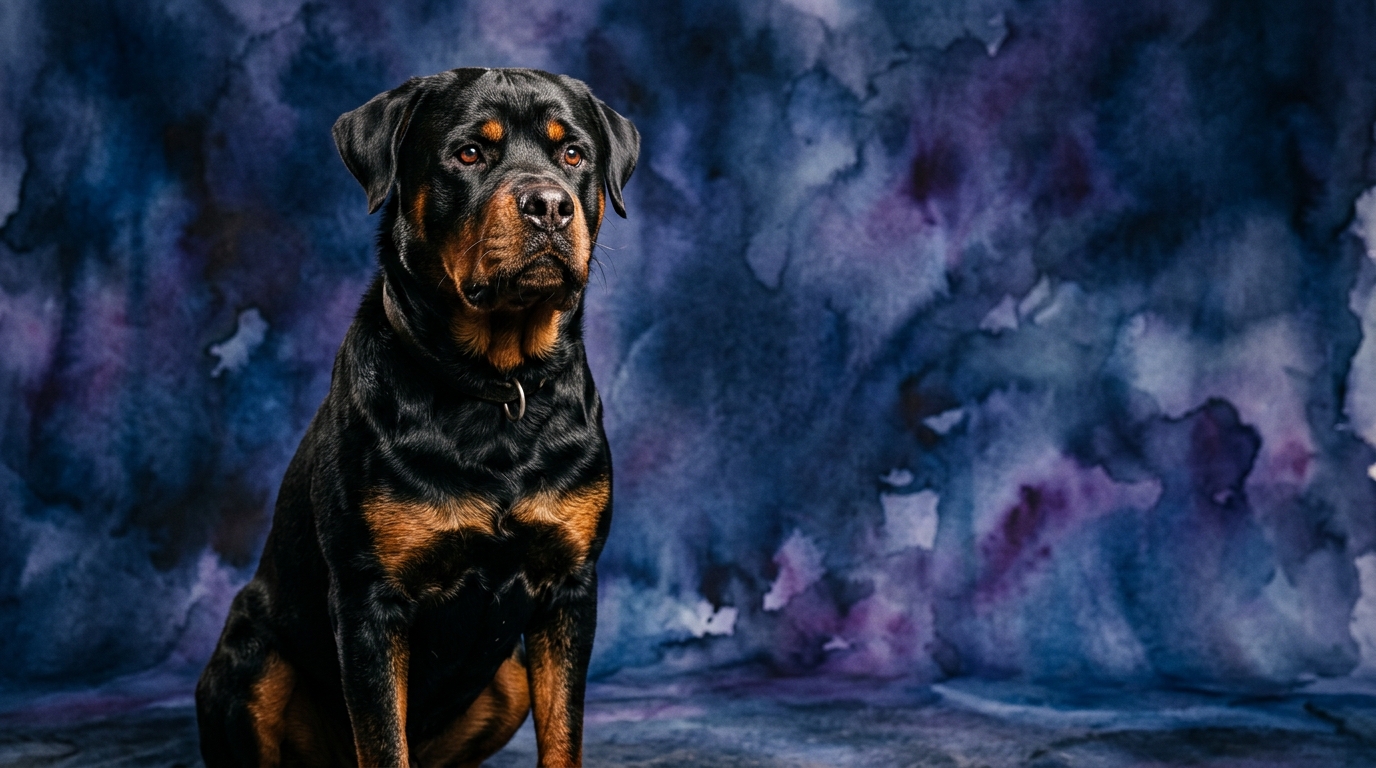
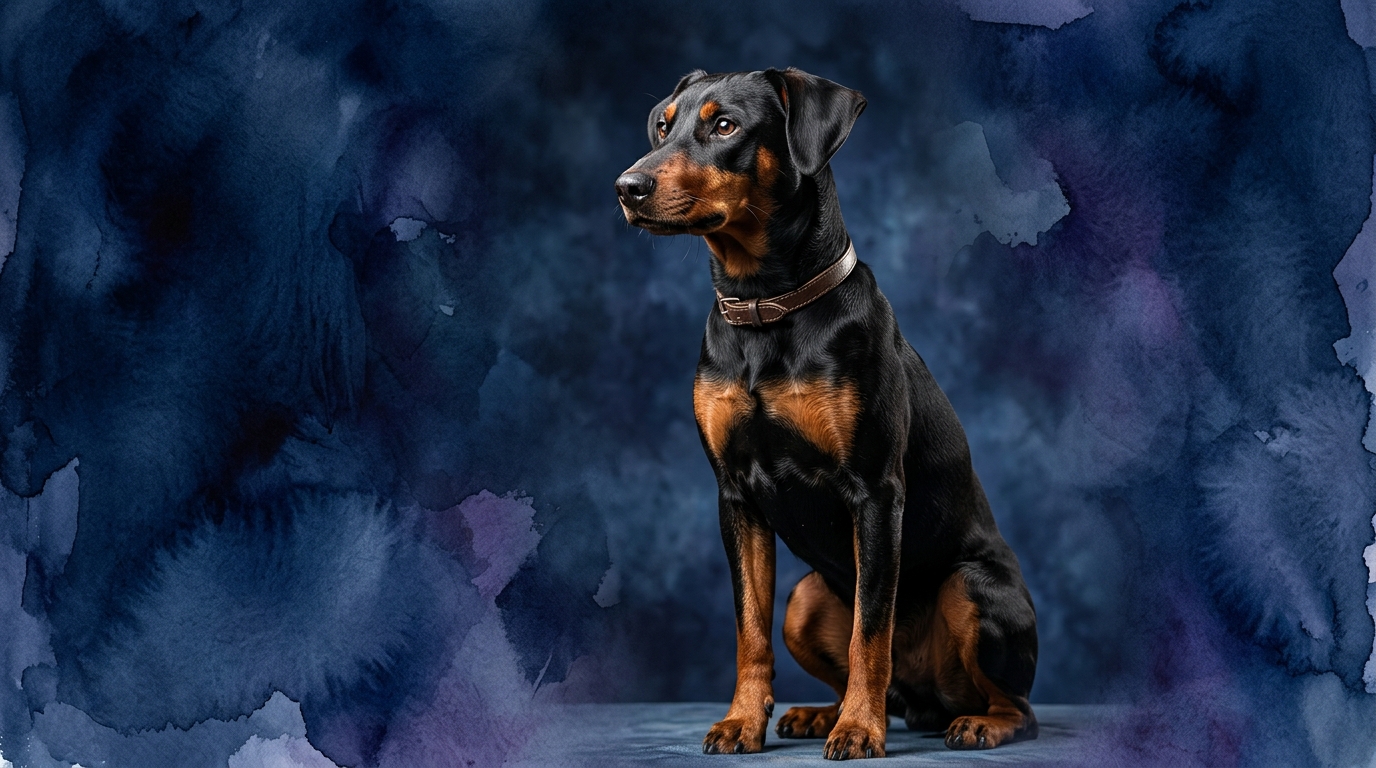
Side-by-Side IQ Profile: Rottweiler vs. German Pinscher
The Rottweiler presents a formidable cognitive profile, marked by exceptional problem-solving abilities (5/5). These dogs demonstrate a profound capacity to understand complex situations, analyze cause-and-effect, and independently devise solutions, moving beyond mere rote memorization. Their training speed is impressive (4/5), reflecting a quick grasp of new commands and routines with fewer repetitions required. This attentiveness and a strong desire to engage with their human partners facilitate rapid skill acquisition.
Social intelligence in Rottweilers scores a respectable 4/5, indicating a keen ability to interpret human cues, understand family dynamics, and form deep, discerning bonds. This contributes to their renowned protective instincts, where they accurately assess social situations and respond appropriately. Their instinctive drive is exceptionally high (5/5), manifesting as a deep-seated inclination for guarding, herding, and protection, which profoundly influences their decision-making and requires structured outlets. Memory is also a standout trait (5/5), with Rottweilers demonstrating outstanding retention of learned commands, past experiences, and associations, rarely forgetting a lesson or a face.
In contrast, the German Pinscher exhibits a more balanced and moderate cognitive profile. Their problem-solving ability is rated at 3/5, meaning they are capable of navigating practical challenges but may approach solutions through more direct trial-and-error or require more human guidance. Their training speed is also moderate (3/5), indicating they learn new commands at a steady pace, benefiting from consistent, engaging methods and a fair amount of repetition to solidify new behaviors. While trainable, they might not possess the same lightning-fast acquisition rate as some higher-scoring breeds.
Social intelligence for the German Pinscher stands at 3/5; they understand social dynamics and bond well with their families, but their interaction might be more independent or less intensely people-focused than a Rottweiler's. They are observant but process social cues with a somewhat reserved approach. Their instinctive drive is rated 3/5, reflecting a moderate prey drive and watchfulness typical of their heritage as ratters and farm dogs, but lacking the intense guarding or working drive seen in Rottweilers. Memory also scores 3/5, suggesting a functional recall for commands and routines, though perhaps less comprehensive or intricate retention of specific events compared to breeds with higher memory scores.
Where the Rottweiler Wins Cognitively
The Rottweiler’s cognitive strengths are particularly pronounced in areas demanding independent strategic thought, unwavering recall, and a profound sense of purpose. Their 5/5 problem-solving ability means they are not simply following commands but actively analyzing situations and making independent decisions, a trait invaluable in complex working roles such as protection, search and rescue, or service dog tasks. This capacity for deep cognitive processing allows them to adapt and innovate in real-time, far beyond simple learned responses.
Furthermore, their perfect 5/5 scores in instinctive drive and memory grant them a significant advantage. The intense instinctive drive translates into a powerful, intrinsic motivation to perform tasks, providing an enduring focus that can be channeled into specific jobs. Coupled with a flawless memory, Rottweilers rarely forget what they have learned or experienced, making them exceptionally reliable partners once training is established. Their social intelligence, at 4/5, allows them to discern intentions and form deep, protective bonds, ensuring their formidable cognitive power is often directed towards the welfare of their human family.
Where the German Pinscher Wins Cognitively
While the German Pinscher’s individual IQ scores are more moderate, their cognitive profile offers distinct advantages for owners seeking a balanced and engaging companion without the intensity of a Rottweiler. Their 3/5 instinctive drive, for example, means they possess sufficient natural alertness and prey drive for engagement and play, but without the overwhelming, deeply ingrained working mandates that require constant structured outlets. This makes them less prone to developing behavioral issues stemming from unfulfilled complex drives.
The German Pinscher's moderate problem-solving (3/5) and training speed (3/5) suggest a dog that is certainly trainable and capable of learning, yet less likely to 'outthink' or challenge an inexperienced owner with complex, self-devised strategies. This offers a more predictable and often more manageable learning curve, fostering a harmonious household dynamic. Their social intelligence (3/5) allows them to be adaptable and form strong bonds without the same level of intense scrutiny or protective obligation, fostering a more lighthearted companionship that thrives on consistent, positive interaction rather than a constant need for profound mental engagement.
Which is Easier to Train and Why?
Determining which breed is 'easier' to train depends heavily on the trainer's experience and the desired outcome. The Rottweiler, with its training speed of 4/5 and memory of 5/5, generally picks up new commands and complex sequences with remarkable quickness and retains them for life. Their inherent desire to work and please their handler, combined with their profound cognitive abilities, means they can achieve very high levels of obedience and specialized skills efficiently. However, this same intelligence and their 5/5 instinctive drive require a trainer who is consistent, firm, and capable of providing clear leadership, as an unchanneled Rottweiler might use their problem-solving skills to make their own, potentially undesirable, decisions.
The German Pinscher, with a training speed of 3/5, learns at a moderate pace. They respond well to consistent positive reinforcement and clear, repetitive instruction. Their spirited nature means that while they are willing to learn, maintaining their focus might require more engaging and varied training methods to prevent boredom or distraction. Unlike the Rottweiler, their lower instinctive drive and problem-solving capabilities mean they are less likely to independently challenge authority or devise complex ways to avoid tasks, making them potentially more straightforward for an owner new to dog training or someone seeking a less cognitively demanding partner. They excel with patience and consistency, thriving on routine and positive feedback.
Which Suits Active Owners vs. Relaxed Owners?
For the truly active owner who thrives on shared challenges and structured activities, the Rottweiler is an exceptional match. Their 5/5 instinctive drive and problem-solving abilities mean they require substantial mental and physical engagement. These dogs excel in roles demanding focus, strength, and independent thought, making them ideal companions for protection sports, advanced obedience, tracking, or even search and rescue. An owner who can consistently provide stimulating work and intellectual challenges will find a Rottweiler to be a profoundly dedicated and capable partner, always eager for a task and thriving on purpose.
The German Pinscher, while certainly an energetic and athletic breed, is better suited for an owner who is active but perhaps not seeking the intense, specialized 'work' a Rottweiler demands. Their moderate instinctive drive and cognitive demands mean they are content with regular vigorous walks, engaging play sessions, and participation in basic to intermediate dog sports like agility or rally. They adapt well to a family environment where their intelligence is engaged through daily interactions, fun training, and puzzle toys, rather than a constant need for demanding, high-stakes tasks. They can transition from an energetic outdoor session to a relaxed indoor companion with greater ease, fitting a lifestyle that values activity but also appreciates periods of calm companionship.
The Verdict
Opt for a Rottweiler if you are an experienced owner seeking a profoundly capable and dedicated partner for advanced training, protection work, or roles demanding independent thought and unwavering loyalty.
Select a German Pinscher if you desire a spirited, adaptable companion who thrives on consistent engagement and offers a more manageable cognitive profile for an active but less intensively demanding lifestyle.
🧠 Find Your Pet's IQ Score
Our Pet IQ Lab assessment covers 25+ tests across 5 cognitive dimensions — personalized to your breed.
Take the Full IQ Test →Frequently Asked Questions
Do Rottweilers require more mental stimulation than German Pinschers?
Yes, Rottweilers, with their 5/5 problem-solving and instinctive drive, generally demand significantly more structured mental challenges and purposeful activities to prevent boredom and channel their profound cognitive abilities effectively. German Pinschers benefit from mental engagement, but their needs are typically less intense and more easily satisfied with regular play and basic training.
Can a German Pinscher be trained for protection work like a Rottweiler?
While a German Pinscher possesses watchfulness (instinctive drive 3/5) and can be protective, their cognitive profile, particularly their lower instinctive drive and problem-solving compared to a Rottweiler (5/5 in both), means they are not inherently suited for the same level of complex, high-stakes protection work. Their capabilities lie more in alert barking and general guarding of the home.
Which breed is better for a first-time dog owner?
Generally, the German Pinscher might be a more manageable choice for a first-time owner due to its more moderate cognitive demands and instinctive drives (all 3/5). A Rottweiler, with its profound intelligence and strong drives, requires an experienced owner capable of consistent leadership and structured training to harness its full potential responsibly.