Side-by-Side Cognitive Profile: Rottweiler vs. Giant Schnauzer
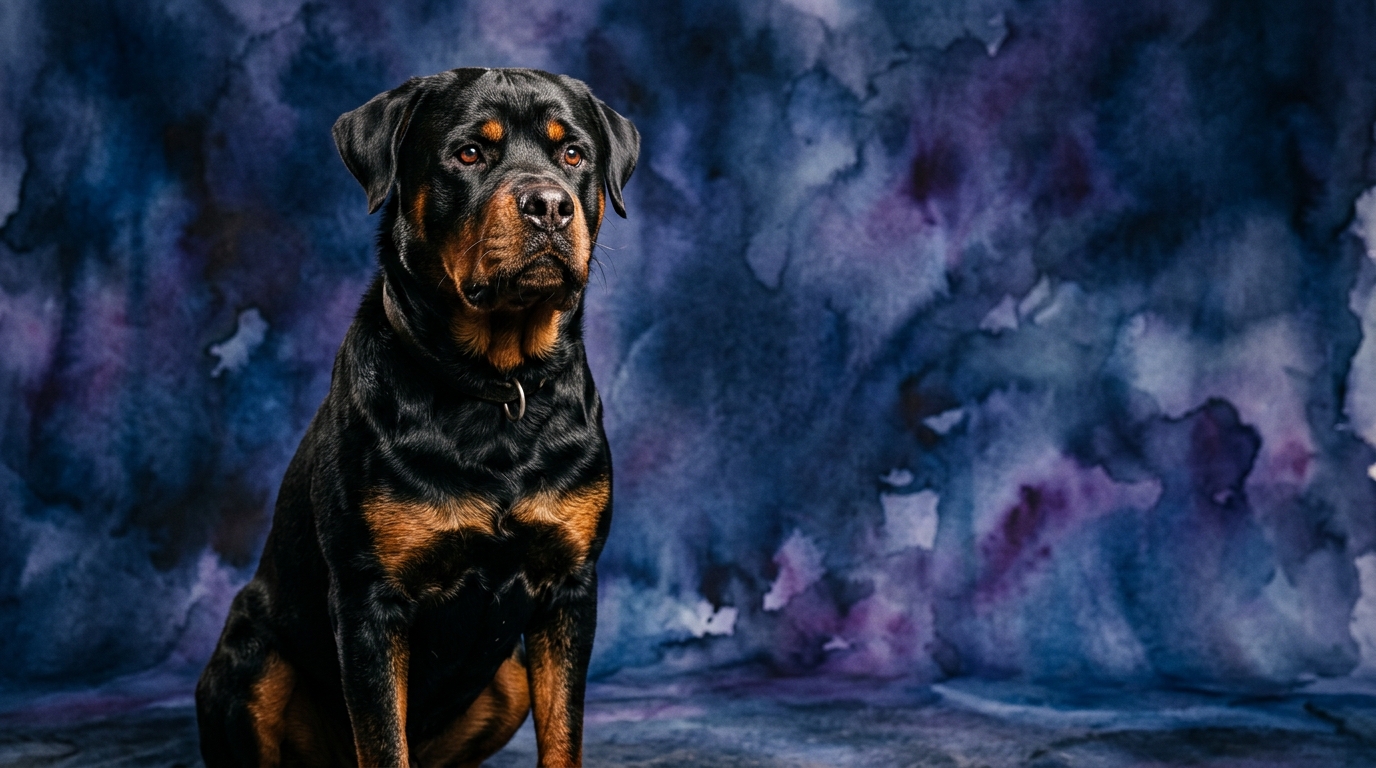
The Cosmic Pet Pet IQ Lab employs a multi-dimensional approach to assess canine cognition, moving beyond simple obedience rankings to capture a more complete picture of a breed's intellect. For the Rottweiler, ranked #9 by Coren, its profile is marked by exceptional cognitive depth. Its Problem Solving is rated a perfect 5/5, indicating an outstanding capacity for independent thought, strategic planning, and adapting to novel challenges without constant human direction. Training Speed stands at 4/5, suggesting a quick grasp of new commands and routines, though perhaps not the absolute fastest learner compared to some top-tier obedience breeds. Social Intelligence is rated 4/5, reflecting a strong understanding of human cues, social hierarchies, and the ability to form deep, nuanced bonds. Instinctive Drive, at 5/5, signifies a profoundly ingrained desire to work, protect, and engage in purpose-driven activities, a hallmark of its heritage. Finally, Memory is a robust 5/5, meaning Rottweilers excel at retaining complex sequences, learned behaviors, and spatial information over extended periods.
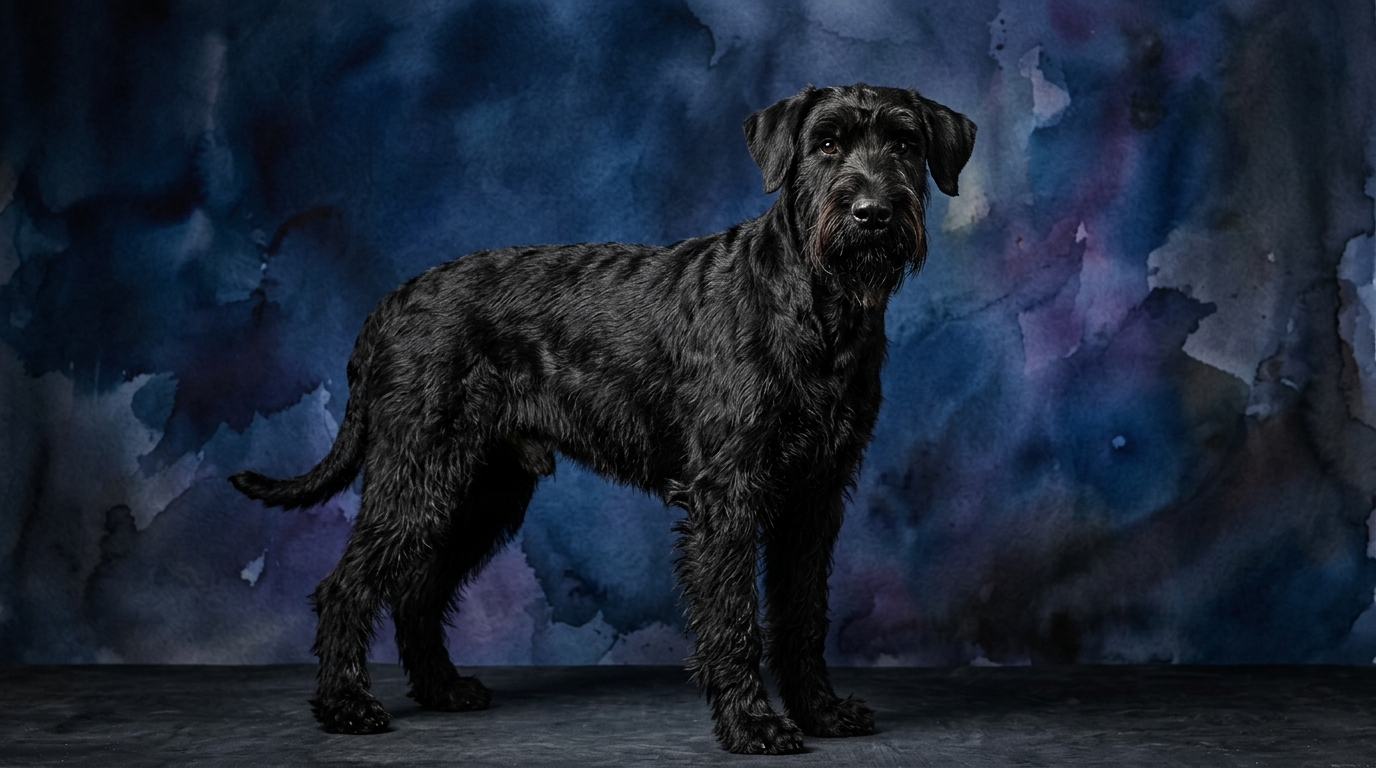
In contrast, the Giant Schnauzer, holding a Coren rank of #28, presents a distinct cognitive blueprint. Its Problem Solving is rated 4/5, demonstrating strong capabilities in navigating complex situations and finding solutions, though perhaps with a slightly less independent or innovative flair than the Rottweiler. Training Speed matches the Rottweiler at 4/5, indicating an equally capable learner when presented with clear, consistent instruction. However, the Giant Schnauzer's Social Intelligence is 3/5, suggesting a more reserved or selective approach to social interactions, often forming intense bonds with a select few rather than being universally gregarious. Its Instinctive Drive is 3/5, which, while still robust for a working breed, is less overwhelming than the Rottweiler's, implying a focused drive that can be directed effectively but might not manifest in the same constant intensity. Memory for the Giant Schnauzer is 4/5, indicating excellent retention of learned information, though possibly with slightly less long-term recall for intricate details compared to the Rottweiler's perfect score.
Where the Rottweiler Excels Cognitively
The Rottweiler’s cognitive strengths truly shine in areas demanding profound strategic thinking and unwavering purpose. Its 5/5 Problem Solving isn't just about figuring out a puzzle; it translates into an exceptional ability to assess situations, make independent decisions under pressure, and devise effective solutions, whether it's navigating an unfamiliar environment or understanding complex multi-step tasks. This breed demonstrates a remarkable aptitude for applying learned principles to new contexts, often surprising owners with their cleverness and foresight.
Coupled with its 5/5 Instinctive Drive, the Rottweiler exhibits a relentless commitment to its perceived duties, be it guarding, herding, or performing intricate obedience routines. This drive isn't merely enthusiasm; it's a deep-seated motivation that fuels sustained effort and focus, making them incredibly reliable in demanding roles. Furthermore, its 5/5 Memory ensures that these complex problem-solving strategies and intricate tasks, once mastered, are retained with impressive fidelity, allowing for consistent performance and building upon prior learning without significant regression. This combination makes the Rottweiler a powerhouse for roles requiring both intellectual depth and steadfast dedication.
Where the Giant Schnauzer Excels Cognitively
While the Giant Schnauzer's scores might appear slightly lower in some dimensions, its cognitive profile offers distinct advantages, particularly for owners seeking a specific type of companion. Its 3/5 Social Intelligence, for instance, isn't a deficit; it signifies a more discerning and often highly selective approach to social bonds. Giant Schnauzers frequently form intensely devoted relationships with their immediate family, exhibiting a profound loyalty that can be exceptionally rewarding. This means they are less likely to seek constant external validation or be easily distracted by strangers, fostering a focused and unwavering bond within their chosen circle.
The Giant Schnauzer's 3/5 Instinctive Drive, while not as overwhelming as the Rottweiler's, can be a distinct advantage for owners who appreciate a strong work ethic that is more readily channeled and less inherently all-consuming. This drive still means they require purpose and activity, but it often manifests as a focused determination on a task at hand rather than a broad, pervasive need for constant engagement. This can make them incredibly diligent and precise in specific training exercises or tasks, offering a refined and directed intelligence that thrives on clear direction and purpose.
Training Dynamics: Which is Easier to Train?
When assessing ease of training, both breeds score a 4/5 in Training Speed, suggesting they are equally capable of quickly picking up new commands. However, the nuances in their other cognitive dimensions create distinct training experiences. The Rottweiler’s 5/5 Problem Solving and 5/5 Memory mean it not only learns quickly but also understands the 'why' behind commands and retains complex sequences with exceptional fidelity. This breed can often generalize learned behaviors to new situations with minimal prompting, making it appear to 'think through' its training. Its 5/5 Instinctive Drive, while a powerful asset for motivation, also demands consistent, firm, and knowledgeable handling to channel that drive productively and prevent it from becoming misdirected.
The Giant Schnauzer, with its 4/5 Problem Solving and 4/5 Memory, is also a highly capable learner that retains information well. Its slightly lower 3/5 Instinctive Drive means it might not possess the same inherent, relentless 'go-go-go' motivation as the Rottweiler, but this can make it more amenable to a balanced reward-based training approach without the same intensity of drive needing constant management. Its 3/5 Social Intelligence implies that while it will bond deeply with its primary handler, it might be less inclined to perform for a wide array of people or in highly distracting social environments. Therefore, training a Giant Schnauzer often requires a handler who can build a strong, trusting, one-on-one relationship and provide consistent, engaging motivation that appeals to its focused nature, rather than relying on a universal eagerness to please.
Lifestyle Suitability: Active vs. Relaxed Owners
The Rottweiler’s cognitive profile, characterized by 5/5 Problem Solving, 5/5 Instinctive Drive, and 5/5 Memory, clearly suits highly active and engaged owners. This breed thrives when given a 'job,' whether it's advanced obedience, protection work, or participating in dog sports that challenge both their physical and mental capacities. Owners who appreciate and can provide consistent, stimulating mental exercises, long walks, and opportunities for complex problem-solving will find a deeply fulfilled and responsive companion. A Rottweiler will not be content with merely casual exercise; its profound drive and intellect demand purpose and consistent engagement to prevent boredom and potential behavioral issues.
The Giant Schnauzer, with its 4/5 Problem Solving, 3/5 Instinctive Drive, and 3/5 Social Intelligence, also requires an active owner, but perhaps one who values a slightly more independent and discerning companion. While it still needs robust physical activity and mental stimulation to prevent boredom, its drive is less all-encompassing than the Rottweiler's. This breed suits owners who are active outdoors, enjoy structured training, and appreciate a dog that is devoted to its family but might be more reserved with strangers. A Giant Schnauzer is not a 'relaxed' dog by any means, but its specific cognitive makeup might appeal to active owners who prefer a strong, protective presence that isn't constantly seeking universal social interaction or requiring quite the same intensity of 'work' as a Rottweiler.
The Verdict
Choose a Rottweiler if you are an experienced, active owner ready to channel profound intelligence, relentless drive, and exceptional problem-solving into a dedicated working companion.
Opt for a Giant Schnauzer if you seek a highly loyal, discerning companion that thrives on structured activity and forms deep, selective bonds, appreciating its focused drive and independent spirit.
🧠 Find Your Pet's IQ Score
Our Pet IQ Lab assessment covers 25+ tests across 5 cognitive dimensions — personalized to your breed.
Take the Full IQ Test →Frequently Asked Questions
Do Rottweilers require more mental stimulation than Giant Schnauzers?
Yes, Rottweilers, with their 5/5 Problem Solving and 5/5 Instinctive Drive, generally demand a higher degree of complex mental engagement and purpose-driven activities to remain fulfilled compared to Giant Schnauzers, whose drives are robust but slightly less intense.
Which breed is more suited for a family with many visitors?
The Rottweiler, with its 4/5 Social Intelligence, is typically more adaptable to various social interactions and visitors, though still requiring proper socialization. The Giant Schnauzer's 3/5 Social Intelligence suggests it might be more reserved and selective, preferring a smaller, trusted social circle.
Are there significant differences in memory between the two breeds?
Yes, the Rottweiler boasts a perfect 5/5 Memory, indicating superior long-term retention of complex information and sequences. The Giant Schnauzer's 4/5 Memory is still excellent, but the Rottweiler's capacity for recall of intricate details and learned behaviors is generally more profound.