Side-by-Side IQ Profile: Rottweiler vs. Greyhound
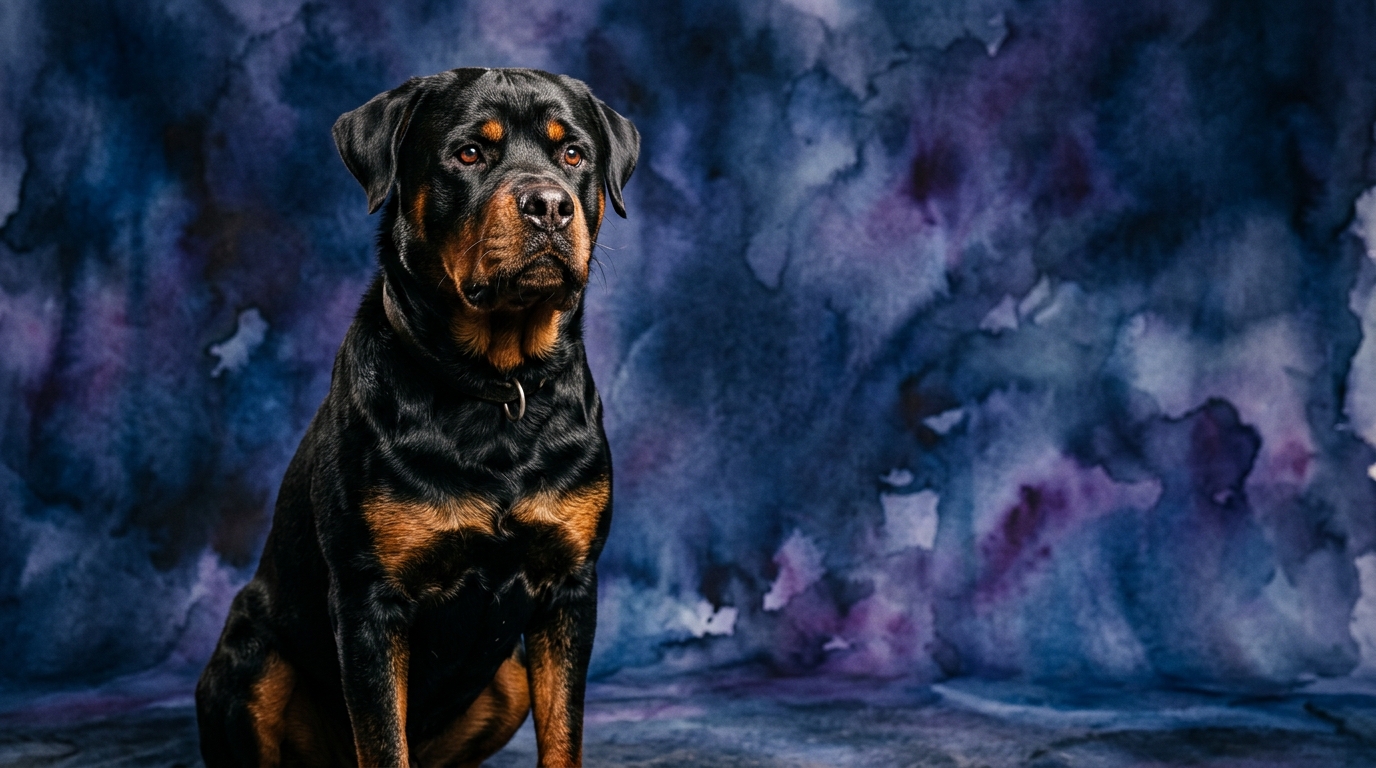
**Rottweiler (Coren Rank #9):** This breed consistently demonstrates a profound capacity for cognitive engagement. Their **Problem Solving (5/5)** is top-tier, enabling them to decipher complex situations and adapt strategies when initial attempts fail, whether it's navigating an obstacle or interpreting subtle human cues. Their **Training Speed (4/5)** is impressive, allowing them to grasp new commands and routines with efficiency, often requiring fewer repetitions. **Social Intelligence (4/5)** manifests in their discerning nature, understanding hierarchies, and forming deep, protective bonds by anticipating family members' needs or intentions. An exceptional **Instinctive Drive (5/5)** aligns with their heritage as guarding and herding dogs, providing a powerful work ethic and natural inclination for tasks. Finally, their **Memory (5/5)** is robust, ensuring retention of learned commands, routines, and experiences over extended periods, contributing to consistent performance.
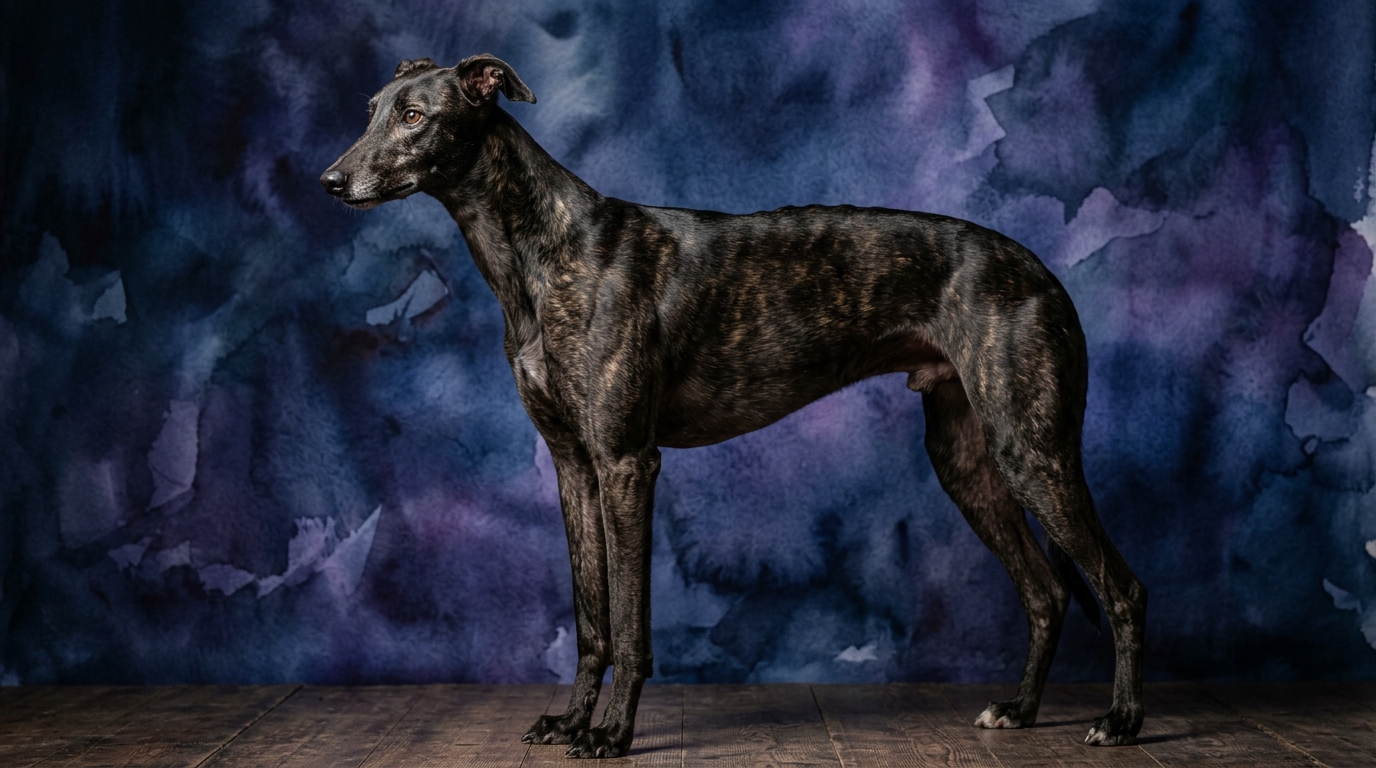
**Greyhound (Coren Rank #46):** The Greyhound's cognitive profile reflects its specialized sighthound heritage. Their **Problem Solving (3/5)** leans towards direct, less analytical approaches, excelling at tasks like identifying the quickest path to a lure rather than abstract puzzles. **Training Speed (2/5)** is moderate, often requiring more patience and repetition due to their independent nature and preference for comfort. **Social Intelligence (3/5)** suggests sensitivity to immediate human emotions but a more reserved approach to complex social dynamics with strangers. Their **Instinctive Drive (5/5)** is overwhelmingly centered on the pursuit of prey by sight, an ancient impulse dictating much of their behavior, from bursts of speed to intense focus on movement. Their **Memory (3/5)** is functional for routines and familiar individuals, though recall for specific commands or past negative experiences might not be as sharp or enduring as breeds with higher scores.
Where the Rottweiler Wins Cognitively
The Rottweiler’s cognitive strengths distinctly emerge in areas demanding intricate thought and sustained mental effort. Their perfect 5/5 score in Problem Solving means they don't just react; they often analyze situations, such as understanding how to manipulate a latch or interpret subtle human body language to predict an action. This cognitive flexibility allows for a deeper engagement with their environment and tasks.
This breed's 4/5 Training Speed is a testament to their capacity for rapid acquisition of new skills, making them adept at complex obedience routines or specialized tasks where precision is paramount. Their strong 5/5 Memory further solidifies this, allowing them to recall extensive command sets and intricate sequences, building a vast repertoire of learned behaviors over time. Furthermore, their 4/5 Social Intelligence grants them a nuanced understanding of family dynamics and human intent. A Rottweiler often anticipates a family member's emotional state or an intruder's presence, demonstrating a perceptive awareness beyond simple recognition. This combination of analytical problem-solving, efficient learning, robust memory, and social acuity makes the Rottweiler a profoundly capable partner in tasks requiring cognitive depth and reliability.
Where the Greyhound Wins Cognitively
While the Greyhound's overall IQ profile might appear modest compared to the Rottweiler, their cognitive prowess shines intensely within their specialized domain: instinctive drive. A perfect 5/5 in this category underscores their unparalleled ability to engage with their sighthound heritage. Their cognitive architecture is optimized for the chase; they possess an extraordinary visual processing speed and an immediate, unwavering focus on moving objects, which is a specific form of problem-solving—identifying and intercepting a target.
This isn't about complex abstract thought but rather an immediate, efficient, and highly effective response to a specific environmental stimulus. Their Problem Solving (3/5) and Memory (3/5) scores, while lower, are perfectly adequate for their primary function. A Greyhound doesn't need to strategize how to open a complex lock; they need to remember the layout of a field and the trajectory of a lure. Their cognitive strength lies in their singular, powerful instinct and the physical and mental coordination it demands, making them masters of their specialized sensory world. Their reserved Social Intelligence (3/5) allows them to exist harmoniously with their human companions without needing to constantly interpret or intervene in complex human social structures, preferring a calm, observant presence.
Which is Easier to Train and Why?
When assessing ease of training, the Rottweiler generally presents a more straightforward path for owners seeking a responsive and eager learner. With a Training Speed of 4/5 and a Problem Solving score of 5/5, Rottweilers typically grasp new commands with fewer repetitions. Their strong Social Intelligence (4/5) means they are often highly attuned to their handler's intentions and emotions, fostering a cooperative training dynamic. They thrive on having a 'job' and derive satisfaction from performing tasks correctly, making them intrinsically motivated to learn and retain information, aided by their 5/5 Memory.
In contrast, the Greyhound, with a Training Speed of 2/5 and lower Problem Solving (3/5) and Memory (3/5) scores, can be more challenging for conventional obedience. Their independent sighthound nature means they are less inherently driven to please and more motivated by their own comfort or the thrill of the chase. Training a Greyhound often requires significant patience, creative positive reinforcement, and an understanding that their powerful 5/5 Instinctive Drive can easily override learned commands if a moving object catches their eye. Their focus can be fleeting, and they may require more consistent, short, and engaging sessions to cement behaviors.
Which Suits Active Owners vs. Relaxed Owners?
For owners who embrace an active, structured lifestyle and enjoy engaging in consistent training, canine sports, or 'working' activities, the Rottweiler is an exceptional match. Their high instinctive drive (5/5), coupled with superior problem-solving and memory, means they require significant mental and physical engagement to thrive. An under-stimulated Rottweiler can become bored and destructive, indicating their need for purpose and activity. They excel in advanced obedience, protection sports, herding, or even just long, challenging walks with training built-in.
Conversely, the Greyhound, despite its athletic prowess, often suits a more relaxed owner, provided their specific needs are met. After a brief, intense sprint or a good walk, Greyhounds are famously content to lounge for hours, earning them the nickname '45 mph couch potatoes.' Their primary exercise need is an opportunity to run safely in a secure, fenced area, satisfying their powerful 5/5 instinctive drive for chasing. Beyond that, they are typically calm house companions who appreciate soft beds and quiet environments, making them suitable for owners who enjoy a serene home life but can provide those crucial bursts of physical outlet.
The Verdict
Choose a Rottweiler if you seek a highly engaged, capable working partner who thrives on mental challenges, consistent training, and building a deep, protective bond through shared activities.
Choose a Greyhound if you appreciate a calm, gentle companion who needs intense bursts of exercise in a secure space but is otherwise content with a relaxed home life, valuing comfort and quiet companionship.
🧠 Find Your Pet's IQ Score
Our Pet IQ Lab assessment covers 25+ tests across 5 cognitive dimensions — personalized to your breed.
Take the Full IQ Test →Frequently Asked Questions
Is a Rottweiler too much for a first-time owner?
Rottweilers, with their powerful drives and need for consistent training, can be a lot for a first-time owner. Their strong will and protective instincts require an owner who can confidently establish leadership and provide extensive socialization and ongoing mental stimulation.
Do Greyhounds need a lot of exercise?
Greyhounds need specific exercise, primarily short, intense sprints in a securely fenced area to satisfy their powerful instinctive drive. Beyond these bursts, they are generally low-energy indoors, preferring to nap, making their overall daily exercise requirement less demanding than many other breeds.
Are Greyhounds good with other pets?
Greyhounds can coexist peacefully with other pets, especially if introduced carefully. However, their strong sighthound prey drive (5/5 instinctive drive) means caution is advised around smaller, fast-moving animals like cats or rabbits, and supervision is always recommended.