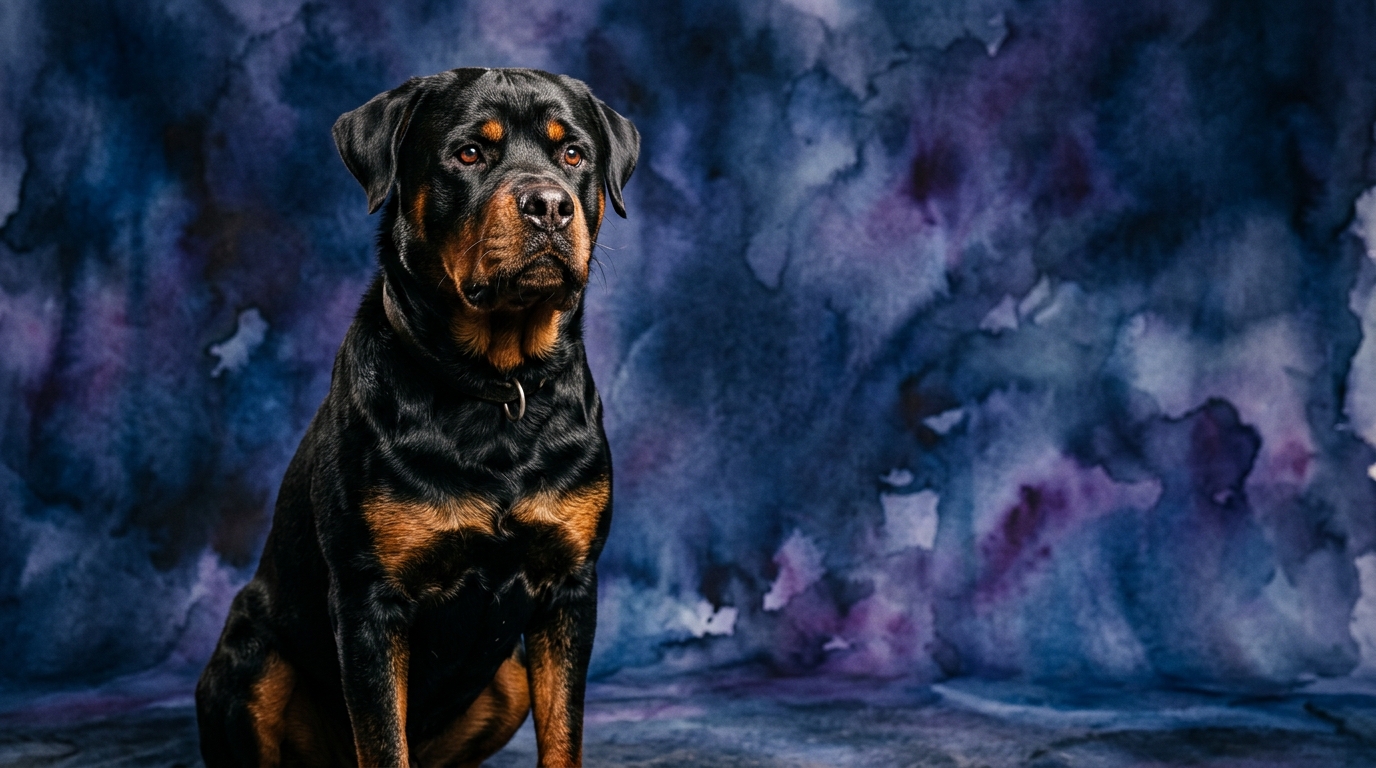
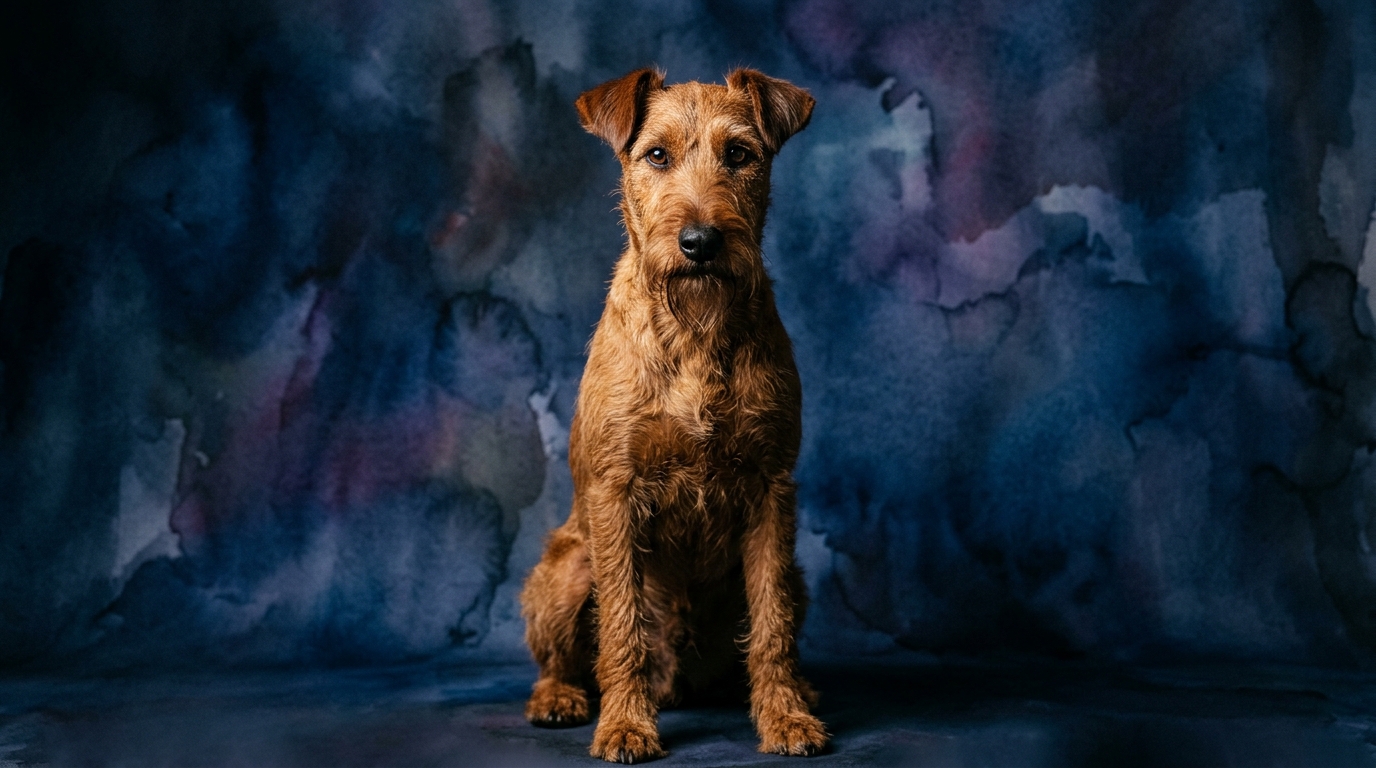
Side-by-Side IQ Profile: Rottweiler vs. Irish Terrier
The Cosmic Pet Pet IQ Lab employs a five-dimensional framework to assess canine intelligence, offering a nuanced view of how breeds process information, learn, and interact. For the Rottweiler, a breed traditionally valued for its working capabilities, its cognitive profile reflects a deep aptitude for complex tasks and social understanding. Conversely, the Irish Terrier, a breed with a history rooted in independent hunting and companionship, presents a distinct set of mental strengths geared towards different challenges.
The Rottweiler scores exceptionally high in Problem Solving (5/5), demonstrating a profound ability to analyze and overcome novel obstacles, whether it's deciphering a complex puzzle toy or navigating a new environment. Their Training Speed (4/5) is impressive, allowing them to quickly grasp and retain new commands, often requiring fewer repetitions than many other breeds. Social Intelligence (4/5) for a Rottweiler means they are acutely aware of human emotions and social structures, making them highly responsive to their family's dynamics and capable of discerning intentions. Instinctive Drive (5/5) is a defining characteristic, propelling them with an inherent desire for purpose and protection, exhibiting unwavering focus when engaged in tasks. Furthermore, their Memory (5/5) is outstanding, enabling them to recall detailed information, learned behaviors, and past experiences with remarkable accuracy over long periods.
In contrast, the Irish Terrier's cognitive profile paints a picture of resourceful independence. Their Problem Solving (3/5) is characterized by a tendency to approach challenges with self-reliance, often preferring to experiment and figure things out on their own terms rather than waiting for human instruction. Training Speed (3/5) indicates a moderate learning curve; they can learn commands effectively, but their spirited nature often requires more consistent motivation and patience to maintain focus. Social Intelligence (3/5) suggests they are affectionate with their inner circle but may be more discerning or less overtly responsive to subtle social cues from new acquaintances, often prioritizing their own interests. Their Instinctive Drive (3/5) is a focused, tenacious energy rooted in their terrier heritage, manifesting as an intense pursuit of prey or a determined approach to perceived 'missions,' which can sometimes override other stimuli. Lastly, their Memory (3/5) is functional and reliable for core routines and important events, though they may not retain intricate multi-step commands or abstract concepts with the same depth or longevity as breeds with higher scores in this dimension.
Where the Rottweiler Wins Cognitively
The Rottweiler's cognitive strengths position it as a formidable force in structured environments and tasks requiring precision and cooperation. Their superior Problem Solving (5/5) means they excel in complex obedience, protection work, or service roles where understanding intricate sequences and adapting to changing scenarios is paramount. For instance, a Rottweiler can quickly learn a multi-stage search and rescue pattern, evaluating obstacles and making strategic decisions independently, a task requiring significant mental processing. Their exceptional Memory (5/5) ensures that once a task, command, or routine is learned, it is deeply ingrained, leading to consistent, reliable performance over time, which is invaluable in demanding working situations. This deep memory also extends to their understanding of specific people and places, contributing to their protective instincts and territorial awareness. Furthermore, their high Social Intelligence (4/5) allows them to interpret human intent with remarkable accuracy, making them highly attuned partners in collaborative efforts and sensitive to their handler's emotional state, fostering a profound working relationship.
Where the Irish Terrier Wins Cognitively
While the Irish Terrier's scores might appear lower in comparison, their cognitive profile represents a different kind of strength, particularly in situations demanding self-reliance and tenacity. Their Problem Solving (3/5), though not as quick to follow human direction, shines in scenarios where independent thought and persistent effort are key. An Irish Terrier might not solve a puzzle toy as quickly through logical deduction, but they will likely approach it with unwavering persistence, trying various methods until they succeed, demonstrating a 'never give up' attitude. Their Instinctive Drive (3/5), while lower than a Rottweiler's, is intensely focused on certain tasks, making them exceptionally effective in roles like vermin control where relentless pursuit and independent decision-making are crucial. This drive allows them to operate effectively without constant human oversight, relying on their own senses and judgment to accomplish their goals. Their moderate Social Intelligence (3/5) also means they are less prone to anxiety about pleasing their handler and more likely to follow their own instincts, which can be advantageous in unpredictable outdoor environments where quick, self-directed action is needed.
Which is Easier to Train and Why
When considering ease of training, the Rottweiler generally presents a more straightforward experience due to its higher scores in Training Speed (4/5), Problem Solving (5/5), and Social Intelligence (4/5). They process new information rapidly, understanding cause and effect quickly, and are inherently motivated to engage with their human companions. Their strong memory ensures that once a command is learned, it tends to stick, and their social intelligence makes them keen to please and responsive to handler cues, leading to a highly cooperative training dynamic. For example, teaching a Rottweiler a complex heel pattern or a multi-stage retrieve is often a process of clear demonstration and consistent reward, with the dog quickly internalizing the desired behavior.
The Irish Terrier, with its scores of 3/5 across the board in these categories, requires a different approach to training. Their moderate Training Speed means more repetition and patience are needed, and their independent Problem Solving can lead them to question why a command is necessary if they perceive a more direct route to their own objective. Their Instinctive Drive, while focused, can also be a challenge; if a squirrel appears, their drive to chase might override a 'stay' command, necessitating stronger impulse control training. Training an Irish Terrier often involves making the process highly engaging and rewarding to capture their attention, using short, fun sessions, and understanding that their compliance stems more from a desire for interaction than an inherent drive to obey every command without question. A trainer must be more creative in motivating an Irish Terrier, turning training into a game rather than a rigid set of rules, and consistently reinforcing desired behaviors to overcome their independent streak.
Which Suits Active Owners vs. Relaxed Owners
The Rottweiler, with its profound Instinctive Drive (5/5), high Problem Solving (5/5), and robust Memory (5/5), thrives with active owners who can provide consistent mental and physical engagement. They are not content with merely lounging; they require a 'job,' whether it's advanced obedience, protection sports, hiking, or complex puzzle work. Owners who enjoy structured activities, consistent training, and providing a sense of purpose will find the Rottweiler to be a rewarding and deeply bonded companion. A relaxed owner who cannot commit to fulfilling these innate needs may find a Rottweiler becoming bored, leading to undesirable behaviors born of under-stimulation, such as destructive chewing or excessive barking.
The Irish Terrier, while energetic, suits owners who appreciate a dog with an independent spirit and a need for varied, often self-directed, activity rather than constant structured tasks. Their Instinctive Drive (3/5) is strong but often focused on specific, terrier-typical pursuits like chasing small animals or exploring, meaning they benefit from secure outdoor spaces for free play and exploration. They can adapt to a more relaxed home environment, provided they receive regular outlets for their energy, such as daily walks, backyard romps, or engaging in scent games. Owners who enjoy a dog with a lively personality, who can entertain themselves to a degree, and who are prepared for bursts of tenacious energy will find the Irish Terrier a delightful match. A relaxed owner who can provide consistent, moderate activity and appreciates a less demanding training schedule, while still being firm and consistent, will likely find harmony with an Irish Terrier.
The Verdict: When to Choose Each
The Verdict
Choose a Rottweiler if you are an experienced owner seeking a highly trainable, devoted companion for structured activities, protection work, or service roles, and can provide consistent mental and physical engagement. Their exceptional problem-solving and memory ensure they excel in complex tasks and form deep, cooperative bonds.
Opt for an Irish Terrier if you appreciate an independent, spirited dog with a tenacious drive, suitable for active families who enjoy varied outdoor activities and can provide patient, engaging training to channel their unique cognitive strengths. They thrive with owners who understand their self-reliant nature and provide outlets for their curiosity.
🧠 Find Your Pet's IQ Score
Our Pet IQ Lab assessment covers 25+ tests across 5 cognitive dimensions — personalized to your breed.
Take the Full IQ Test →Frequently Asked Questions
Do Rottweilers require a lot of mental stimulation?
Yes, Rottweilers possess a high problem-solving ability and instinctive drive, meaning they absolutely thrive on mental challenges. Without adequate mental engagement, such as training, puzzle toys, or 'jobs' to do, they can become bored and potentially develop undesirable behaviors.
Is an Irish Terrier suitable for a first-time dog owner?
An Irish Terrier can be suitable for a first-time owner if they are prepared for a dog with an independent streak and moderate training speed. Patience, consistency, and a sense of humor are essential to navigate their spirited nature and channel their instinctive drives effectively.
How do their social intelligence scores impact their family life?
A Rottweiler's higher social intelligence means they are often more attuned to family dynamics and human emotions, fostering a deeply responsive and protective bond. An Irish Terrier, while affectionate, might be more self-assured and less overtly responsive to subtle social cues, bringing a different, more independent dynamic to family interactions.