Side-by-Side IQ Profile: Precision vs. Pluck
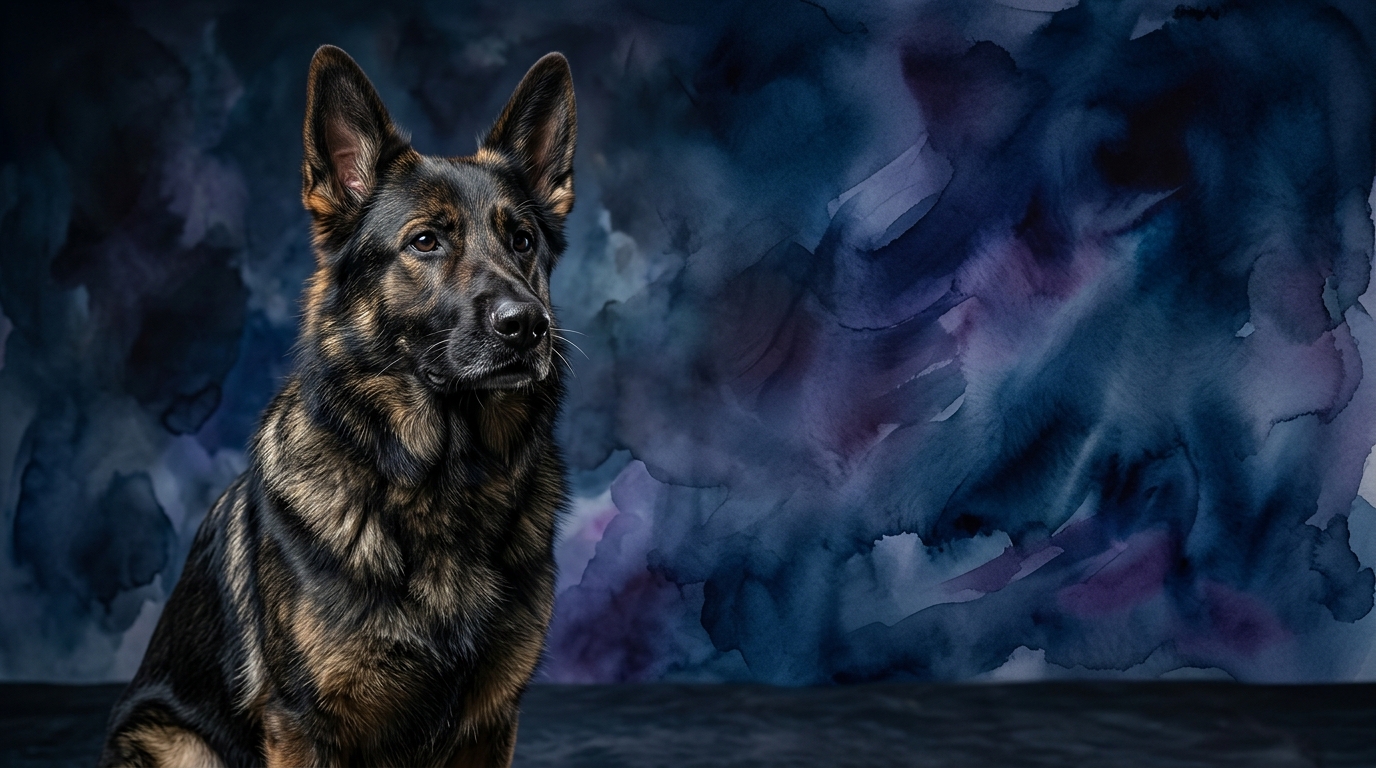
The Cosmic Pet Pet IQ Lab employs a five-dimensional framework to assess canine intelligence, offering a nuanced view beyond simple obedience. For the German Shepherd, this framework reveals a remarkable cognitive consistency, with every dimension rated at a perfect 5/5. Their problem-solving prowess indicates a capacity for complex, multi-step solutions, often involving strategic thinking rather than trial-and-error. Training speed at 5/5 means they acquire new commands, routines, and even abstract concepts with minimal repetition, demonstrating a deep attentiveness and desire to understand. Their social intelligence, also 5/5, points to an acute ability to interpret human body language, tone, and intent, fostering profound collaborative relationships. Instinctive drive, at 5/5, is not just a high energy level but a focused, purposeful motivation often directed towards tasks and protection. Finally, a 5/5 memory ensures long-term retention of a vast vocabulary of commands, experiences, and social cues, enabling consistent performance over time. This profile aligns with their Coren ranking of #3, placing them among the most adept working breeds.
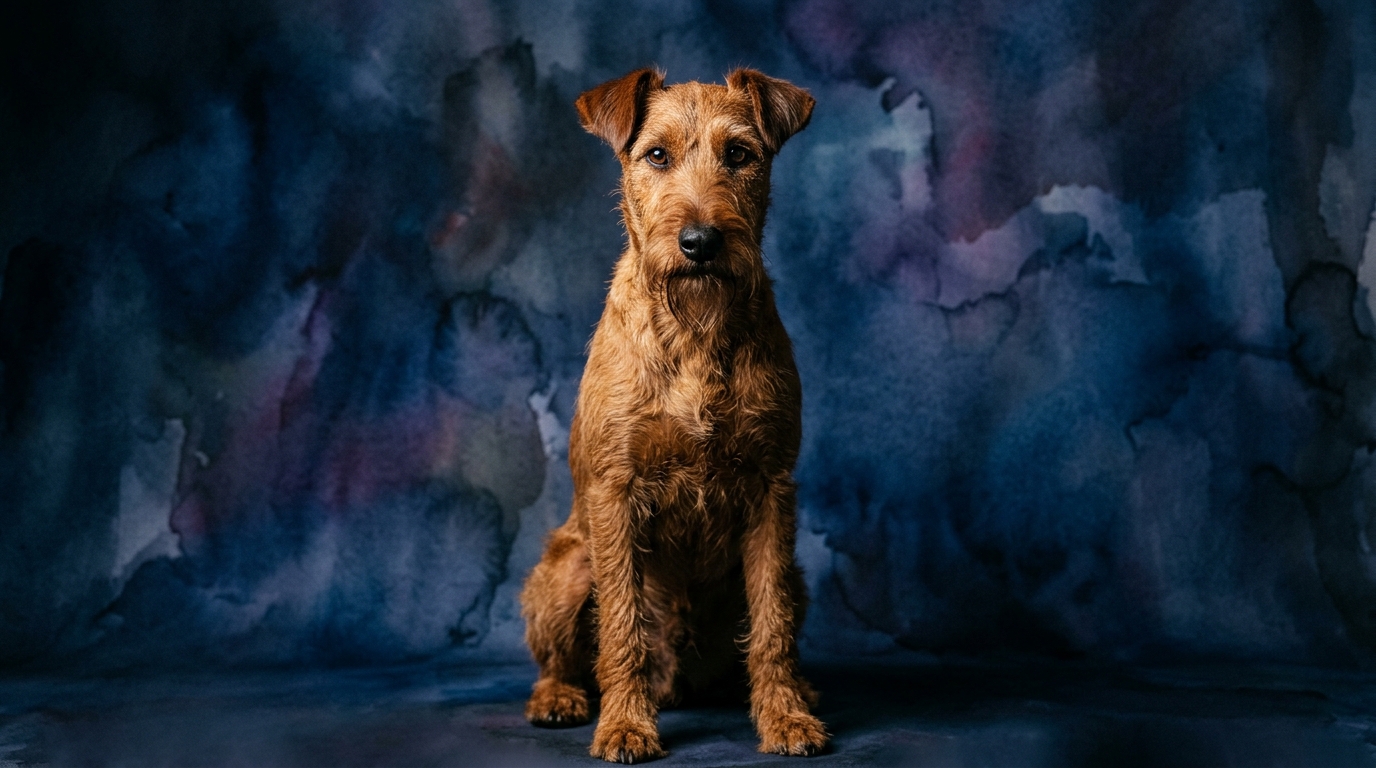
In contrast, the Irish Terrier presents a profile characterized by solid, competent abilities across the board, with each dimension rated at 3/5. Their problem-solving, while effective, tends towards immediate, practical solutions rather than intricate planning, often driven by instinctual urges like chasing or exploring. A training speed of 3/5 suggests they learn at a moderate pace, requiring consistent, positive reinforcement and engaging methods to maintain focus and enthusiasm. Their social intelligence, rated 3/5, indicates a strong bond with their immediate family and an ability to read familiar human emotions, though perhaps not with the same breadth or subtlety as the German Shepherd in novel social situations. Instinctive drive at 3/5 reflects a robust terrier tenacity and a keen interest in their environment, often expressed through digging, hunting small prey, or independent exploration. Memory, also 3/5, allows them to retain established routines and commands effectively, though they might not build as extensive a mental library of complex sequences or abstract associations as their Herding counterpart. The Irish Terrier, like many terriers, is not specifically included in the Coren ranking, a system that often prioritizes biddability and quick obedience, which may not fully capture the independent cognitive strengths of the terrier group.
Where the German Shepherd Excels Cognitively
The German Shepherd's cognitive strengths lie in their unparalleled capacity for complex, collaborative work and their ability to generalize learned information. Their 5/5 problem-solving isn't just about figuring things out; it's about applying learned principles to new, similar situations, demonstrating a form of abstract reasoning. For instance, a German Shepherd trained to find a specific object in a cluttered room can often adapt that skill to locate a different, unfamiliar object if given a new scent cue, showcasing flexible intelligence. Their superior social intelligence allows them to anticipate human needs and intentions, often reacting before a verbal command is given, which is invaluable in roles requiring precision and initiative. This breed thrives on intricate tasks that demand sequential thinking, such as navigating obstacle courses while carrying an item, or following multi-stage scent trails. Their exceptional memory allows them to build a vast repertoire of learned behaviors and cues, making them highly reliable in diverse, demanding environments.
Where the Irish Terrier Shines Cognitively
While the Irish Terrier's IQ scores may appear lower in a comparative framework, their cognitive strengths are deeply rooted in their breed's historical purpose: independent vermin control. Their 3/5 problem-solving, though not as complex as a German Shepherd's, is characterized by tenacity, resourcefulness, and quick, decisive action in the moment. An Irish Terrier might not strategize an elaborate escape plan, but they will relentlessly dig under a fence or ingeniously manipulate a latch with single-minded focus if motivated. Their instinctive drive, also 3/5, translates into a sharp awareness of their immediate surroundings and an independent spirit that, while sometimes challenging for training, fosters self-reliance. This means they are often adept at entertaining themselves and finding solutions to immediate environmental puzzles without constant human direction. Their social intelligence, while focused, is intensely loyal and perceptive within their core family unit, allowing them to form deep emotional bonds and understand specific household dynamics with a nuanced sensitivity often underestimated by broad comparative metrics. They excel in situations requiring quick, individualistic action and a spirited, unwavering determination.
Training Dynamics: Biddable Partner vs. Engaging Companion
Training a German Shepherd is generally a more straightforward and rapid process due to their 5/5 training speed, social intelligence, and memory. They possess an inherent desire to work alongside humans, readily absorbing commands and understanding complex sequences. Their capacity for extensive memory allows them to retain a large vocabulary of instructions, while their social intelligence makes them highly attuned to handler cues, often responding to subtle body language or vocal inflections. This means they thrive on structured, consistent training that provides clear expectations and opportunities for mental engagement, quickly progressing from basic obedience to advanced tasks like scent work, protection, or agility. They are typically eager to please and find satisfaction in performing tasks accurately.
Conversely, training an Irish Terrier, with its 3/5 ratings in training speed and problem-solving coupled with a strong instinctive drive, requires a different approach. While they are certainly capable of learning, they often require more repetition and motivation to solidify commands. Their independent nature and terrier tenacity mean that training sessions must be kept engaging, fun, and varied to prevent boredom and maintain their focus. They are less inclined to perform simply to please and will often prioritize an interesting scent or a perceived 'challenge' over immediate compliance. Successful training with an Irish Terrier involves consistent positive reinforcement, short and energetic sessions, and making training feel like a collaborative game rather than a series of directives. Understanding their spirited personality and harnessing their natural drive for exploration and play is key to unlocking their learning potential.
Matching Lifestyles: The Purpose-Driven vs. The Spirited Adventurer
The German Shepherd is ideally suited for active owners who are prepared to provide significant mental and physical engagement, and who seek a highly collaborative canine partner. Their exceptional cognitive abilities, particularly their 5/5 instinctive drive and problem-solving, mean they require a 'job' or consistent structured activity to feel fulfilled. This could involve advanced obedience, dog sports like agility or protection work, or even complex daily routines that challenge their minds. Owners who appreciate a dog that is eager to learn, responsive to direction, and thrives on purpose will find an excellent match. A relaxed owner who cannot meet these high demands for mental stimulation and physical activity might inadvertently foster boredom, leading to potentially undesirable behaviors.
The Irish Terrier, while also an active breed, suits owners who appreciate a spirited, tenacious companion with a pronounced personality, and who can engage with their dog through consistent, positive training and varied activities. They need regular physical exercise to manage their 3/5 instinctive drive, but their cognitive needs might be met more through interactive play, varied exploration, and problem-solving games that leverage their independent spirit rather than rigorous, multi-stage 'work.' Owners who enjoy a dog with a strong will and a charmingly independent streak, and who can provide ample opportunities for outdoor adventures and engaging family interaction, will find the Irish Terrier a delightful addition. They are less about formal 'work' and more about being an energetic, devoted, and entertaining companion. A relaxed owner who enjoys consistent, engaging play and a less formal, but still consistent, training relationship might find the Irish Terrier a better fit than a German Shepherd, provided they can handle the terrier's energetic bursts and independent streak.
The Verdict
Choose the German Shepherd if you seek a highly trainable, collaborative partner for complex tasks, capable of advanced learning and requiring significant mental and physical engagement.
Opt for the Irish Terrier if you desire a spirited, independent, and tenacious companion who thrives on engaging, positive training and varied adventures, bringing a unique character to your home.
🧠 Find Your Pet's IQ Score
Our Pet IQ Lab assessment covers 25+ tests across 5 cognitive dimensions — personalized to your breed.
Take the Full IQ Test →Frequently Asked Questions
Do German Shepherds always need a 'job' to be happy?
German Shepherds, with their 5/5 instinctive drive and problem-solving, generally thrive when given a sense of purpose. This doesn't always mean formal working roles; it can include advanced obedience, dog sports, or consistent mental challenges like puzzle toys and complex training routines, all of which fulfill their innate drive.
Is the Irish Terrier difficult to train because of its independence?
The Irish Terrier's independence and 3/5 training speed mean they can be more challenging than a German Shepherd, but not 'difficult' for a committed owner. They respond best to consistent, positive reinforcement, engaging training sessions, and handlers who understand their spirited nature, making training a rewarding partnership rather than a strict command-and-response dynamic.
How does 'social intelligence' differ between these two breeds?
For the German Shepherd (5/5), social intelligence involves a broad, nuanced understanding of human cues, anticipating needs, and adapting to various social contexts. The Irish Terrier (3/5) shows strong social intelligence within its immediate family, forming deep, loyal bonds and reading familiar human emotions effectively, though perhaps with less breadth in interpreting novel social interactions.