
Side-by-Side IQ Profile: Unpacking Canine Cognition
Our Cosmic Pet Pet IQ Lab data positions the Rottweiler as a formidable cognitive force, reflected in its impressive Coren rank of #9. Their Problem Solving capability scores a perfect 5/5, indicating an aptitude for complex, multi-step tasks and strategic thinking, not merely brute force. Training Speed at 4/5 means they grasp new commands with alacrity. Their Social Intelligence also rates 4/5, showcasing a strong capacity to interpret human cues and form deep bonds. A powerful Instinctive Drive at 5/5 underscores their inherent purpose for guarding and working. Finally, their Memory is exceptional at 5/5, allowing them to retain vast learned information and recall past experiences with precision.
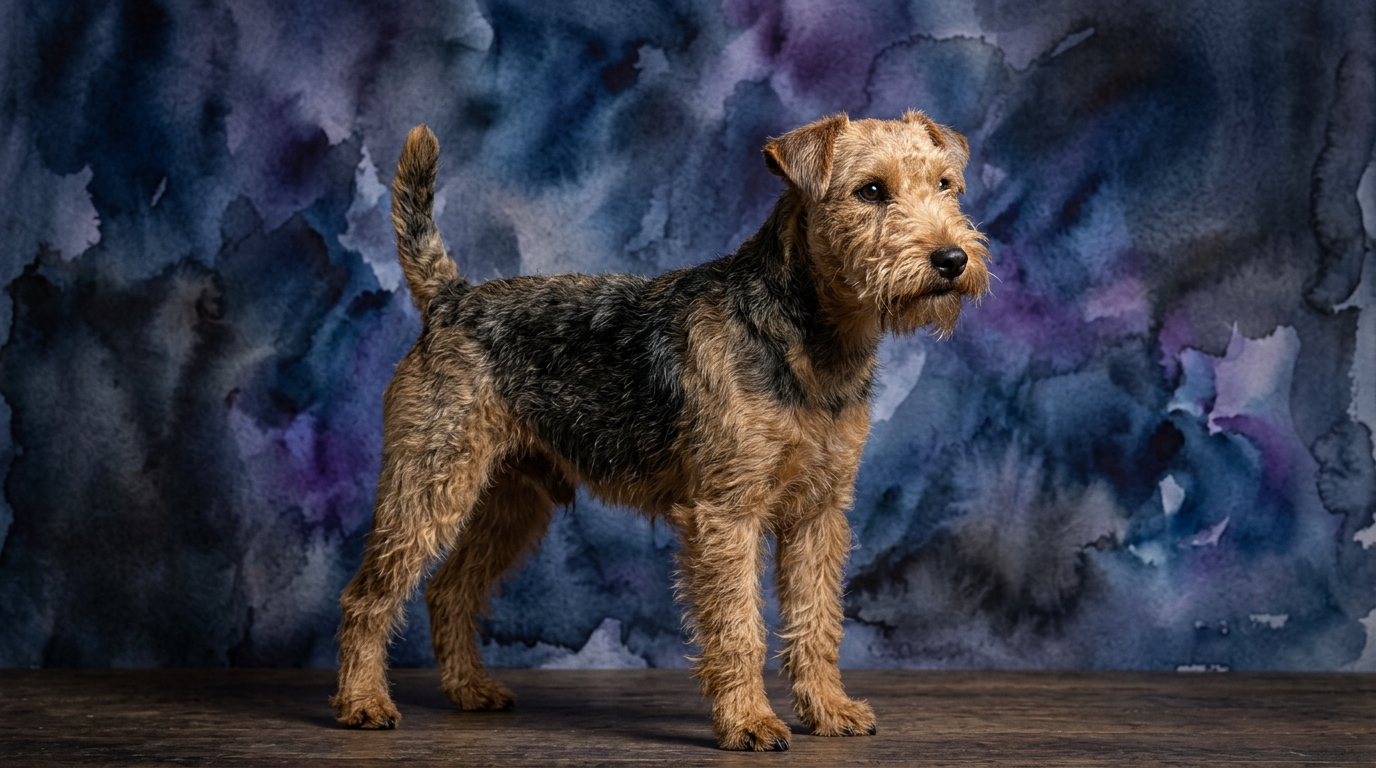
The Lakeland Terrier, while not appearing on Coren's list, presents a different cognitive blueprint, scoring 3/5 across all five IQ dimensions. Their Problem Solving at 3/5 suggests a resourceful nature, capable of finding solutions to immediate, practical challenges through tenacity rather than complex strategizing. A Training Speed of 3/5 indicates they learn, but often at their own pace and with a need for high motivation, reflecting an independent spirit. Their Social Intelligence at 3/5 means they are affectionate but might be less attuned to subtle human directives. The Instinctive Drive of 3/5 is primarily focused on their terrier heritage: hunting, digging, and chasing. Their Memory at 3/5 allows them to retain basic commands and routines, but less for intricate sequences.
Where the Rottweiler Wins Cognitively
The Rottweiler's cognitive strengths truly shine in structured environments requiring sustained focus and complex sequential learning. Their 5/5 Problem Solving and Memory, coupled with 4/5 Training Speed, allows them to excel in roles demanding detailed understanding and execution, such as service dog tasks or advanced obedience. They can process intricate instructions, remember long chains of commands, and apply learned strategies to novel situations, demonstrating profound adaptive reasoning.
Their superior Social Intelligence means they are often more inclined to work in close partnership with a human, seeking guidance and deriving satisfaction from cooperative efforts. This makes them adept at understanding nuances in human tone and body language, allowing for a highly responsive working relationship. This cognitive profile makes them exceptional candidates for specialized roles that demand both intellectual rigor and unwavering loyalty.
Where the Lakeland Terrier Wins Cognitively
While scoring lower in the lab's metrics, the Lakeland Terrier possesses a distinct cognitive advantage rooted in its terrier heritage. Their 3/5 Problem Solving, combined with a pronounced instinctive drive, translates into impressive capacity for independent, self-directed action, particularly in situations demanding quick, localized solutions. They are masters of their immediate environment, excelling at tasks requiring ingenuity and persistence without constant human direction, such as navigating complex underground tunnels.
Their cognitive 'wins' are less about structured obedience and more about autonomous resourcefulness. A Lakeland Terrier might not learn a 20-step agility course as quickly, but they are incredibly adept at figuring out how to get to that squirrel or outsmarting a gate latch. This independent spirit is a cognitive strength for tasks requiring individual initiative and unyielding pursuit of a self-determined goal, demonstrating a tenacious, street-smart intelligence.
Which is Easier to Train and Why
Based on our data, the Rottweiler is demonstrably easier to train for conventional obedience and complex tasks. Their 4/5 Training Speed and 5/5 Memory mean they absorb commands rapidly and retain them reliably. Crucially, their 4/5 Social Intelligence gives them a strong desire to please and work cooperatively, making them attentive students. They thrive on structure and having a clear job, leveraging their high instinctive drive. Training a Rottweiler often feels like teaching a highly motivated apprentice, though their size and strength necessitate early, firm, and consistent training.
The Lakeland Terrier presents a greater training challenge. Their 3/5 scores mean they learn at a slower pace and their independent nature can make them less inclined to blindly follow commands. Their instinctive drive is powerful but often self-directed, prioritizing a scent over a 'stay.' Training a Lakeland requires immense patience, creativity, and a deep understanding of their terrier motivations. Positive reinforcement and game-based training are often more effective than rote drills.
Which Suits Active Owners vs. Relaxed Owners
Neither the Rottweiler nor the Lakeland Terrier are suitable for truly relaxed, sedentary owners, as both possess significant energy and mental needs. However, the type of activity differs. The Rottweiler, with its high instinctive drive and problem-solving capacity, thrives with active owners providing consistent, structured mental stimulation and vigorous physical exercise. This includes advanced obedience, protection sports, or challenging training sessions that give them purpose. Owners providing clear leadership will find a devoted Rottweiler; without adequate outlets, boredom and undesirable behaviors can arise.
The Lakeland Terrier also requires active owners, but their needs focus more on channeling tenacious terrier energy and independent spirit. They need outlets for chasing, digging, and exploring. While they can do agility, their mental engagement often comes from figuring things out on their own terms. Owners should be prepared for vigorous walks, play sessions, and an environment where natural instincts are safely expressed. Their curiosity and boundless energy demand consistent engagement respecting their self-reliant nature.
The Verdict
Opt for a Rottweiler if you seek a highly trainable, purpose-driven companion capable of mastering complex tasks and forming a deeply cooperative partnership, thriving on structured mental and physical engagement.
Select a Lakeland Terrier if you appreciate an independent, spirited companion with a tenacious will, a knack for self-directed exploration, and are prepared for a dog that learns on its own terms.
🧠 Find Your Pet's IQ Score
Our Pet IQ Lab assessment covers 25+ tests across 5 cognitive dimensions — personalized to your breed.
Take the Full IQ Test →Frequently Asked Questions
Are Lakeland Terriers stubborn, or is it just their independence?
While often perceived as stubborn, a Lakeland Terrier's behavior stems more from their independent problem-solving and self-directed instinctive drive. They process information and act based on their own assessment and motivations, rather than a strong innate desire to please, which requires a more nuanced training approach.
Can a Rottweiler adapt to different living situations?
Yes, with their high social intelligence and strong memory, Rottweilers can adapt well to various living situations, provided their core needs for consistent training, mental stimulation, and physical exercise are met. Their adaptability is supported by their ability to learn and retain new routines and social cues.
What's the biggest cognitive difference between these two breeds?
The most significant cognitive distinction lies in their approach to problem-solving and learning; Rottweilers excel at methodical, cooperative, and strategic reasoning, while Lakeland Terriers demonstrate tenacious, independent, and instinct-driven resourcefulness, often preferring to figure things out on their own terms.