
Side-by-Side IQ Profile: A Cognitive Blueprint
At The Cosmic Pet Pet IQ Lab, we evaluate canine cognition across five key dimensions, providing a granular view of each breed's mental architecture. For the Rottweiler, a breed celebrated for its working heritage, these scores reflect a profound capacity for complex thought and retention. Its Problem Solving is rated 5/5, indicating an exceptional ability to navigate intricate challenges and understand multi-step instructions. Training Speed stands at 4/5, demonstrating a quick grasp of new commands and routines, often requiring fewer repetitions. Social Intelligence, at 4/5, highlights their nuanced understanding of human cues and strong familial bonds. An Instinctive Drive of 5/5 underscores their powerful, purpose-driven behaviors rooted in guarding and protection roles. Finally, their Memory is rated 5/5, signifying outstanding long-term recall for learned behaviors, individuals, and environments.
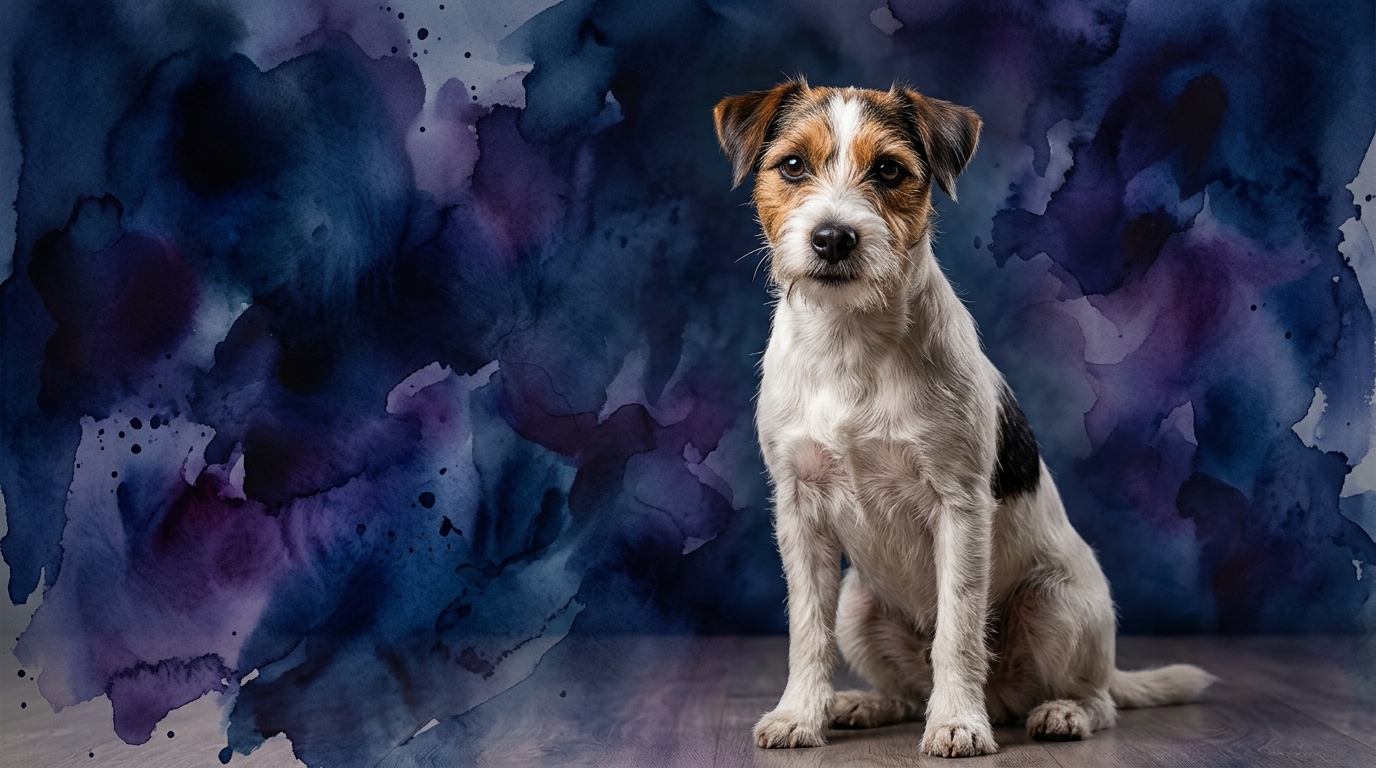
The Parson Russell Terrier, a breed defined by its terrier spirit, presents a distinct cognitive profile geared towards tenacity and independent action. Its Problem Solving is rated 3/5, reflecting practical aptitude in tasks like finding hidden objects or navigating tight spaces, though abstract problems may require more guidance. Training Speed also sits at 3/5, indicating a moderate learning pace that benefits from consistent, engaging, and reward-based methods. Social Intelligence is 3/5, showing an understanding of human interactions, though their self-reliant nature often prioritizes their immediate interests. An Instinctive Drive of 3/5 speaks to their strong prey drive, persistence, and determination, particularly in pursuit of small game. Their Memory is rated 3/5, indicating solid recall for routines and tasks, especially when reinforced or aligned with their natural inclinations.
Where the Rottweiler Excels Cognitively
The Rottweiler's cognitive strengths distinctly manifest in its ability to dissect and conquer complex, multi-layered tasks. Their 5/5 Problem Solving capacity means they don't just react to stimuli; they actively strategize, whether it's figuring out the sequence to open a secured gate or understanding the intricate steps of advanced obedience work. This deep cognitive processing is powerfully supported by their 5/5 Memory, enabling them to retain these solutions and learned behaviors with remarkable durability, making their training exceptionally resilient. Coupled with their 5/5 Instinctive Drive for specific duties like protection or herding, they possess both the mental blueprint and the intrinsic motivation to consistently execute sophisticated tasks. The Rottweiler's capacity to quickly process and commit detailed information, from a new command to recognizing subtle environmental changes, significantly surpasses the Parson Russell Terrier's more immediate, task-specific recall.
Where the Parson Russell Terrier Shines Cognitively
While not matching the Rottweiler in abstract, multi-step problem-solving, the Parson Russell Terrier's cognitive brilliance lies in its tenacious and independent application of its instinctive drives. Their 3/5 Problem Solving, combined with their 3/5 Instinctive Drive, makes them masters of immediate, practical challenges, particularly those rooted in their terrier heritage. They excel at tasks like expertly navigating dense undergrowth to follow a scent trail or rapidly finding the quickest route to a perceived 'prey' item. Their quick decision-making in high-stimulus, fast-paced situations, fueled by a persistence that often defies their size, allows them to overcome obstacles through sheer will and focused determination. They don't necessarily 'think' through a complex puzzle in the same way a Rottweiler might, but rather act with agile, instinct-driven efficiency to achieve their immediate, often singular, goal, demonstrating a unique form of street-smart ingenuity.
Training Dynamics: A Study in Behavioral Differences
Training a Rottweiler benefits significantly from their 4/5 Training Speed and 5/5 Memory. They generally respond well to structured, consistent commands, quickly grasping new concepts and generalizing them across different environments. Their 4/5 Social Intelligence means they are often highly attuned to their handler's intentions and emotional state, fostering fluid communication during training sessions. However, their powerful 5/5 Instinctive Drive necessitates early, positive socialization and firm guidance to channel their protective instincts appropriately, preventing them from becoming overprotective or territorial without proper direction. Their desire for a 'job' means training feels purposeful to them, leading to enthusiastic participation.
Conversely, training a Parson Russell Terrier, with its 3/5 Training Speed and 3/5 Memory, often demands more creativity and patience. Their independent streak and strong 3/5 Instinctive Drive, primarily focused on chasing and exploring, can make their attention span shorter for tasks that don't immediately align with their inherent interests. They thrive on short, engaging sessions that tap into their natural curiosity and desire for activity, often requiring higher-value rewards to maintain focus. While they certainly remember what they've learned, their willingness to perform a task can be more variable, especially if they perceive a more enticing alternative. Their 3/5 Social Intelligence is present, but often filtered through their inherent self-reliance, meaning they might not always prioritize human direction over their own impulses or perceived 'missions.'
Matching Breed to Lifestyle: Active vs. Relaxed Owners
The Rottweiler is best suited for owners who can provide consistent structure, substantial mental engagement, and ample physical exercise. Their high 5/5 Instinctive Drive and 5/5 Problem Solving capabilities mean they need a 'job' or purpose, whether it's advanced obedience, protection sports, or extensive training that challenges their impressive cognitive abilities. They thrive in environments where their mental faculties are regularly stimulated and their 4/5 Social Intelligence can be fully utilized within a close family unit. A relaxed owner who cannot commit to their profound cognitive and physical needs might find a Rottweiler becoming bored, leading them to channel their powerful drives in less desirable, self-directed ways, such as guarding resources or developing destructive habits.
The Parson Russell Terrier makes an ideal companion for owners who embrace an active, adventurous lifestyle and appreciate a tenacious, spirited partner. Their moderate 3/5 Instinctive Drive and 3/5 Problem Solving, coupled with often boundless energy, demand owners who enjoy long walks, hiking, agility, or earthdog trials. They are not content with being couch potatoes and require consistent mental stimulation to prevent boredom and the manifestation of undesirable behaviors like digging, excessive barking, or chasing. While they certainly enjoy cuddling after a vigorous play session, a truly relaxed owner might struggle with their persistent need for engagement and their independent nature, which can lead to a dog that constantly seeks its own entertainment if not adequately exercised and mentally challenged.
The Verdict
Select a Rottweiler if you seek a deeply bonded companion capable of complex learning, robust memory, and a strong work ethic, and are prepared to provide consistent, structured training and mental challenges for a powerful and purpose-driven canine.
Opt for a Parson Russell Terrier if you desire a spirited, independent, and tenacious partner for an active lifestyle, appreciating their quick, instinct-driven problem-solving in dynamic environments and their endless enthusiasm for adventure.
🧠 Find Your Pet's IQ Score
Our Pet IQ Lab assessment covers 25+ tests across 5 cognitive dimensions — personalized to your breed.
Take the Full IQ Test →Frequently Asked Questions
Is a Rottweiler difficult to train because of its size?
A Rottweiler's size primarily impacts the physical aspects of training, requiring good leash manners and physical strength from the handler. Cognitively, their high problem-solving and training speed ratings suggest they are quite receptive to learning, provided training is consistent, positive, and starts early to channel their powerful drives effectively.
Do Parson Russell Terriers get along with other pets?
Parson Russell Terriers can cohabitate with other pets, especially if socialized from a young age. However, their strong instinctive drive for prey means careful introductions are necessary with smaller animals, and their independent nature might mean they prefer to be the sole canine focus or require careful management around other dogs.
Which breed requires more mental stimulation?
Both breeds require significant mental stimulation, but in different ways. The Rottweiler needs complex problem-solving tasks and structured work to engage its high cognitive capacity, while the Parson Russell Terrier thrives on activities that tap into its tenacious, instinct-driven nature like scent work, agility, or varied outdoor exploration that satisfies their curiosity.