
Side-by-Side IQ Profile: Unpacking Cognitive Dimensions
The Rottweiler, a working breed with a Coren rank of #9, demonstrates a formidable cognitive profile. Their Problem Solving score of 5/5 indicates an exceptional ability to decipher complex situations, quickly formulating strategies to overcome obstacles or achieve objectives, manifesting in their capacity to learn intricate tasks and adapt to novel challenges with minimal guidance. With a Training Speed of 4/5, their capacity to absorb new commands and behaviors is remarkable, often grasping concepts in a few repetitions, propelled by a strong desire to engage with their human partners in structured learning. Their Social Intelligence at 4/5 means Rottweilers are adept at reading human emotions and intentions, forming deep, intuitive bonds, and understanding social hierarchies to respond appropriately within a family or working environment. A powerful Instinctive Drive of 5/5 defines this breed, fueling their inherent inclination towards protection, guarding, and purposeful work, which requires consistent outlets to prevent misdirection. Finally, their Memory, rated at 5/5, ensures exceptional retention for commands, routines, specific people, and past experiences, allowing them to build an extensive repertoire of learned behaviors and recall them reliably over time.
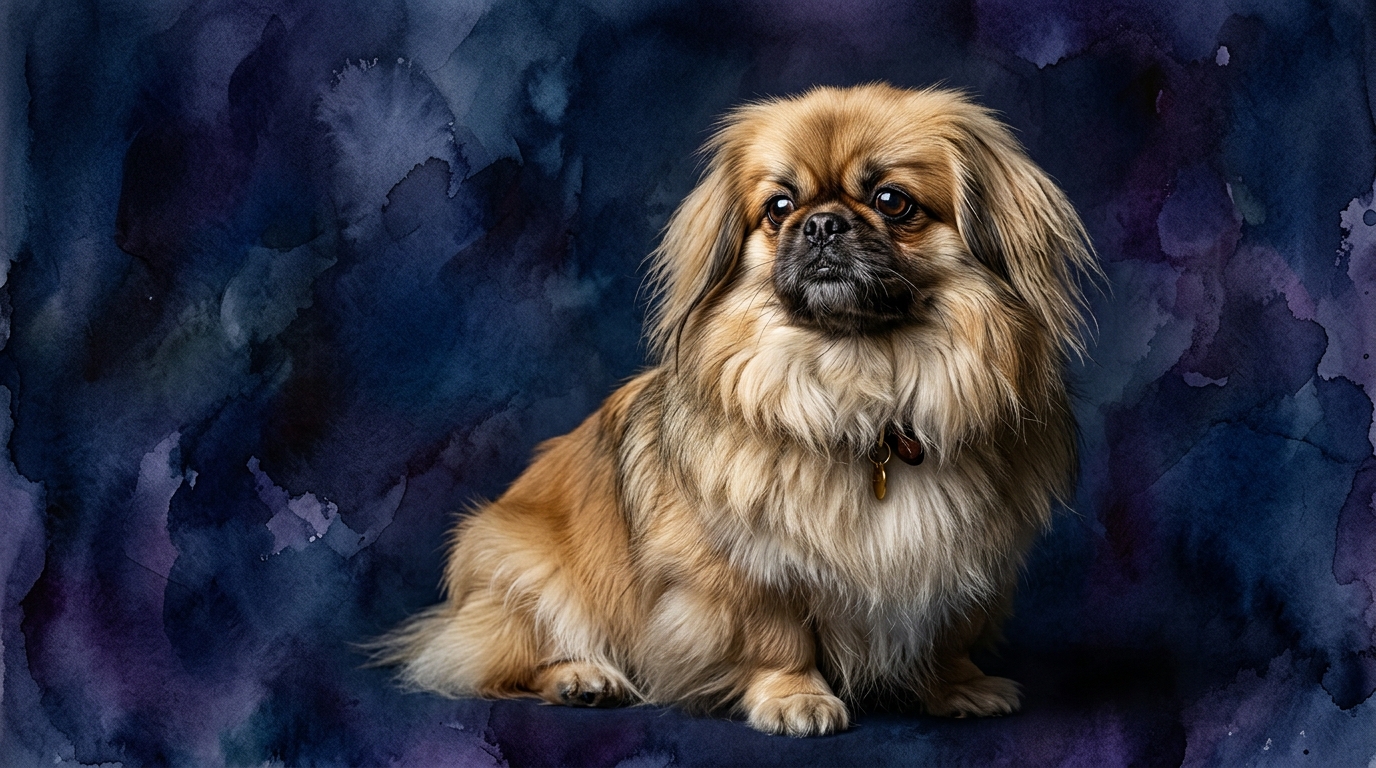
In contrast, the Pekingese, a toy breed with a Coren rank of #77, presents a different set of cognitive strengths. Their Problem Solving at 3/5 means they can navigate routine challenges and solve simple, direct problems, such as finding a hidden treat or maneuvering around furniture, but they may find multi-step or abstract problem-solving less engaging or more difficult. With a Training Speed of 3/5, they learn at a moderate pace, requiring patience and consistent, positive reinforcement; while capable of learning basic commands, their independent nature means they might not always see the immediate value in performing them on cue. Their Social Intelligence score of 3/5 means Pekingese understand basic human social cues and form strong, often selective, attachments, tending to be more reserved, observing interactions rather than actively seeking to manage them, and appreciating a calm social environment. The Instinctive Drive for a Pekingese is moderate at 3/5, primarily focused on companionship, comfort, and a degree of territorial awareness, lacking the intense working drives of many larger breeds and preferring a more relaxed existence. Their Memory, also at 3/5, allows them to retain familiar routines, people, and pleasant experiences adequately, remembering where their favorite napping spot is or who offers the best cuddles, but with less capacity for detailed recall of complex sequences or extensive training protocols.
Where the Rottweiler Excels Cognitively
The Rottweiler's cognitive profile positions them as superior in roles demanding complex intellectual engagement and physical prowess. Their Problem Solving score of 5/5 means they are naturally inclined to strategize, whether it's figuring out how to open a gate or navigating an agility course with precision. This capacity for independent thought and adaptive decision-making is a hallmark of their mental architecture. Coupled with an Instinctive Drive of 5/5, Rottweilers possess an intrinsic motivation to engage in purposeful activities, making them adept at tasks like protection work, search and rescue, or advanced obedience trials where sustained focus and drive are paramount. Their exceptional Memory (5/5) allows them to accumulate and recall a vast array of commands and experiences, building a rich behavioral repertoire that underpins their reliability in demanding situations. This robust memory ensures consistency in performance and a deep understanding of their established routines and roles within the family or working unit.
Where the Pekingese Shines Cognitively
While the Pekingese may not exhibit the same broad spectrum of working intelligence as the Rottweiler, their cognitive strengths are perfectly suited to their role as devoted companions. Their moderate Instinctive Drive (3/5) means they are generally content without needing constant, demanding mental work or strenuous physical activity, allowing them to thrive in quieter, less structured home environments and requiring less active management of their inherent urges. The Pekingese's Social Intelligence (3/5), though not geared towards complex group dynamics, enables them to form deep, selective bonds, often with one or two primary caregivers. This manifests as a discerning affection, where they are observant and subtly communicative, offering a calming presence rather than an overtly demanding one. Their Problem Solving at 3/5 is perfectly adequate for navigating their domestic world and expressing their needs and preferences without overcomplicating situations, contributing to their generally relaxed and self-possessed demeanor within their comfort zone.
Ease of Training: A Tale of Two Approaches
Training a Rottweiler is generally a more straightforward process for an experienced handler due to their high Training Speed (4/5) and powerful Instinctive Drive (5/5). They are eager to learn and thrive on having a job, quickly grasping new commands and complex sequences. Their exceptional Memory (5/5) ensures that once a behavior is learned, it is retained reliably. However, their strong drives require a firm, consistent, and knowledgeable approach to channel their energy productively, as an unmanaged Rottweiler can apply their problem-solving and drive to undesirable behaviors. They respond best to clear expectations, positive reinforcement, and a sense of purpose in their training, making them rewarding partners for those who understand their drive for engagement.
The Pekingese, with a Training Speed of 3/5 and a more moderate Instinctive Drive (3/5), presents a different training dynamic. They can learn, but often require more patience, repetition, and creative motivation. Their independent streak means they might not always perceive the inherent value in performing a command, leading to a "what's in it for me?" attitude. Successful training with a Pekingese involves making it feel like a fun game, utilizing high-value treats and praise, and keeping sessions short and engaging. Their problem-solving (3/5) is sufficient for basic commands, but complex tasks might need to be broken down into very small, manageable steps. Consistency is key, but so is understanding that their motivation often comes from comfort and companionship, not a strong desire to "work" or perform.
Active Owners vs. Relaxed Owners: Matching Cognitive Needs
Owners seeking an active, engaged partner for demanding activities will find the Rottweiler to be an ideal match. Their 5/5 Instinctive Drive and 5/5 Problem Solving capability mean they require consistent mental and physical stimulation to prevent boredom and channel their considerable energy constructively. They excel in dog sports like Schutzhund, obedience, agility, and even roles as service or therapy animals where their strong social intelligence (4/5) and memory (5/5) are assets. An owner must be prepared to invest significant time in training, exercise, and providing a clear purpose for this breed, as their cognitive makeup thrives on structured engagement.
Conversely, the Pekingese is perfectly suited for owners who prefer a more relaxed pace of life. Their moderate Instinctive Drive (3/5) and Problem Solving (3/5) mean they are content with gentle walks, indoor play, and ample time for companionship. They do not demand constant mental challenges or strenuous physical activity, making them excellent companions for individuals or families who enjoy a calm domestic environment. While they still benefit from basic training and socialization, their needs are far less intensive, allowing for a more laid-back approach to daily care and interaction, aligning with their cognitive preference for comfort and observation.
The Verdict
Choose a Rottweiler if you are an experienced owner seeking a highly capable, engaged partner for structured training, demanding activities, or a protective role, prepared to dedicate significant time to their mental and physical needs.
Opt for a Pekingese if you desire a quiet, independent, affectionate companion content with a calm domestic life and less intensive demands for physical exercise or complex mental stimulation.
🧠 Find Your Pet's IQ Score
Our Pet IQ Lab assessment covers 25+ tests across 5 cognitive dimensions — personalized to your breed.
Take the Full IQ Test →Frequently Asked Questions
Does a lower Coren rank mean a dog cannot be trained?
No, a lower Coren rank simply indicates a breed typically requires more repetitions to learn new commands and might take longer to respond reliably. Every dog is trainable, but breeds with lower ranks, like the Pekingese, benefit from extra patience, positive reinforcement, and understanding their individual motivations.
How does "Instinctive Drive" affect a dog's behavior?
Instinctive Drive describes a dog's inherent inclination towards certain behaviors like hunting, guarding, or herding. A high drive, as seen in the Rottweiler, means these urges are powerful and need productive outlets, while a moderate drive, like the Pekingese, suggests these instincts are present but less compelling, leading to a more relaxed demeanor without constant purpose-seeking.
Can a Pekingese perform complex tasks like a Rottweiler?
While a Pekingese can certainly learn tricks and basic obedience, their Problem Solving score of 3/5 suggests they are less inclined or equipped for highly complex, multi-step tasks or advanced working roles that a Rottweiler (5/5) excels at. Their cognitive strengths lie more in companionship and navigating their immediate environment rather than intricate problem-solving.