Side-by-Side IQ Profile: Decoding Canine Minds
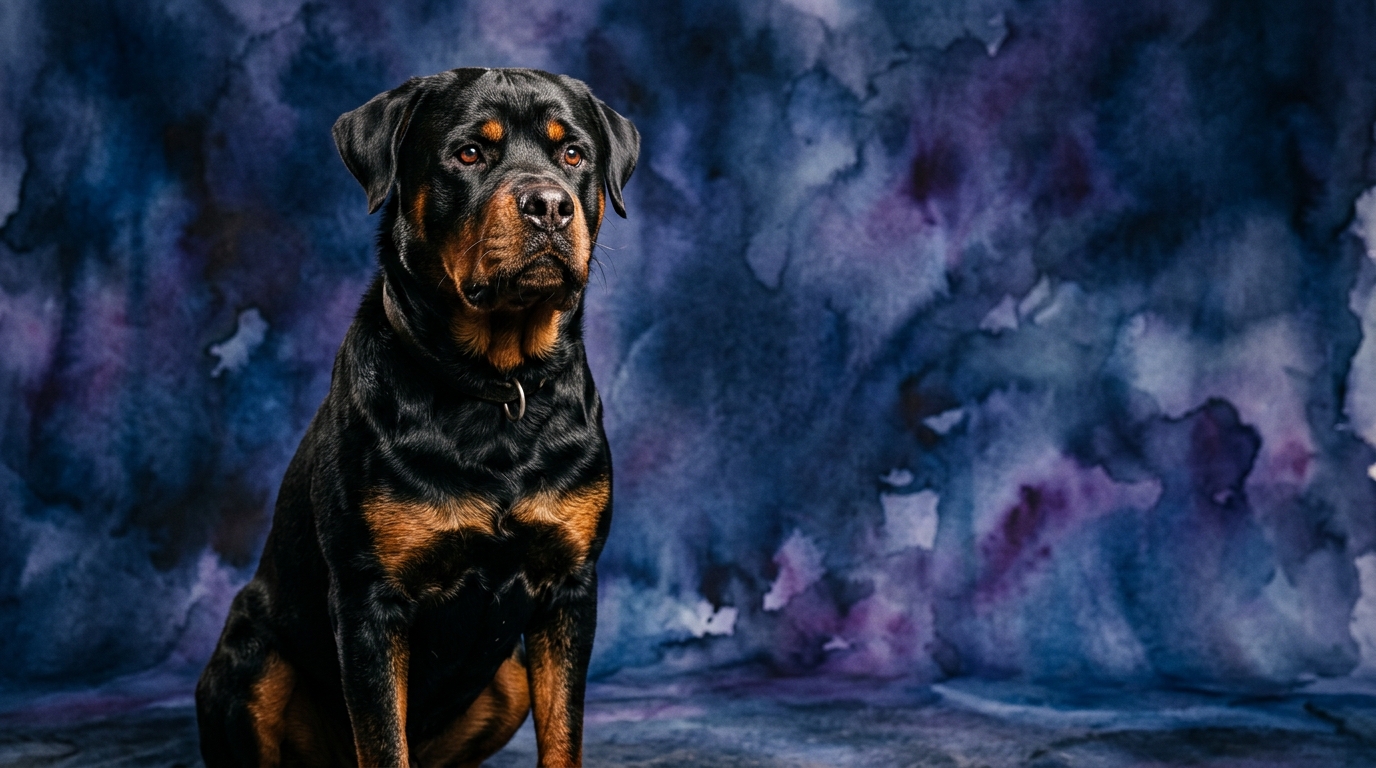
The Rottweiler's Pet IQ Lab profile paints a picture of a formidable cognitive athlete. Their Problem Solving score of 5/5 indicates exceptional capacity for independent thought and figuring out complex situations, a trait invaluable for their historical roles in herding and guarding. Training Speed, at 4/5, suggests they grasp new commands and routines with impressive alacrity, making them responsive learners. Social Intelligence, rated 4/5, points to a strong ability to understand human cues and social hierarchies, crucial for working partnerships. An Instinctive Drive of 5/5 highlights powerful innate behaviors, often geared towards protection and task completion. Finally, their Memory, also 5/5, signifies a remarkable ability to retain information, from commands to routines and past experiences, contributing to their reliability.
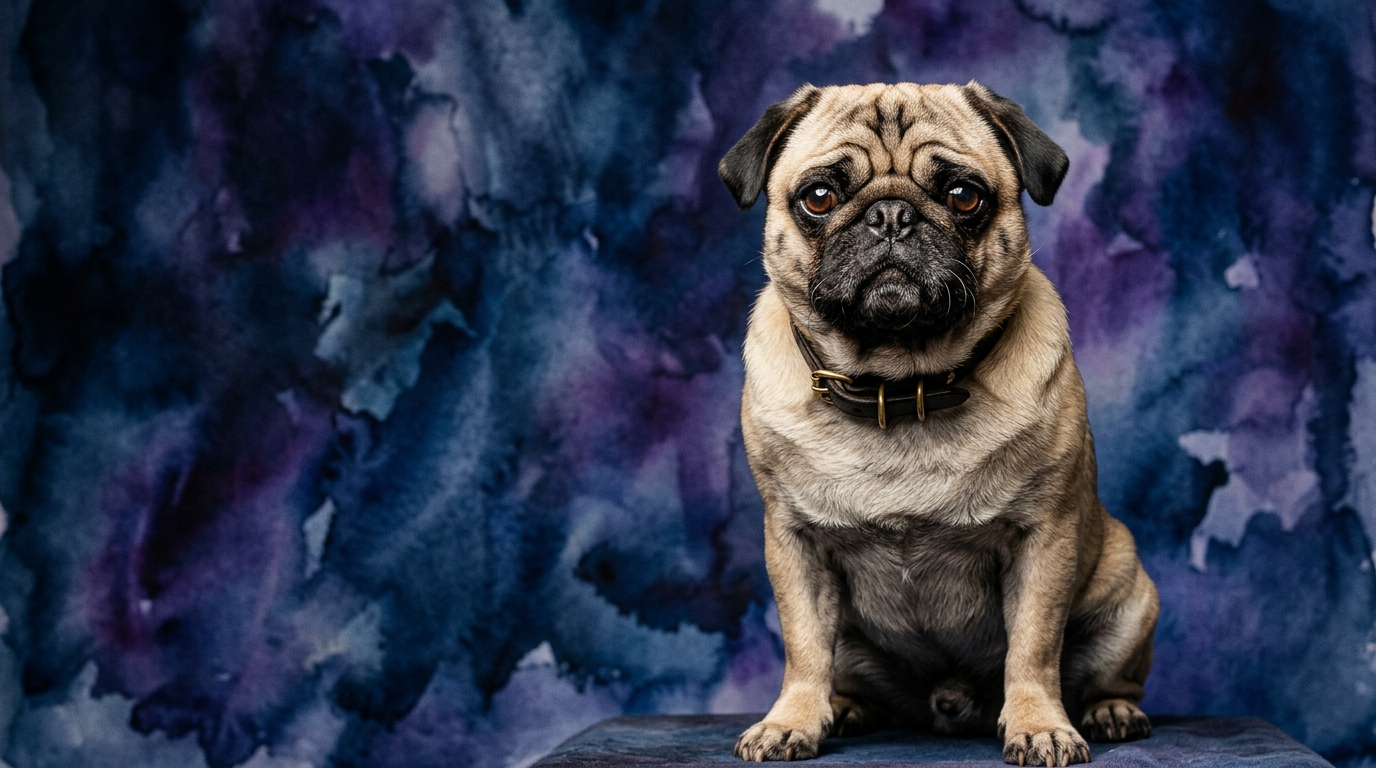
In contrast, the Pug's Pet IQ Lab profile reflects a different kind of brilliance, one centered on companionship. Their Problem Solving score of 2/5 indicates a preference for less complex cognitive challenges, often relying on their human partners rather than independent strategizing. Training Speed, at 2/5, suggests a more leisurely approach to learning new commands, requiring patience and consistent, positive reinforcement. Where the Pug truly shines is in Social Intelligence, scoring a perfect 5/5, demonstrating an extraordinary aptitude for emotional connection and understanding human moods and intentions. Their Instinctive Drive, at 2/5, is relatively low, aligning with their role as a devoted indoor companion rather than a working dog. Memory, rated 3/5, is adequate for daily routines and recognizing familiar faces but less geared towards retaining intricate sequences or vast amounts of information.
This stark contrast underscores how breeds evolve with specific purposes. The Rottweiler’s cognitive strengths are rooted in practical application and independent action, while the Pug’s mind is finely tuned for intimate human interaction and emotional reciprocity.
Where the Rottweiler's Mind Shines Brightest
The Rottweiler's cognitive prowess is evident across several dimensions, making them exceptionally capable. Their 5/5 Problem Solving ability means they aren't just following commands; they are actively assessing situations and making decisions. This is crucial for tasks like livestock protection, where they must react to dynamic threats without constant human instruction, or even navigating complex obedience courses with precision. Coupled with a 5/5 Memory, a Rottweiler can recall intricate sequences of commands, remember specific boundaries, and even retain past experiences to inform future actions, making them highly dependable. Their 5/5 Instinctive Drive fuels a persistent determination to complete tasks, whether it's fulfilling a guarding duty or excelling in a canine sport, translating into incredible focus and endurance. The 4/5 Training Speed further solidifies their cognitive advantage; they absorb new information swiftly, allowing for a vast repertoire of learned behaviors and a deeper partnership with their handler built on mutual understanding and clear communication.
The Pug's Unique Cognitive Charms
While the Pug's profile might suggest a less 'task-oriented' mind, their cognitive strengths are profoundly impactful in their sphere. The Pug's perfect 5/5 Social Intelligence is their crowning glory, indicating an exceptional ability to read and respond to human emotions and social cues. They excel at forming deep, intuitive bonds, often anticipating their owner's moods or desires with remarkable accuracy. This isn't about solving complex puzzles, but about navigating the intricate world of human-canine companionship with unparalleled grace. Their lower scores in other areas often contribute to their endearing qualities; a Pug's occasional 'stubbornness' or slower training speed can be interpreted as a delightful, independent spirit rather than a lack of capacity, making their eventual compliance all the more rewarding. Their moderate memory of 3/5 is perfectly sufficient for remembering who provides the best cuddles and where the food bowl is, fulfilling their primary role as a beloved, emotionally attuned family member.
Training Dynamics: Effort vs. Engagement
Training a Rottweiler generally requires a firm, consistent, and stimulating approach, but often yields rapid results due to their 4/5 Training Speed and 5/5 Problem Solving. They thrive on mental challenges and clear, logical instruction, quickly understanding the 'why' behind a command. A Rottweiler learns not just to perform an action, but to understand its context and purpose, which is why they excel in advanced obedience, protection work, or search and rescue. Their high Instinctive Drive means they are motivated by purpose and often possess a strong work ethic. In contrast, training a Pug, with a 2/5 Training Speed and 2/5 Problem Solving, demands immense patience, positive reinforcement, and making the learning process feel like a fun game. Pugs are less driven by the inherent 'task' and more by the social interaction and rewards. They might take longer to master a command and may require more repetition, but their 5/5 Social Intelligence means they are eager to please their beloved humans, often responding best to humor, affection, and food-based incentives rather than strict drills. Behavioral differences manifest in a Rottweiler's focused intensity versus a Pug's playful distraction; both learn, but their internal motivations and processing speeds differ significantly.
Matching Minds to Lifestyles: Active vs. Relaxed Owners
For the active owner seeking a truly engaged partner in various endeavors, the Rottweiler is an undeniable match. Their 5/5 Instinctive Drive means they require outlets for their energy and purpose, whether through advanced training, dog sports, or meaningful 'jobs' around the home. Owners who enjoy hiking, competitive obedience, or even just long, structured walks will find a Rottweiler's cognitive and physical stamina perfectly aligned with their lifestyle. The mental stimulation required to satisfy their 5/5 Problem Solving brain is considerable, making them unsuitable for sedentary households. Conversely, the Pug is an ideal companion for relaxed owners who prioritize emotional connection and low-key companionship. Their lower Instinctive Drive (2/5) and less demanding physical needs mean they are content with shorter strolls and ample cuddle time on the sofa. An owner who appreciates a dog that is an emotional anchor and a charming presence, rather than a working partner, will find the Pug's 5/5 Social Intelligence perfectly suits their desire for a devoted, affectionate, and relatively undemanding companion.
The Verdict
Choose a Rottweiler if you are an experienced, active owner ready to commit to consistent, challenging training and provide ample mental and physical stimulation for a highly capable and protective companion.
Choose a Pug if you seek an affectionate, charming, and emotionally intuitive companion for a relaxed household, valuing social connection over complex task performance.
🧠 Find Your Pet's IQ Score
Our Pet IQ Lab assessment covers 25+ tests across 5 cognitive dimensions — personalized to your breed.
Take the Full IQ Test →Frequently Asked Questions
Are Rottweilers truly smarter than Pugs?
When evaluating 'intelligence' through the lens of problem-solving, training speed, and instinctive drive, Rottweilers typically demonstrate a higher aptitude for complex tasks and independent thought. However, Pugs excel in social intelligence, making them profoundly attuned to human emotions and excellent companions, highlighting that 'smartness' is multifaceted and depends on the desired role.
Can a Pug be trained for complex tasks?
While Pugs may take longer to learn complex tasks due to their lower training speed and problem-solving scores, they are certainly trainable. Success relies on immense patience, positive reinforcement, breaking tasks into small steps, and leveraging their high social intelligence to make training a bonding experience rather than a strict regimen.
How does social intelligence differ between them?
The Pug's 5/5 social intelligence means they are exceptionally adept at reading human emotions, body language, and social cues, making them highly empathetic and intuitive companions. The Rottweiler's 4/5 social intelligence is also strong, enabling them to form deep working partnerships and understand commands, but their focus is often on hierarchy and task fulfillment within a social structure rather than pure emotional attunement.