The Cosmic Pet Pet IQ Lab: Rottweiler vs. Skye Terrier Cognitive Profiles
At The Cosmic Pet Pet IQ Lab, we evaluate canine intelligence across five key dimensions: problem solving, training speed, social intelligence, instinctive drive, and memory. This comprehensive approach allows us to understand the unique mental architecture of each breed, moving beyond simple obedience metrics to reveal their inherent cognitive strengths and how they interact with their world.
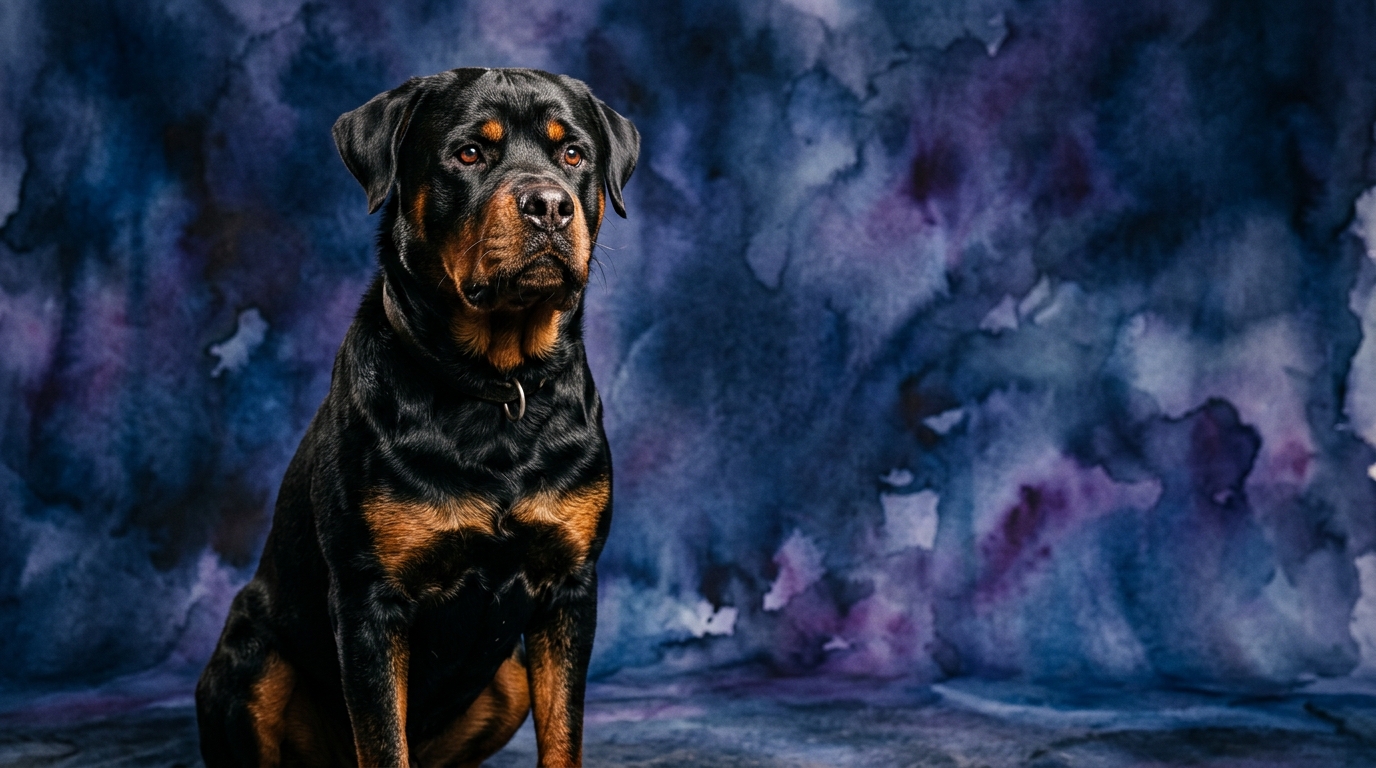
The Rottweiler, a formidable working breed, consistently demonstrates a profound capacity for complex thought and action. Their profile reflects a dog built for purpose and discernment.
**Rottweiler – Problem Solving (5/5):** Rottweilers exhibit an exceptional ability to analyze and resolve intricate situations. This extends beyond simple task completion to critical decision-making, such as assessing potential threats or navigating multi-step challenges with logical progression. They can extrapolate from learned experiences to tackle novel scenarios effectively.
**Rottweiler – Training Speed (4/5):** These dogs are notably quick learners, readily grasping new commands and procedures with minimal repetition. Their eagerness to engage and comply, coupled with their cognitive processing speed, makes them highly receptive to consistent, clear instruction.
**Rottweiler – Social Intelligence (4/5):** Rottweilers possess a keen awareness of human emotions, intentions, and social hierarchies within their family unit. They form deep, discerning bonds and can interpret subtle cues, allowing for nuanced communication and a strong partnership. While reserved with strangers, they are acutely attuned to their inner circle.
**Rottweiler – Instinctive Drive (5/5):** Their intrinsic motivation for guarding, herding, and protection is exceptionally strong and purposeful. This powerful drive translates into a focused determination, making them reliable in roles requiring sustained vigilance and a sense of duty.
**Rottweiler – Memory (5/5):** Rottweilers demonstrate outstanding long-term recall for learned commands, routines, and both positive and negative experiences. This robust memory ensures lessons are retained and applied consistently over time, contributing to their reliability and adaptability.
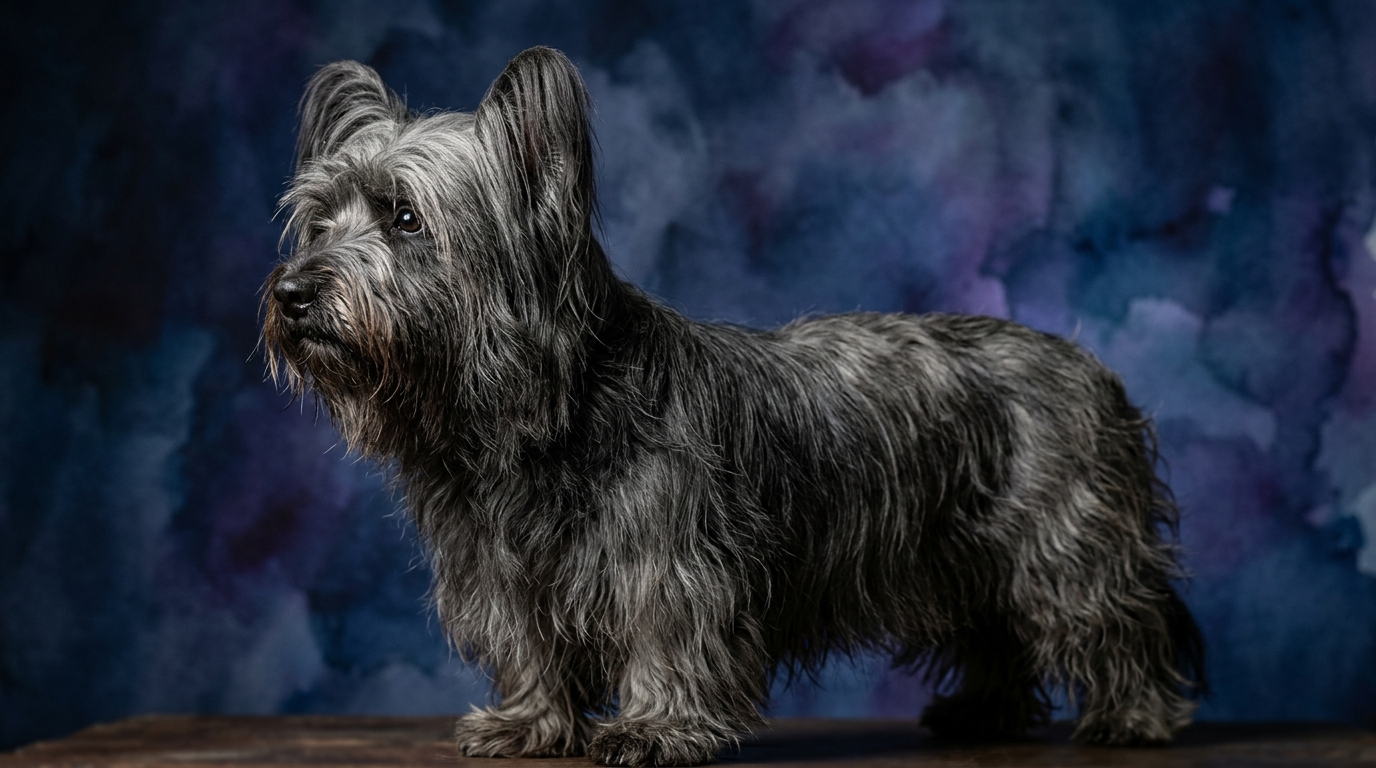
The Skye Terrier, a distinctive and elegant terrier breed, presents a cognitive profile shaped by its historical role as a tenacious hunter of vermin. Their intelligence is characterized by independence and focused determination.
**Skye Terrier – Problem Solving (3/5):** Skye Terriers are adept at solving practical, goal-oriented problems, particularly those engaging their innate terrier instincts like scent tracking or flushing small prey. While less inclined towards abstract human-imposed puzzles, they show ingenuity in overcoming physical obstacles to achieve a specific objective.
**Skye Terrier – Training Speed (3/5):** These terriers learn at a moderate pace, often requiring more patience and repetition from their handlers. Their independent spirit means they respond best when training is engaging, positive, and feels mutually beneficial, rather than simply following commands.
**Skye Terrier – Social Intelligence (3/5):** Skye Terriers form profound, loyal bonds with their immediate family, reading their chosen humans' cues with precision. However, they tend to be reserved, dignified, or even indifferent towards strangers, preferring the company of their inner circle. Their social acumen is deep but highly selective.
**Skye Terrier – Instinctive Drive (3/5):** Possessing a strong and focused prey drive, typical of terriers, their intrinsic motivation centers around hunting and investigating. This drive, while not as broad as a working breed's, fuels their tenacity and courage in pursuing perceived 'tasks' related to their heritage.
**Skye Terrier – Memory (3/5):** Skye Terriers retain learned information and experiences adequately. They remember routines, significant events, and commands that they deem relevant or beneficial to their independent goals, forming a practical memory bank that serves their everyday lives.
Where the Rottweiler's Cognitive Strengths Shine
The Rottweiler’s cognitive strengths are particularly evident in their capacity for complex decision-making and purposeful engagement. Their 5/5 problem-solving ability means they don't merely react to situations; they analyze them. For instance, a Rottweiler in a protection role might learn to differentiate between a friendly approach and a genuine threat based on subtle behavioral cues, then adjust its response accordingly, rather than reacting uniformly to all strangers. This level of discernment requires sophisticated cognitive processing.
Their equally impressive 5/5 instinctive drive isn't just about raw power; it's about directed, sustained determination. This innate desire to guard and protect translates into a focused resolve that aids in task completion, making them excel in roles demanding vigilance and decision-making under pressure. A Rottweiler will demonstrate remarkable tenacity in maintaining a 'post' or protecting its family, driven by a deep sense of responsibility. Complementing this, their 5/5 memory ensures that complex training and past experiences are deeply ingrained, leading to reliable, consistent performance over time. They recall specific training scenarios and apply learned solutions, building a sophisticated behavioral repertoire. The combination of high training speed (4/5) and social intelligence (4/5) further solidifies their role as exceptional working partners, allowing them to quickly understand and integrate into human-led tasks and expectations with a strong sense of team cohesion.
How the Skye Terrier's Mind Excels
While the Skye Terrier’s cognitive scores of 3/5 might appear moderate compared to the Rottweiler, they reflect a distinct and highly effective form of intelligence, particularly within their ancestral domain. Their problem-solving (3/5) is not geared for abstract analysis, but for tenacious, practical application. A Skye Terrier excels at navigating intricate environments or overcoming obstacles when driven by its prey instinct, such as squeezing through tight spaces to investigate a scent. This isn't about broad complex thought, but focused, persistent ingenuity towards a specific, tangible goal.
Their instinctive drive (3/5), though numerically lower, is intensely concentrated. It underpins their remarkable courage and unwavering determination in challenging situations, especially when their terrier heritage is engaged. They exhibit immense grit and single-mindedness in pursuing a perceived 'job,' even if it’s just monitoring a squirrel in the yard, demonstrating a profound sense of purpose. Furthermore, their social intelligence (3/5) signifies a discerning loyalty; they form incredibly deep and nuanced bonds with their chosen few. While not universally demonstrative, their selective nature allows for a profound understanding within their inner circle, where they read their family's emotions with quiet precision, offering steadfast, personal companionship. Their moderate training speed (3/5) and memory (3/5) also reflect a learning style that values independence, where lessons are integrated into their own worldview rather than simply followed by rote.
Training Dynamics: Rottweiler vs. Skye Terrier
Training a Rottweiler typically involves leveraging their impressive training speed (4/5) and strong social intelligence (4/5). They are eager to please their handler and quickly grasp new commands, often requiring fewer repetitions than many other breeds. Their high instinctive drive (5/5) can be channeled productively into obedience, protection work, or canine sports, as they thrive on having a purpose. However, their physical power and guarding instincts demand early, consistent socialization and firm, fair leadership to ensure their abilities are directed positively. Their exceptional memory (5/5) means both good and bad habits stick, emphasizing the importance of consistent, positive reinforcement from a young age.
In contrast, training a Skye Terrier requires a different approach, largely due to their independent nature and moderate training speed (3/5). They are not inherently driven to please widely and can appear stubborn if they don't perceive the value in a command. Handlers must employ patience, creativity, and positive reinforcement, making training sessions engaging and game-like to capture their attention. Their focused instinctive drive (3/5) towards prey can be a distraction but can also be harnessed if training incorporates elements like scent work or 'hunting' for toys. Their discerning social intelligence (3/5) means they respond best to trusted family members. More repetition might be needed, and successful training relies on an owner who understands and respects their self-possessed character, rather than attempting to force compliance.
Matching Breed to Lifestyle: Active vs. Relaxed Owners
The Rottweiler is best suited for active owners who are prepared for a committed partnership and appreciate a dog with a clear purpose. These dogs require consistent physical exercise, robust mental stimulation, and ongoing training to channel their formidable intelligence and drives constructively. Owners should be ready to provide intensive socialization, leadership, and a structured environment. They thrive when given a 'job,' whether it's advanced obedience, protection training, or participating in canine sports, making them ideal for individuals or families who embrace an engaged, disciplined lifestyle. They are not a suitable choice for casual owners seeking a low-maintenance companion, as their cognitive and physical needs are significant.
The Skye Terrier, while not demanding the same intense physical exertion as a Rottweiler, requires a different kind of active engagement from its owner. They enjoy regular walks and playtime but are also content with a comfortable home life, provided their mental needs are met. Owners should be prepared to engage their terrier instincts through scent games, supervised digging opportunities, and short, engaging training sessions that respect their independent streak. A 'relaxed' owner for a Skye Terrier is not passive; instead, they are patient, consistent, and understand how to live harmoniously with a spirited, self-possessed companion who values dignity and deep, personal bonds over constant activity. They suit owners who appreciate a dog with a unique personality and are willing to invest time in understanding their nuanced communication.
The Verdict
Choose a Rottweiler if you seek a powerful, loyal working partner who thrives on purpose, complex tasks, and consistent, firm guidance, ready to integrate deeply into an active family life.
Opt for a Skye Terrier if you appreciate a resilient, independent, and discerning companion who forms deep bonds with a select few, offering quiet loyalty and engaging charm with moderate exercise needs.
🧠 Find Your Pet's IQ Score
Our Pet IQ Lab assessment covers 25+ tests across 5 cognitive dimensions — personalized to your breed.
Take the Full IQ Test →Frequently Asked Questions
Are Rottweilers naturally good at protection?
Rottweilers possess a strong instinctive drive for guarding and protection, scoring 5/5 in this area. This means they have an innate predisposition to protect their family and territory, but this drive requires careful socialization and specific training to ensure it's channeled appropriately and safely and does not become misdirected.
What challenges might a first-time owner face with a Skye Terrier's intelligence?
A first-time owner might find the Skye Terrier's independence and discerning nature challenging, as they score 3/5 in training speed and social intelligence. They are not always eager to please and require patience, consistent positive reinforcement, and a creative approach to training that respects their self-possessed character to achieve cooperation.
How does Coren's ranking relate to the Pet IQ Lab scores?
Coren's ranking primarily assesses a breed's 'working and obedience intelligence' based on how quickly they learn new commands. The Pet IQ Lab scores offer a broader, multi-dimensional view of intelligence, including problem-solving, social intelligence, instinctive drive, and memory, providing a more nuanced understanding of a breed's overall cognitive profile beyond just obedience.