
Side-by-Side Cognitive Profiles
The Cosmic Pet Pet IQ Lab assesses canine intelligence across five key dimensions, providing a granular view of each breed's cognitive strengths. For the Rottweiler, a breed recognized for its working heritage and ranked #9 by Coren, its profile is robust: Problem Solving 5/5 indicates an exceptional capacity to independently navigate complex situations and devise solutions. Training Speed is rated 4/5, showing they pick up new commands and routines with impressive quickness, though requiring consistent leadership. Social Intelligence at 4/5 signifies their adeptness at reading human cues and forming strong, protective bonds, understanding family dynamics. Instinctive Drive, a perfect 5/5, highlights a profound natural inclination for specific tasks like guarding, herding, or protection, driven by deep-seated instincts. Finally, Memory at 5/5 means they retain learned behaviors, commands, and experiences over long periods, making training cumulative and reliable.
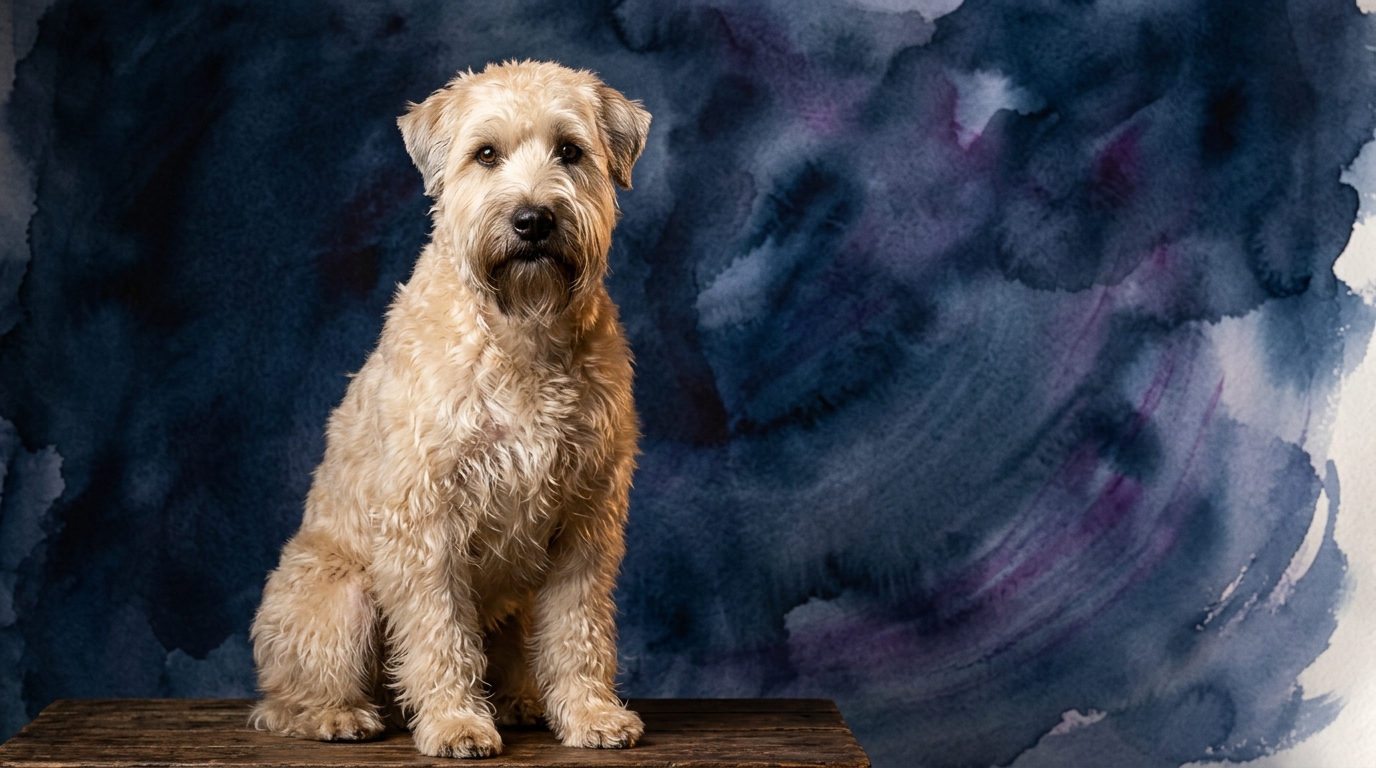
In contrast, the Soft Coated Wheaten Terrier, a charming terrier breed not yet Coren-ranked, presents a more balanced, moderate cognitive profile. Their Problem Solving is 3/5, meaning they are capable of solving straightforward problems but might require more guidance or trial-and-error for complex tasks. Training Speed also stands at 3/5, indicating they learn at a moderate pace, often requiring patience and repetition due to their independent streak. Social Intelligence is 3/5; they are generally affable and observant, forming strong attachments but perhaps not interpreting subtle human emotions with the same depth as a Rottweiler. Instinctive Drive is 3/5, showing moderate natural inclinations often expressed as a typical terrier prey drive or a desire for playful interaction, but without the intense focus of a working breed. Their Memory at 3/5 means they retain information adequately for daily routines and learned commands, though perhaps not with the absolute recall of a breed with a 5/5 score.
Where the Rottweiler Excels Cognitively
The Rottweiler's cognitive strengths are profoundly linked to their historical roles and inherent working dog traits. Their Coren ranking at #9 places them among breeds with a remarkable capacity for understanding and executing commands after minimal repetitions, a testament to their processing efficiency. The 5/5 score in Problem Solving indicates a breed that excels at independent thought in challenging scenarios, making them adept at tasks requiring strategic thinking, such as navigating complex protection work or intricate search and rescue operations. This isn't just about following commands; it's about evaluating a situation and making appropriate decisions.
Furthermore, their 5/5 in Instinctive Drive means Rottweilers possess a powerful, inherent motivation for specific roles, translating into unwavering focus and dedication when given a job. This profound drive is a cognitive predisposition to engage deeply with purpose-driven activities, a trait that can be channeled into advanced obedience, specialized service tasks, or competitive dog sports. A 5/5 Memory score ensures that once a lesson is learned, it is deeply ingrained, leading to reliable performance even after long breaks. This capability to recall past experiences and apply them to new situations speaks to a highly functional cognitive architecture, making them reliable and consistent partners in demanding roles.
Where the Soft Coated Wheaten Terrier Wins Cognitively
While not exhibiting the same intensity in raw cognitive scores, the Soft Coated Wheaten Terrier's consistent 3/5 across the board points to a balanced and adaptable intellect, particularly valuable for families seeking a companion without the constant, demanding need for complex mental stimulation. Their moderate Problem Solving (3/5) means they are perfectly capable of navigating daily life and learning household rules, often with a charming, independent spirit that finds novel, if not always efficient, solutions to personal desires, like figuring out how to reach a favorite toy on a shelf. This self-reliance can be a cognitive 'win' for owners who appreciate a dog that doesn't constantly demand a 'job' to feel fulfilled.
The 3/5 in Instinctive Drive, while lower than a Rottweiler's, translates into a versatile and less singularly focused temperament. Their terrier instincts are present but often manifest in playful bursts or curiosity rather than an overwhelming urge to work, making them emotionally and cognitively flexible for diverse family environments. This allows them to 'win' in adaptability, readily integrating into various household rhythms without the intense need for a specific, demanding purpose. Their social intelligence (3/5) allows them to form cheerful bonds without the deep, often intense, protective instincts of a guardian breed, making them more universally approachable and easier to introduce to new people and situations.
Trainability: Rottweiler vs. Wheaten Terrier
The Rottweiler, with its 4/5 Training Speed and 5/5 Memory, generally presents as easier to train in terms of command acquisition and retention. Their high Instinctive Drive (5/5) means they often possess an inherent desire to work and please a strong leader, making them highly receptive to consistent, firm, and positive guidance. They thrive on structure and purpose, quickly understanding what is expected and remembering it long-term. This breed's behavioral consistency, stemming from deep memory and a drive for purpose, makes them highly responsive to well-executed training. However, their physical power and strong will necessitate an experienced owner who can channel their considerable cognitive and physical drives effectively. Without appropriate mental engagement, their problem-solving skills might be directed towards undesirable behaviors, such as finding creative ways to circumvent rules.
The Soft Coated Wheaten Terrier, with 3/5 in both Training Speed and Memory, can be more challenging for a novice owner. Their terrier heritage often means they possess an independent streak and a 'what's in it for me?' attitude, making them less inherently driven to comply purely for the sake of pleasing. Training requires significant patience, consistency, and a highly motivating reward system. While they learn, their retention might not be as immediate or infallible as a Rottweiler's, and distractions can easily derail their focus. Their moderate instinctive drive means they might not have the same inherent 'work ethic,' requiring owners to make training feel like a fun game rather than a duty. Their problem-solving might be applied to finding ways around commands rather than strictly adhering to them, demanding creative and persistent training approaches to maintain engagement and compliance.
Lifestyle Match: Active vs. Relaxed Owners
For active owners who seek a canine partner deeply engaged in structured activities, the Rottweiler is an exceptional match. Their profound Instinctive Drive (5/5) and superior Problem Solving (5/5) demand consistent mental and physical challenges. These dogs thrive when given a job, whether it's advanced obedience, protection work, or participating in dog sports. They require daily, rigorous exercise and consistent mental stimulation to prevent boredom and channel their formidable cognitive abilities constructively. Their cognitive architecture is built for purpose, and without an outlet, they can become restless or direct their considerable intellect towards less desirable pursuits. A relaxed owner might find themselves overwhelmed by the Rottweiler's intense need for purpose and activity, potentially leading to frustration for both dog and human.
The Soft Coated Wheaten Terrier, while energetic in its own right, suits owners with a more balanced approach to activity. Their moderate Instinctive Drive (3/5) means they enjoy regular exercise, such as daily walks, playtime in a yard, or short bursts of fetch, but they don't typically demand the same intensity or structured 'work' as a Rottweiler. Their moderate problem-solving and social intelligence allow them to be content as family companions, readily adapting to household routines. They are a good fit for moderately active individuals or families who appreciate a cheerful, playful companion but don't intend to engage in highly specialized dog sports or protection training. They can enjoy periods of relaxation alongside their humans without becoming restless, provided their basic needs for activity and interaction are met.
The Verdict
Opt for a Rottweiler if you are an experienced owner prepared to commit to extensive, consistent training and provide a structured environment that channels their powerful drive and superior problem-solving capabilities into purposeful activities.
Select a Soft Coated Wheaten Terrier if you desire a cheerful, adaptable companion who thrives on moderate activity and family interaction, and you are willing to approach training with patience and a sense of humor for their independent spirit.
🧠 Find Your Pet's IQ Score
Our Pet IQ Lab assessment covers 25+ tests across 5 cognitive dimensions — personalized to your breed.
Take the Full IQ Test →Frequently Asked Questions
Do Soft Coated Wheaten Terriers make good guard dogs compared to Rottweilers?
Rottweilers, with their 5/5 instinctive drive for protection and 4/5 social intelligence, are inherently more suited for guarding roles due to their natural territoriality and ability to assess threats. While Wheatens (3/5 instinctive drive) will alert to strangers with barking, they generally lack the Rottweiler's intense protective instincts and physical presence for true guarding.
How does a Rottweiler's memory impact training compared to a Soft Coated Wheaten Terrier's?
A Rottweiler's 5/5 memory means they retain commands and complex routines exceptionally well over time, making training cumulative and reliable even with breaks. A Wheaten's 3/5 memory requires more consistent reinforcement and repetition to ensure long-term retention, as they might forget less frequently practiced commands more readily.
Are Soft Coated Wheaten Terriers truly less 'trainable' than Rottweilers?
While Rottweilers possess a higher training speed (4/5 vs 3/5) and a stronger desire to work, Wheatens are certainly trainable. Their perceived 'difficulty' often stems from their independent terrier spirit, which requires a more patient, positive-reinforcement based approach focused on making training fun and rewarding, rather than assuming immediate compliance.