
A Side-by-Side Look at Canine Cognition
The Cosmic Pet Pet IQ Lab employs five key dimensions to evaluate canine intelligence, offering a nuanced perspective beyond simple obedience. For the majestic Saint Bernard, a working dog breed ranked #65 by Coren, its profile shows a Problem Solving capacity of 3/5, indicating a moderate ability to navigate novel situations independently. Training Speed registers at 2/5, suggesting a more deliberate learning pace. Its Social Intelligence stands out at 4/5, reflecting a strong attunement to human cues, while Instinctive Drive is a pronounced 5/5, highlighting powerful innate motivations. Memory for the Saint Bernard is rated at a moderate 3/5.
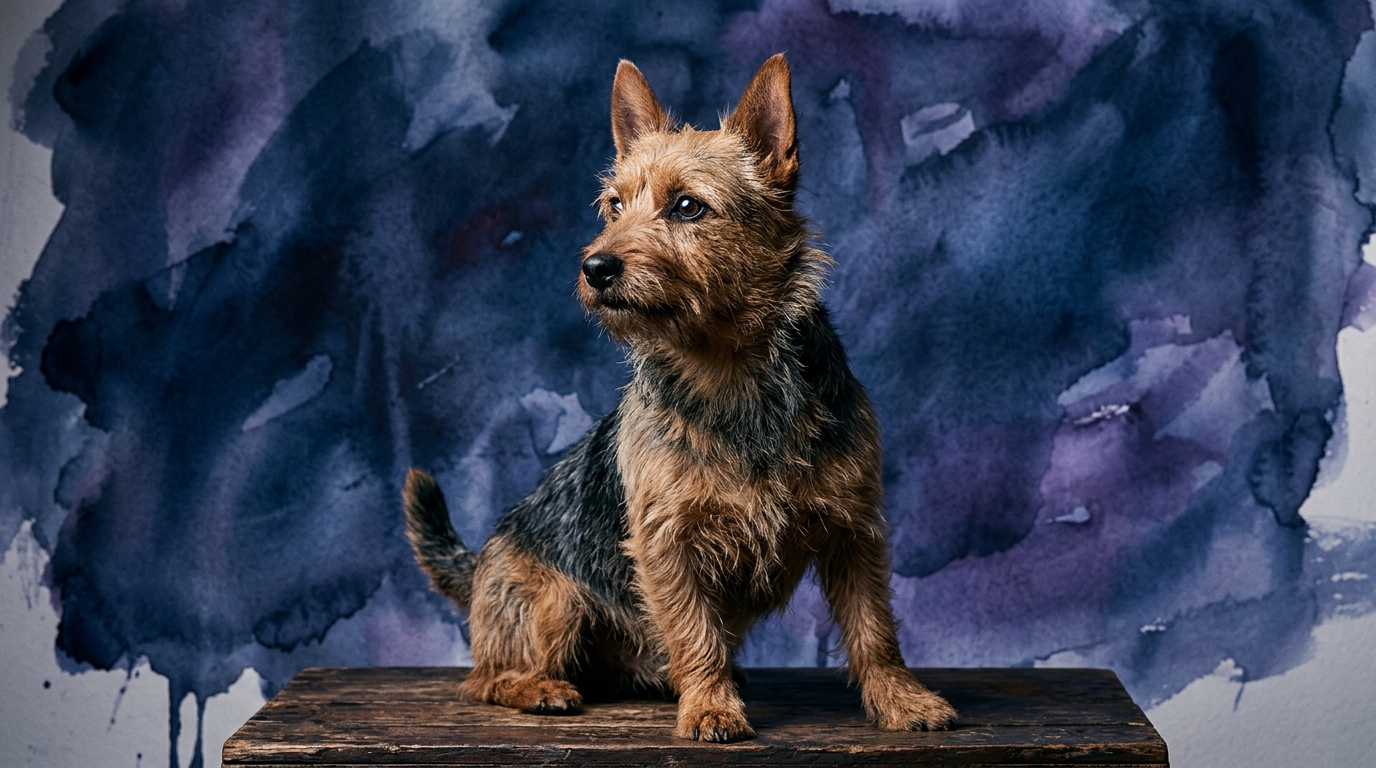
In contrast, the Australian Terrier, a terrier breed without a specific Coren rank, presents a different cognitive blueprint. Its Problem Solving ability also sits at 3/5, similar to the Saint Bernard. However, its Training Speed is a quicker 3/5, suggesting a more responsive learner. Social Intelligence for the Australian Terrier is 3/5, indicating a solid but not exceptionally deep understanding of social dynamics. Its Instinctive Drive is also 3/5, reflecting a balanced set of innate behaviors, and its Memory is rated at a steady 3/5.
Where the Saint Bernard's Mind Shines
The Saint Bernard distinguishes itself with superior Social Intelligence, scoring 4/5 compared to the Australian Terrier's 3/5. This indicates a profound capacity for empathy and understanding human emotional states, making them exceptionally attuned companions. They often demonstrate an uncanny ability to sense distress or joy in their family members, responding with comforting nudges or shared excitement, a trait deeply valued by those seeking a truly connected canine partner. Their large, expressive eyes often seem to convey a deep understanding, reflecting their advanced social processing.
Another area where the Saint Bernard excels is its Instinctive Drive, rated at an impressive 5/5. This isn't merely about raw power but a deeply ingrained sense of purpose, historically linked to their role as rescue dogs in the treacherous Swiss Alps. This drive manifests as a strong protective instinct for their family and territory, a robust desire to be involved in household activities, and a reliable, steady demeanor when faced with perceived threats or responsibilities. This profound internal motivation provides a stable foundation for their character, contrasting with the Australian Terrier's more generalized drives. Their Coren ranking of #65, placing them in the average working intelligence group, further underscores their reliable foundational cognitive abilities, even if their learning speed is more measured.
Cognitive Strengths of the Australian Terrier
The Australian Terrier's cognitive profile reveals specific advantages, particularly in Training Speed, where it scores 3/5 against the Saint Bernard's 2/5. This indicates that Australian Terriers generally grasp new commands and routines more readily, often requiring fewer repetitions to solidify a learned behavior. This quicker comprehension can make initial training sessions more dynamic and rewarding for owners, as the terrier shows a brisker pace in connecting actions with desired outcomes. Their responsiveness contributes to a perception of readiness to engage and learn.
While both breeds share a 3/5 score for Problem Solving and Memory, the Australian Terrier's natural terrier temperament often translates into a more agile application of these cognitive skills. Their inherent curiosity and independent spirit mean they are often self-directed in exploring their environment and figuring out how to achieve their immediate goals, whether it's retrieving a hidden toy or navigating a small obstacle course. This can manifest as cleverness in their daily interactions, often finding inventive ways to get what they want within their surroundings, showcasing an active and resourceful mind that enjoys mental engagement.
Training Dynamics: Which is Easier?
When considering ease of training, the Australian Terrier generally presents a more straightforward experience due to its higher Training Speed score of 3/5. They tend to pick up new commands and establish routines with greater efficiency, making early socialization and basic obedience training a comparatively quicker process. Their moderate social intelligence means they are responsive to their owner's guidance, and their moderate instinctive drive, while present, is typically manageable and can be channeled effectively with consistent, positive reinforcement, leading to a dog that learns and retains tasks steadily.
The Saint Bernard, with a Training Speed of 2/5, requires a more patient and persistent approach. While perfectly capable of learning, their cognitive processing for new commands is more deliberate, meaning owners must commit to consistent, repetitive training sessions. Their immense size also mandates early and effective training for safety and manageability, making patience not just a virtue but a necessity. Their powerful 5/5 Instinctive Drive, while a strength, can sometimes mean they are deeply motivated by their innate instincts rather than immediate obedience, requiring owners to understand and work with these deep-seated motivations to achieve cooperation.
Matching Canine Minds to Owner Lifestyles
The Saint Bernard, despite its imposing size, often fits best with more relaxed owners who appreciate a calm, steadfast companion. Their moderate problem-solving and memory, combined with a slower training speed, mean they thrive in predictable, loving environments where consistency is key. Their exceptional 4/5 social intelligence indicates they are deeply connected to their family, valuing companionship above high-intensity activity. They are not built for endurance sports but enjoy leisurely walks and being an integral part of family life, making them ideal for individuals or families seeking a gentle, loyal presence who can provide ample space and consistent, patient guidance.
Conversely, the Australian Terrier's quicker training speed, moderate instinctive drive (which can translate to an active prey drive), and overall zest for life make them well-suited for more active owners. They enjoy engaging in varied activities that stimulate both their minds and bodies, such as agility, obedience classes, or regular, interactive play sessions. Their moderate social intelligence means they appreciate interaction but also possess a degree of terrier independence, making them suitable for owners who enjoy a dog with character and initiative. They thrive in homes where they can participate in daily adventures and receive consistent mental and physical enrichment, fitting seamlessly into a dynamic lifestyle.
The Verdict
Opt for a Saint Bernard if you seek a deeply empathetic, protective companion who thrives on strong social bonds and a calm, consistent home environment, understanding that their training journey requires patience.
Select an Australian Terrier if you desire a lively, responsive partner who enjoys engaging in varied activities and learns new tasks at a brisker pace, fitting well into a more active household.
🧠 Find Your Pet's IQ Score
Our Pet IQ Lab assessment covers 25+ tests across 5 cognitive dimensions — personalized to your breed.
Take the Full IQ Test →Frequently Asked Questions
How does the Saint Bernard's high instinctive drive manifest in daily life?
This drive often translates into a strong protective instinct for their family and a deep desire to be involved in household routines. Owners might observe them 'herding' family members or demonstrating a powerful sense of purpose, sometimes linked to their historical role in rescue, requiring consistent direction.
Is the Australian Terrier's moderate instinctive drive a challenge for training?
While moderate, their instinctive drive, often rooted in their vermin-hunting heritage, can mean they are easily distracted by small, moving objects. Consistent, positive reinforcement training from a young age is key to channeling this drive effectively and maintaining focus, making them adaptable companions.
How important is early socialization for both breeds given their social intelligence scores?
Early socialization is crucial for both, though for different reasons. For the Saint Bernard, it refines their strong social intelligence, ensuring they are well-adjusted gentle giants in various situations. For the Australian Terrier, it helps temper their natural independence and moderate social intelligence, promoting confident and polite interactions with others.