Side-by-Side IQ Profile: Saint Bernard vs. Bouvier des Flandres
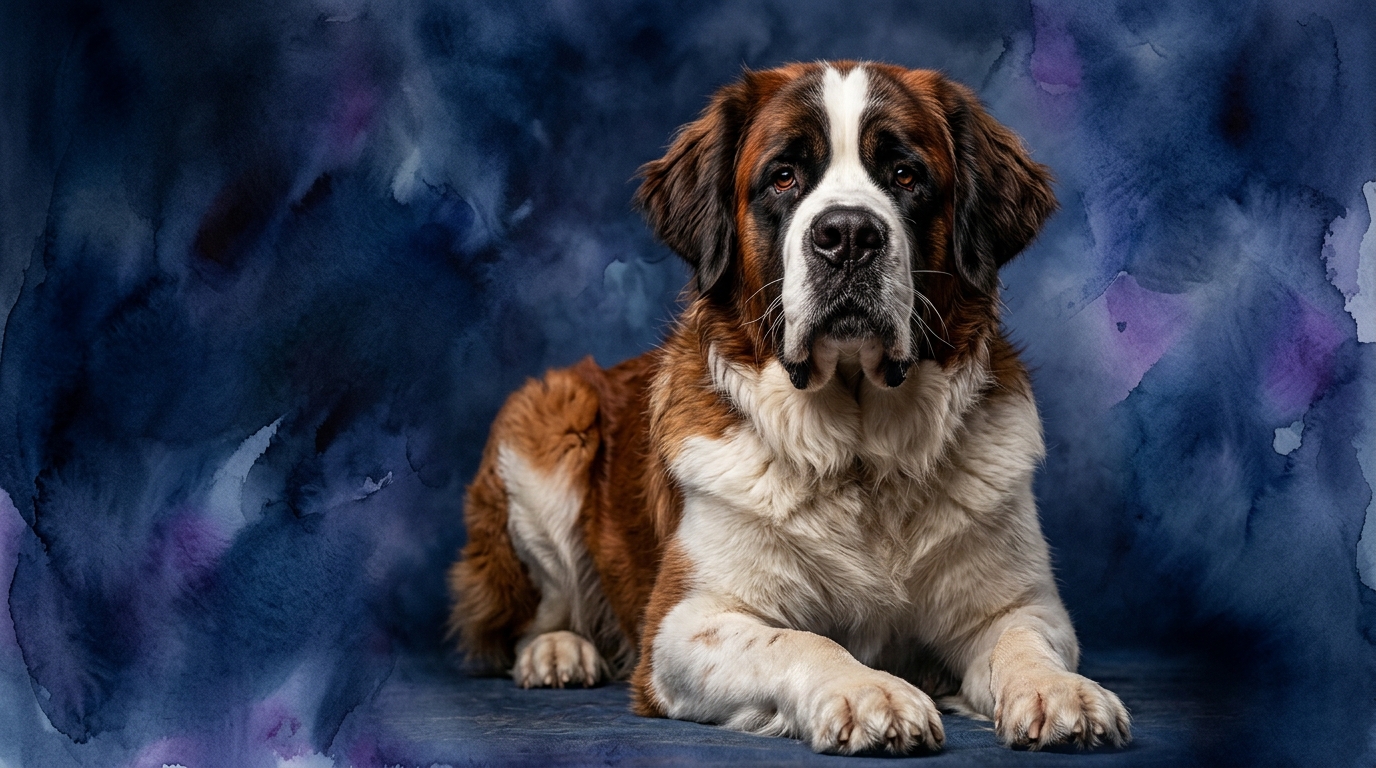
The Saint Bernard, a breed renowned for its alpine rescue heritage, holds a Coren rank of #65, placing it in the lower-middle tier for obedience and working intelligence. Its cognitive strengths are particularly evident in its social and instinctive dimensions. Problem Solving is rated at 3/5, indicating a capacity to navigate complex situations, especially in its traditional role of locating and assisting lost travelers. Its Training Speed is 2/5, suggesting it requires consistent, patient instruction to grasp new commands. Where the Saint Bernard truly shines is in Social Intelligence, rated at 4/5; these dogs possess a profound ability to understand human emotions and intentions, forming deep, empathetic bonds. Their Instinctive Drive is a remarkable 5/5, reflecting an innate, powerful urge for specific tasks like tracking and seeking, vital for its rescue work. Memory is assessed at 3/5, indicating a solid ability to retain learned information.
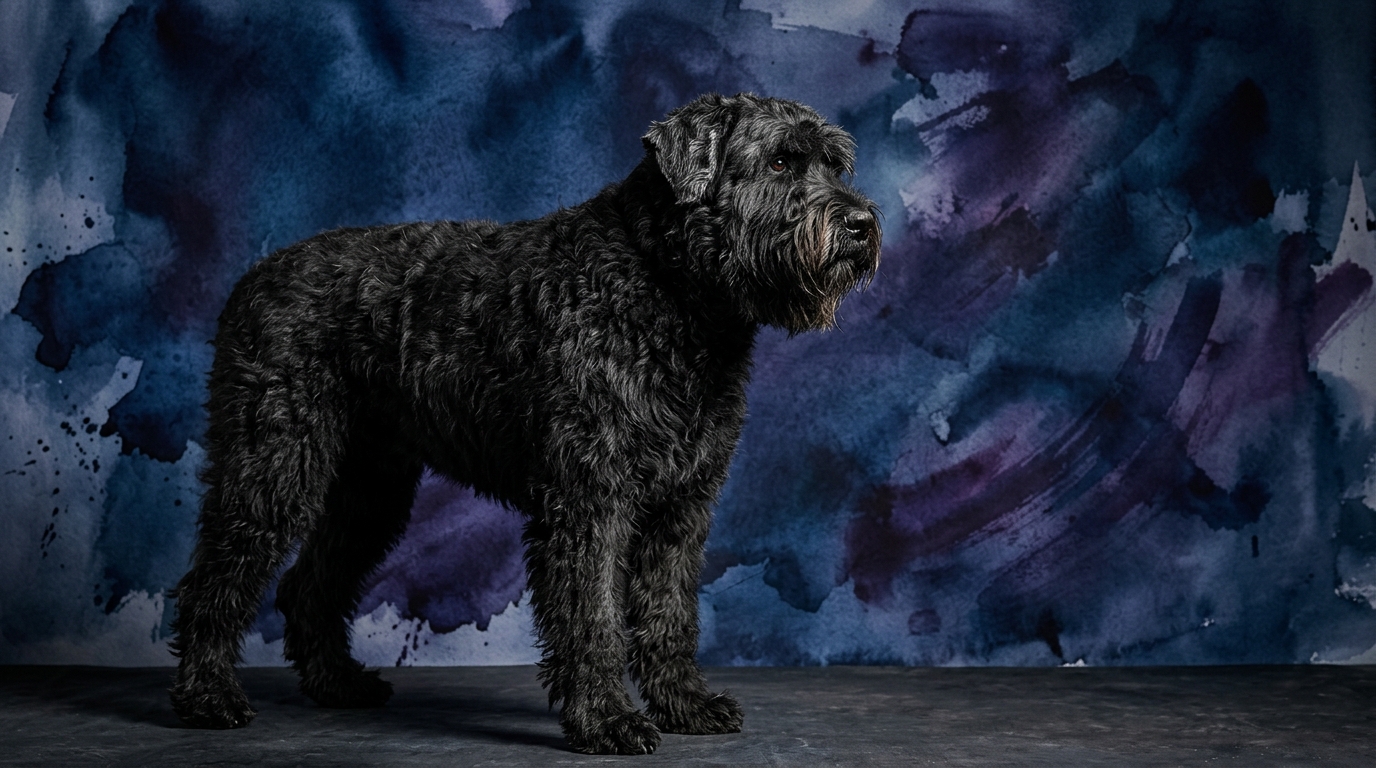
In contrast, the Bouvier des Flandres, a robust herding dog, is not listed in Coren's rankings, often due to its less common status in competitive obedience. Its cognitive profile reflects a balanced, versatile working dog. Problem Solving is rated at 3/5, signifying an ability to independently assess and resolve practical challenges, crucial for managing livestock. Its Training Speed is 3/5, indicating a moderate pace of learning and responsiveness to instruction. Social Intelligence for the Bouvier des Flandres is 3/5; while capable of understanding social cues, it tends to be more reserved and independent compared to the Saint Bernard's overt empathy. Its Instinctive Drive is also 3/5, reflecting a strong but not overwhelmingly specialized urge for herding and protection tasks. Memory is rated at 3/5, showing a reliable capacity to recall commands and routines.
Where the Saint Bernard Wins Cognitively
The Saint Bernard distinctly surpasses the Bouvier des Flandres in two key cognitive dimensions: social intelligence and instinctive drive. With a Social Intelligence score of 4/5 compared to the Bouvier's 3/5, the Saint Bernard exhibits a superior capacity for empathy and understanding human emotional states. This acute awareness is not merely about recognizing a command but sensing distress, a critical element in its historical role of locating and comforting avalanche victims. A Saint Bernard might intuitively respond to subtle shifts in human body language, offering comfort or seeking help through a deep, nuanced understanding of its human companions. Its Instinctive Drive, rated 5/5 versus the Bouvier's 3/5, is profoundly specialized and powerful. This manifests as an exceptionally strong, inherent urge for tasks like tracking, seeking, and enduring challenging conditions. For instance, a Saint Bernard's drive to navigate treacherous alpine environments to locate a buried individual demonstrates an unwavering focus and purpose rooted deeply in its breed's genetic makeup. This intense, specialized drive, combined with its social acumen, allows it to perform complex, life-saving tasks.
Where the Bouvier des Flandres Wins Cognitively
The Bouvier des Flandres demonstrates a cognitive edge over the Saint Bernard primarily in its Training Speed and its practical application of problem-solving in dynamic, autonomous work. With a Training Speed of 3/5 compared to the Saint Bernard's 2/5, the Bouvier typically grasps new commands and routines more readily, requiring less repetition to solidify learned behaviors. This quicker uptake is invaluable for a dog whose historical role involved responding promptly to a shepherd's varied commands and adapting to changing livestock movements. While both breeds share a 3/5 rating for Problem Solving, the Bouvier's application often leans towards independent, on-the-spot decision-making within a fluid environment. A Bouvier, for example, might autonomously adjust its herding strategy based on unpredictable movements of a flock, demonstrating self-reliant cognitive flexibility. This involves assessing terrain, livestock temperament, and desired outcome, then executing a plan with minimal direct human intervention. Its cognitive strength lies in its adaptable, responsive intelligence.
Which is Easier to Train and Why
Based on their cognitive profiles, the Bouvier des Flandres is generally considered easier to train than the Saint Bernard. The Bouvier's Training Speed is rated at 3/5, indicating a moderate and responsive learning curve. This means it tends to pick up new commands and routines with greater efficiency, often requiring fewer repetitions to achieve proficiency. Its herding background has cultivated a dog attentive to its handler and willing to engage in structured work, making it more receptive to formal obedience training. A Bouvier's natural inclination to work collaboratively and its quicker processing of new information means training sessions can be more dynamic and progress at a steadier pace. In contrast, the Saint Bernard has a Training Speed of 2/5. While capable of learning, they require significantly more patience, consistency, and repetition from their trainers. Their strong, specialized instinctive drive is powerful, but it doesn't always translate into a quick uptake of general obedience commands. Trainers often need to motivate a Saint Bernard by leveraging its social intelligence or incorporating tasks aligned with its natural seeking behaviors, as mere repetition may not be as effective as with a Bouvier. Their immense size also means early and consistent training is paramount for manageability.
Which Suits Active Owners vs. Relaxed Owners
When considering activity levels, these two breeds cater to different lifestyles. The Saint Bernard, despite its imposing size, typically suits more relaxed owners. While they benefit from regular, moderate exercise, such as daily walks and opportunities for comfortable companionship, they are not high-energy dogs demanding constant strenuous activity. Their instinctive drive, though powerful, is often expressed in a focused, purposeful manner rather than boundless energy. A Saint Bernard thrives in a home where it can be a calm, devoted companion, content with lounging and occasional, purposeful outings. Owners who appreciate a gentle giant's presence and are prepared for its physical scale and grooming needs, but do not necessarily seek a jogging partner, will find a suitable match.
The Bouvier des Flandres, on the other hand, is better suited for active owners. Its heritage as a herding and farm dog means it possesses a higher intrinsic energy level and a greater need for both physical and mental stimulation. Bouviers thrive when they have a job to do, whether participating in dog sports, engaging in long, brisk walks, or even performing protection work. An active owner who can consistently provide structured exercise, varied training challenges, and opportunities for their Bouvier to use its problem-solving abilities will see this breed flourish. Without adequate outlets, a Bouvier might become bored or exhibit undesirable behaviors, making it a demanding companion for a more sedentary lifestyle.
The Verdict
When seeking a calm, empathetic companion that excels in understanding human emotion and possesses a profound, specialized instinctive drive for purpose, and you're prepared for a slower training pace and significant physical presence, choose the Saint Bernard.
If you are an active owner who appreciates a dog that learns readily, needs consistent mental and physical engagement, and seeks a self-reliant, protective, and adaptable working dog, then the Bouvier des Flandres is the ideal choice.
🧠 Find Your Pet's IQ Score
Our Pet IQ Lab assessment covers 25+ tests across 5 cognitive dimensions — personalized to your breed.
Take the Full IQ Test →Frequently Asked Questions
Is the Saint Bernard truly less intelligent than the Bouvier des Flandres?
Not necessarily "less intelligent," but their cognitive strengths differ. The Saint Bernard excels in social intelligence and a specialized instinctive drive, while the Bouvier shows quicker training speed and adaptable problem-solving for varied tasks.
Do Bouvier des Flandres dogs require a lot of grooming?
Yes, Bouvier des Flandres dogs have a coarse, double coat that requires regular grooming, including brushing several times a week and professional stripping or clipping every few months to prevent matting and maintain coat health.
Are Saint Bernards good with children?
Saint Bernards are typically known for their gentle and patient temperament, making them generally good with children. However, due to their immense size, supervision is always recommended to prevent accidental knocks or bumps.