
Side-by-Side Cognitive Profiles
The Saint Bernard, a breed rooted in rescue work, presents a cognitive profile balancing strength with a profound social understanding. Their Problem Solving is rated at 3/5, indicating a moderate capacity to figure out novel situations independently, such as navigating complex obstacles or understanding simple mechanisms. Training Speed at 2/5 suggests they grasp new commands at a slower pace, requiring consistent and patient instruction. However, their Social Intelligence shines at 4/5, reflecting a deep empathy and attunement to human emotions and intentions. Their Instinctive Drive is a powerful 5/5, embodying a strong inherent inclination towards protection, companionship, and their historical role in sensing and aiding those in distress. Memory stands at 3/5, indicating an average ability to retain learned experiences and commands over time.
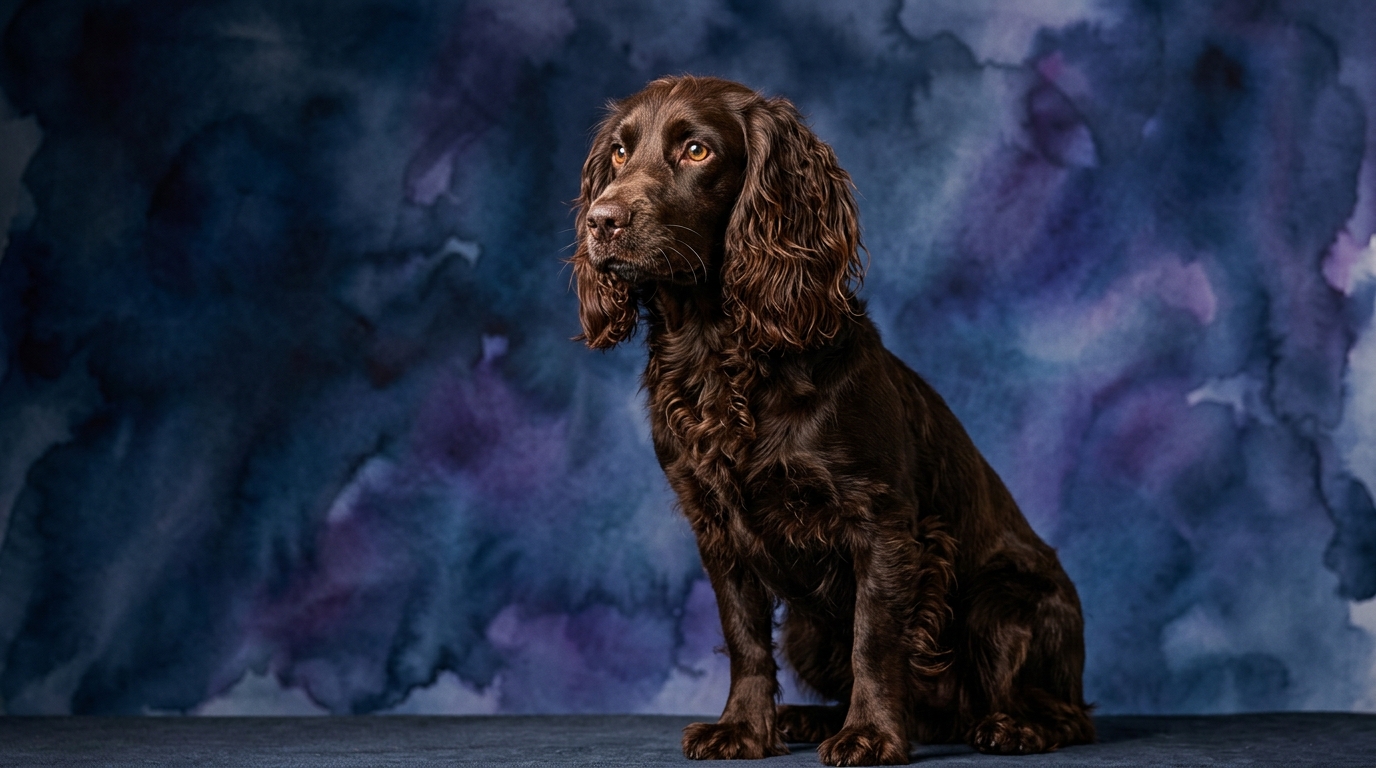
In contrast, the Boykin Spaniel, a versatile gundog, offers a more balanced cognitive spread across the board. Their Problem Solving matches the Saint Bernard at 3/5, demonstrating a similar moderate aptitude for independent thought and overcoming straightforward challenges. Where they diverge notably is in Training Speed, scoring 3/5, which means they tend to learn new commands and routines at an average, more responsive pace compared to the Saint Bernard. Their Social Intelligence is rated 3/5, showing a solid, though not exceptionally high, understanding of human cues and social dynamics, sufficient for effective partnership in the field. Instinctive Drive is also 3/5, reflecting a moderate, manageable drive primarily focused on retrieving and working alongside their handler. Their Memory, like the Saint Bernard's, is 3/5, signifying an average recall of past events and training.
Where the Saint Bernard's Mind Excels
The Saint Bernard truly distinguishes itself in two key cognitive dimensions: social intelligence and instinctive drive. With a social intelligence score of 4/5, these gentle giants possess a remarkable ability to read and respond to human emotional states. This isn't just about understanding commands; it's about sensing distress, offering comfort, and forming incredibly deep, empathetic bonds. Their historical role as alpine rescuers wasn't solely about strength; it was profoundly linked to their capacity to detect buried travelers and provide reassurance, a testament to their nuanced social understanding. This makes them exceptional companions for individuals seeking a dog deeply attuned to their emotional world.
Furthermore, their instinctive drive, rated at a formidable 5/5, underpins much of their character. This strong inherent inclination manifests as a powerful desire to protect their family, a natural guardian instinct, and a profound sense of loyalty. While their historical rescue drive is less frequently tested in modern homes, this deep-seated instinct translates into a steadfast, reliable presence. They often exhibit a calm vigilance, instinctively positioning themselves to oversee their household, and their protective instincts are typically expressed through their imposing presence rather than overt aggression, reflecting their foundational role as steadfast companions and guardians.
Where the Boykin Spaniel's Mind Shines
The Boykin Spaniel's cognitive strength particularly stands out in its training speed, rated at a responsive 3/5, which edges out the Saint Bernard. This aptitude means Boykins typically pick up new commands and routines with greater alacrity, making them generally more straightforward to teach foundational obedience and complex sporting tasks. Their eagerness to engage and work collaboratively with their handler contributes significantly to this quicker learning curve. For owners who prioritize efficient training and desire a dog that can quickly adapt to new instructions or learn specialized skills, the Boykin Spaniel's quicker processing of new information is a distinct advantage.
While their problem-solving and social intelligence scores are solid, it's this training responsiveness that truly defines their cognitive edge. This capability is essential for a breed designed to perform intricate tasks in the field, where rapid learning and consistent execution are paramount. They thrive on mental engagement that involves learning and applying new directives, often showing enthusiasm for repetitive training sessions that might bore other breeds. This makes them highly suitable for various dog sports and activities where quick comprehension and a cooperative mindset are key to success.
Ease of Training: Saint Bernard vs. Boykin Spaniel
When considering ease of training, the Boykin Spaniel generally presents a more direct path. Their 3/5 training speed, combined with a moderate instinctive drive, often translates into a dog that is more pliable and eager to please in a structured training environment. They typically respond well to positive reinforcement, quickly associating commands with desired actions and rewards. Their desire to work alongside their human companions, a hallmark of sporting breeds, means they often find the training process itself rewarding, fostering a cooperative attitude that facilitates learning new behaviors efficiently.
The Saint Bernard, with a training speed of 2/5 and a potent 5/5 instinctive drive, can pose a greater training challenge. Their strong independent streak and deep-seated instincts sometimes mean they need more repetition and a highly consistent approach to internalize commands. While they are intelligent, their learning process can be slower, and their sheer size means that early and effective training is crucial. Owners must be prepared for patience and persistence, understanding that a Saint Bernard's compliance is often earned through trust and clear leadership, rather than quick submission. Their social intelligence means they understand your intent, but their internal motivation might occasionally prioritize their own instincts over immediate command following.
Suitability for Active vs. Relaxed Owners
For active owners seeking a dynamic companion, the Boykin Spaniel is typically the more fitting choice. As a sporting breed, they possess a moderate to high energy level and thrive on regular physical activity, such as long walks, runs, swimming, or engaging in dog sports. Their moderate instinctive drive means they are often keen on retrieving and enjoy tasks that simulate their hunting heritage, requiring both physical exertion and mental engagement. Owners who enjoy an active outdoor lifestyle and can provide consistent opportunities for exercise and structured play will find the Boykin Spaniel to be an enthusiastic and enduring partner.
The Saint Bernard, despite its imposing size, can be surprisingly suitable for more relaxed owners, particularly those who appreciate a calm and majestic indoor presence. While they still require moderate daily exercise to maintain health and prevent boredom—think leisurely walks or supervised outdoor playtime—they are not typically a high-energy breed needing constant vigorous activity. Their high social intelligence and strong instinctive drive make them content with being close to their family, often preferring a comfortable spot indoors where they can observe and be part of the household. Owners prepared to manage their size and strength, and who value a gentle, loyal companion over an intensely active one, will find a Saint Bernard a rewarding addition to their home.
The Verdict
Choose a Saint Bernard if you seek a deeply empathetic, steadfast companion with a powerful protective instinct, and you are prepared for patient, consistent training and managing a large, calm presence.
Opt for a Boykin Spaniel if you desire an active, responsive partner that learns commands with relative ease, thrives on physical and mental engagement, and excels in a variety of sporting and family activities.
🧠 Find Your Pet's IQ Score
Our Pet IQ Lab assessment covers 25+ tests across 5 cognitive dimensions — personalized to your breed.
Take the Full IQ Test →Frequently Asked Questions
Are Saint Bernards difficult to train due to their size?
While their size can make managing an untrained Saint Bernard challenging, their training difficulty primarily stems from their 2/5 training speed and strong instinctive drives, requiring significant patience and consistency. They are not inherently stubborn, but need clear, repetitive guidance to grasp commands effectively.
Do Boykin Spaniels need a lot of mental stimulation?
Yes, Boykin Spaniels benefit greatly from mental stimulation due to their 3/5 problem-solving and training speed. They enjoy learning new tasks, puzzle toys, and activities that challenge their minds, preventing boredom and channeling their moderate instinctive drives productively.
How does 'instinctive drive' differ between these two breeds practically?
For a Saint Bernard (5/5), instinctive drive manifests as a deep-seated protective loyalty and a strong desire for companionship, often expressed through calm vigilance. For a Boykin Spaniel (3/5), it typically focuses on retrieving and working collaboratively in a sporting context, making them eager participants in fetch or field work.