Side-by-Side Cognitive Profiles
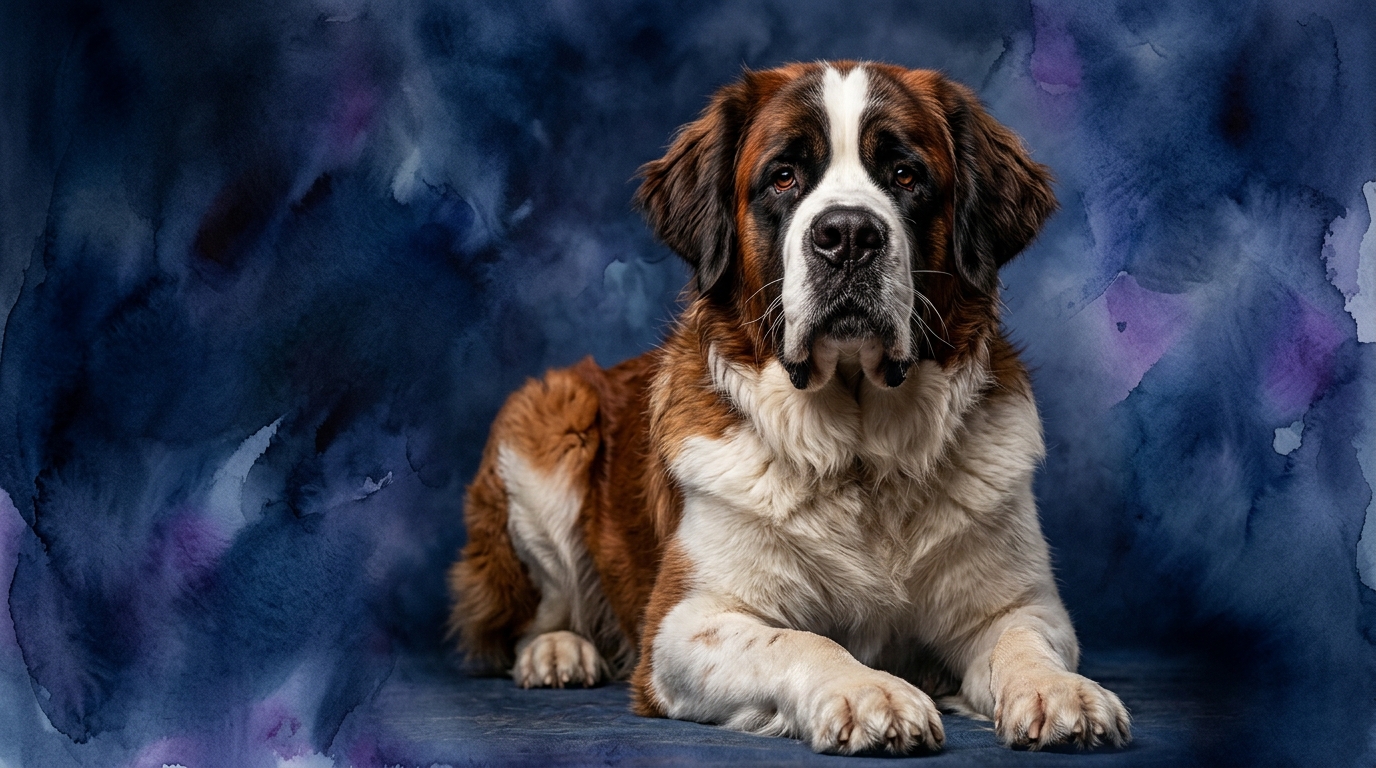
The Saint Bernard, ranking #65 on the Coren scale, demonstrates a unique blend of mental attributes. Their Problem Solving is rated 3/5, indicating a moderate capacity for independent thought and navigating straightforward challenges, though complex scenarios might require more guidance. Training Speed stands at 2/5, suggesting a need for patience and consistent repetition during learning phases. A standout feature is their Social Intelligence at 4/5, showcasing a remarkable ability to understand human cues and emotional states, fostering deep companion bonds. Their Instinctive Drive is a powerful 5/5, reflecting their historical role in rescue work with a strong innate desire to assist and be aware. Memory is an average 3/5, meaning they retain learned information with regular reinforcement.
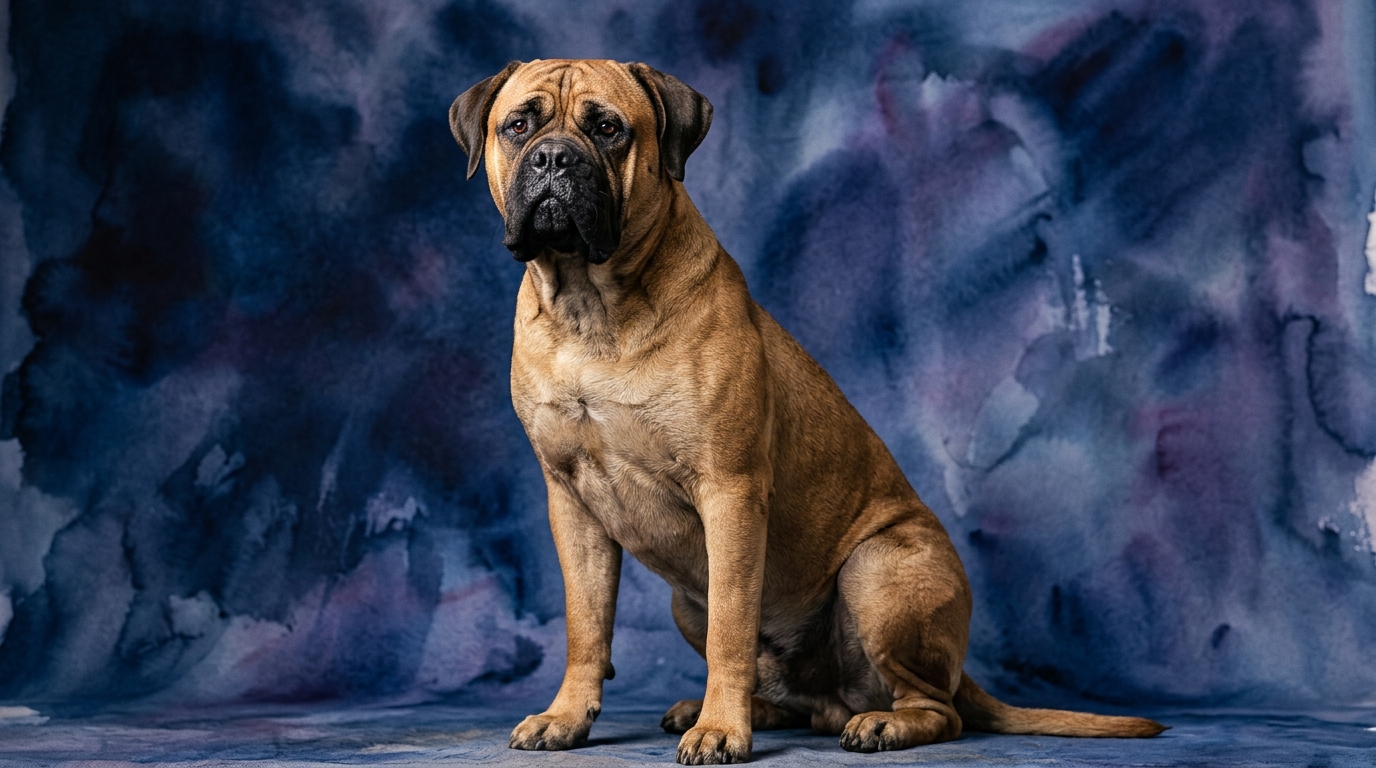
The Bullmastiff, with a Coren ranking of #69, presents a slightly different cognitive makeup. Their Problem Solving mirrors the Saint Bernard at 3/5, indicating a similar moderate aptitude for working through direct issues. Their Training Speed is 3/5, marginally quicker than the Saint Bernard, implying they may grasp new commands with fewer repetitions. Social Intelligence for the Bullmastiff is 3/5; while devoted to their family, they may not exhibit the same nuanced emotional attunement as the Saint Bernard. Instinctive Drive is 3/5, manifesting as a focused protective nature rather than an active working drive. Their Memory also registers at 3/5, retaining information effectively with consistent practice.
Where the Saint Bernard Wins Cognitively
The Saint Bernard's most significant cognitive advantage lies in its exceptional Social Intelligence (4/5). This breed shows a remarkable ability to interpret human emotions and intentions, often reacting with empathy and appropriate responses, making them incredibly intuitive companions. Furthermore, their Instinctive Drive (5/5), honed over centuries for search and rescue, means they possess a deep-seated desire to be useful and attentive to their environment, a trait that can be channeled into various forms of cooperative work or companionship. Their inclination to observe and understand social cues means they are often more naturally inclined to 'tune in' to their family's needs without explicit instruction, fostering a profound connection.
Where the Bullmastiff Wins Cognitively
The Bullmastiff's cognitive edge, while subtle, is primarily found in its Training Speed (3/5). Although still considered moderate, this score is a point higher than the Saint Bernard's, suggesting they may grasp new commands and routines with slightly fewer repetitions, which can translate into a marginally smoother initial training period for basic obedience. Their Instinctive Drive (3/5), while lower than the Saint Bernard's, is perfectly suited to their historical role as guardians; it's a focused drive for protection and territorial awareness rather than active rescue. This means they are often less prone to wandering or seeking external 'work' beyond their immediate family and home, offering a different kind of predictable cognitive focus.
Training Dynamics: Saint Bernard vs. Bullmastiff
Considering the provided IQ metrics, the Bullmastiff is marginally easier to train, primarily due to its slightly higher Training Speed (3/5) compared to the Saint Bernard's (2/5). This difference, though small, means a Bullmastiff may require fewer repetitions to solidify a new command, potentially making initial obedience training a smoother process. However, both breeds present unique training considerations. Saint Bernards, despite their slower training speed, benefit immensely from their superior Social Intelligence (4/5). They are often eager to please and deeply attuned to their owner's moods, which can be a powerful motivator in training if the owner leverages positive reinforcement and builds a strong, trusting bond.
Conversely, a Bullmastiff's Instinctive Drive (3/5) for guarding might make them less inclined to follow commands from strangers or in distracting environments, requiring more focused socialization and proofing of commands. For both, consistency, patience, and positive reinforcement are paramount. The Saint Bernard might take longer to learn a command, but once it clicks, their social intelligence helps reinforce the behavior through their desire to cooperate. The Bullmastiff might learn faster but requires a firm, consistent leader to manage their protective instincts, particularly regarding their inherent territoriality.
Suitability for Active vs. Relaxed Owners
Neither the Saint Bernard nor the Bullmastiff are typically suited for highly active owners seeking a running or agility partner, as both are large, heavy breeds prone to joint issues and overheating. However, their energy profiles subtly differ. The Saint Bernard, with its strong Instinctive Drive (5/5), thrives with owners who can provide a sense of purpose, even if that purpose is simply being a watchful, engaged family member or participating in gentle 'rescue' games like finding hidden toys. While not requiring intense physical exertion, they appreciate consistent, moderate activity that engages their mind and body, such as daily walks, supervised outdoor time, and opportunities to observe and 'be' with their people. Their high social intelligence means they genuinely enjoy interaction and participation in family life, making them suitable for relaxed owners who are present and want an emotionally responsive companion. They prefer structured routines and a clear role within the household, even if that role is primarily companionship.
The Bullmastiff, with a more moderate Instinctive Drive (3/5) geared towards protection, is arguably better suited for more relaxed owners who appreciate a calm, watchful presence. Their exercise needs are generally lower than the Saint Bernard's, consisting of regular, moderate walks to maintain physical condition and mental stimulation. They are often content to lounge around the house, keeping a vigilant eye on their surroundings. Their social intelligence is average, meaning they are devoted to their family but may not constantly seek interaction or display the same level of emotional attunement as a Saint Bernard. For owners who value a steady, self-possessed companion that is protective but not overly demanding of constant engagement, the Bullmastiff fits well. They are excellent for owners who enjoy a quiet home life but still commit to consistent, gentle exercise and mental enrichment.
The Verdict
Opt for a Saint Bernard if you value a deeply empathetic, socially attuned companion with a strong desire to be involved in family life and a natural inclination towards helpfulness, understanding that training requires significant patience.
Select a Bullmastiff if you prefer a self-possessed, protective companion with slightly quicker training acquisition and lower overall exercise demands, providing a calm, vigilant presence in your home.
🧠 Find Your Pet's IQ Score
Our Pet IQ Lab assessment covers 25+ tests across 5 cognitive dimensions — personalized to your breed.
Take the Full IQ Test →Frequently Asked Questions
Are Saint Bernards difficult to train?
Saint Bernards have a training speed of 2/5, meaning they require more patience and repetition to learn new commands compared to some breeds. However, their high social intelligence means they are often eager to please and respond well to positive, consistent training methods.
Do Bullmastiffs need a lot of exercise?
Bullmastiffs have moderate exercise needs, typically content with daily walks and supervised outdoor time. While not requiring intense activity, consistent physical and mental stimulation is important to keep them healthy and well-adjusted.
Which breed is more protective, Saint Bernard or Bullmastiff?
The Bullmastiff, with an instinctive drive of 3/5 focused on guarding, is generally more overtly protective of its family and territory. The Saint Bernard's 5/5 instinctive drive is geared more towards rescue and attentiveness, making them watchful but less prone to aggressive guarding behaviors.