
Side-by-Side IQ Profile: Gentle Giant vs. Agile Herder
The Saint Bernard showcases a moderate capacity for problem-solving (3/5), suggesting they can learn to navigate complex situations but might require more time to deduce solutions independently. Their training speed is on the slower side (2/5), indicating a need for patience and consistent methods during instruction. Where they truly shine is in social intelligence (4/5), reflecting a strong aptitude for understanding human cues and forming deep bonds, which aligns with their history as companion and rescue dogs. An exceptionally high instinctive drive (5/5) points to powerful natural predispositions, perhaps related to their historical roles in alpine rescue and guardianship. Their memory is rated as moderate (3/5), meaning they retain information adequately but might not recall intricate sequences as quickly.
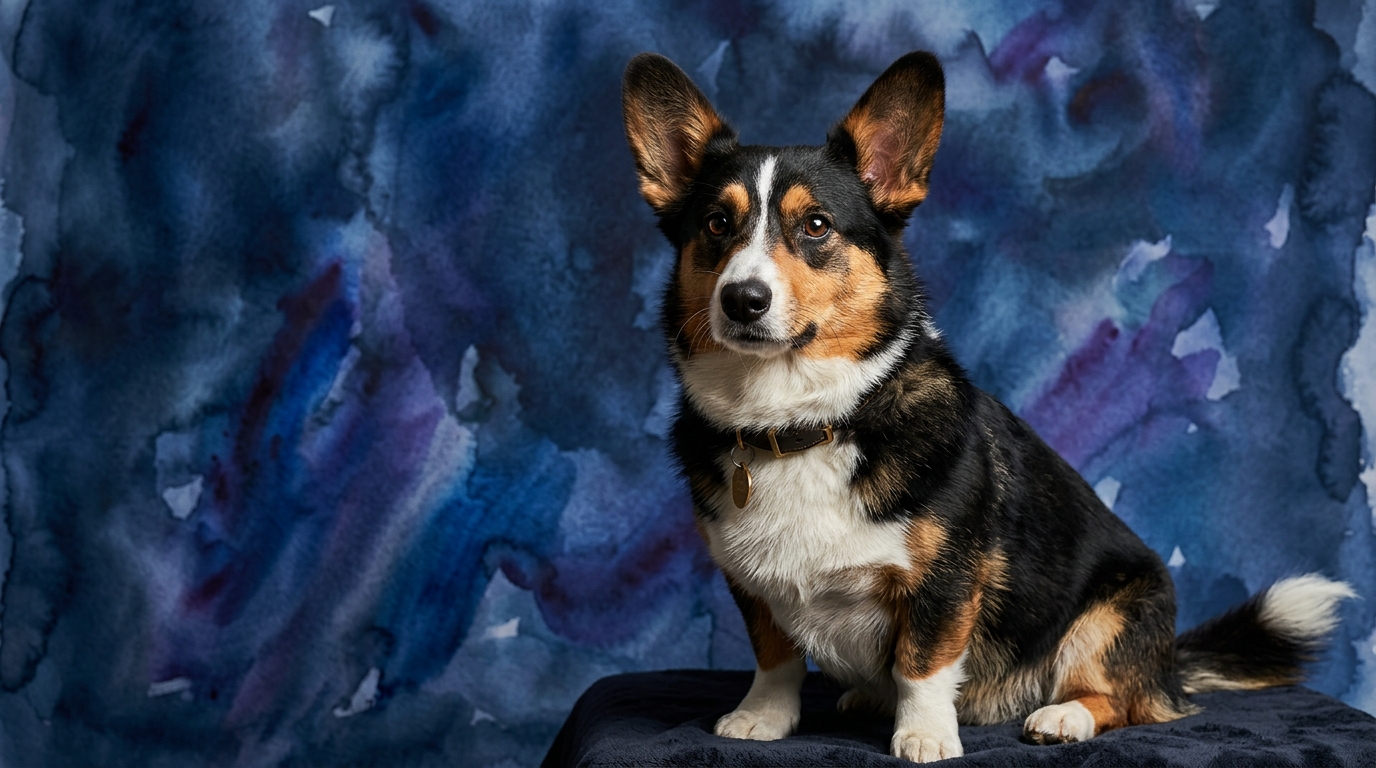
In contrast, the Cardigan Welsh Corgi exhibits a higher problem-solving ability (4/5), suggesting a more independent and quicker approach to mental challenges. Their training speed is notably faster (4/5), making them generally more responsive to new commands and routines. Social intelligence is moderate (3/5), meaning they are capable companions but might not possess the same innate empathy or human-reading skills as the Saint Bernard. Their instinctive drive is also moderate (3/5), primarily geared towards their herding heritage, showing a tendency to gather and control. A strong memory (4/5) allows them to master and recall a broader repertoire of commands and experiences efficiently.
Where the Saint Bernard Wins Cognitively
The Saint Bernard's cognitive strengths distinctly lie in their exceptional social intelligence and profound instinctive drive. With a 4/5 rating in social intelligence, these gentle giants possess an inherent ability to connect deeply with humans, understanding subtle emotional cues and responding with profound empathy. This makes them remarkably attuned to family dynamics, offering comfort and loyalty that few breeds can match. Their towering instinctive drive, rated 5/5, speaks to a powerful intrinsic motivation often associated with their historical roles in alpine rescue and guardianship; this translates into an unwavering dedication to their family and a natural protective instinct, not in an aggressive sense, but in a vigilant, watchful manner. This deep-seated drive also means they are profoundly motivated by purpose, thriving when given a 'job' that aligns with their historical predispositions, such as being a devoted family protector or a calm therapy presence.
Where the Cardigan Welsh Corgi Wins Cognitively
The Cardigan Welsh Corgi demonstrates superior cognitive agility in areas of problem-solving, training speed, and memory. Their problem-solving capacity, rated 4/5, indicates a quick-witted nature, allowing them to figure out new situations or puzzles with less direct guidance than many other breeds. This mental nimbleness contributes to their efficiency in learning, reflected in a 4/5 training speed; Corgis are generally eager to learn and pick up new commands and behaviors rapidly, making them a delight for owners interested in advanced obedience or dog sports. Furthermore, their strong memory (4/5) ensures that once a lesson is learned, it is retained effectively, enabling them to build a vast repertoire of learned behaviors over time. This combination of quick learning, effective retention, and independent thought makes the Cardigan Welsh Corgi a formidable student in almost any training scenario.
Which is Easier to Train and Why
Based on their cognitive profiles, the Cardigan Welsh Corgi is generally easier to train compared to the Saint Bernard. The Corgi's superior training speed (4/5) and problem-solving ability (4/5) mean they typically grasp new commands and concepts more quickly. Their herding background has ingrained a desire to work closely with handlers and respond to cues, making them highly responsive to positive reinforcement. For instance, a Corgi might learn a complex agility course or a series of tricks in a fraction of the time it would take a Saint Bernard. In contrast, the Saint Bernard's slower training speed (2/5) indicates that while they are certainly capable of learning, they require more repetition, patience, and consistency. Their strong instinctive drive (5/5) means they might be more inclined to follow their own deeply rooted urges rather than an immediate human command, especially if the command doesn't align with their perception of purpose. For example, getting a Saint Bernard to quickly drop a fascinating scent might take more persistent effort than redirecting a Corgi. Training a Saint Bernard often involves harnessing their social intelligence and building a strong, trusting relationship to motivate their cooperation, whereas a Corgi often thrives on the mental engagement of learning itself.
Which Suits Active Owners vs Relaxed Owners
The choice between these two breeds largely depends on an owner's lifestyle. The Cardigan Welsh Corgi, with its moderate instinctive drive (3/5) and higher energy levels typical of a herding breed, is better suited for active owners. They thrive on regular mental stimulation and physical activity, enjoying structured play, walks, and even dog sports like agility or herding trials. An owner who enjoys daily engagement, consistent training, and providing outlets for a quick mind will find a Corgi a rewarding companion. Their need for mental engagement means that without sufficient activity, they can become bored and potentially develop undesirable behaviors.
Conversely, the Saint Bernard, despite its very high instinctive drive (5/5), which manifests as a deep-seated purpose and protective instinct rather than boundless energy, is more suitable for relaxed owners. While they require consistent, moderate exercise to maintain health, they are not typically high-energy dogs seeking constant vigorous activity. Their social intelligence (4/5) means they are content to be close companions, observing family life and offering a calm, reassuring presence. They enjoy leisurely strolls and gentle play, but their massive size and potential for joint issues mean they are not built for endurance sports. A relaxed owner who appreciates a steadfast, affectionate, and relatively calm giant will find a Saint Bernard to be an ideal match, provided they can accommodate their size and grooming needs.
The Verdict
Choose a Saint Bernard when you appreciate a deeply affectionate, calm, and loyal companion who excels in social bonding and possesses a strong, protective instinctive drive, and you are prepared for a slower training pace and significant physical presence.
Choose a Cardigan Welsh Corgi when you seek an active, quick-witted companion who thrives on mental challenges, learns rapidly, and possesses a keen problem-solving ability, and you are ready to provide consistent mental and physical engagement.
🧠 Find Your Pet's IQ Score
Our Pet IQ Lab assessment covers 25+ tests across 5 cognitive dimensions — personalized to your breed.
Take the Full IQ Test →Frequently Asked Questions
Do Saint Bernards truly have a strong rescue instinct?
Yes, their 5/5 instinctive drive rating reflects their history as working dogs in the Swiss Alps, where they were bred to locate and rescue lost travelers. While modern Saint Bernards might not perform alpine rescues, this deep-seated drive manifests as a strong sense of purpose and loyalty to their family.
Are Cardigan Welsh Corgis prone to herding behaviors in a home environment?
With a 3/5 instinctive drive rooted in herding, Cardigan Welsh Corgis can display herding behaviors, such as nipping at heels or circling family members, especially children or other pets. Early training and providing appropriate outlets for this drive can help manage these natural tendencies.
How does Coren's ranking relate to the IQ scores provided?
Coren's ranking primarily assesses "working and obedience intelligence," which aligns closely with training speed and problem-solving. The Cardigan Welsh Corgi's higher Coren rank (#26) and stronger scores in training speed and problem-solving reflect its greater aptitude for learning and executing commands compared to the Saint Bernard (#65).