
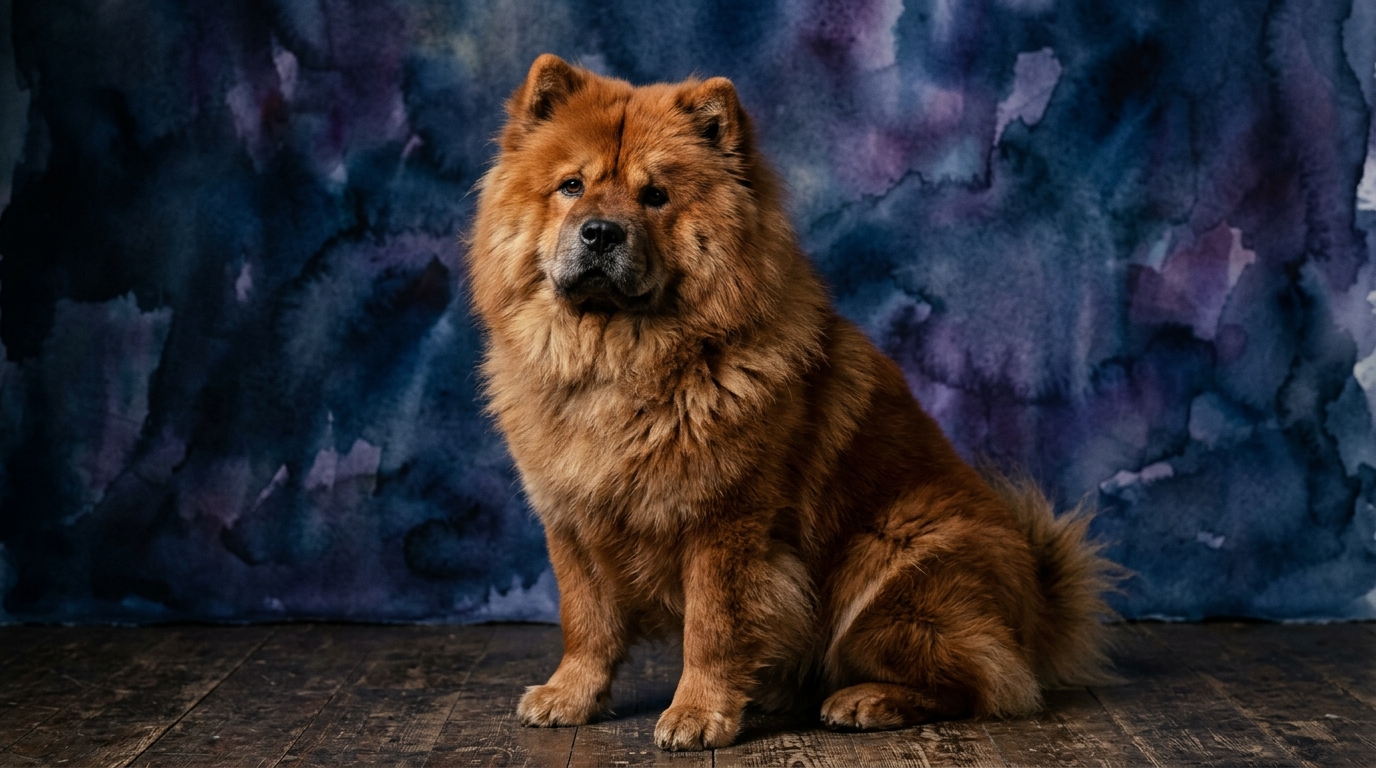
Side-by-Side Cognitive Profiles
These two distinct breeds, the Saint Bernard from the Working Group and the Chow Chow from the Non-Sporting Group, present a compelling study in canine cognition, each excelling in different facets of intellect. While the Saint Bernard holds a Coren rank of #65, indicating moderate working and obedience intelligence, the Chow Chow follows closely at #76, suggesting a different, perhaps more independent, cognitive approach rather than a significant deficit.
The Saint Bernard's cognitive breakdown includes: **Problem Solving (3/5)**, demonstrating a solid capacity for understanding and resolving practical challenges, though not always innovating quickly without prior instruction. Their **Training Speed (2/5)** indicates they require patience and consistent methods, with new commands taking deliberate effort to solidify. **Social Intelligence (4/5)** is a standout trait, showing profound understanding of human emotions and social cues, crucial for their historical cooperative work. Their **Instinctive Drive (5/5)** for purpose, particularly in rescue and companionship, is exceptionally strong, translating to a deep-seated desire to be useful. Finally, their **Memory (3/5)** is robust for learned behaviors and individuals, contributing to their reliability.
Conversely, the Chow Chow's cognitive profile features: **Problem Solving (3/5)**, which often manifests as independent thought; they can assess situations and find solutions, but their approach may be less about pleasing a human and more about achieving their own objective. Their **Training Speed (3/5)** is moderate, meaning they are capable learners but their independent streak requires clear, fair, and consistent training without coercion. **Social Intelligence (3/5)** is characterized by discernment; they form deep, loyal bonds with family but are typically reserved and wary of strangers. Their **Instinctive Drive (3/5)** leans heavily towards guarding and independence, possessing a natural protective instinct for their territory and family but lacking the same cooperative drive seen in working breeds. Their **Memory (3/5)** is good, recalling past interactions vividly, whether positive or negative, which contributes to their discerning nature.
Where Saint Bernard Wins Cognitively
The Saint Bernard's cognitive strengths distinctly shine in areas requiring cooperation, empathy, and a strong work ethic, validated by its 4/5 social intelligence and 5/5 instinctive drive. Their profound understanding of human emotional states allows them to respond with comforting presence or alert owners to distress, a trait invaluable in their historical role as mountain rescuers. This breed actively seeks to engage with its human companions, exhibiting a clear desire to participate in family life and 'work' alongside them, making them exceptionally responsive to cues for joint activities. Their strong innate drive means they are often self-motivated to fulfill a perceived purpose, whether it's 'guarding' the children or carrying a pack, embodying a cooperative spirit that thrives on shared objectives.
Where Chow Chow Wins Cognitively
The Chow Chow's cognitive advantages manifest in a more self-reliant and discerning intellect, particularly in its independent problem-solving (3/5) and selective social intelligence (3/5). Unlike breeds driven by external validation, the Chow Chow possesses a unique ability to assess situations and make decisions autonomously, often without needing direct human instruction. This self-sufficiency means they are less prone to separation anxiety and can be content with their own company, provided their needs are met. Their social intelligence, while not overtly effusive, grants them a sharp capacity for judging character, making them exceptionally loyal and protective of their chosen few. This discernment allows them to effectively identify genuine threats versus benign strangers, acting as a natural, self-regulating guardian.
Which is Easier to Train and Why
When evaluating ease of training, the Saint Bernard generally presents a more straightforward path, despite its lower training speed score of 2/5 compared to the Chow Chow's 3/5. The key differentiator lies in their social intelligence and instinctive drive. Saint Bernards inherently desire to please their owners and engage in cooperative tasks, a legacy of their rescue heritage. This eagerness, coupled with their strong instinctive drive, means they are often motivated by praise, affection, and the opportunity to participate. While they may take longer to grasp new commands, their willingness to try and their responsiveness to human interaction make the process rewarding and consistent.
The Chow Chow, conversely, requires a more nuanced approach. Their moderate training speed (3/5) is paired with a distinct independence and a selective social intelligence. They are capable of learning, but their motivation is internal; they need to perceive the value in a command or task for themselves. This can translate to what some interpret as stubbornness. Forceful or repetitive, unrewarding training methods will likely be met with disinterest or resistance. Effective training for a Chow Chow relies on building a strong bond of respect, using positive reinforcement, short engaging sessions, and ensuring the dog understands the 'why' behind the command, rather than simply obeying out of an eagerness to please. Their independent nature means they often require more mental engagement to prevent boredom and ensure compliance.
Which Suits Active Owners vs Relaxed Owners
The Saint Bernard, despite its imposing size and calm demeanor, is better suited for owners who are prepared for consistent, cooperative engagement, making them ideal for moderately active owners. Their high social intelligence and strong instinctive drive mean they thrive on being included in family activities and appreciate having a 'job,' even if it's just a daily walk with purpose or learning new tricks. They require regular mental stimulation through training and social interaction to prevent boredom and ensure their well-being. While not needing extreme physical exertion, they benefit from consistent, moderate exercise and owners who are present and willing to interact frequently, channeling their cooperative spirit.
The Chow Chow, with its more reserved and self-possessed nature, often aligns well with relaxed owners who appreciate an independent companion. While they still require regular, moderate exercise to stay healthy, their lower social intelligence score (3/5) and moderate instinctive drive (3/5) mean they are less demanding of constant human interaction or cooperative tasks. They are often content to observe and be near their family rather than constantly engaging. Owners who understand and respect the Chow Chow's independent streak, providing consistent boundaries and early socialization without over-scheduling their lives with constant activities, will find a compatible companion. This breed values quiet companionship and a predictable routine.
The Verdict
Choose the Saint Bernard if you seek a deeply empathetic, cooperative companion eager to engage in family life and respond to training with a desire to please, valuing shared purpose and interaction.
Opt for the Chow Chow if you appreciate a discerning, self-reliant dog with a quiet dignity, capable of independent thought and content with less constant direct engagement, offering loyal guardianship to its chosen few.
🧠 Find Your Pet's IQ Score
Our Pet IQ Lab assessment covers 25+ tests across 5 cognitive dimensions — personalized to your breed.
Take the Full IQ Test →Frequently Asked Questions
Are Saint Bernards suitable for first-time dog owners?
Saint Bernards can be suitable for first-time owners who are committed to consistent training, early socialization, and can manage their large size and need for interaction. Their gentle nature and eagerness to please can make the learning process rewarding, but their deliberate training speed requires patience.
How does the Chow Chow's independence affect its relationship with family?
The Chow Chow's independence means they form deep, protective bonds with their immediate family but express affection in a more reserved manner than some breeds. They are loyal and watchful guardians, often preferring to be near their people rather than constantly engaging in boisterous play, valuing quiet companionship.
Do Chow Chows require extensive grooming due to their coat?
Yes, the Chow Chow's dense double coat requires regular and thorough grooming, typically several times a week, to prevent matting and manage shedding. This routine grooming is essential for their skin health and comfort, regardless of their cognitive profile or activity level.