Side-by-Side Cognitive Profiles
The Cosmic Pet Pet IQ Lab provides a nuanced framework for understanding canine intelligence, moving beyond simple labels to specific cognitive dimensions. Examining the Saint Bernard and German Pinscher through this lens uncovers their unique mental architectures, helping us appreciate their inherent capabilities and learning styles.
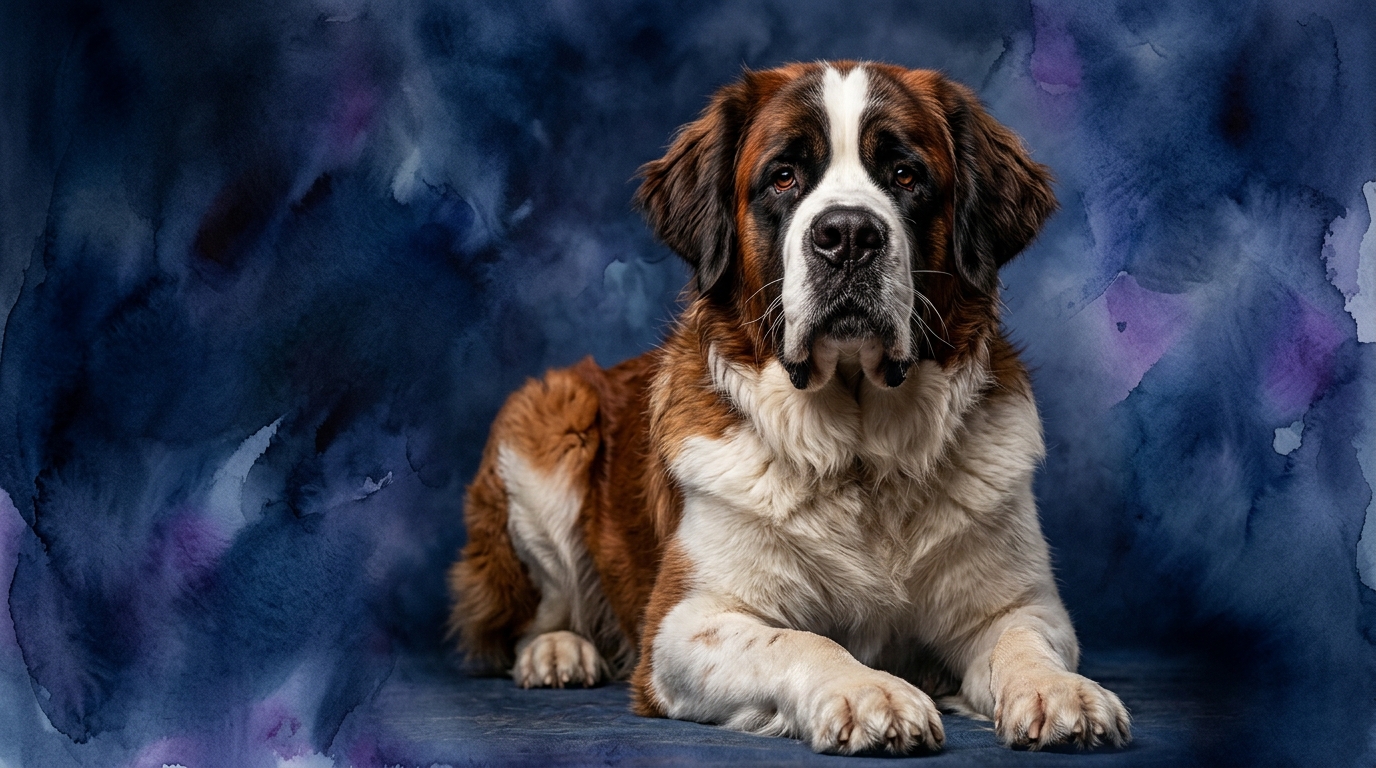
The **Saint Bernard**, a breed recognized for its historic role in Alpine rescue, presents a cognitive profile reflective of its purposeful heritage. Its Problem Solving is rated 3/5, indicating a capacity for navigating complex situations, particularly those involving welfare or safety. Training Speed is 2/5, suggesting a deliberate learning pace that requires patience and consistency. Where they truly shine is Social Intelligence at 4/5, demonstrating a profound ability to read human emotions and forge deep, empathetic connections. Their Instinctive Drive is an impressive 5/5, highlighting an intense, inherent motivation often directed towards protection and assistance. Memory stands at 3/5, indicating a solid recall for routines and learned experiences. It’s also notable that the Saint Bernard holds a Coren rank of #65, placing it within the 'average working/obedience intelligence' category, meaning they typically grasp new commands in 25-40 repetitions and obey a known command on the first try 50% of the time or better.
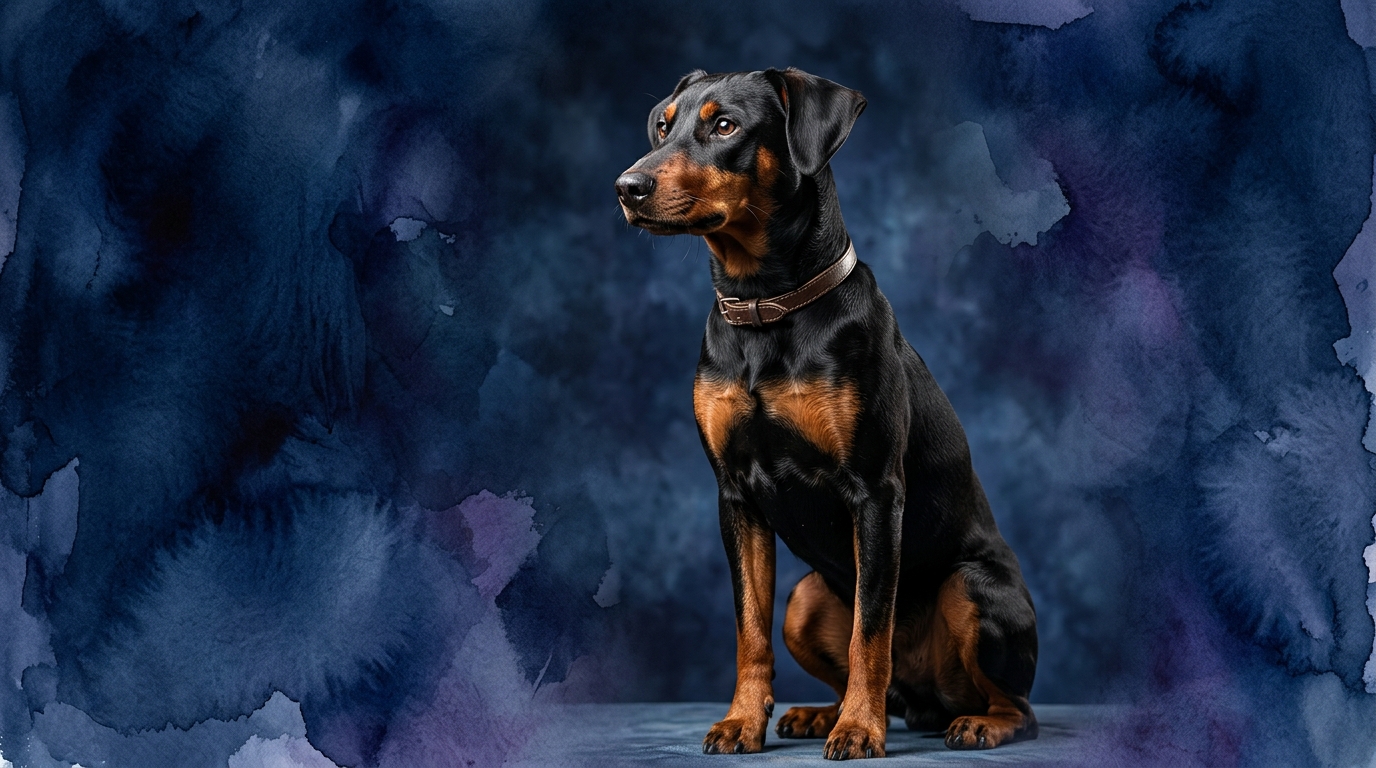
The **German Pinscher**, a breed celebrated for its alertness and versatility, offers a different, yet equally compelling, cognitive blueprint. Its Problem Solving matches the Saint Bernard at 3/5, signifying a resourceful mind capable of figuring out how to achieve goals, such as outsmarting a gate latch. Training Speed is 3/5, suggesting a moderately quicker learning curve compared to the Saint Bernard, responding well to engaging methods. Social Intelligence is 3/5, indicating a good understanding of social dynamics but perhaps with a more independent streak. Instinctive Drive is also 3/5, reflecting a balanced set of inherent motivations including prey drive, territoriality, and a desire for activity, but without the singular intensity seen in the Saint Bernard. Memory is 3/5, on par with the Saint Bernard, demonstrating reliable recall for commands and past experiences. The German Pinscher is not ranked in Coren's intelligence scale, meaning its typical learning repetitions and obedience rates haven't been formally categorized in that specific study.
Where the Saint Bernard Excels Cognitively
The Saint Bernard’s cognitive strengths are deeply rooted in its capacity for empathy and unwavering purpose. Its superior Social Intelligence score of 4/5 stands out compared to the German Pinscher’s 3/5. This isn't merely about recognizing a command; it's about a nuanced understanding of human emotional states, a deep sensitivity to distress, and an innate desire to connect and comfort. This cognitive trait makes them exceptional companions for individuals seeking a dog that genuinely 'gets' them, often anticipating needs or offering solace without explicit instruction. Their historical role as rescue dogs wasn't just about strength; it was about their ability to perceive and respond to human vulnerability.
Furthermore, the Saint Bernard’s Instinctive Drive, rated a perfect 5/5, is a profound cognitive advantage, particularly when channeled appropriately. While the German Pinscher has a balanced drive, the Saint Bernard's drive is highly specialized and persistent. This isn't a restless energy but a focused, inherent motivation that fuels their determination. Whether it's guarding their family or, in historical contexts, locating avalanche victims, this high drive means they are purpose-driven and will apply their problem-solving skills with remarkable persistence to achieve their perceived objective. This intense internal compass, combined with their social acumen, makes them incredibly dedicated and reliable in roles that require steadfast commitment and emotional attunement.
Where the German Pinscher Shines Cognitively
The German Pinscher's cognitive advantages lie in its efficiency and adaptable nature, particularly evident in its Training Speed of 3/5, surpassing the Saint Bernard’s 2/5. This means a German Pinscher generally grasps new commands and concepts with fewer repetitions, making training sessions more dynamic and potentially more varied. Their quicker uptake allows for a broader range of activities, from advanced obedience to dog sports, as they can progress through learning stages more rapidly. This efficiency in processing and responding to new information makes them a rewarding choice for owners who enjoy continuous mental engagement and teaching new skills.
While the Saint Bernard's Instinctive Drive is higher, the German Pinscher's balanced 3/5 drive offers a different kind of cognitive advantage: versatility. Their drives encompass a healthy mix of prey drive, territorial instincts, and a general zest for life, without being overwhelmingly focused on a single, intense purpose. This allows their problem-solving (3/5) and memory (3/5) to be applied across a wider spectrum of daily challenges and activities. They are resourceful in navigating their environment and adapting to different tasks, making them cognitively flexible and well-suited for a variety of modern living situations where a highly specialized, intense drive might be less practical.
Training: Ease and Behavioral Differences
When considering ease of training, the German Pinscher generally holds an advantage due to its quicker Training Speed (3/5). They tend to pick up new commands and routines with fewer repetitions, making them responsive and often enthusiastic participants in training sessions. Their moderate Social Intelligence (3/5) means they are attentive to their handler without being overly swayed by subtle emotional cues, allowing for more focused learning. This efficiency, combined with their balanced instinctive drive, means they can be motivated by a variety of rewards and methods, and their problem-solving skills are readily applied to figuring out desired behaviors.
The Saint Bernard, with its Training Speed of 2/5, requires a more patient and consistent approach. They are not stubborn, but rather deliberate learners who need more repetitions to solidify new commands. Their high Social Intelligence (4/5) can be a double-edged sword in training; while they are deeply attuned to their owner's emotions and desire to please, they might also interpret subtle human cues in unexpected ways, or even try to 'negotiate' based on perceived emotional states. Their powerful Instinctive Drive (5/5) means training methods must thoughtfully align with or redirect these strong inherent motivations, which can be challenging if not understood. For instance, their profound desire to help might lead them to interpret a command to 'stay' differently if they perceive a situation requires their intervention, rather than a simple adherence to the learned behavior. Training a Saint Bernard is a journey of understanding and gentle, persistent guidance, rather than a race to master commands.
Matching Breeds to Lifestyles: Active vs. Relaxed Owners
For **active owners** seeking a canine partner for diverse pursuits, the German Pinscher presents a compelling choice. Their cognitive profile, marked by a 3/5 in both Problem Solving and Instinctive Drive, combined with a quicker Training Speed of 3/5, means they thrive on consistent mental and physical engagement. They excel in activities like agility, obedience trials, flyball, or even advanced trick training, where their quick learning and resourcefulness are put to good use. Owners who enjoy daily varied exercise, problem-solving games, and a dog eager to learn new skills will find the German Pinscher's cognitive makeup aligns perfectly with their energetic lifestyle. Their balanced drive means they are adaptable to different tasks and maintain enthusiasm for sustained activity.
Conversely, **relaxed owners** who appreciate a profound emotional connection and a calm, comforting presence will find the Saint Bernard an ideal fit. While they certainly benefit from regular exercise, their cognitive strengths lean towards deep social bonding and a steady, purposeful demeanor rather than constant, high-energy mental challenges. Their exceptional Social Intelligence (4/5) means they are deeply empathetic companions, content to observe and offer quiet support, making them wonderful therapy dogs or family protectors. Their deliberate Training Speed (2/5) means that while training is essential, it's a slower, more process-oriented endeavor that doesn't demand high-octane daily sessions. Owners who value patience, a strong, reassuring presence, and a dog whose cognitive focus is on connection and inherent purpose rather than constant activity will find the Saint Bernard's gentle giant nature perfectly suited to a more relaxed, yet deeply bonded, home environment.
The Verdict
Choose the Saint Bernard if you seek a deeply empathetic companion who forms strong social bonds and possesses a profound, purposeful drive, and you are prepared for a deliberate, patient training journey.
Opt for the German Pinscher if you desire a sharp, adaptable dog that learns quickly, thrives on varied mental challenges, and aligns with an active, engaging lifestyle where efficiency in learning is valued.
🧠 Find Your Pet's IQ Score
Our Pet IQ Lab assessment covers 25+ tests across 5 cognitive dimensions — personalized to your breed.
Take the Full IQ Test →Frequently Asked Questions
Is the Saint Bernard hard to train?
The Saint Bernard isn't necessarily 'hard' but requires patience due to a 2/5 training speed, meaning they need more repetitions and consistent methods to master commands. Their high social intelligence means they are attuned to human emotions, which can sometimes influence their learning pace, making training a collaborative, empathetic process.
Do German Pinschers need a lot of mental stimulation?
Yes, with a 3/5 problem-solving score and 3/5 instinctive drive, German Pinschers benefit greatly from regular mental challenges like puzzle toys, obedience training, and varied activities to keep their minds engaged. Their quick training speed means they can excel in these areas, making mental work crucial for their well-being.
How do their social intelligence scores impact their family life?
The Saint Bernard's 4/5 social intelligence means they are highly empathetic and form deep emotional connections, often acting as sensitive, intuitive family members who are attuned to moods. The German Pinscher's 3/5 social intelligence indicates they are connected but may exhibit more independence, appreciating their family while also valuing their own space and being less overtly expressive of empathy.