Side-by-Side Cognitive Profiles
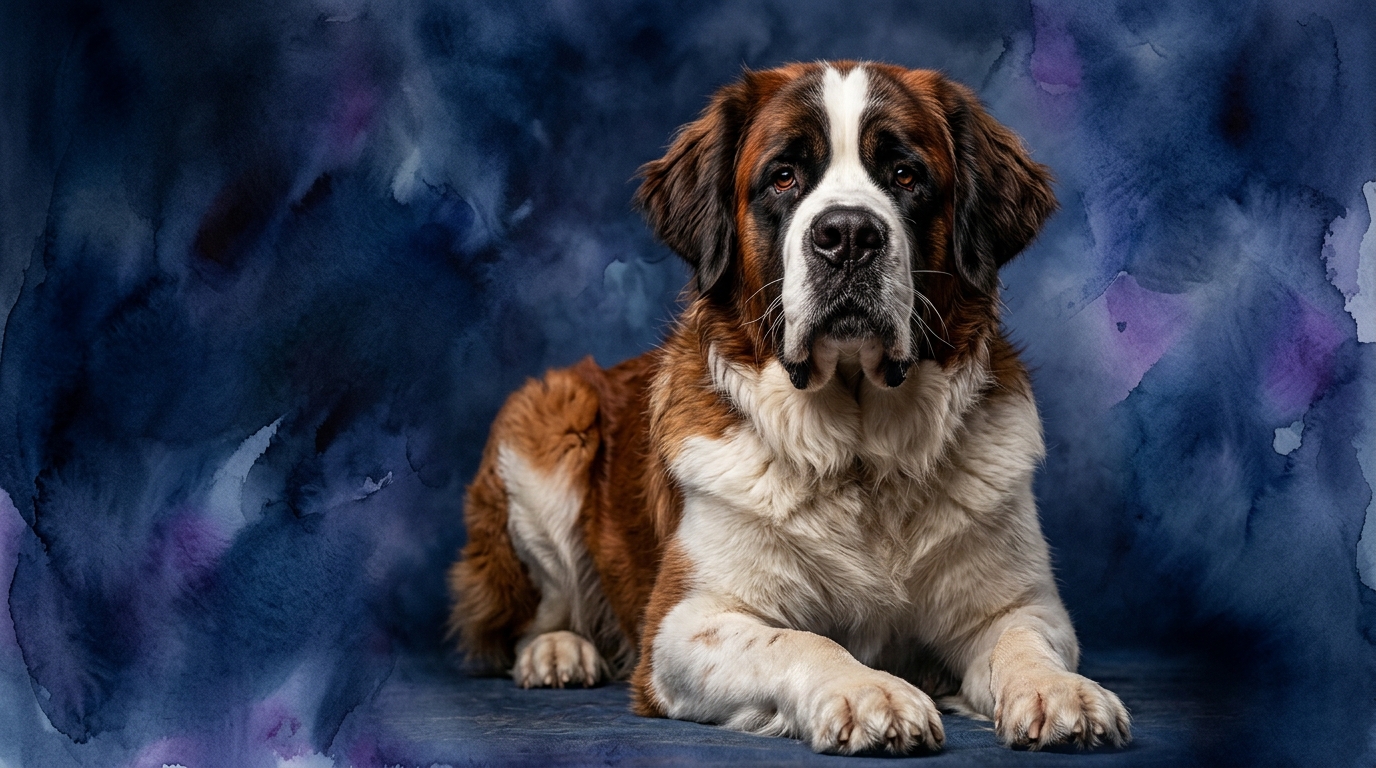
The Cosmic Pet Pet IQ Lab's framework offers a granular look into each breed's cognitive strengths. For the Saint Bernard, we observe a dog with a moderate capacity for problem-solving, scoring 3 out of 5. This suggests they can navigate straightforward challenges but might require more guidance with complex, multi-step tasks. Their training speed, at 2 out of 5, indicates a need for patience and consistent repetition during learning sessions, reflecting a more deliberate learning pace. However, their social intelligence shines with a score of 4 out of 5, demonstrating a profound ability to understand and respond to human emotions and social cues. An exceptional instinctive drive, rated 5 out of 5, highlights their powerful natural urges for tasks like tracking or guarding, often acting on these without explicit instruction. Their memory, at 3 out of 5, suggests they retain information adequately but may not recall intricate sequences with the same precision as other breeds.
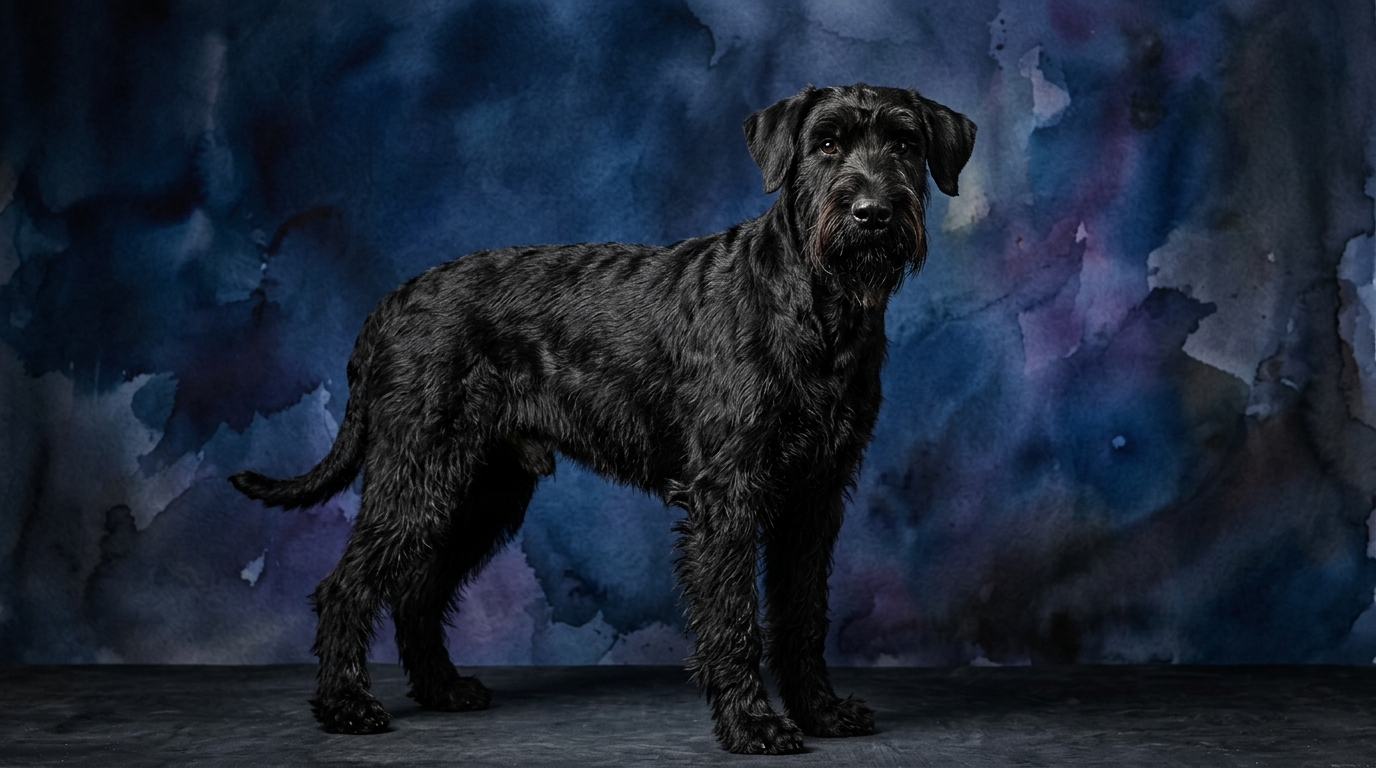
In contrast, the Giant Schnauzer presents a different cognitive blueprint. Their problem-solving ability is strong, scoring 4 out of 5, meaning they are adept at figuring out novel solutions and adapting to new situations. They learn new commands and behaviors quite rapidly, boasting a training speed of 4 out of 5, making them efficient learners in structured environments. Their social intelligence, at 3 out of 5, is solid but perhaps less outwardly empathetic than the Saint Bernard, indicating they understand social dynamics but might be more independent in their responses. Their instinctive drive, at 3 out of 5, is present and functional, geared towards roles like guarding or herding, but it isn't as overwhelmingly dominant as the Saint Bernard's. A strong memory, scoring 4 out of 5, allows them to recall complex sequences and past experiences effectively, contributing to their proficiency in advanced training.
Where the Saint Bernard Excels Cognitively
The Saint Bernard's cognitive triumphs lie primarily in their social intelligence and profound instinctive drive. Their 4/5 social intelligence means they possess an exceptional capacity for understanding and reacting to human emotional states and social signals. This isn't just about obedience; it's about an innate empathy that allows them to connect deeply with their human companions, often sensing distress or joy without explicit cues. This makes them profoundly comforting presences and intuitive family members, capable of forming incredibly strong bonds based on mutual understanding.
Furthermore, their 5/5 instinctive drive is a defining cognitive trait. This isn't merely an urge; it's a deeply ingrained behavioral program that guides their actions, particularly in their historical role of mountain rescue. This drive translates into an unwavering commitment to tasks that align with their natural predispositions, such as searching or protecting. While it might make them less inclined to learn arbitrary tricks quickly, it means they are incredibly reliable and focused when engaged in activities that tap into these powerful natural instincts, often acting with a self-directed purpose that belies their slower training speed in other areas.
Where the Giant Schnauzer Shows Cognitive Superiority
The Giant Schnauzer's cognitive strengths are evident in their superior problem-solving, training speed, and memory. With a 4/5 problem-solving score, these dogs are adept at navigating complex environments and figuring out solutions to novel challenges. They don't just follow commands; they can assess a situation, identify obstacles, and devise a strategy to overcome them, making them highly adaptable and resourceful. This trait is invaluable in roles requiring independent thought, such as police work or advanced obedience, where rote memorization alone isn't sufficient.
Their 4/5 training speed is a clear advantage, allowing them to grasp new commands and complex sequences of behaviors with remarkable efficiency. This rapid acquisition of knowledge means fewer repetitions are needed, and trainers can progress quickly to more advanced concepts. Coupled with a 4/5 memory, the Giant Schnauzer retains these learned behaviors over extended periods, making them highly dependable in performing intricate tasks and recalling a wide array of commands. This combination of quick learning and strong retention underpins their success in competitive obedience, agility, and protection work, where precision and reliability are paramount.
Ease of Training: A Clear Distinction
When it comes to ease of training, the Giant Schnauzer generally presents a more straightforward path for most owners due to its higher training speed and memory. With a training speed of 4/5, Giant Schnauzers typically pick up new commands and behaviors much faster than Saint Bernards, which are rated at 2/5. This means a Giant Schnauzer often requires fewer repetitions to solidify a new skill, allowing for quicker progression through training levels and the ability to tackle more complex tasks sooner. Their strong memory (4/5) also ensures that once a behavior is learned, it is retained effectively, reducing the need for constant refreshers.
For a Saint Bernard, training demands more patience and consistency. Their slower training speed means that owners must be prepared for longer, more repetitive sessions to ensure commands are understood and ingrained. While their social intelligence (4/5) can make them eager to please and responsive to positive reinforcement, their moderate problem-solving (3/5) and memory (3/5) scores suggest that complex, multi-step commands might take considerably more effort to teach and maintain. Real behavioral differences stem from these cognitive traits: a Giant Schnauzer might quickly link the 'stay' command to remaining still until released, even with distractions, while a Saint Bernard might need more focused, distraction-free environments and consistent reminders to achieve the same reliability.
Lifestyle Suitability: Active vs. Relaxed Owners
The cognitive profiles of these two breeds directly influence their suitability for different owner lifestyles. The Giant Schnauzer, with its higher problem-solving, training speed, and memory, thrives with active owners who can provide consistent mental and physical stimulation. These dogs require engaging activities that challenge their intellect, such as advanced obedience, agility, tracking, or protection sports. An owner who enjoys structured training, regular exercise, and can consistently provide new learning opportunities will find the Giant Schnauzer to be an eager and rewarding partner. Without adequate mental engagement, their problem-solving skills might be directed towards less desirable behaviors, such as finding ways to escape or becoming destructive out of boredom.
Conversely, the Saint Bernard, while still needing regular exercise, is generally better suited for more relaxed owners who appreciate a companion with a profound social connection rather than an intense drive for rigorous activity. Their exceptional social intelligence makes them content with being a devoted family member, and while they benefit from training, it doesn't need to be as mentally demanding or fast-paced as with a Giant Schnauzer. Owners who enjoy leisurely walks, quiet companionship, and are prepared for the patience required in training will find the Saint Bernard's calm demeanor and deep affection to be a perfect fit. Their powerful instinctive drive, while high, is less about constant high-energy tasks and more about an inherent sense of purpose, which can be satisfied with a stable home environment and a clear role within the family.
The Verdict
Choose the Saint Bernard if you seek a deeply empathetic, calm companion with a strong inherent sense of purpose, and you're prepared for patient, consistent training.
Opt for the Giant Schnauzer if you desire a sharp, adaptable working partner who excels in problem-solving and learns rapidly, and you can provide rigorous mental and physical challenges.
🧠 Find Your Pet's IQ Score
Our Pet IQ Lab assessment covers 25+ tests across 5 cognitive dimensions — personalized to your breed.
Take the Full IQ Test →Frequently Asked Questions
Do Saint Bernards require a lot of exercise?
While not as intensely energetic as some breeds, Saint Bernards do require regular, moderate exercise to maintain their physical health and prevent boredom. Daily walks and opportunities for supervised outdoor play are important for their well-being.
Are Giant Schnauzers good family dogs?
Yes, Giant Schnauzers can be excellent family dogs when properly socialized and trained from a young age. Their loyalty and protective instincts make them devoted guardians, though their strong drive means they thrive best with active, engaged owners who understand their needs.
Which breed is better for first-time dog owners?
Neither breed is typically recommended for absolute first-time dog owners without prior research and commitment to training. However, the Saint Bernard's more relaxed nature and higher social intelligence might be slightly more forgiving, provided the owner is prepared for their size and training patience. The Giant Schnauzer's intense drive and high training needs often require an owner with more experience.