Side-by-Side IQ Profile: Saint Bernard vs. Harrier
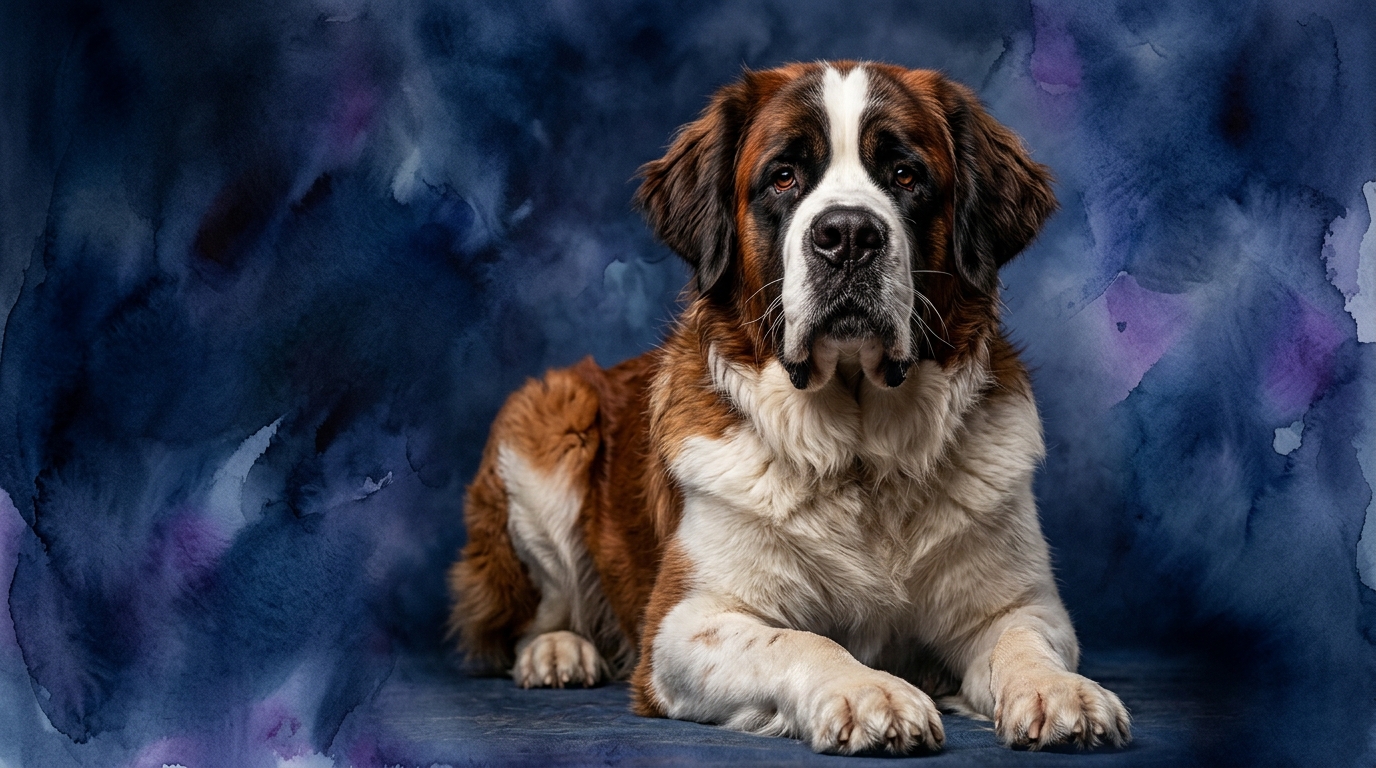
The Saint Bernard, a dignified member of the Working Group, presents a cognitive profile shaped by centuries of demanding rescue operations. Its problem-solving ability scores a solid 3/5, reflecting a capacity for situational assessment in complex environments, though perhaps not for abstract puzzles. Training speed is rated 2/5, suggesting a need for patience and consistent methods, as their independent streak and sheer size can sometimes make quick responses challenging. Where the Saint Bernard truly shines is in social intelligence, scoring an impressive 4/5, indicating a profound ability to read and respond to human emotions and intentions. Its instinctive drive is exceptionally high at 5/5, a testament to its innate purpose for search and rescue, often requiring an outlet for this powerful impulse. Memory for this breed is a robust 3/5, enabling them to retain complex associations and learned behaviors over time.
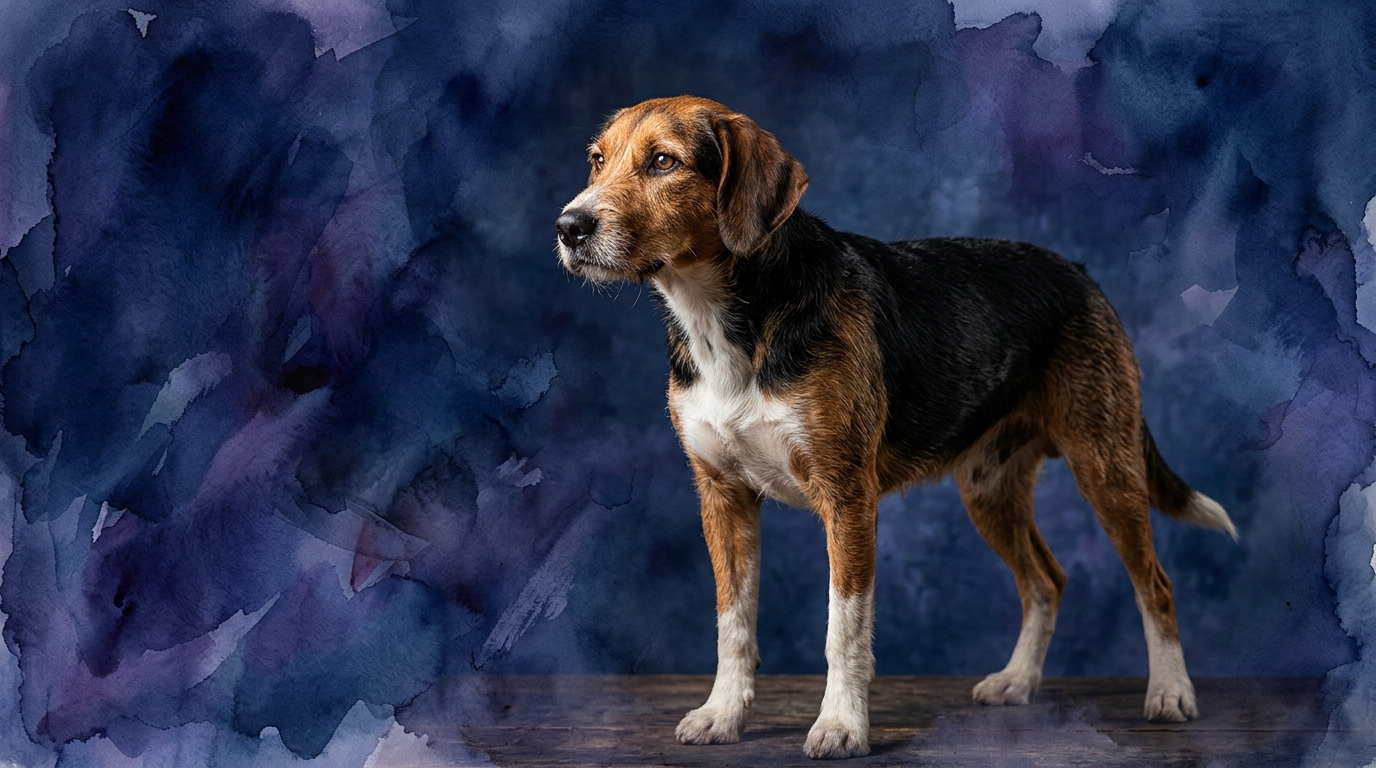
In contrast, the Harrier, a spirited Hound, offers a more uniformly balanced cognitive blueprint, though it is not Coren-ranked, suggesting its intelligence isn't typically highlighted for obedience-based work. Its problem-solving capacity also sits at 3/5, demonstrating practical intelligence for navigating terrain and pursuing scent trails rather than intricate human-devised puzzles. The Harrier's training speed is a commendable 3/5, indicating a more responsive and generally quicker grasp of commands compared to the Saint Bernard, though their hound nature can introduce distractions. Social intelligence for the Harrier is 3/5, suggesting they are capable companions who understand social cues, but perhaps without the profound empathetic depth of the Saint Bernard. Instinctive drive is rated 3/5, a moderate yet persistent urge to hunt and follow scent, which requires management but is not as overwhelming as a Saint Bernard's singular drive. Memory is also 3/5, sufficient for recalling learned commands and experiences within their environment.
Where the Saint Bernard Wins Cognitively
The Saint Bernard's cognitive strengths are deeply rooted in its historical role as a companion and rescuer, particularly evident in its superior social intelligence (4/5) and unparalleled instinctive drive (5/5). Their elevated social intelligence means they possess an exceptional capacity to discern human emotional states, often acting as intuitive comforters or guardians. This isn't just about recognizing a happy or sad face; it involves a nuanced understanding of social dynamics within a family unit, making them adept at forming deep, empathetic bonds. They can anticipate needs and offer comfort, often without direct instruction, showcasing a sophisticated level of emotional perception.
Furthermore, their instinctive drive, rated at a perfect 5/5, is a powerful, intrinsic motivation that, when properly channeled, translates into remarkable purposefulness. This isn't merely a desire to work; it's a profound, innate compulsion for specific tasks, historically search and rescue in treacherous conditions. This drive fuels their determination and focus in situations where other breeds might falter, allowing them to independently assess and act in ways that align with their protective and life-saving heritage. While this intense drive requires careful management and appropriate outlets in a modern home, it is a testament to their unique cognitive wiring for dedicated service.
Where the Harrier Wins Cognitively
The Harrier's cognitive advantages stem from its balanced profile and slightly quicker training speed (3/5) compared to the Saint Bernard (2/5). While no single cognitive dimension dramatically outshines the Saint Bernard's peak scores, the Harrier's consistent 3/5 across problem-solving, social intelligence, instinctive drive, and memory, combined with its improved training speed, offers a distinct advantage in adaptability and general responsiveness. Their moderate instinctive drive (3/5), while still present for scent work, is less overwhelming than the Saint Bernard's intense drive, making it more manageable for a wider range of activities and environments.
This balanced cognitive makeup means Harriers can be more versatile in learning new tasks and adapting to different routines without the specific, intense channeling required by a Saint Bernard's deep-seated working instincts. Their slightly faster training speed indicates they generally pick up new commands with fewer repetitions, which can be a significant benefit for owners looking for a more readily trainable companion. This isn't to say they are effortless, as their hound nature still presents challenges, but their overall cognitive agility allows for a broader spectrum of engagement without the same level of specialized focus needed for the Saint Bernard's high-drive behaviors.
Which Is Easier to Train and Why
Based on their respective IQ profiles, the Harrier is generally easier to train than the Saint Bernard. The Harrier's training speed is rated 3/5, indicating a moderate pace for learning new commands and behaviors. This means they typically require fewer repetitions to grasp concepts and are often more eager to engage in structured training sessions. Their balanced instinctive drive of 3/5, while still present for scent work, is less likely to overpower their focus during training compared to the Saint Bernard's intense drive.
In contrast, the Saint Bernard's training speed is 2/5, suggesting a slower learning curve that demands greater patience and consistency from trainers. Their substantial size and powerful instinctive drive (5/5) for specific tasks, like rescue, can sometimes translate into a strong-willed independence or a desire to follow their own deep-seated motivations rather than immediate human commands. While they are capable of learning, their sheer physical presence combined with a slower processing speed for new commands means training requires more time, physical effort, and creative motivation to keep them engaged and responsive. Behavioral differences might include a Saint Bernard needing more time to process a new cue before responding, whereas a Harrier might be quicker to offer a behavior, though potentially more prone to scent distractions.
Which Suits Active Owners vs. Relaxed Owners
The choice between a Saint Bernard and a Harrier largely depends on an owner's lifestyle and energy levels. For relaxed owners seeking a calm, empathetic, and protective presence, the Saint Bernard might be the more suitable choice. Despite their massive size and high instinctive drive, Saint Bernards are generally serene indoors, provided their moderate exercise needs are met and their deep-seated purpose is acknowledged, perhaps through specific, engaging activities like carting or therapy work. Their high social intelligence makes them deeply attuned to family dynamics, offering comfort and companionship without demanding constant high-octane engagement. They thrive in environments where their gentle nature and empathetic connections are valued, and where owners are prepared for their slower pace and deliberate movements.
Conversely, active owners who enjoy consistent engagement and outdoor adventures will likely find a better match in the Harrier. With its moderate instinctive drive and balanced energy levels, the Harrier thrives on regular physical activity and mental stimulation, such as long walks, scent games, or even agility training. Their quicker training speed and more adaptable cognitive profile make them excellent partners for owners who want to teach a variety of skills and participate in canine sports. They are built for endurance and curiosity, making them a joyful companion for those who lead a dynamic lifestyle and can provide ample opportunities for exploration and mental challenges.
The Verdict: When to Choose Each Breed
The Verdict
Choose the Saint Bernard if you seek a deeply empathetic, protective companion with a calm indoor demeanor, and you are prepared to engage with their profound instinctive drive and slower training pace through consistent, patient guidance.
Opt for the Harrier if you desire an active, versatile companion for varied outdoor activities, valuing moderate trainability and a balanced cognitive profile that adapts well to diverse engagements.
🧠 Find Your Pet's IQ Score
Our Pet IQ Lab assessment covers 25+ tests across 5 cognitive dimensions — personalized to your breed.
Take the Full IQ Test →Frequently Asked Questions
Do Saint Bernards require a lot of mental stimulation?
While Saint Bernards have a problem-solving score of 3/5 and a strong instinctive drive, their mental stimulation needs are often tied to their purpose-driven nature rather than complex puzzles. Engaging them in tasks that mimic their historical roles, such as 'search' games or carting, can be highly fulfilling, alongside consistent social interaction.
Are Harriers good for first-time dog owners?
Harriers can be suitable for first-time owners who are committed to an active lifestyle and consistent training. Their moderate training speed and balanced cognitive profile make them more manageable than some higher-drive breeds, but their hound instincts require understanding and management, particularly regarding scent distractions.
How does social intelligence manifest differently in these breeds?
The Saint Bernard's high social intelligence (4/5) manifests as deep empathy and an intuitive understanding of human emotions, often leading to comforting behaviors. The Harrier's social intelligence (3/5) allows for good companionship and understanding of social cues, but typically without the same profound emotional depth or anticipatory comfort of the Saint Bernard.