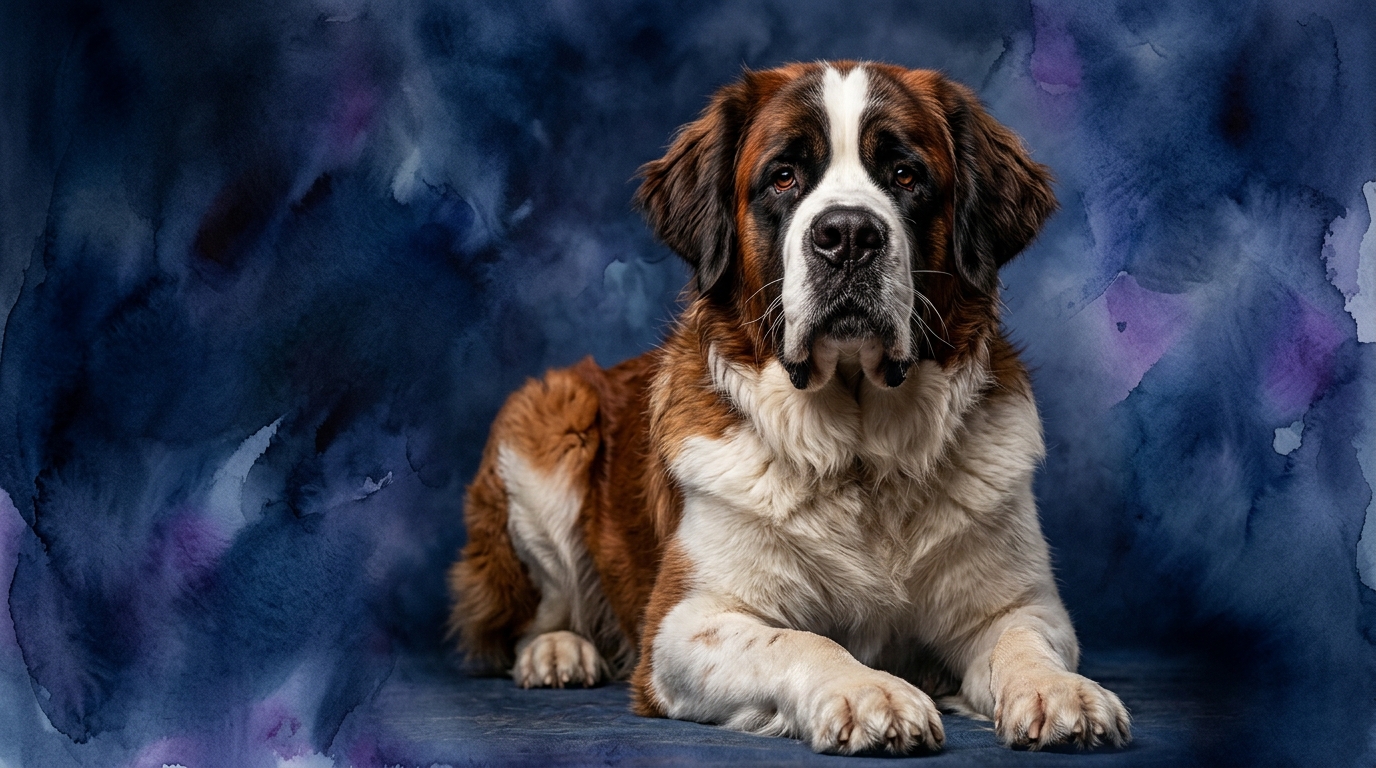
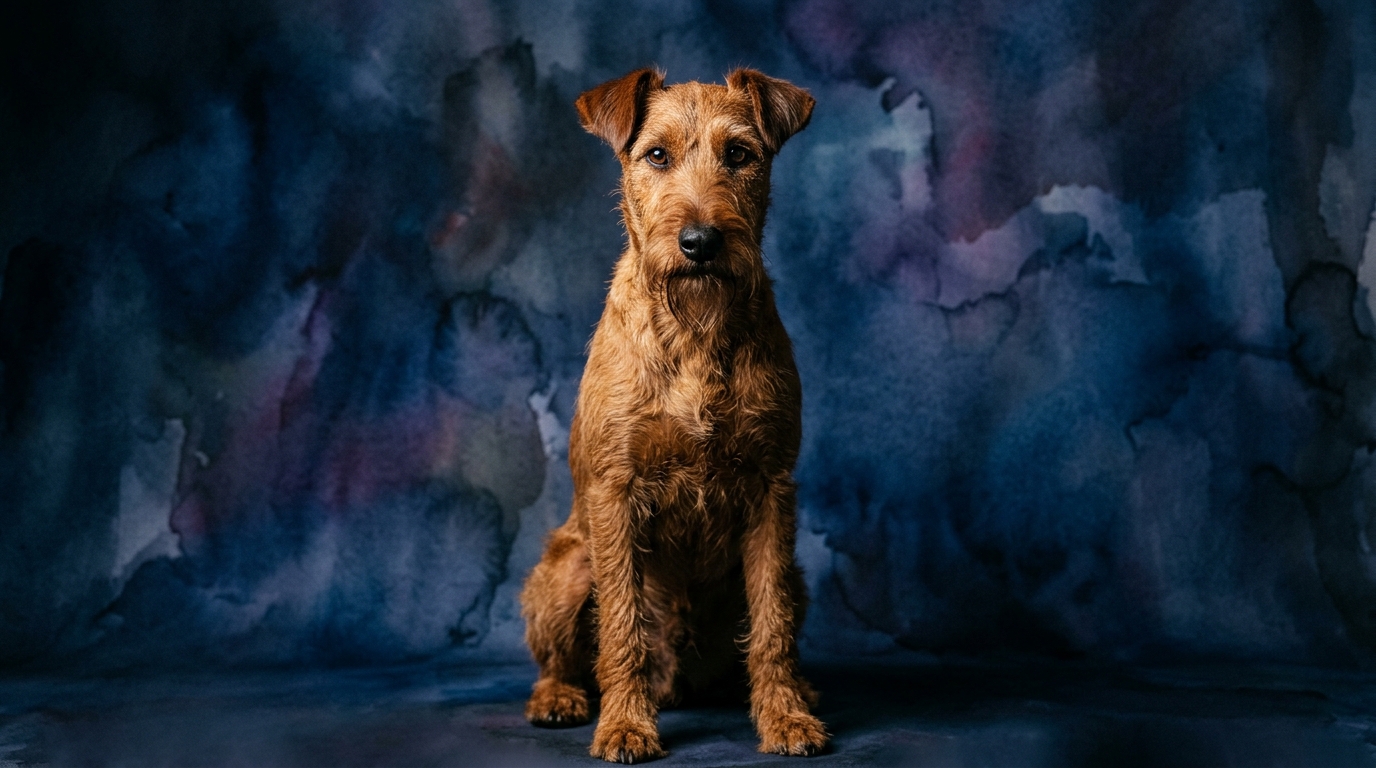
Side-by-side IQ Profile: Saint Bernard vs Irish Terrier
The Cosmic Pet Pet IQ Lab employs five distinct dimensions to assess a dog's cognitive profile, providing a granular view beyond generic labels. For the Saint Bernard, a dignified Working breed, their profile shows a Problem Solving score of 3 out of 5, indicating a moderate capacity for independent thought in novel situations, often relying on learned patterns rather than innovative solutions. Their Training Speed is rated 2 out of 5, suggesting they may require more repetition and patience during obedience sessions, reflecting a certain independent streak. Social Intelligence, however, shines at 4 out of 5, highlighting their exceptional ability to read human cues and form strong bonds, crucial for their historical roles. Their Instinctive Drive is a robust 5 out of 5, showcasing a powerful innate motivation for tasks like guarding or rescue, deeply ingrained in their genetic makeup. Memory stands at 3 out of 5, indicating a solid, but not extraordinary, retention of commands and experiences. The American Kennel Club also places the Saint Bernard at #65 in Coren's "Intelligence of Dogs" ranking, a measure primarily focused on working and obedience intelligence.
In contrast, the Irish Terrier, a spirited member of the Terrier group, presents a slightly different cognitive fingerprint. Their Problem Solving ability matches the Saint Bernard at 3 out of 5, suggesting a similar capacity for navigating moderate challenges. However, their Training Speed is rated higher at 3 out of 5, implying they generally pick up new commands with more readiness than their larger counterpart. Social Intelligence for the Irish Terrier is 3 out of 5, indicating a good but not overwhelmingly empathetic connection with humans, often preferring a more independent engagement. Their Instinctive Drive is also 3 out of 5, reflecting a moderate, rather than overwhelming, internal compulsion for specific tasks, though their terrier heritage imbues them with a strong prey drive. Memory for the Irish Terrier is 3 out of 5, mirroring the Saint Bernard's ability to recall information. Notably, the Irish Terrier is not listed in Coren's ranking, which often omits breeds not traditionally used in competitive obedience trials, or those whose primary functions don't align with Coren's specific assessment criteria.
Where the Saint Bernard Wins Cognitively
The Saint Bernard's cognitive edge becomes apparent in two key areas: social intelligence and instinctive drive. With a Social Intelligence score of 4/5, they exhibit a superior ability to interpret human emotions and intentions, fostering profound connections. This capacity was historically vital for their role as alpine rescue dogs, where understanding subtle distress signals from snowbound travelers was paramount. Their powerful Instinctive Drive, rated 5/5, further reinforces this, manifesting as an inherent motivation to protect and aid, often acting with remarkable self-reliance in dire situations. This deep-seated drive isn't just about physical strength; it's a cognitive predisposition to act on ingrained impulses for the welfare of others, a trait that sets them apart from many breeds. Their Coren ranking at #65, while not top-tier, reflects a foundational level of working intelligence that enables them to execute complex, multi-stage tasks when appropriately motivated, particularly those involving their innate protective and rescue instincts.
Where the Irish Terrier Wins Cognitively
The Irish Terrier demonstrates a distinct cognitive advantage in Training Speed, scoring 3/5 compared to the Saint Bernard's 2/5. This indicates a greater eagerness and quicker assimilation of new commands and routines. While both breeds share a similar Problem Solving score of 3/5, the Irish Terrier's faster learning curve means they can more readily apply their problem-solving skills in structured training environments. This quicker uptake isn't necessarily about deeper understanding but rather a more receptive and responsive temperament to instruction. Their moderate Instinctive Drive (3/5) allows for a more balanced focus during training, less dominated by overwhelming innate urges compared to the Saint Bernard's powerful 5/5 drive. This makes them generally more pliable and less prone to independent decision-making when a trainer is present, enabling them to progress through training stages with greater efficiency.
Which is Easier to Train and Why
When considering ease of training, the Irish Terrier generally presents a more straightforward experience than the Saint Bernard. The Irish Terrier's Training Speed of 3/5 signifies a quicker grasp of new commands, often requiring fewer repetitions to solidify a behavior. Their moderate Social Intelligence (3/5) means they are attentive enough to their handler's cues without being overly dependent, fostering a responsive yet independent learning dynamic. In contrast, the Saint Bernard's Training Speed of 2/5 suggests they can be more deliberate learners, sometimes requiring significant patience and consistent reinforcement. This isn't due to a lack of capacity, but rather an independent working dog mentality that can lead them to question the necessity of a command or prefer their own judgment. Their powerful Instinctive Drive (5/5), while valuable in their traditional roles, can sometimes manifest as a strong will, making them less inclined to follow an instruction if it conflicts with their perceived immediate purpose or comfort. Therefore, while both breeds are capable of learning, the Irish Terrier's intrinsic responsiveness makes the training journey generally smoother and faster for the average owner.
Which Suits Active Owners vs Relaxed Owners
The Saint Bernard, despite its imposing size and 5/5 Instinctive Drive, surprisingly leans towards suiting more relaxed owners, provided their environment accommodates their physical needs. Their drive often manifests as a deep-seated urge to protect and be vigilant, rather than a need for constant, high-intensity physical activity. While they require regular, moderate exercise to maintain health, their large size means they are not built for sustained, vigorous exertion. Their high Social Intelligence (4/5) means they thrive on companionship and gentle interaction, making them excellent, calm household presences for those who appreciate a devoted, watchful companion without demanding extreme adventures.
Conversely, the Irish Terrier, with its moderate scores across the board (3/5 for Problem Solving, Social Intelligence, Instinctive Drive, and Memory), is a better fit for active owners. While their instinctive drive isn't overwhelming, their terrier heritage means they possess a spirited energy and a need for engagement that goes beyond a simple stroll. They are curious and enjoy exploring, benefiting from activities that challenge both their physical stamina and their moderate problem-solving abilities. Their quicker training speed also means active owners can more easily teach them complex tricks or participate in dog sports, channeling their vivacious energy constructively. They thrive in environments where they are regularly stimulated through play, training, and outdoor adventures, making them ideal for individuals or families who embrace an energetic lifestyle.
The Verdict
Choose a Saint Bernard if you seek a calm, devoted, and inherently protective companion with a profound social connection, valuing their deliberate nature and gentle presence over high-octane activity.
Opt for an Irish Terrier if you desire a spirited, responsive, and adaptable companion who thrives on engagement and activity, appreciating their quicker learning and robust, energetic personality.
🧠 Find Your Pet's IQ Score
Our Pet IQ Lab assessment covers 25+ tests across 5 cognitive dimensions — personalized to your breed.
Take the Full IQ Test →Frequently Asked Questions
Do Saint Bernards struggle with learning new things because of their lower training speed?
Not at all; a lower training speed (2/5) for Saint Bernards simply means they require more patience and consistent repetition during training sessions. They are capable learners, but their independent working dog nature means they often need more motivation and clear communication to internalize commands effectively.
Is the Irish Terrier's moderate instinctive drive a disadvantage compared to the Saint Bernard's high drive?
Not necessarily; the Irish Terrier's moderate instinctive drive (3/5) means they have a balanced internal motivation, which can make them more adaptable to various activities beyond a single, intense purpose. While the Saint Bernard's 5/5 drive is specialized for rescue, the Irish Terrier's drive makes them versatile for diverse family life and various dog sports.
How does the Coren ranking relate to the Pet IQ Lab scores for these breeds?
Coren's ranking primarily assesses "working and obedience intelligence," focusing on how quickly a dog learns and obeys commands, which aligns closely with the Pet IQ Lab's "Training Speed" dimension. The Saint Bernard's #65 ranking reflects a moderate aptitude in this area, while the Irish Terrier, not being Coren-ranked, suggests its intelligence might not be as readily expressed in competitive obedience, but rather in different cognitive strengths.