Side-by-Side Cognitive Profiles
The Cosmic Pet Pet IQ Lab evaluates canine intelligence across five critical dimensions: Problem Solving, Training Speed, Social Intelligence, Instinctive Drive, and Memory. These metrics provide a granular view beyond generic notions of 'smartness,' allowing for a precise comparison between breeds like the Saint Bernard and the Pekingese.
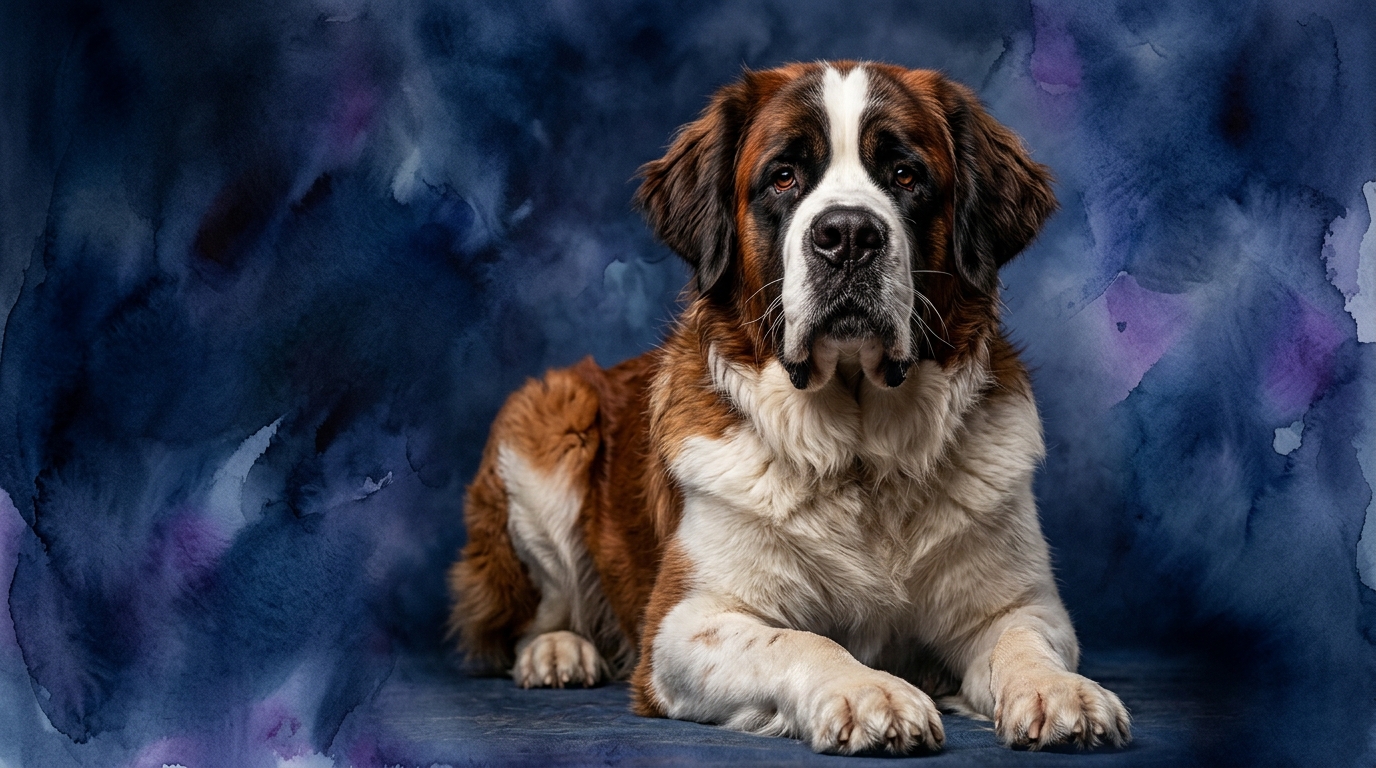
The Saint Bernard, a breed historically engaged in demanding rescue work, exhibits a Problem Solving score of 3/5. This suggests a practical aptitude for navigating complex situations, often involving physical obstacles or assessing environmental challenges. Its Training Speed is rated at 2/5, indicating that while capable of learning, it may require more repetition and patience compared to breeds eager for constant instruction. Where the Saint Bernard truly shines is in Social Intelligence, scoring 4/5, reflecting its deep empathy and responsiveness to human emotional states, crucial for its historical role as a companion and rescuer. Its Instinctive Drive is exceptionally high at 5/5, a testament to its powerful natural inclinations for guardianship and assistance. Memory for the Saint Bernard stands at 3/5, allowing it to retain learned commands and experiences effectively over time, though perhaps not with the precision of some highly specialized working breeds.
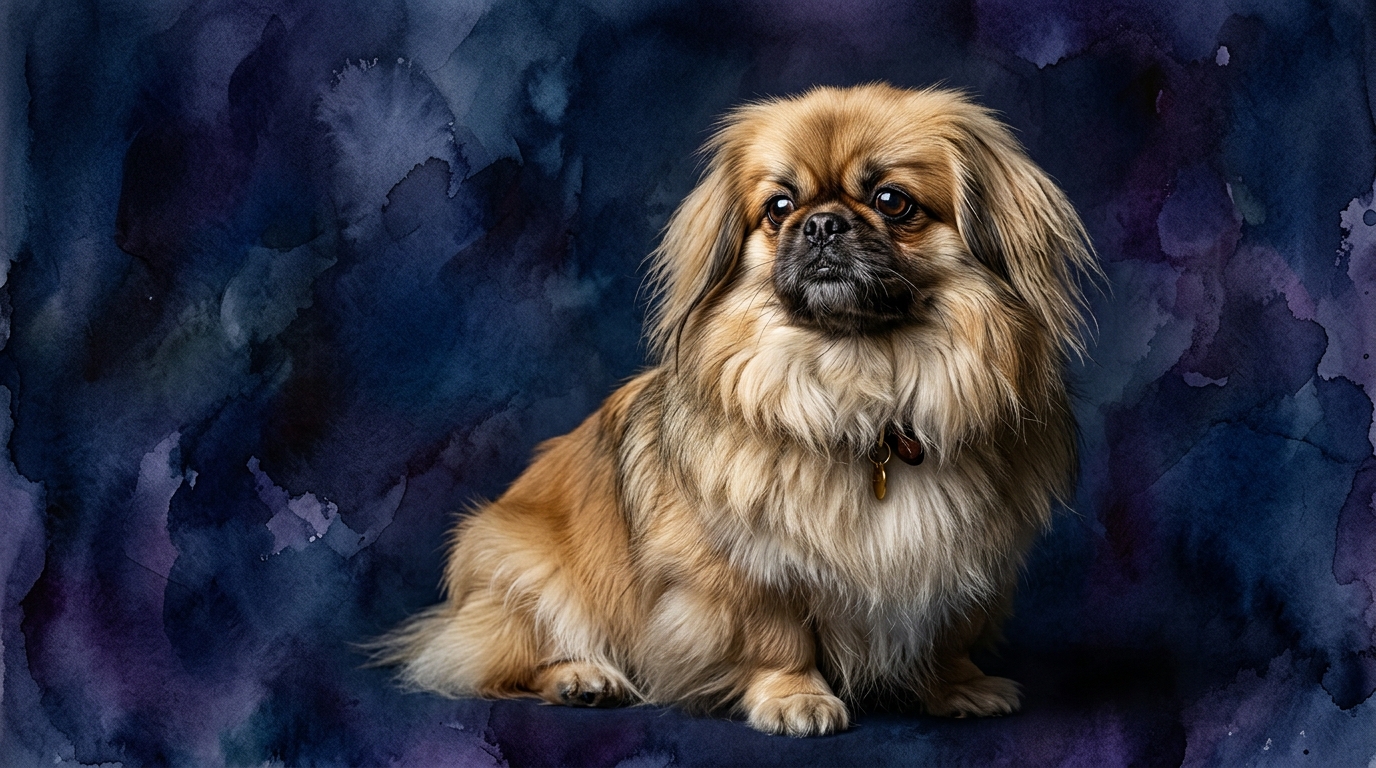
In contrast, the Pekingese, a breed cherished for centuries as a companion, presents a distinct cognitive makeup. Its Problem Solving ability is also rated at 3/5, which, while numerically identical to the Saint Bernard, manifests differently; for a Pekingese, this often translates to cleverness in navigating a domestic environment or figuring out how to achieve desired comforts. The Pekingese's Training Speed scores 3/5, indicating a slightly quicker grasp of new commands and routines than the Saint Bernard, often motivated by treats or affection. Its Social Intelligence is 3/5, suggesting a discerning and sometimes independent social nature, capable of forming strong bonds but perhaps less universally attuned to human cues than its larger counterpart. The Instinctive Drive of the Pekingese is 3/5, reflecting a moderate level of inherent behaviors, primarily focused on companionship and self-preservation within a domestic setting. Its Memory, like the Saint Bernard, is rated at 3/5, allowing it to remember its routines, preferred humans, and learned boundaries within its home environment.
Where the Saint Bernard Wins Cognitively
The Saint Bernard's cognitive strengths are deeply rooted in its heritage as a working dog, particularly evident in its exceptional Instinctive Drive (5/5) and robust Social Intelligence (4/5). This powerful instinctive drive allows them to operate with a strong sense of purpose, whether historically in avalanche rescue or in modern roles as therapy or assistance dogs. Their inherent inclination towards guardianship and providing aid means they often anticipate needs or react appropriately in crisis situations, not through explicit training alone, but through deeply ingrained natural responses. This drive is a fundamental aspect of their being, guiding their interactions and motivations.
Furthermore, their superior Social Intelligence means they possess a remarkable capacity for empathy and understanding human emotions. A Saint Bernard often appears to 'read' its owner's mood, offering comfort or companionship precisely when needed. This isn't just about obedience; it's a sophisticated ability to interpret subtle cues, making them profoundly responsive and intuitive companions capable of forming incredibly deep, emotionally resonant bonds. Their problem-solving, while matching the Pekingese numerically, often involves larger-scale thinking, such as assessing physical environments or identifying potential hazards, driven by their protective instincts.
Where the Pekingese Wins Cognitively
The Pekingese, while not possessing the raw instinctive power of the Saint Bernard, demonstrates a distinct cognitive edge in areas more suited to its companion role. Its Training Speed, at 3/5, subtly surpasses the Saint Bernard's 2/5. This indicates that a Pekingese can often pick up new commands and routines with fewer repetitions, making basic obedience and house-training potentially smoother for an owner committed to consistent, positive reinforcement. This quicker learning curve means they can adapt more readily to household rules and expectations.
While their Social Intelligence is 3/5, slightly lower than the Saint Bernard's, it manifests as a highly selective and often charmingly independent social aptitude. A Pekingese excels at forming deep, exclusive bonds with its chosen humans, displaying a keen understanding of their specific household's social dynamics. Their problem-solving (3/5) is often employed with a refined cleverness within their immediate environment, perhaps figuring out how to manipulate objects to gain access to a favorite spot or how to communicate their desires through subtle cues, demonstrating an internal logic focused on comfort and personal preference rather than large-scale tasks.
Which is Easier to Train and Why
When considering ease of training, the Pekingese holds a slight advantage over the Saint Bernard due to its higher Training Speed score of 3/5 compared to the Saint Bernard's 2/5. This means a Pekingese is generally more responsive to initial training efforts and can grasp new commands with fewer repetitions. Their motivations for learning often revolve around securing human attention or tasty rewards, which are powerful drivers for a companion breed.
The Saint Bernard, despite its social intelligence, can present a greater challenge in training due to its lower Training Speed and exceptionally high Instinctive Drive (5/5). While they are capable of learning, their powerful natural inclinations and independent working dog mindset mean they may be less inclined to follow commands that run counter to their deeply ingrained instincts or perceived duties. Redirecting a Saint Bernard from a course of action dictated by its strong drive requires immense patience, consistency, and a deep understanding of canine behavior, as they are not simply 'stubborn' but are often following their own profound internal compass. Effective training for a Saint Bernard leverages their social intelligence and natural drive, rather than trying to suppress it.
Which Suits Active Owners vs. Relaxed Owners
The Saint Bernard, with its powerful Instinctive Drive (5/5) and a Problem Solving score of 3/5, is better suited for owners who are active and prepared to engage with a dog that possesses a strong sense of purpose. While not requiring the intense athletic output of some working breeds, Saint Bernards thrive with owners who can provide consistent mental and physical engagement that aligns with their historical roles. This might involve long, purposeful walks, 'work' like carrying a pack, or participating in activities that challenge their problem-solving and social intelligence, such as therapy work or search and rescue simulations. They need owners who understand and respect their immense natural drives and can channel them constructively, rather than expecting a purely sedentary existence.
Conversely, the Pekingese, with its moderate Instinctive Drive (3/5) and a focus on domestic problem-solving, is an ideal companion for more relaxed or sedentary owners. Their needs for physical activity are minimal, content with short walks and indoor play. Their cognitive profile lends itself to a life of comfortable companionship, where their cleverness is applied to navigating the home and their social intelligence is focused on intimate interactions within the family unit. Owners who appreciate a dog's independent spirit and are content with a less demanding but equally devoted presence will find the Pekingese a perfect match, as they excel in the art of being a cherished household member.
The Verdict
Choose the Saint Bernard if you are an owner prepared for a large, purpose-driven companion with deep social intelligence and powerful instincts, ready to engage in meaningful activities.
Opt for the Pekingese if you seek a charming, independent, and relatively easy-to-train companion for a more relaxed lifestyle, valuing domestic cleverness and close, intimate bonds.
🧠 Find Your Pet's IQ Score
Our Pet IQ Lab assessment covers 25+ tests across 5 cognitive dimensions — personalized to your breed.
Take the Full IQ Test →Frequently Asked Questions
Do Saint Bernards excel at learning complex tricks?
While Saint Bernards have a 3/5 Problem Solving score and 3/5 Memory, their Training Speed is 2/5. They can learn complex tricks, but it may require significant patience and consistent repetition from the trainer, often leveraging their strong social bond.
Is the Pekingese truly 'stubborn' or just independent?
The Pekingese's 3/5 Social Intelligence and 3/5 Instinctive Drive suggest a degree of independence rather than outright stubbornness. They form strong selective bonds and will learn quickly (3/5 Training Speed) when motivated by their preferred humans and rewards, but may not be eager to please just anyone.
How does social intelligence differ between these two breeds?
The Saint Bernard's 4/5 Social Intelligence indicates a broad, empathetic attunement to human emotions, making them highly responsive and comforting. The Pekingese's 3/5 Social Intelligence is more focused on forming deep, selective bonds within its immediate family, demonstrating a discerning rather than universally empathic social style.