Side-by-Side IQ Profile
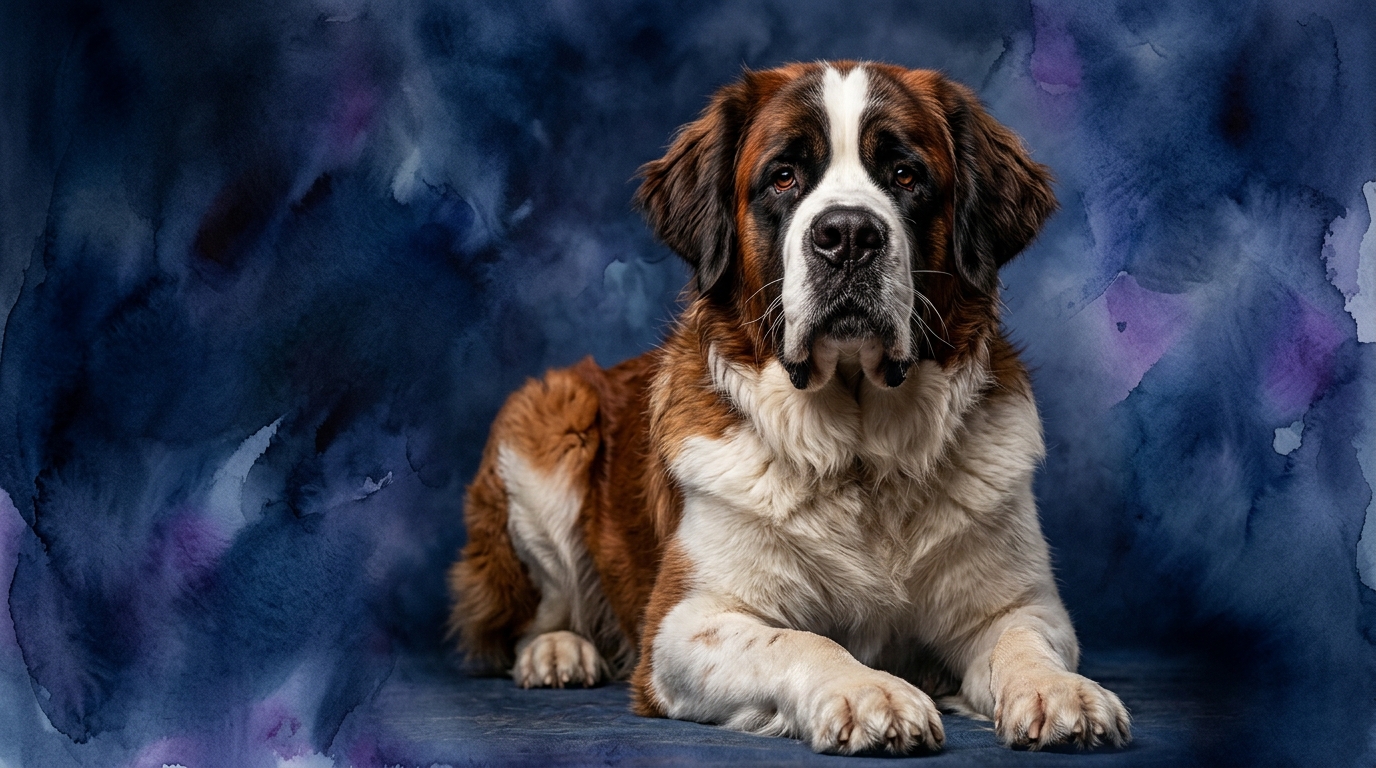
The Saint Bernard, recognized with a Coren rank of #65, presents a distinct cognitive blueprint. Their Problem Solving is rated 3/5, indicating an ability to navigate moderately complex situations, often relying on learned patterns or human guidance rather than independent innovation. Training Speed scores 2/5, suggesting they require more repetitions and patience to grasp new commands, though once learned, these behaviors are often retained reliably. Social Intelligence, at 4/5, highlights their remarkable empathy and attunement to human emotions and cues, making them exceptional companions and often successful in therapeutic roles. An Instinctive Drive of 5/5 underscores their powerful, inherent urge for purposeful work, historically exemplified in mountain search and rescue. Their Memory is 3/5, solidifying their capacity to recall past experiences and learned behaviors over time.
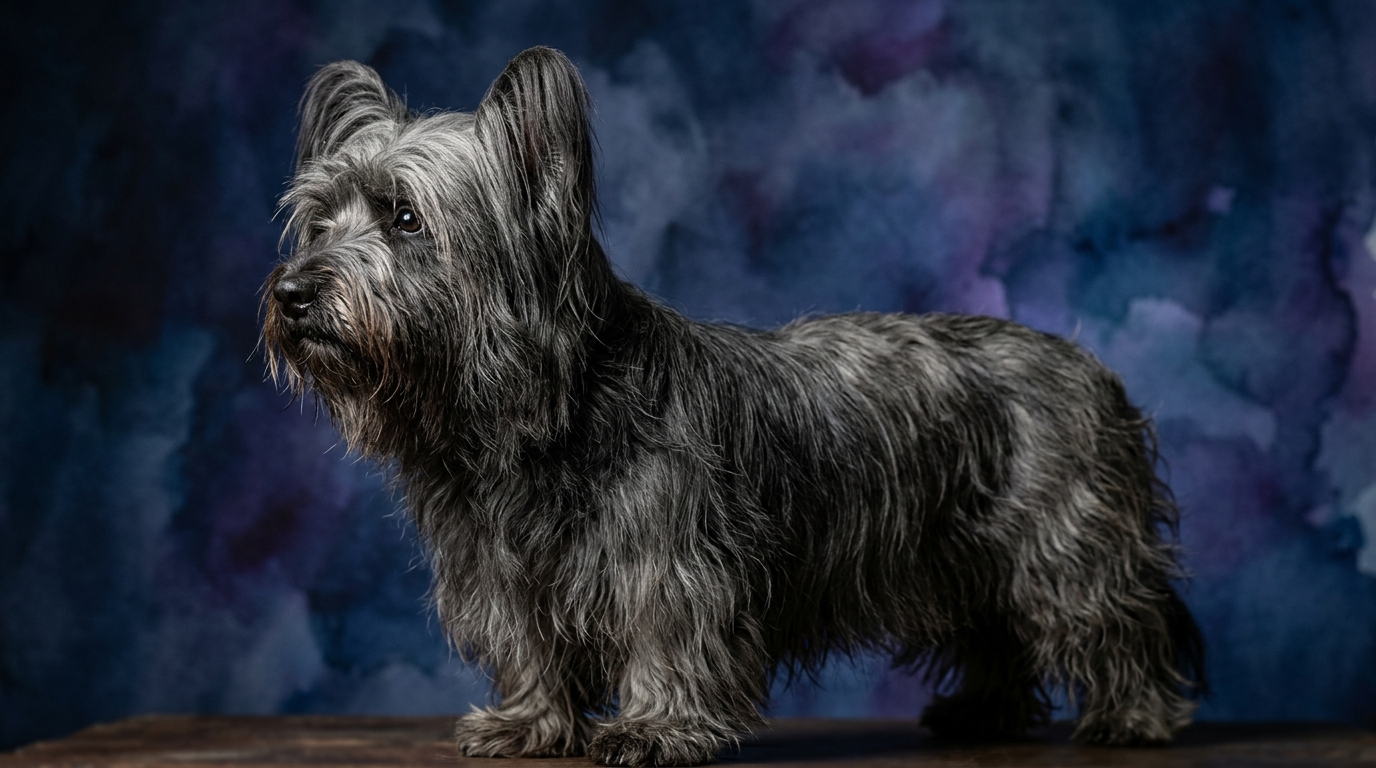
The Skye Terrier, not appearing on Coren's widely cited rankings, offers a different, yet equally compelling, cognitive profile. Their Problem Solving is also 3/5, demonstrating a capacity to figure out challenges, often with a tenacious, independent approach characteristic of terriers. Training Speed, at 3/5, suggests they can pick up new commands with moderate ease, generally quicker than a Saint Bernard, though their independent nature might require consistent and engaging motivation. Social Intelligence stands at 3/5, indicating they form strong bonds with their immediate family but may be more reserved or discerning with strangers compared to more overtly social breeds. Their Instinctive Drive is 3/5, reflecting a moderate, yet present, drive for traditional terrier pursuits like digging, scenting, or chasing small prey. Memory is 3/5, signifying a reliable ability to recall past events and training.
Where Saint Bernard Wins Cognitively
The Saint Bernard's cognitive strengths shine particularly in their Social Intelligence (4/5) and Instinctive Drive (5/5). Their elevated social intelligence means they possess a remarkable capacity to understand and respond to human emotional states, often exhibiting a profound empathy that makes them exceptional therapy dogs or loyal family guardians. This isn't just about simple obedience; it's about forming deep, intuitive connections and offering comfort. Their formidable instinctive drive, rated 5/5, points to an innate, powerful urge for purpose. This isn't necessarily about high physical energy, but about a deep-seated desire to 'work' or serve a function, whether that's guarding the family, participating in search simulations, or simply being a steadfast, comforting presence. This drive, rooted in their historical mountain rescue roles, translates into a dog that thrives on having a clear role and feeling useful, often displaying incredible endurance and focus when engaged in a task.
Where Skye Terrier Wins Cognitively
The Skye Terrier distinguishes itself primarily in Training Speed (3/5), surpassing the Saint Bernard's 2/5. This indicates a quicker uptake of new commands and routines, potentially making initial training sessions more efficient and rewarding for both dog and owner. While their Problem Solving and Memory scores are numerically equal to the Saint Bernard's, the Skye Terrier's application of these skills often carries a distinctive terrier independence. Their 3/5 in Problem Solving often manifests as a self-reliant approach to obstacles, rooted in their history of working alone to dispatch vermin. They might not always seek human approval for a solution, but rather devise their own, often clever, means to an end. This independent streak, combined with their moderate instinctive drive (3/5), means they are adept at focusing on a task they deem important, even if it's not a human-directed one.
Which is Easier to Train and Why
When considering ease of training, the Skye Terrier (Training Speed 3/5) generally presents a smoother initial learning curve than the Saint Bernard (Training Speed 2/5). The Skye Terrier's quicker grasp of new commands can make early obedience work feel more immediately rewarding. However, their terrier independence, while a cognitive strength for problem-solving, can also manifest as stubbornness, meaning that while they learn quickly, consistent, engaging, and positive reinforcement methods are crucial to maintain their cooperation. These dogs thrive on variety and fair, firm guidance.
A Saint Bernard, with its 2/5 training speed, requires significantly more patience and repetition. Their sheer size also dictates that early, consistent training, especially for manners and leash work, is paramount for safety and manageability. While they may take longer to learn a command, their high social intelligence and desire to please their family mean that once a lesson is ingrained, it's often retained reliably. The Saint Bernard's strong instinctive drive needs careful channeling; if not given appropriate outlets, it might lead to behaviors that seem resistant to training, but are actually expressions of their inherent purpose-seeking nature. Owners must understand their motivations to train effectively.
Which Suits Active Owners vs Relaxed Owners
Matching a dog's cognitive and physical needs to an owner's lifestyle is key for a harmonious relationship. For owners seeking a more relaxed pace at home, the Saint Bernard can be a surprisingly good fit indoors. Despite their massive size, they are not typically high-energy dogs that require constant, vigorous activity. Their 5/5 instinctive drive translates more into a need for purpose and companionship rather than endless running. They appreciate consistent, moderate exercise, like daily walks, and mental engagement, but are often content to lounge with their family. However, their size demands a large living space and careful management of their powerful physique.
For owners who are moderately active and appreciate a dog with an independent spirit, the Skye Terrier might be more suitable. Their 3/5 instinctive drive means they enjoy regular walks, exploring, and engaging in activities that tap into their terrier instincts, such as scent work, controlled play chasing, or earthdog trials. They are agile and can be quite playful, but their compact size makes them adaptable to various living situations, including apartments, provided they receive sufficient outdoor engagement and mental stimulation. They thrive on having their minds challenged and their instincts satisfied.
The Verdict
Choose a Saint Bernard if you value a deeply empathetic, steadfast companion, possess ample living space, and are prepared for patient, consistent training to channel their powerful instinctive drive. They thrive with owners who appreciate their calm demeanor and desire for a clear, purposeful role within the family.
Opt for a Skye Terrier if you prefer a compact, quick-witted companion with a distinctive independent streak, and are ready to engage their moderate instinctive drive with regular, stimulating activities. They are ideal for owners who enjoy a dog that learns quickly but requires consistent, positive reinforcement to manage their terrier tenacity.
🧠 Find Your Pet's IQ Score
Our Pet IQ Lab assessment covers 25+ tests across 5 cognitive dimensions — personalized to your breed.
Take the Full IQ Test →Frequently Asked Questions
Are Saint Bernards truly slow learners, given their 2/5 training speed?
The 2/5 training speed for Saint Bernards indicates they require more repetition and patience to grasp new commands than some other breeds. However, this doesn't imply a lack of cognitive capacity; rather, it suggests a more deliberate learning style. Once a Saint Bernard learns something, they tend to retain it reliably, especially given their strong social bond with their family.
What does 'Instinctive Drive 5/5' mean for a Saint Bernard owner?
A 5/5 instinctive drive means Saint Bernards possess a powerful, innate urge for purpose and function, rooted in their historical roles. For owners, this translates to a dog that thrives on having a clear role, whether it's 'guarding' the home, participating in structured activities, or simply being a comforting, steadfast presence. Providing outlets for this drive, even in a companion setting, helps them feel fulfilled.
Is the Skye Terrier's equal problem-solving score to the Saint Bernard surprising?
While both breeds score 3/5 in problem-solving, their approaches often differ due to their breed histories. The Saint Bernard typically solves problems through learned patterns and cooperation, while the Skye Terrier's problem-solving is often more independent and tenacious, reflecting their heritage of working alone. So, while the score is numerically equal, the underlying cognitive style can be quite distinct.