Side-by-Side Cognitive Profiles
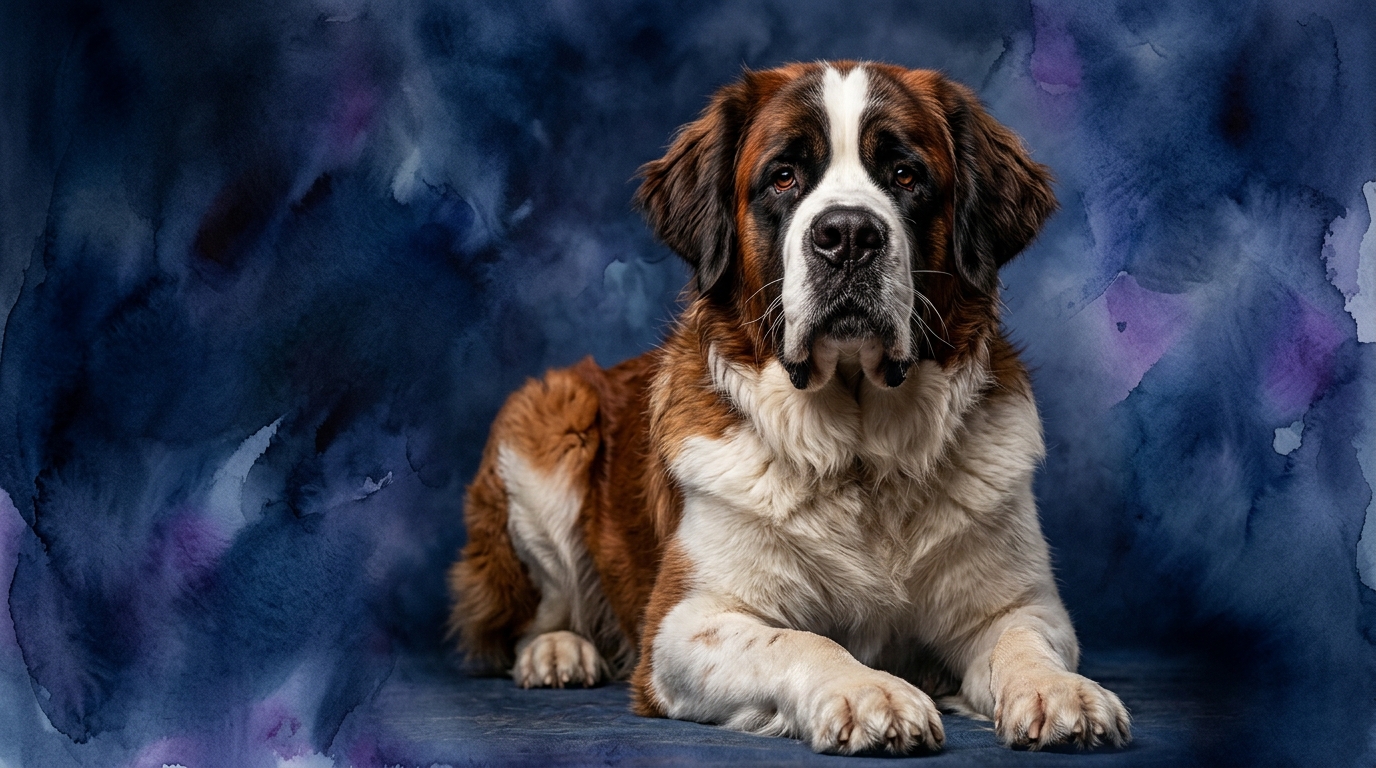
The Saint Bernard, ranking #65 on the Coren scale for obedience and working intelligence, presents a cognitive profile shaped by its historical role as a mountain rescue dog. Their problem-solving ability rates at 3/5, indicating they can navigate moderately complex situations but might not be the quickest to devise novel solutions independently. Training speed is 2/5, suggesting that new commands require consistent repetition to embed. However, their social intelligence is a robust 4/5, reflecting a deep capacity for empathy and understanding human cues, crucial for their companion and rescue roles. An outstanding instinctive drive of 5/5 highlights their innate motivation for specific tasks, while memory is a solid 3/5, allowing them to retain important experiences and learned behaviors over time.
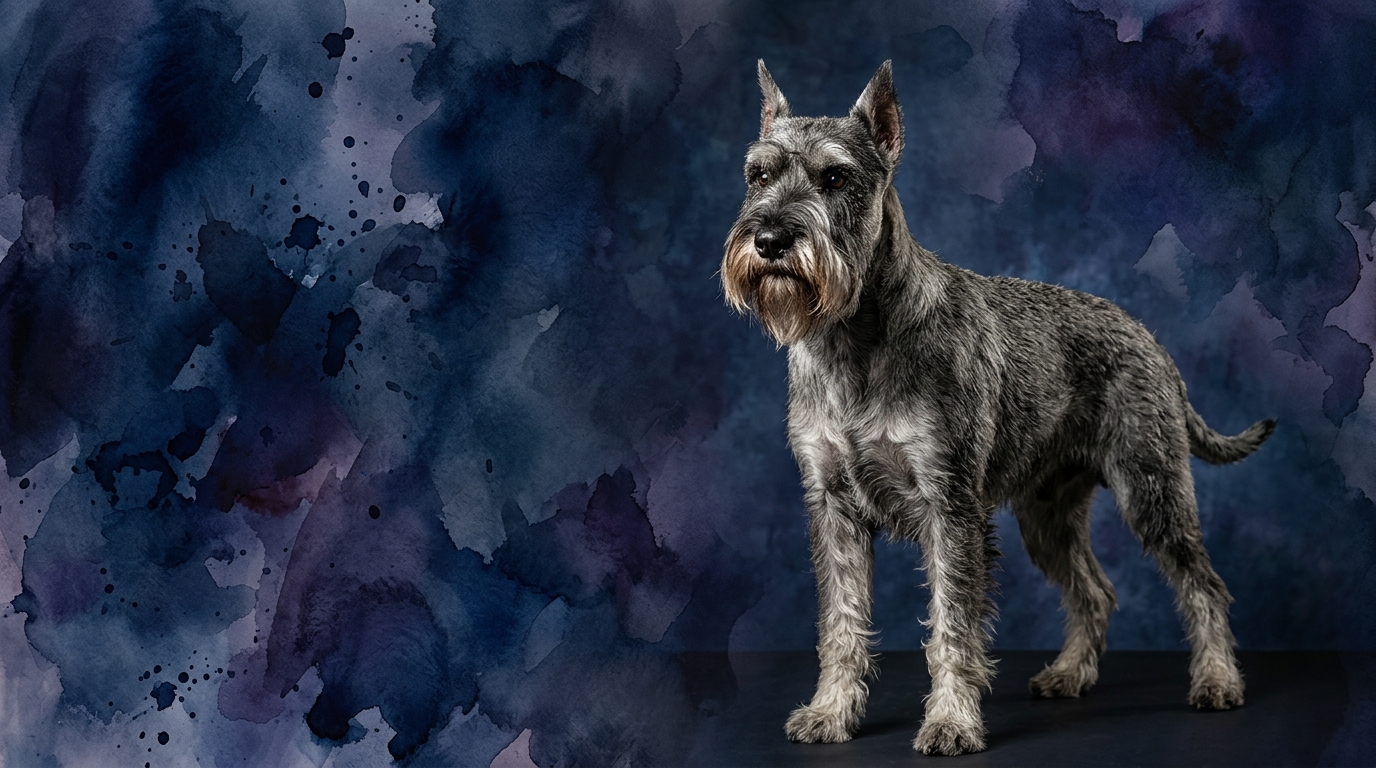
In contrast, the Standard Schnauzer, with a Coren ranking of #22, demonstrates a more agile and versatile cognitive makeup. Their problem-solving ability stands at 4/5, indicating a greater aptitude for figuring out challenges and adapting to new scenarios. Training speed is 4/5, meaning they absorb new information and commands with remarkable efficiency. While their social intelligence is 3/5, still capable of forming strong bonds, it's generally more task-oriented than the Saint Bernard's. Instinctive drive is 3/5, present but more generalized than the Saint Bernard's specialized focus, and their memory is an impressive 4/5, contributing to their consistent performance and retention of complex routines.
Where the Saint Bernard Excels Cognitively
The Saint Bernard's cognitive strengths distinctly shine in areas requiring profound empathy and unwavering purpose. Their social intelligence, rated 4/5, allows them to connect deeply with humans, often sensing emotional states and offering comforting presence, a trait invaluable in their traditional rescue work and as devoted family companions. This isn't just about being friendly; it's about a nuanced understanding of social dynamics and a capacity for forming incredibly strong, intuitive bonds that can anticipate needs.
Furthermore, their instinctive drive, a perfect 5/5, is a dominant cognitive feature. This isn't just about 'wanting to work'; it's an innate, deep-seated motivation for specific tasks, historically search and rescue in treacherous conditions. This drive means that once their purpose is aligned with a task, their dedication is profound, often requiring less external motivation for activities that tap into these inherent predispositions. While their problem-solving might be moderate, their tenacity driven by instinct can overcome many obstacles.
Where the Standard Schnauzer Holds the Cognitive Edge
The Standard Schnauzer demonstrates a clear cognitive advantage in areas demanding mental agility and rapid learning. Their problem-solving ability, rated 4/5, means they are more likely to independently assess and overcome new challenges, whether it's figuring out how to open a gate or solving a complex puzzle toy. This trait makes them adaptable and often less reliant on direct human instruction for every step of a novel task, a hallmark of their versatile working history.
Their training speed, also 4/5, is a significant differentiator. Standard Schnauzers grasp new commands and routines with impressive efficiency, often requiring fewer repetitions than many other breeds. This cognitive quickness translates directly into a more fluid and responsive training experience, making them excellent candidates for advanced obedience, dog sports, and specialized roles that demand a wide array of learned behaviors. Coupled with a memory rating of 4/5, they not only learn quickly but retain that knowledge consistently, building a robust repertoire of skills over time and performing reliably.
The Standard Schnauzer's Coren ranking of #22 further underscores their general aptitude for obedience and working intelligence, reflecting a breed that processes and responds to human directives with notable efficiency. This positions them as highly capable learners who thrive on consistent, engaging mental activity, making them a satisfying partner for those who enjoy teaching and refining skills.
Training Dynamics: Which is Easier and Why?
When considering ease of training, the Standard Schnauzer generally presents a more straightforward path. Their training speed of 4/5 means they absorb and internalize commands much faster, requiring fewer repetitions and often making training sessions feel more productive and engaging. Their strong memory (4/5) ensures that once a behavior is learned, it's retained with consistency, minimizing the need for constant refreshers. This combination allows for rapid progression through various training levels, from basic obedience to complex tricks or dog sports. Their problem-solving ability also means they can generalize learned behaviors to new situations more readily.
The Saint Bernard, with a training speed of 2/5, requires a more patient and persistent approach. While certainly trainable, they need more repetition to solidify new commands and routines. Their sheer size and powerful build mean that early, consistent training is paramount for managing their physical presence, but owners must be prepared for a slower learning curve. Their strong instinctive drive (5/5), while beneficial for specific roles, can sometimes be a competing motivator against learned behaviors if not properly channeled and integrated into training. Owners will find success with positive reinforcement, short, engaging sessions, and a deep understanding of their breed's inherent motivations.
Matching Breeds to Lifestyles: Active vs. Relaxed Owners
The Saint Bernard typically aligns well with more relaxed owners, particularly those who appreciate a calmer household pace and can provide consistent, patient guidance rather than high-intensity physical activity. While they are large and powerful, their exercise needs are generally moderate. However, their high social intelligence (4/5) and strong instinctive drive (5/5) mean they thrive on purpose and deep connection. Owners who can offer ample companionship, gentle mental engagement, and appreciate a dog with a profound sense of loyalty and empathy will find a Saint Bernard rewarding. They are not content to be isolated; their cognitive makeup demands inclusion and understanding within the family unit.
Conversely, the Standard Schnauzer is an ideal match for active owners who enjoy engaging their dog in consistent mental and physical challenges. Their higher problem-solving (4/5) and training speed (4/5) mean they thrive on learning, dog sports like agility or obedience, and varied daily activities that stimulate their intellect. They are not dogs that will be content with only a short walk; they need structured activity, puzzle toys, and opportunities to use their quick wits. Owners who are committed to regular training, provide varied intellectual tasks, and enjoy a physically capable companion will find the Standard Schnauzer a fulfilling and highly responsive partner.
The Verdict
Choose a Saint Bernard if you seek an empathetic, instinctively driven companion for a calmer home, are patient with training, and value deep, intuitive bonds.
Choose a Standard Schnauzer if you desire a quick-learning, mentally agile partner for active pursuits, value efficient training, and can provide consistent intellectual stimulation.
🧠 Find Your Pet's IQ Score
Our Pet IQ Lab assessment covers 25+ tests across 5 cognitive dimensions — personalized to your breed.
Take the Full IQ Test →Frequently Asked Questions
Are Saint Bernards difficult to train?
Saint Bernards require more time and patience due to their moderate training speed, meaning new commands take more repetitions. However, they are certainly trainable with consistent, positive reinforcement methods, and their strong instinctive drive can be channeled effectively.
What kind of activities do Standard Schnauzers excel at?
Standard Schnauzers, with their high problem-solving ability and training speed, often excel in dog sports like agility, obedience, rally, and even scent work. They thrive on tasks that challenge their intellect and enjoy learning complex routines.
How does social intelligence differ between the two breeds?
Saint Bernards possess higher social intelligence, making them more attuned to human emotions and social cues, fostering deep, empathetic bonds. Standard Schnauzers have good social skills but are generally more task-oriented and may not display the same level of intuitive emotional understanding.