
A Tale of Two Minds: IQ Profiles Unveiled
The Saint Bernard’s cognitive profile, deeply rooted in its alpine rescue heritage, scores 3/5 for Problem Solving, indicating a deliberate approach to challenges. Their Training Speed is 2/5, suggesting patience is key for instruction. They excel in Social Intelligence (4/5), showing an exceptional ability to understand human emotions, crucial for empathetic companionship. An Instinctive Drive of 5/5 highlights their powerful, ingrained motivation for guardianship and companionship, while their Memory is a solid 3/5 for retaining experiences.
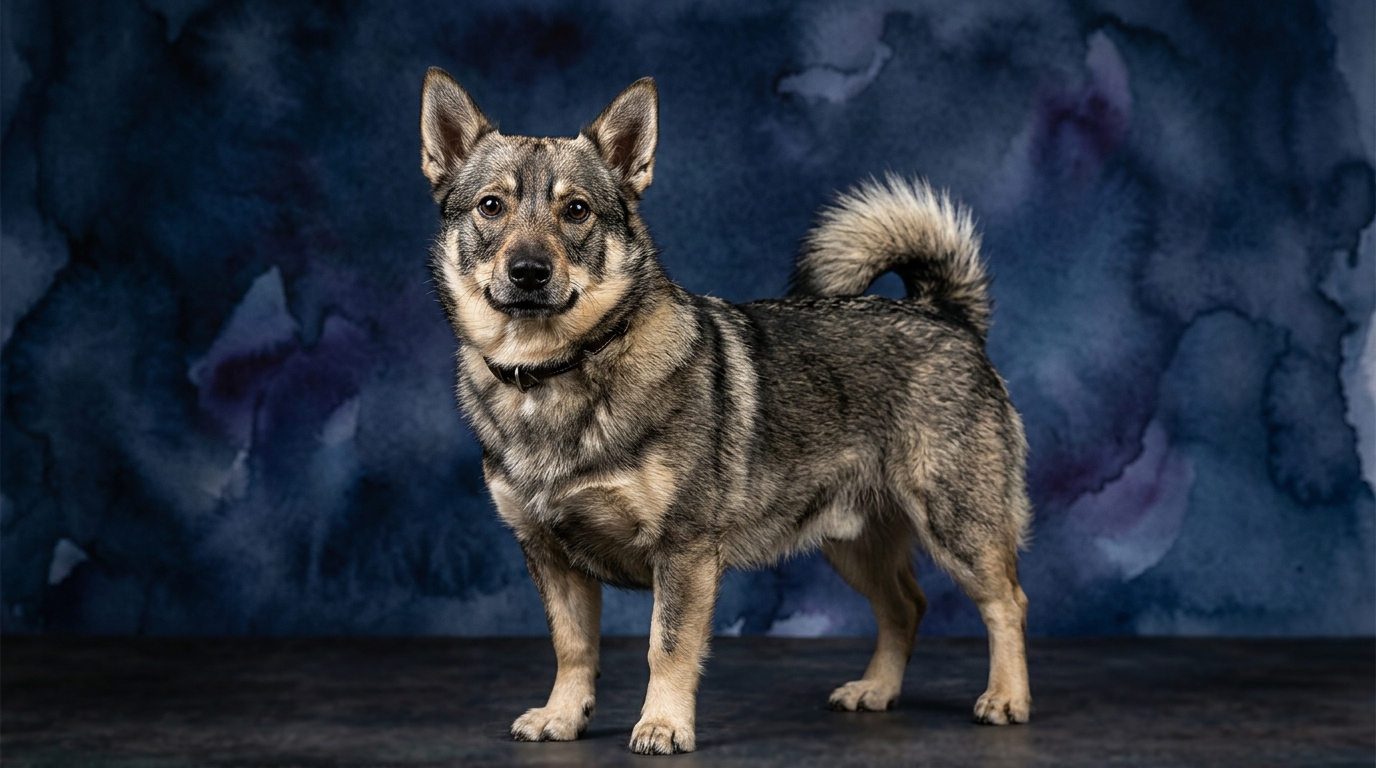
In contrast, the Swedish Vallhund, a resilient herding dog, also scores 3/5 for Problem Solving, but approaches challenges with quicker decisiveness. Their Training Speed of 3/5 reflects a faster uptake of commands, essential for dynamic herding work. Social Intelligence stands at 3/5, offering a good understanding of interaction, though less profound than the Saint Bernard. An Instinctive Drive of 3/5 signifies a balanced motivation for herding and companionship, and their Memory, like the Saint Bernard, is 3/5.
Both breeds share identical Problem Solving and Memory scores of 3/5, indicating similar general cognitive function and retention. However, their specialized intellects diverge significantly in other areas. The Saint Bernard's superior Social Intelligence and unparalleled Instinctive Drive underscore its compassionate, purposeful nature. The Swedish Vallhund distinguishes itself with a higher Training Speed, a testament to its need for rapid learning and responsiveness in dynamic, work-oriented environments. These differences highlight specialized cognitive adaptations, not a general superiority.
Saint Bernard's Cognitive Strengths: Empathy and Purpose
The Saint Bernard distinctly surpasses the Swedish Vallhund in Social Intelligence (4/5 versus 3/5). This isn't just about recognizing commands; it's a profound capacity for emotional attunement, allowing them to read subtle human cues and sense distress. This exceptional empathetic connection, honed by their rescue history, makes them remarkably gentle companions and highly effective in roles requiring emotional support, fostering deep, intuitive bonds with their human counterparts.
Furthermore, the Saint Bernard's towering Instinctive Drive of 5/5 highlights a powerful, ingrained motivation for their ancestral tasks of rescue, tracking, and protective guardianship. This deep-seated purpose means they are tirelessly dedicated to their perceived duties, whether watching over children or enduring harsh conditions. This formidable drive, combined with their social intelligence, forms the bedrock of their legendary reliability and devotion, making them unwavering in their commitment once a purpose is identified and understood.
Swedish Vallhund's Cognitive Edge: Agility and Responsiveness
The Swedish Vallhund's cognitive profile showcases its superior Training Speed (3/5 versus 2/5) as a primary advantage. This higher score reflects an inherent biddability and eagerness to learn, characteristic of herding breeds. Vallhunds are often more receptive to new commands and complex action sequences, processing information more rapidly. Their historical task of managing livestock, requiring quick decisions and immediate responses, has honed this cognitive agility, allowing for faster acquisition of skills in structured training and dog sports.
Beyond just speed of learning, the Vallhund's overall cognitive makeup fosters remarkable adaptability and mental quickness. While their Problem Solving score is the same, their approach to challenges is often more dynamic. They excel at navigating complex environments like obstacle courses, where rapid assessment and swift, coordinated action are crucial. This cognitive nimbleness, coupled with physical agility, allows them to thrive in activities demanding both mental and physical synchronization, making them excellent partners for active pursuits where they can utilize their intellect to solve practical, dynamic problems.
Training Trajectories: Vallhund's Pace vs. Saint Bernard's Patience
The Swedish Vallhund generally presents a more straightforward training experience due to its superior Training Speed (3/5). Their herding background instills a natural inclination to work collaboratively, making them typically more responsive to commands and eager to please. This translates into faster acquisition of obedience and advanced skills. Vallhunds often enjoy the learning process, becoming bored without consistent mental engagement, which motivates active participation in training sessions where positive reinforcement yields swift results.
The Saint Bernard, with a Training Speed of 2/5, requires a more patient and consistent approach. While capable of learning (Memory 3/5), their process is deliberate. Their substantial size mandates early, consistent training for safe management. Their high Instinctive Drive (5/5) means natural inclinations can sometimes take precedence over immediate obedience. Owners must understand that while a Saint Bernard will learn, they need more repetitions and a highly motivating environment, often driven by their social intelligence and desire for companionship, to master commands effectively.
Lifestyle Match: Energy Levels and Engagement Needs
The Saint Bernard, despite its imposing size, has moderate energy requirements, making it suitable for owners who prefer a relaxed pace. They enjoy leisurely walks and significant cuddle time, thriving on companionship. While regular exercise is essential, they aren't suited for high-octane running partners. Their strong social intelligence means they are content with a slower pace, provided they are an integral part of family life. 'Relaxed' doesn't mean 'inactive'; they still need mental stimulation and structured outings, just not intense, prolonged activity.
Conversely, the Swedish Vallhund is ideal for active owners who can provide consistent physical and mental engagement. As a herding breed, they possess significant energy and a desire to work. They excel in dog sports like agility, obedience, and herding trials, where their quick training speed and problem-solving abilities shine. These dogs thrive on having a 'job' and can become bored or destructive if their needs aren't met. They require daily vigorous exercise and mental challenges, making them rewarding companions for active outdoor lifestyles.
The Verdict: Choosing Your Canine Companion
The Verdict
Choose a Saint Bernard if you seek an empathetic, devoted companion with a profound social intelligence and a calm, protective presence, and you are prepared for a deliberate training pace and the requirements of a large, gentle giant.
Opt for a Swedish Vallhund if you are an active individual or family seeking an agile, quick-witted partner eager to learn and participate in dynamic activities, and you can provide consistent mental and physical challenges.
🧠 Find Your Pet's IQ Score
Our Pet IQ Lab assessment covers 25+ tests across 5 cognitive dimensions — personalized to your breed.
Take the Full IQ Test →Frequently Asked Questions
Do Saint Bernards make good family dogs?
Yes, Saint Bernards are renowned for their gentle and patient temperament, especially with children, making them excellent family dogs. Their high social intelligence means they form strong bonds and are very tolerant, though their large size always necessitates supervision with very young children.
Are Swedish Vallhunds good for first-time dog owners?
Swedish Vallhunds can be suitable for first-time owners who are committed to consistent training and providing ample mental and physical stimulation. Their intelligence and training speed are advantages, but their herding instincts and energy levels require an owner who understands the needs of a working breed.
What kind of mental stimulation do these breeds need?
Saint Bernards benefit from puzzle toys, scent work, and roles that utilize their social intelligence, like therapy dog visits or structured companionship. Swedish Vallhunds thrive on activities like agility, obedience trials, herding games, and advanced trick training that challenge their quick minds and physical prowess.