Side-by-Side IQ Profile: Understanding the Nuances of a 3/5 Score
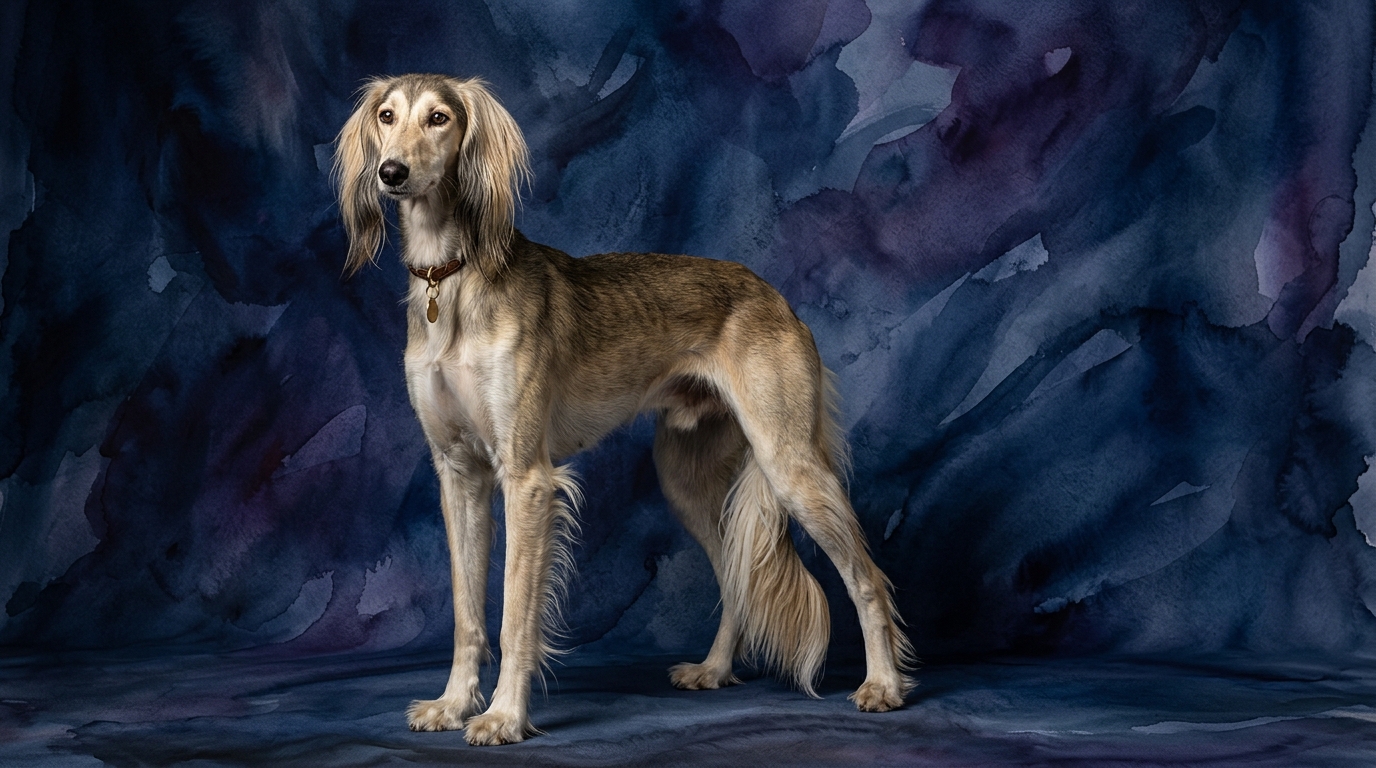
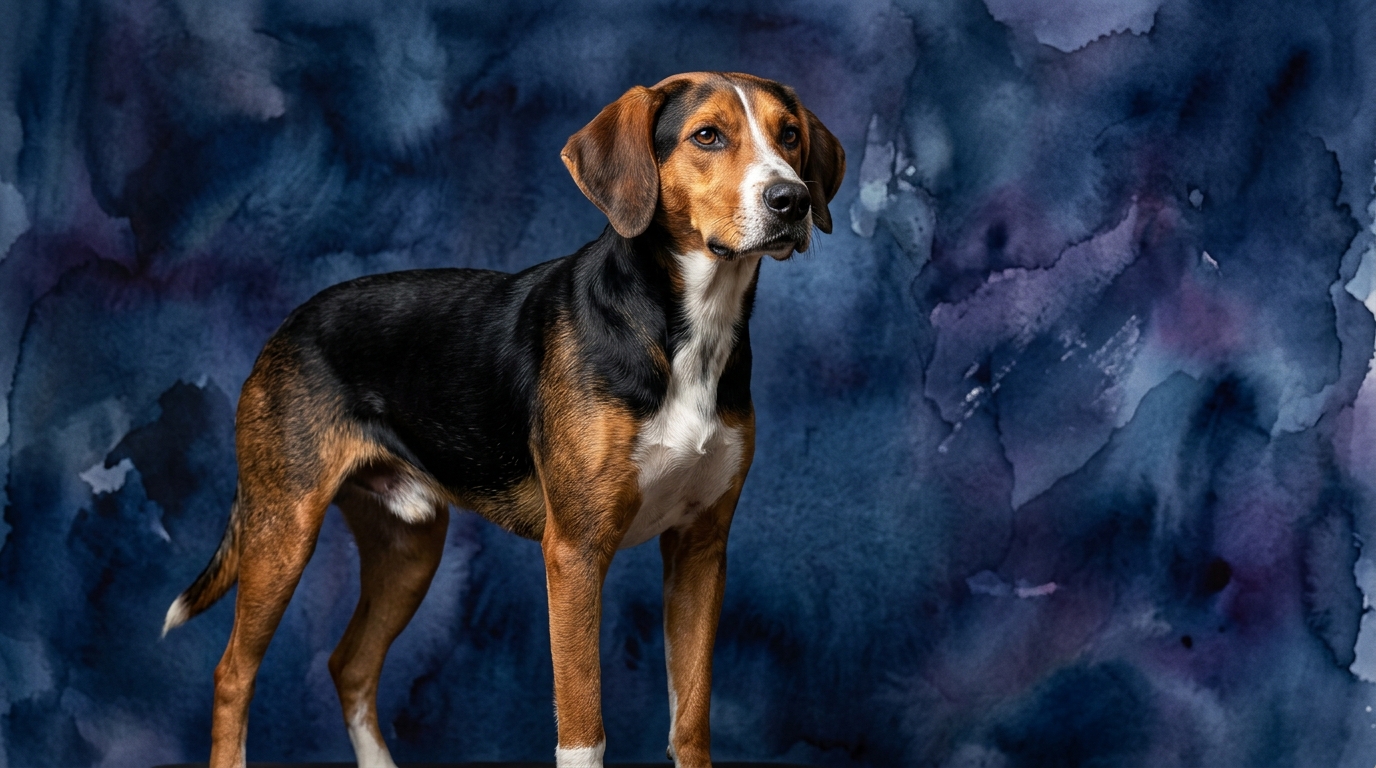
Despite sharing identical 3/5 scores across the board, the Saluki and American Foxhound demonstrate these cognitive traits in profoundly different ways, reflecting their ancient origins and specific working roles. For problem-solving (3/5), a Saluki often excels at independent, quick-thinking decisions required during a high-speed chase, assessing terrain and anticipating prey movements without direct human command. Their problem-solving is immediate and survival-oriented, focusing on visually driven solutions. An American Foxhound's problem-solving (3/5), conversely, is geared towards sustained, methodical tracking; they methodically unravel complex scent puzzles, often collaborating with a pack, demonstrating persistence and focus over extended periods to locate quarry.
Training speed (3/5) for a Saluki implies they grasp new commands relatively quickly, but their independent nature often means they choose when and if to comply, making consistency a greater challenge than comprehension. They are not inherently eager to please in the same way some breeds are, often requiring motivation tailored to their sighthound instincts. The American Foxhound's training speed (3/5) can be influenced by their strong instinctive drive; while capable of learning, their attention is frequently pulled by compelling scents, making focus a primary hurdle. However, their pack mentality can make them responsive to leadership and consistent routines once their drive is channeled appropriately.
Social intelligence (3/5) in a Saluki typically manifests as a discerning and often reserved demeanor. They form deep bonds with their immediate family but can be aloof or indifferent towards strangers, not necessarily seeking broad social interaction beyond their trusted circle. This isn't a lack of understanding, but rather a selective engagement. The American Foxhound, with its history as a pack hunter, generally exhibits a more gregarious social intelligence (3/5). They thrive on companionship, whether canine or human, understanding and responding to social cues within a group dynamic, and are typically more outgoing and amiable with a wider range of individuals.
Instinctive drive (3/5) for the Saluki is almost entirely visual; their powerful prey drive is triggered by movement, leading to an irresistible urge to chase anything that flees. This drive is intensely focused and difficult to override once engaged. The American Foxhound's instinctive drive (3/5) is dominated by scent. Their noses are incredibly powerful tools, compelling them to follow a trail relentlessly, often to the exclusion of all else. This drive is persistent and enduring, designed for long-distance pursuit.
Finally, memory (3/5) for a Saluki is excellent for spatial awareness, remembering optimal chase routes, familiar territories, and the location of favored lounging spots. They recall specific interactions with people and other animals, contributing to their discerning social behavior. An American Foxhound's memory (3/5) is exceptional for retaining scent profiles and complex tracking patterns, remembering specific hunting grounds, and recalling the nuances of a trail over time. They also remember routines and the roles of pack members, vital for cooperative hunting.
Where Saluki Wins Cognitively
The Saluki's cognitive strengths primarily lie in their capacity for independent decision-making and rapid response in dynamic, visually driven scenarios. Their problem-solving, while rated similarly, shines brighter when quick, autonomous judgments are required, such as navigating complex terrain at high speeds to outmaneuver a visual target. This ability to assess and react without human intervention, relying purely on their keen sight and inherent agility, gives them an edge in self-directed tasks. Their memory for spatial layouts and visual cues also supports this agility, allowing them to optimize their movements efficiently.
Furthermore, their particular brand of social intelligence, while reserved, allows for a nuanced understanding of their immediate human companions. They are adept at reading subtle cues from their trusted family members, often forming a deep, almost telepathic bond that doesn't rely on overt displays of affection but rather a quiet, mutual respect. This discerning social capacity means they are less prone to being swayed by external influences, maintaining a focused loyalty to their inner circle.
Where American Foxhound Wins Cognitively
The American Foxhound's cognitive advantages are rooted in their exceptional olfactory abilities and their predisposition towards cooperative work. Their problem-solving, though rated 3/5, is superior in tasks requiring sustained focus on an abstract sensory input like scent, unraveling intricate trails over vast distances. This methodical persistence, combined with a memory for scent profiles and terrain, makes them unmatched in tracking and endurance-based cognitive challenges. They demonstrate a remarkable ability to process and prioritize olfactory information, filtering out distractions to follow a specific target.
Their social intelligence also presents a distinct advantage in group settings. American Foxhounds are inherently wired for pack dynamics, making them highly attuned to the actions and intentions of other dogs and their human handlers within a cooperative framework. This facilitates seamless teamwork and a greater willingness to integrate into structured group activities. Their instinctive drive, specifically for scent, is an enduring force that, when properly channeled, allows them to maintain focus and motivation on a task for hours, a cognitive endurance that few breeds can match.
Which is Easier to Train and Why
Determining which breed is 'easier' to train is less about raw capacity and more about aligning with their inherent behavioral predispositions. The American Foxhound, despite its powerful scent drive that can make off-leash work challenging in distracting environments, often proves more amenable to traditional obedience training within a structured setting. Their pack mentality means they generally look to a leader for guidance and thrive on routine and consistency, making them more receptive to commands that reinforce their place within the 'pack.' They respond well to positive reinforcement and clear expectations, though their focus can be momentarily lost to a compelling scent.
The Saluki, by contrast, can be more challenging for conventional obedience due to their profound independence and discerning nature. While they possess a 3/5 training speed, meaning they comprehend commands, their willingness to execute them is often conditional. They are not naturally inclined to be 'people-pleasers' in the way many breeds are, and their sighthound instincts mean that a visual stimulus can instantly override any learned command. Training a Saluki requires immense patience, creativity, and a deep understanding of their motivations, often relying on building a strong, respectful partnership rather than strict command-and-control methods. Their training requires making the desired action more rewarding than their independent impulses.
Which Suits Active Owners vs. Relaxed Owners
For active owners, both breeds require significant physical outlets, but the *nature* of that activity differs, reflecting their cognitive profiles. An active owner who enjoys bursts of speed, lure coursing, or secure, large fenced areas for independent running might find a Saluki a suitable companion. Their need for intense, short-duration exercise aligns with owners who can provide opportunities for them to stretch their legs and satisfy their chase drive, followed by periods of calm relaxation indoors. Salukis are not typically suited for very relaxed owners who cannot provide these vital outlets, as their pent-up energy can lead to destructive behaviors.
The American Foxhound is ideal for active owners who relish long, sustained outdoor adventures like hiking, jogging, or participating in scent work and field trials. Their endurance and relentless drive to follow a trail mean they thrive on activities that engage both their bodies and their exceptional noses over extended periods. A relaxed owner would struggle immensely with an American Foxhound, as their need for consistent, vigorous exercise and mental stimulation from scent work is paramount to their well-being. Without sufficient engagement, Foxhounds can become restless, vocal, and destructive, channeling their powerful instinctive drive into undesirable behaviors.
The Verdict
Choose a Saluki if you appreciate an independent companion, can provide secure spaces for intense, short bursts of speed, and enjoy a quiet, discerning loyalty.
Opt for an American Foxhound if you seek an enduring outdoor partner for long adventures, enjoy engaging with their scent-driven instincts, and desire a more gregarious, pack-oriented dog.
🧠 Find Your Pet's IQ Score
Our Pet IQ Lab assessment covers 25+ tests across 5 cognitive dimensions — personalized to your breed.
Take the Full IQ Test →Frequently Asked Questions
Are Salukis good with children?
Salukis can be good with older, respectful children who understand their often reserved nature and appreciate their need for quiet space. Their social intelligence means they bond deeply with their family but may not tolerate rough play, making them less ideal for very young or boisterous kids.
Do American Foxhounds bark a lot?
Yes, American Foxhounds are known for their characteristic baying, which is a loud, melodic bark used during hunting to alert the pack. While not constant, they will vocalize when excited, lonely, or when they pick up an interesting scent, which can be a consideration for close living quarters.
Can Salukis and American Foxhounds live together?
While both are hounds, their energy levels and play styles differ significantly. A Saluki might find a Foxhound's boisterous play overwhelming, and a Foxhound might find a Saluki's aloofness confusing. Successful cohabitation would depend heavily on individual personalities, careful introductions, and consistent management of their distinct needs and drives.