Side-by-Side IQ Profile
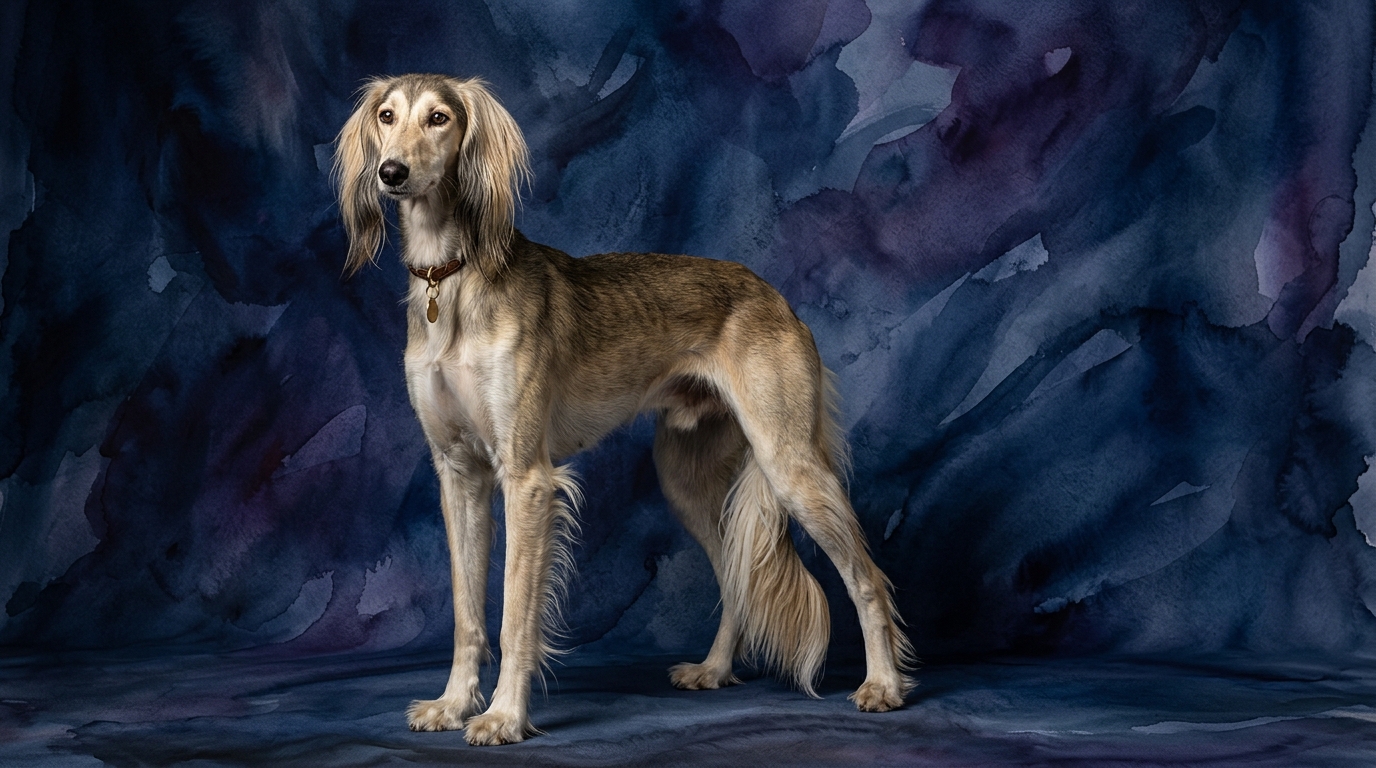
**Saluki:**
**Problem Solving (3/5):** Their sighthound heritage fostered independent decision-making. Salukis excel at navigating complex environments to pursue visual targets, swiftly assessing paths and obstacles. This translates to a resourceful dog, capable of creatively solving issues like finding a comfy spot or bypassing a gate.
**Training Speed (3/5):** Salukis grasp concepts quickly but often evaluate command value. Their independent nature means compliance isn't guaranteed; they learn rapidly when motivated by high-value rewards, but might disengage from repetitive or seemingly pointless tasks, requiring engaging and varied training.
**Social Intelligence (3/5):** Reserved yet deeply bonded with family, Salukis possess a quiet understanding of human moods. They are typically aloof with strangers, preferring observation over interaction. Their social cues are subtle, demanding an owner attuned to their nuanced communication style.
**Instinctive Drive (3/5):** A powerful prey drive defines them, fueled by sight and an urge to chase. This manifests as a strong desire to run. Beyond hunting, they are driven by comfort-seeking (soft beds) and a curious exploration of their surroundings.
**Memory (3/5):** Salukis exhibit excellent spatial memory for routes and familiar layouts. They retain routines and recognize individuals well. However, their memory for commands can seem selective, often overridden by a compelling chase or lack of perceived immediate benefit.
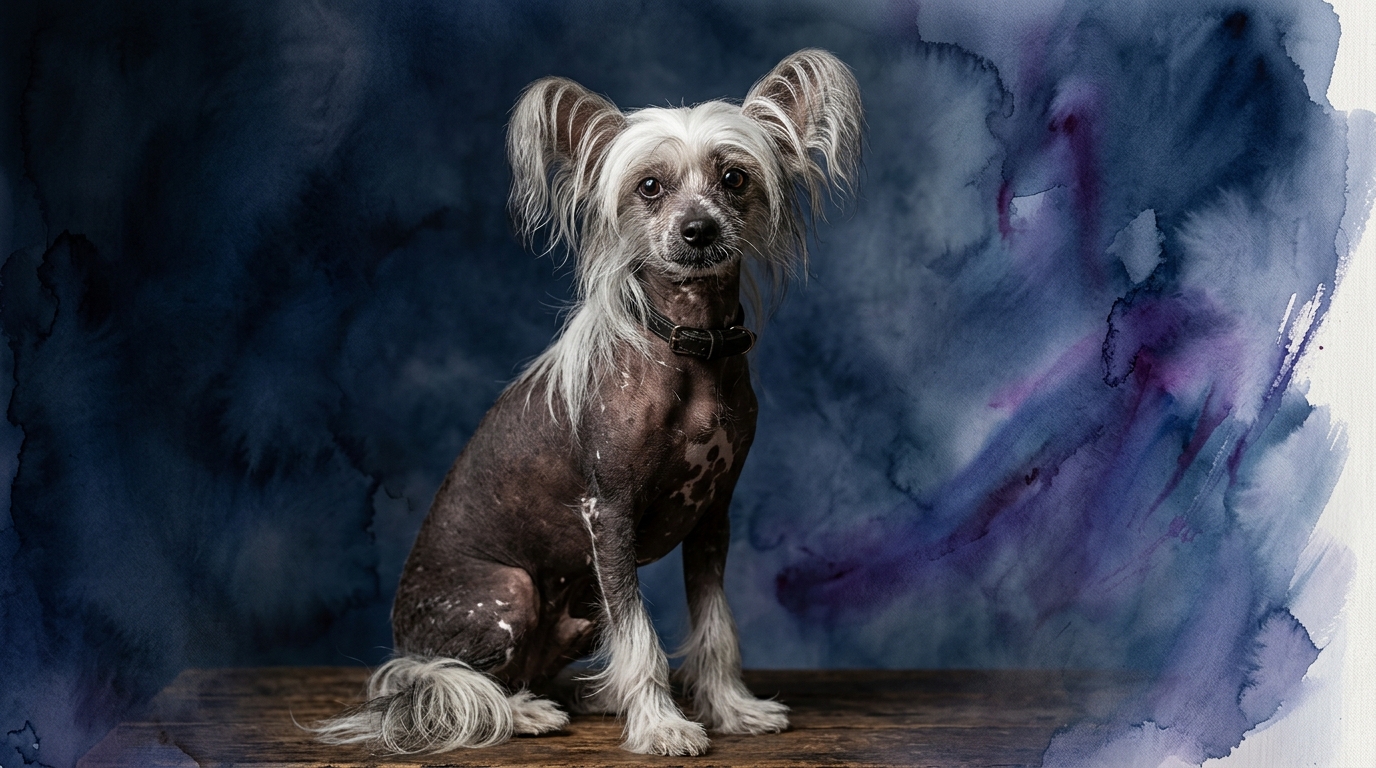
**Chinese Crested:**
**Problem Solving (3/5):** As devoted companions, Cresteds excel at domestic problem-solving. They cleverly figure out how to gain attention, manipulate toys for play, or locate the warmest, coziest napping spots. Some display ingenuity in avoiding undesirable situations or navigating household challenges.
**Training Speed (3/5):** Eager to please their primary human, Chinese Cresteds learn new commands and tricks surprisingly fast with positive reinforcement. Their focus on their owner makes them receptive students. However, their sensitivity means harsh methods can cause timidity or hinder learning.
**Social Intelligence (3/5):** Intensively social with their chosen people, Cresteds are highly attuned to human emotions and body language. They often mirror moods or offer comfort. While sometimes wary of strangers, they generally seek to understand social dynamics within their close environment.
**Instinctive Drive (3/5):** Their paramount drive is companionship and warmth, actively seeking closeness with humans and cozy spots. They also possess a playful, sometimes mischievous, drive. While not sighthounds, some can exhibit a surprising chase drive for small toys or insects.
**Memory (3/5):** Cresteds have good memory for routines, specific individuals, and past experiences. They recall treat locations, favorite play patterns, and who provides the best cuddles. This strong associative memory helps them adapt quickly to household rules and schedules.
Where Saluki Wins Cognitively
The Saluki's cognitive strengths truly shine in scenarios demanding independent, real-time decision-making within expansive, dynamic environments. Their unparalleled ability to process visual stimuli at high speeds and formulate a pursuit strategy on the fly is a testament to their ancient hunting heritage. When off-leash in a secure area, a Saluki demonstrates an impressive capacity to assess terrain, predict prey movement, and adapt its course with an almost intuitive grace, a level of autonomous problem-solving rarely seen in breeds developed primarily for companionship. This isn't about following commands; it's about initiating and executing complex actions based on immediate sensory input.
Where Chinese Crested Wins Cognitively
Conversely, the Chinese Crested excels in the nuanced realm of social cognition and domestic resourcefulness. Their cognitive edge lies in their profound ability to interpret subtle human emotional cues and adapt their behavior to maintain close companionship. They might instinctively know when their owner needs comfort, or how to subtly solicit attention without being overly demanding. Within a household, they display remarkable ingenuity in navigating their surroundings to achieve comfort or play, such as strategically placing themselves in a sunbeam or figuring out how to retrieve a dropped toy from an awkward spot. Their social intelligence fosters a deep, almost empathetic connection.
Which is Easier to Train and Why
When comparing ease of training, the Chinese Crested generally presents as the more straightforward choice for the average owner, primarily due to their strong desire to please their primary human. They are highly motivated by praise, treats, and the reward of close companionship, making them receptive to learning tricks, house manners, and basic obedience commands. Their sensitive nature means they respond best to gentle, positive reinforcement methods, and consistency often yields quick results. However, their small size and potential for timidity mean that proper socialization from a young age is crucial to prevent fear-based reactions that can impede learning. The Saluki, on the other hand, demands a nuanced and respectful approach. Their independent sighthound nature means they don't possess the same inherent drive to 'please' as many other breeds. While quick to grasp concepts, they often choose to comply only if they perceive value in the command or if the reward is exceptionally high. Training a Saluki requires engaging their intellect, keeping sessions short and interesting, and understanding that their powerful prey drive can override any learned command. An owner must build a relationship based on mutual respect, acknowledging their ancient autonomy rather than expecting constant obedience.
Which Suits Active Owners vs. Relaxed Owners
For the truly active owner, the Saluki is an ideal match. These ancient hounds possess incredible speed and endurance, requiring significant outlets for their physical and mental energy. They thrive on long, secure off-leash runs where they can stretch their legs and engage their keen senses. Owners must be prepared to provide ample opportunities for their Saluki to 'hunt' (even if it's chasing a lure) and manage their strong prey drive. While dignified indoors, a Saluki without proper exercise can become restless. They are companions for those who embrace outdoor adventures and appreciate a dog that needs a purpose beyond mere companionship. Conversely, the Chinese Crested is perfectly suited for more relaxed owners who desire a devoted, often sedentary, companion. While they enjoy playtime and short walks, their exercise needs are moderate, making them excellent apartment dwellers. Their primary need is close human interaction and warmth, often preferring to snuggle on a lap or burrow under blankets. Owners who appreciate a dog that thrives on constant companionship, is sensitive to their moods, and is content with a more indoor-focused existence will find the Chinese Crested a perfect fit. Their delicate nature and sensitivity to cold weather also naturally limit extensive outdoor excursions.
The Verdict
Choose a Saluki if you are an active individual or family who appreciates an independent, dignified canine partner with an ancient spirit, and you are prepared to provide extensive secure running opportunities and engage with a dog whose compliance is earned through respect rather than innate eagerness to please.
Opt for a Chinese Crested if you seek a devoted, affectionate companion who thrives on constant human interaction, is content with a more relaxed, indoor lifestyle, and you are ready to provide ample warmth and gentle, consistent companionship.
🧠 Find Your Pet's IQ Score
Our Pet IQ Lab assessment covers 25+ tests across 5 cognitive dimensions — personalized to your breed.
Take the Full IQ Test →Frequently Asked Questions
Are Salukis good with children?
Salukis can be good with older, respectful children who understand their independent and sometimes reserved nature. They are generally tolerant but prefer a calm environment and may not enjoy rough play, making them less suitable for very young, boisterous kids.
Do Chinese Crested dogs bark a lot?
Chinese Crested dogs are not typically excessive barkers, but they can be vocal, especially if left alone for long periods or if they feel threatened. Consistent training and addressing any underlying anxiety can help manage their vocalizations.
What are the main differences in grooming for these two breeds?
Salukis require moderate grooming, focusing on their silky coat to prevent mats, especially feathering. Chinese Cresteds come in two varieties: Hairless, needing skin care (sunscreen, moisturizing), and Powderpuff, requiring regular brushing to prevent tangles in their soft double coat.