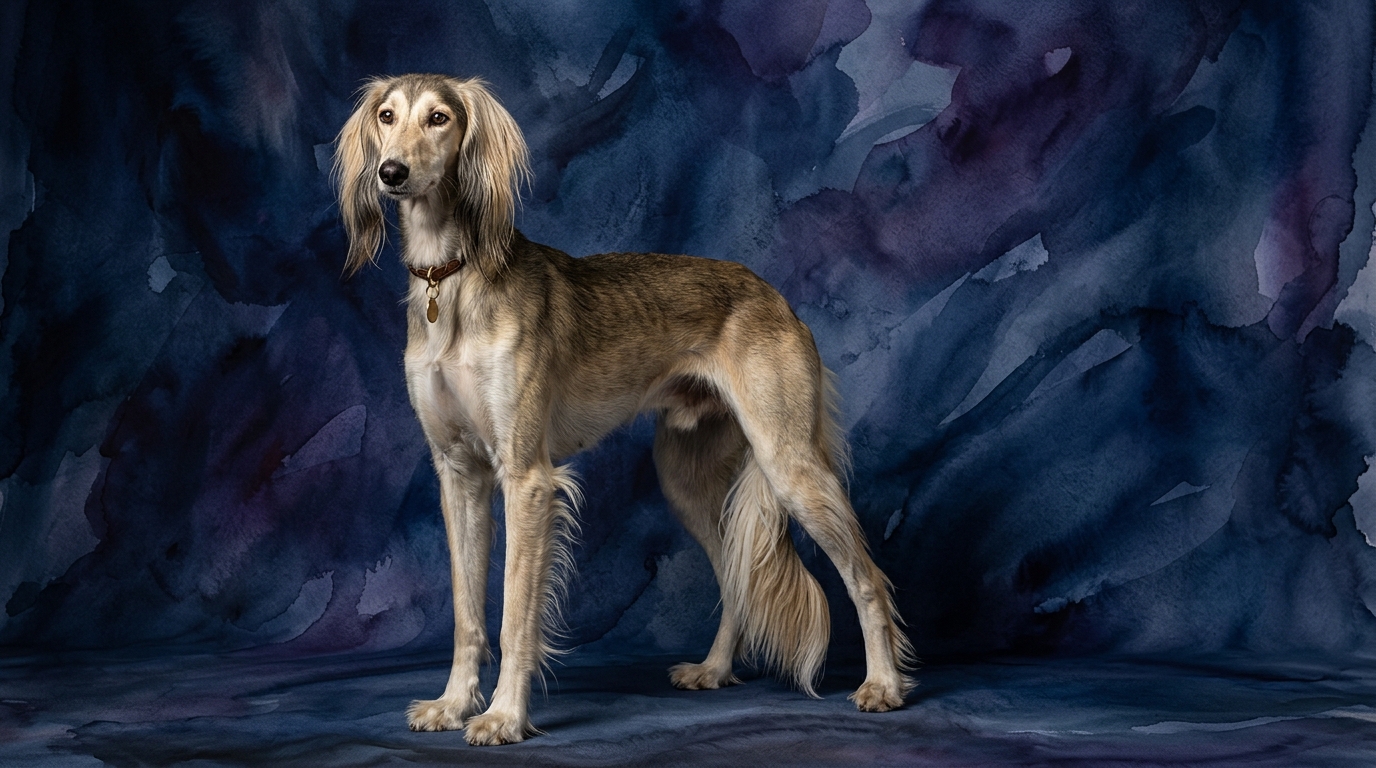
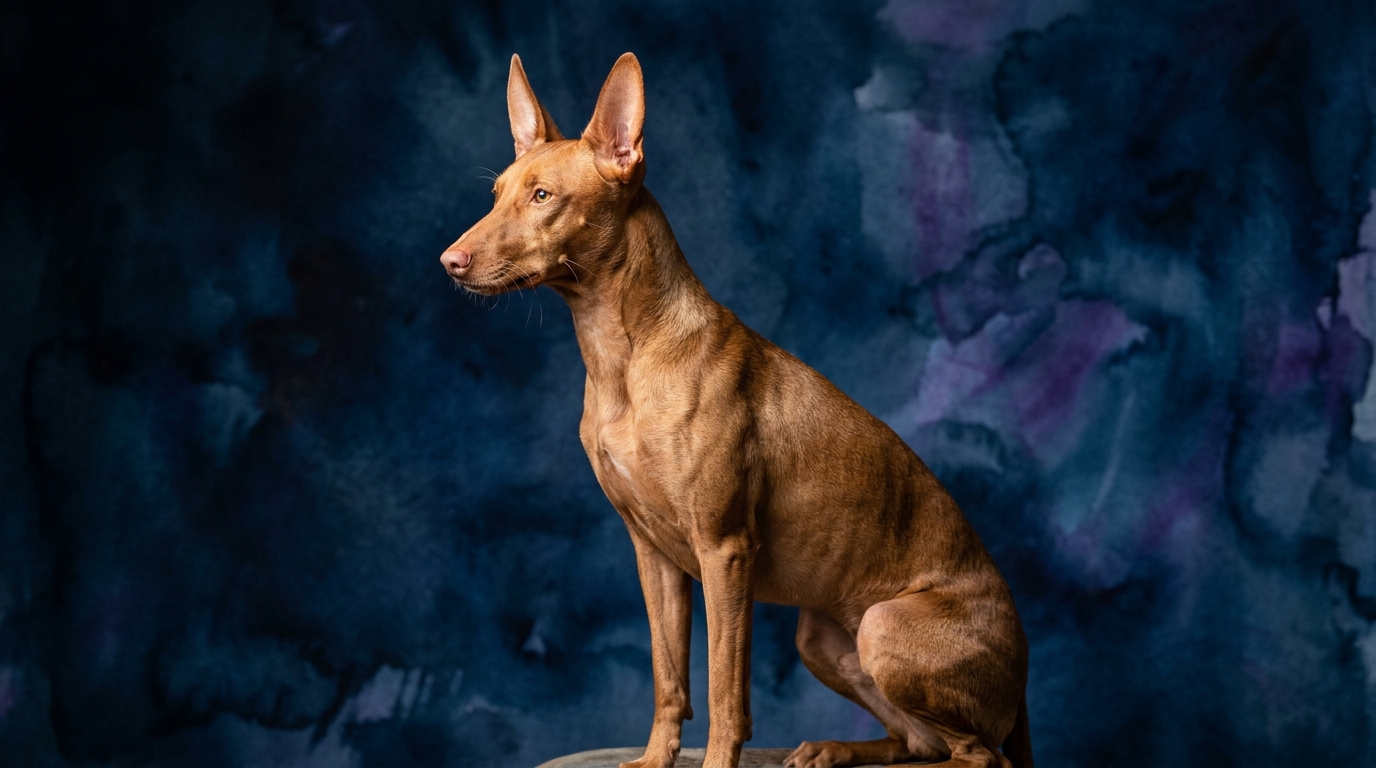
Side-by-Side Cognitive Profiles
At first glance, the cognitive profiles of the Saluki and Pharaoh Hound appear remarkably similar, with both breeds scoring a consistent 3 out of 5 across all five dimensions: problem-solving, training speed, social intelligence, instinctive drive, and memory. However, these identical scores belie a rich tapestry of nuanced cognitive expression, reflecting their unique evolutionary paths and specific sighthound temperaments. Understanding what a '3/5' truly signifies for each breed requires looking beyond the number to their inherent nature and how these traits manifest.
For the Saluki, a '3/5' in problem-solving often translates to an independent, efficient approach to tasks, particularly those related to their comfort or immediate desires, like finding the sunniest spot or the softest cushion. Their training speed, also a 3/5, indicates they are capable learners but require specific, high-value motivation and consistent, patient guidance, often resisting repetitive drills in favor of more practical applications. Social intelligence at 3/5 suggests a selective and observant nature; they form deep bonds but may not overtly seek constant interaction, preferring quiet companionship. Their instinctive drive (3/5) is powerfully geared towards chase and endurance, a testament to their desert coursing heritage, while their memory (3/5) is strong for routines, locations, and experiences, particularly those tied to their comfort and hunting instincts.
The Pharaoh Hound, too, scores 3/5 across the board, yet their cognitive landscape differs. Their problem-solving (3/5) often involves a more curious and exploratory approach, using their senses to investigate and adapt to new situations rather than strictly adhering to a pre-set plan. A 3/5 in training speed for the Pharaoh Hound speaks to their sensitivity and responsiveness to positive reinforcement; they learn quickly when engaged and motivated, but can become easily discouraged by harsh methods. Their social intelligence (3/5) is characterized by a more expressive and engaging demeanor, often displaying their affection and awareness of human emotions more outwardly. Instinctive drive (3/5) in a Pharaoh Hound focuses on the thrill of the chase, combined with agility and a keen sense of observation, while their memory (3/5) is robust for social interactions, routines, and the consequences of their actions, making them adept at learning from experience.
Where the Saluki Excels Cognitively
Despite identical numerical scores, the Saluki often demonstrates a particular cognitive advantage in areas demanding focused independence and sustained, self-directed effort. Their problem-solving (3/5) is uniquely tailored to efficiency and energy conservation, a trait honed by centuries of traversing vast desert landscapes. A Saluki might 'win' in scenarios requiring a dog to independently assess a situation and find the most direct, least strenuous path to a desired outcome, such as navigating a complex backyard to a favorite resting spot or silently strategizing the best vantage point for observing their surroundings. This isn't about solving human-devised puzzles, but about practical, self-serving ingenuity. Their memory (3/5) is particularly strong for spatial layouts and resource locations, remembering precisely where a comfortable bed is or the quickest route to their preferred lounging area, even after a long absence, reflecting a practical, rather than purely academic, recall.
Where the Pharaoh Hound Excels Cognitively
The Pharaoh Hound, with its equally strong 3/5 ratings, distinguishes itself in cognitive tasks that benefit from a more interactive and adaptable mental approach. Their problem-solving (3/5) often manifests as a keen curiosity and a willingness to engage with their environment to figure things out, whether it's manipulating a gate latch or creatively seeking attention. This isn't just about efficiency; it's about active exploration and playful experimentation. Their social intelligence (3/5) shines through their expressive nature and ability to 'read' human moods, often adjusting their behavior in response to subtle cues, which can make them seem more attuned to their owners' emotional states. This sensitivity allows them to excel in situations where understanding and responding to social dynamics are key, making them particularly adept at navigating complex household interactions and forming close, communicative bonds with their human family. Their memory (3/5) often has a strong social component, remembering positive and negative interactions with people and other animals with striking clarity.
Training Dynamics: Saluki vs. Pharaoh Hound
When it comes to ease of training, both Salukis and Pharaoh Hounds score a 3/5 for training speed, indicating they are capable learners but present distinct challenges rooted in their breed-specific behaviors. The Saluki's training journey is often characterized by their deep-seated independence and a history of working autonomously. They are not inherently driven to please, meaning motivation must be high-value and consistent. Training a Saluki often requires immense patience, clear communication, and an understanding that they will weigh the reward against the effort. They learn best with positive reinforcement and short, engaging sessions, but their problem-solving often extends to 'solving' how to avoid a command they deem unnecessary, rather than simply complying. Their aloofness can sometimes be mistaken for stubbornness, but it's more accurately described as a strong sense of self-preservation and a preference for making their own decisions.
The Pharaoh Hound, while equally capable with a 3/5 training speed, presents a different set of considerations. They are generally more sensitive and responsive to human interaction, often eager to engage in training when it's framed positively. Their social intelligence (3/5) means they are highly attuned to their handler's tone and body language, thriving on praise and gentle guidance. However, this sensitivity also means they can be easily overwhelmed or shut down by harsh corrections or inconsistent methods. Distractions can also be a significant challenge, as their curious nature and keen instinctive drive (3/5) can quickly divert their focus. While they may appear to learn faster initially due to their engagement, maintaining consistency and focus requires a nuanced approach that leverages their desire for connection without overstimulating their senses. In essence, the Pharaoh Hound's 'easier' perception stems from their more outwardly communicative and eager-to-please nature, but both require experienced, patient handlers.
Matching Canine Cognition to Owner Lifestyle
The subtle cognitive differences between the Saluki and Pharaoh Hound significantly influence which breed might be a better fit for active versus relaxed owners, despite their shared sighthound heritage. The Saluki, with its deep-rooted independence and selective social intelligence, often suits owners who appreciate a companion capable of intense, focused bursts of activity followed by long periods of quiet, dignified repose. Their instinctive drive (3/5) for coursing means they require ample space for safe, off-leash running, but they are not typically 'ball-crazy' or demanding of constant interactive play. A Saluki's problem-solving often extends to finding the most comfortable spot for relaxation, making them ideal for owners who enjoy structured outdoor exercise and then value a calm, elegant presence indoors, respecting their dog's need for personal space and quiet contemplation.
Conversely, the Pharaoh Hound's more expressive social intelligence and curious problem-solving tendencies make them a compelling choice for owners seeking a more interactive and versatile partner. While equally needing opportunities to run, their activity often extends beyond simple coursing to include agility, lure coursing, or even engaging in mentally stimulating games. Their sensitivity and strong memory for social interactions (both 3/5) mean they thrive on varied activities that involve their human companions, enjoying exploration and playful engagement. Pharaoh Hounds are better suited for active owners who want a dog that is not only physically capable but also enjoys a wide range of shared experiences, from hiking to puzzle toys, and will actively seek out interaction and companionship throughout the day. They bring a more effervescent energy to the home, making them a vibrant fit for owners who enjoy a dynamic, playful companion.
The Verdict
Choose the Saluki if you appreciate an independent, elegant companion who excels in bursts of speed and quiet companionship, requiring consistent, patient guidance.
Opt for the Pharaoh Hound if you seek an engaging, sensitive, and playful sighthound who thrives on varied activity and positive, interactive training.
🧠 Find Your Pet's IQ Score
Our Pet IQ Lab assessment covers 25+ tests across 5 cognitive dimensions — personalized to your breed.
Take the Full IQ Test →Frequently Asked Questions
Are Salukis good problem solvers?
Yes, Salukis demonstrate a practical problem-solving ability, often focused on achieving their own goals efficiently, like finding the warmest spot or navigating familiar terrain. They apply their cognitive skills to tasks they deem relevant, rather than puzzles for entertainment.
How do Pharaoh Hounds learn new commands?
Pharaoh Hounds learn new commands effectively through positive reinforcement and consistent, gentle methods, responding well to praise and treats. Their sensitivity means harsh corrections are counterproductive, and they thrive on clear, engaging instruction.
Which breed has a better memory for people?
Both breeds possess strong associative memory, but a Pharaoh Hound's generally more expressive and socially engaging nature might make their recognition of people seem more overt. A Saluki remembers people, but their acknowledgment might be more subtle and reserved.