Side-by-Side IQ Profile: Unpacking Feline Cognition
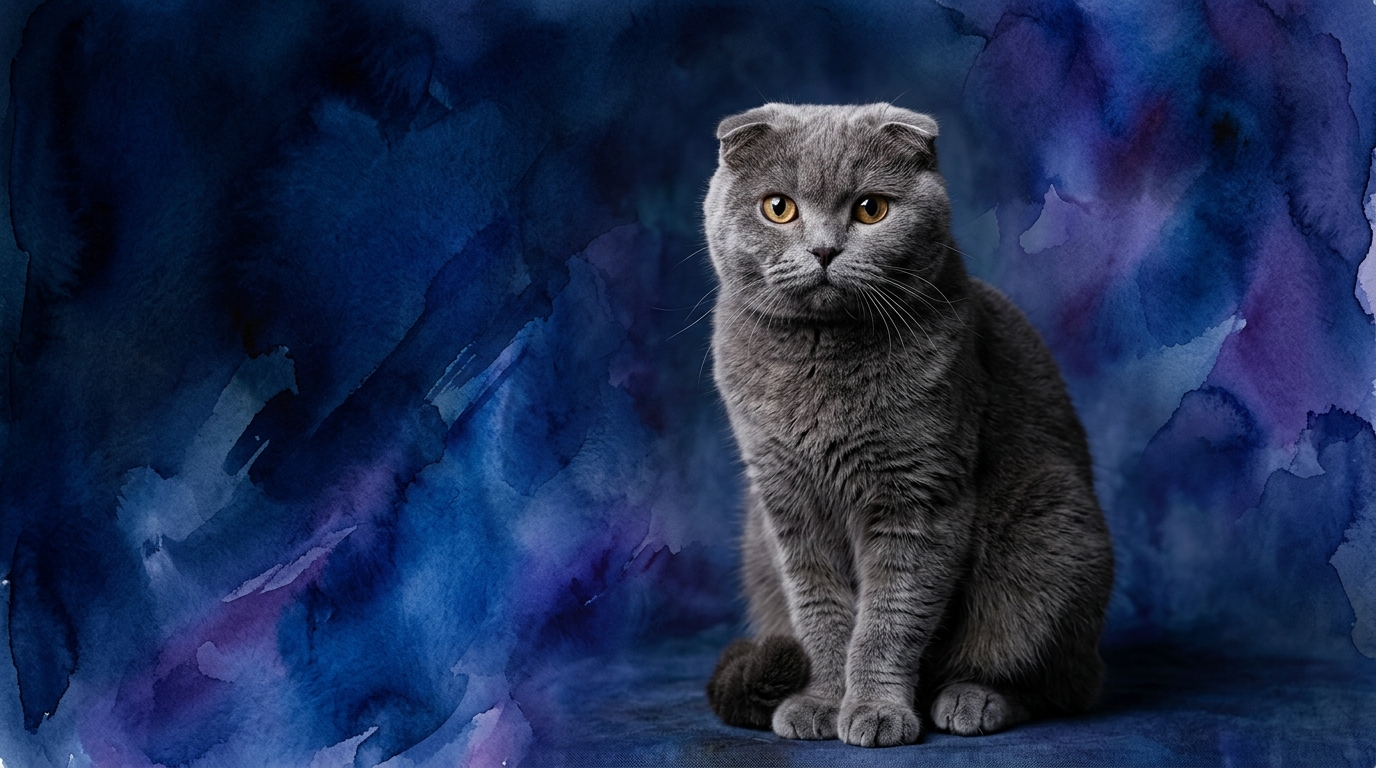
The Cosmic Pet Pet IQ Lab employs a five-dimensional framework to assess feline intelligence, offering a comprehensive view of how breeds navigate their world. For the Scottish Fold, we observe a Problem Solving score of 3/5, indicating a competent ability to figure out puzzles or manipulate objects to achieve a goal, such as opening a cupboard or finding a hidden toy. Their Training Speed also stands at 3/5, suggesting they grasp new commands and routines at an average pace, responsive to consistent positive reinforcement. Where the Scottish Fold truly distinguishes itself is in Social Intelligence, scoring an impressive 4/5; this reflects a heightened capacity to understand human cues, form strong attachments, and integrate smoothly into household dynamics, often seeking out companionship. Instinctive Drive is rated 3/5, meaning they possess a moderate level of natural hunting behaviors and curiosity, while their Memory, at 3/5, allows them to recall routines, people, and locations with typical feline accuracy.
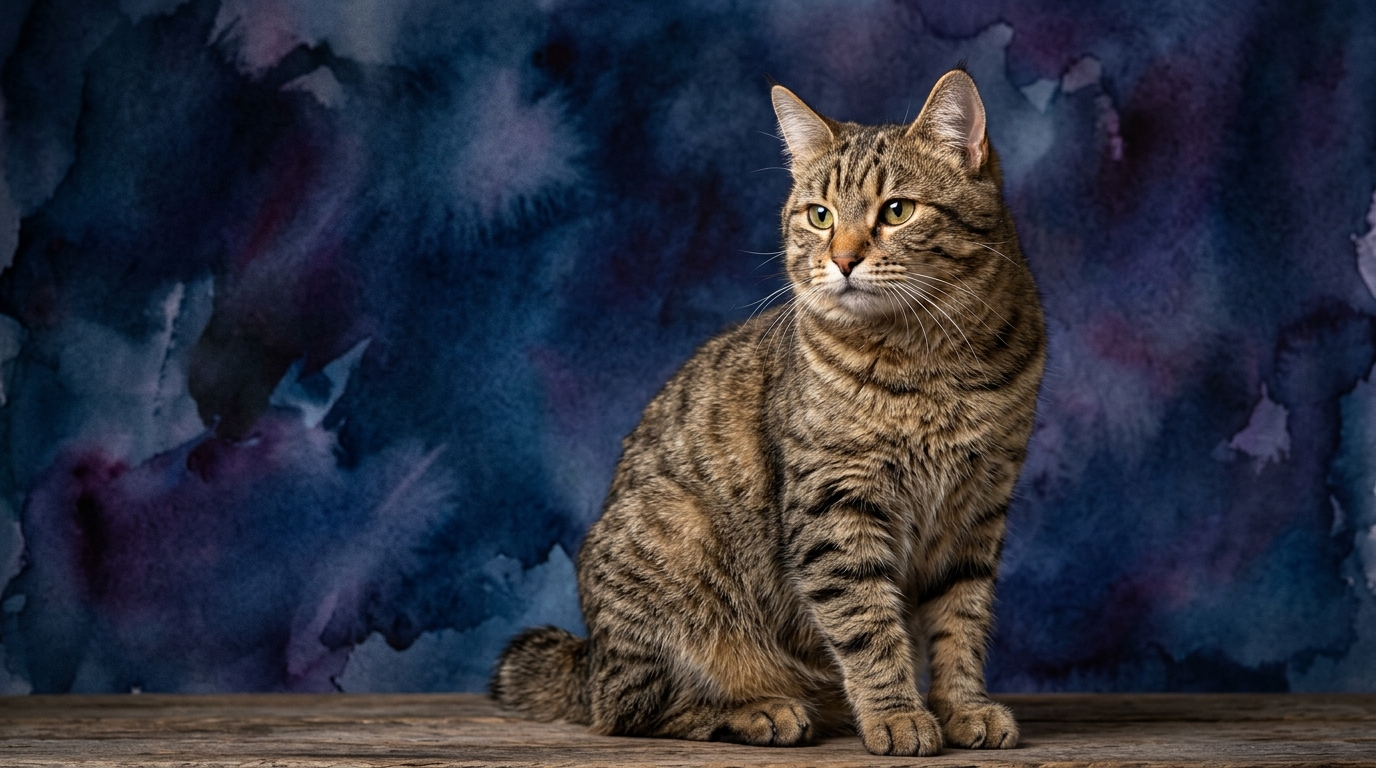
In contrast, the Pixiebob presents a remarkably consistent cognitive profile across the board. Their Problem Solving ability is rated 3/5, similar to the Scottish Fold, demonstrating an average aptitude for tackling environmental challenges and figuring things out. Training Speed is also 3/5, indicating they learn at a steady, reliable pace, capable of mastering various tasks with patience and clear instruction. Social Intelligence for the Pixiebob is 3/5, suggesting they are affectionate and bond with their families, but perhaps with a slightly more reserved or independent demeanor compared to the more overtly social Fold. Their Instinctive Drive registers 3/5, reflecting a balanced predatory instinct and curiosity, which might manifest in engaging play or exploration. Finally, their Memory is also 3/5, allowing them to remember key aspects of their environment and interactions consistently.
Where the Scottish Fold Excels Cognitively
The Scottish Fold's standout cognitive strength lies squarely in its Social Intelligence, scoring a 4/5 compared to the Pixiebob's 3/5. This isn't just about being friendly; it reflects a deeper capacity for understanding and engaging with human emotions and behaviors. A Scottish Fold is more likely to pick up on subtle changes in your mood, respond to your tone of voice, and actively seek out interactive play or quiet companionship. This heightened social acumen means they often adapt more readily to new people or changes in the household, using their observational skills to integrate themselves seamlessly into the family unit. Their ability to 'read the room' allows them to modulate their interactions, making them exceptionally attuned companions who often seem to anticipate their owners' needs for affection or play.
Where the Pixiebob Demonstrates Unique Strengths
While the Pixiebob's scores are consistently 3/5, this very consistency represents a cognitive strength in its own right: a robust and balanced intelligence without a single dominant trait. Rather than excelling in one specific area, the Pixiebob offers a uniformly competent cognitive profile across problem-solving, training, social interaction, and instinct. This balance means they are reliably capable in various situations without being overly demanding in any single dimension. Their 3/5 in instinctive drive, coupled with their consistent problem-solving, suggests a practical, grounded approach to their environment, making them adept at independent exploration and self-amusement. Owners might find their balanced nature translates to a cat that is less prone to specific behavioral quirks and more adaptable to a variety of living situations, appreciating their self-sufficiency alongside their affectionate moments.
Training: Which Cat Learns More Readily?
When it comes to training, both breeds possess a Training Speed of 3/5, indicating they are capable learners. However, their differing Social Intelligence scores can subtly influence the training experience. The Scottish Fold, with its 4/5 Social Intelligence, often approaches training with a keen interest in human interaction. They are generally more motivated by the desire to please their owner and engage in a shared activity, making positive reinforcement highly effective. Their responsiveness to human cues means they might more quickly understand what is being asked of them through body language and verbal prompts, even if their raw learning speed is average. This social drive can transform training from a task into a bonding opportunity, fostering a cooperative spirit.
The Pixiebob, with a 3/5 Social Intelligence, is equally capable of learning but might require a slightly different motivational approach. While they enjoy interaction, their training motivation might lean more towards tangible rewards like treats or specific toys, rather than purely the social reward of pleasing their human. Their consistent scores suggest a steady, methodical learning process; they won't necessarily pick up tricks instantly, but with patience and clear, repeatable commands, they will reliably master them. Owners might find the Pixiebob to be a bit more independent during training sessions, requiring a focused environment and consistent reinforcement to keep them engaged, rather than relying solely on their desire for interaction.
Matching Personalities: Active vs. Relaxed Owners
Considering their cognitive profiles, the Scottish Fold generally suits owners who desire a highly interactive and present feline companion. Their 4/5 Social Intelligence means they often thrive in environments where they receive consistent attention and are included in family activities. They are content to observe from a comfortable spot nearby or actively participate in play, making them ideal for individuals or families who appreciate a cat that frequently seeks out companionship and engagement. They are adaptable to various activity levels, as long as their need for social interaction is met, whether through quiet cuddles or engaging play sessions.
The Pixiebob, with its uniformly 3/5 scores, offers a more balanced and perhaps slightly more independent companionship, making them well-suited for owners who appreciate a competent cat that isn't overly demanding of constant attention. Their consistent scores across problem-solving, instinctive drive, and social intelligence mean they are capable of entertaining themselves and exploring their environment with a healthy degree of self-sufficiency. While affectionate, their social intelligence suggests they might be content with periodic interactions and independent play, rather than constant human engagement. This makes them an excellent choice for owners who lead busier lives but still want an intelligent, engaging pet that can also enjoy its own company without becoming bored or destructive.
The Verdict
Choose the Scottish Fold if you're seeking a highly social, demonstrably affectionate cat that thrives on deep human connection and integrates itself closely into family life.
Opt for the Pixiebob if you value a balanced, robustly competent cat that offers reliable companionship and intelligence across the board, alongside a healthy measure of self-reliance.
🧠 Find Your Pet's IQ Score
Our Pet IQ Lab assessment covers 25+ tests across 5 cognitive dimensions — personalized to your breed.
Take the Full IQ Test →Frequently Asked Questions
Do Scottish Folds understand human emotions better than Pixiebobs?
Based on their 4/5 Social Intelligence score, Scottish Folds generally exhibit a higher capacity to interpret human cues and emotions. This means they are often more attuned to their owner's moods and react accordingly, making them highly empathetic companions.
Are Pixiebobs harder to train because of their lower social score?
Not necessarily harder, but their training might require a different approach. With a 3/5 in both Training Speed and Social Intelligence, Pixiebobs respond well to consistent, reward-based training, perhaps driven more by treats or toys than the sole desire to please, making them reliable learners with the right motivation.
Which breed is more prone to destructive behavior if left alone?
Neither breed is inherently prone to destruction, but a Scottish Fold, with its higher social needs, might become more anxious or vocal if deprived of sufficient interaction. The Pixiebob's balanced independence may make it slightly more content with solo periods, provided it has adequate mental and physical enrichment.