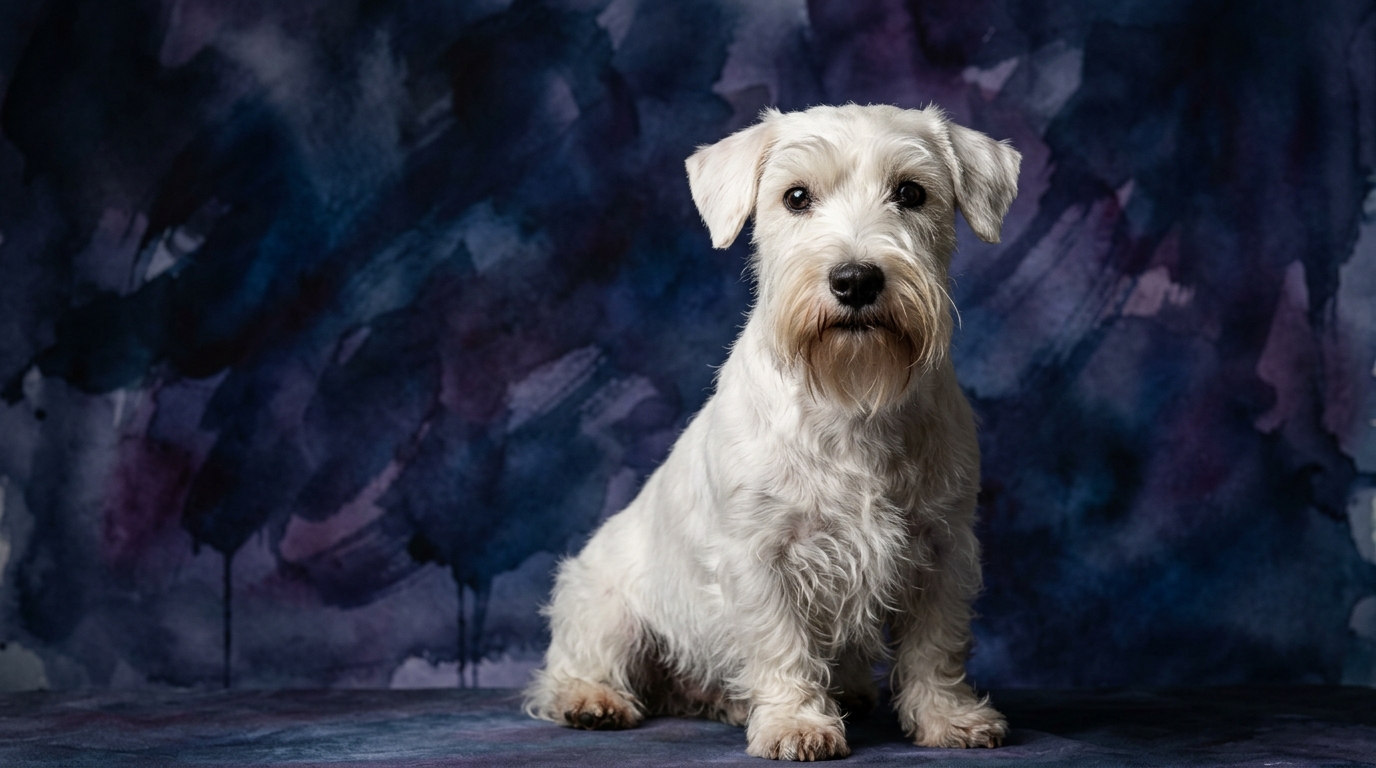
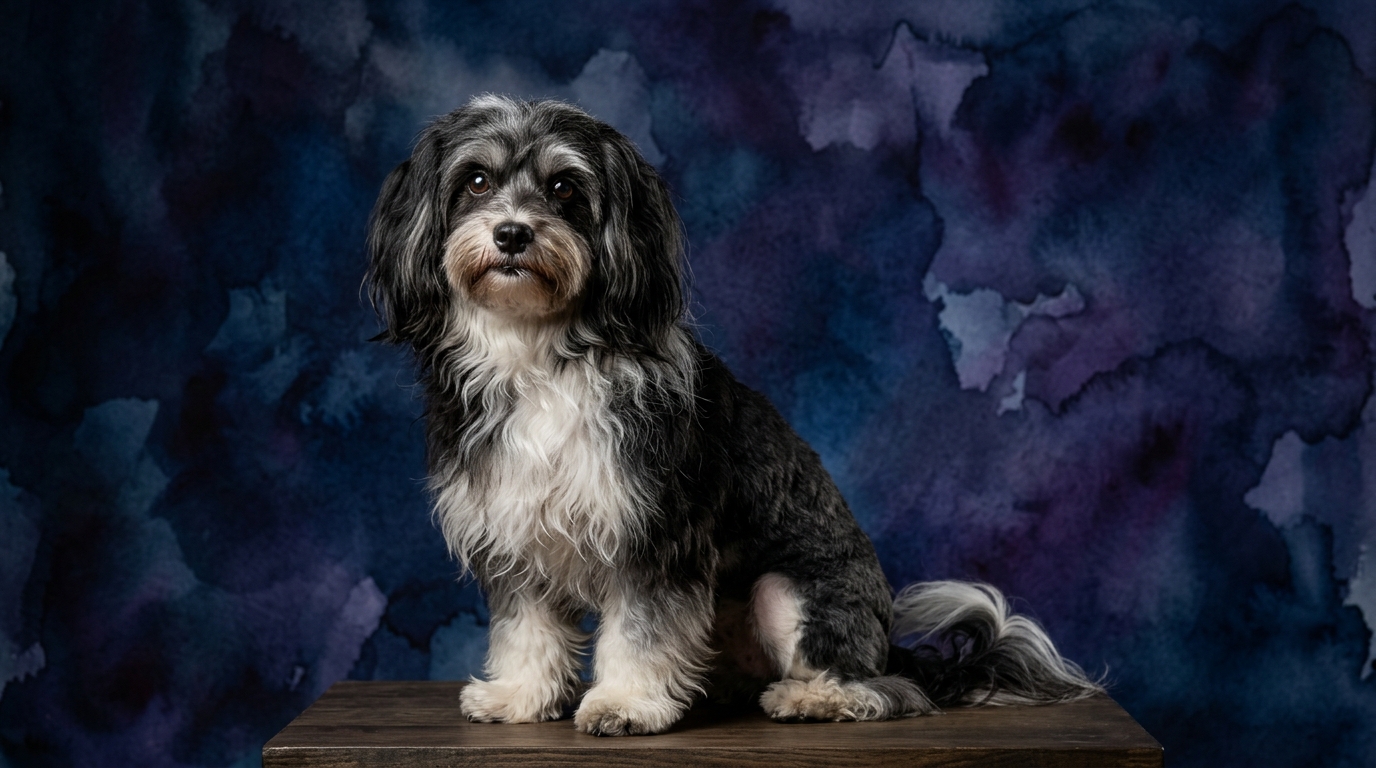
Side-by-Side IQ Profile: Sealyham Terrier vs. Löwchen
**Problem Solving (3/5):** The Sealyham Terrier exhibits practical, persistent problem-solving, often physical in nature, driven by their independent hunting heritage to achieve objectives like navigating obstacles or finding perceived prey. In contrast, the Löwchen's problem-solving leans towards social manipulation for attention or comfort-seeking, demonstrating a more socially-oriented approach to daily challenges rather than independent pursuit of a task.
**Training Speed (3/5):** Sealyhams possess a solid capacity to learn, but their training speed is often tempered by a strong independent will, requiring consistent, engaging methods to overcome their self-directed nature. The Löwchen, conversely, learns at a respectable pace, driven by a desire to please and interact with their people, making them generally more consistent and responsive to positive reinforcement.
**Social Intelligence (3/5):** A Sealyham's social intelligence often centers on their immediate human family, with discerning interactions towards strangers and a potentially confident demeanor with other dogs. The Löwchen, true to its companion role, displays robust social intelligence focused on harmonious living, adeptly reading human emotions and responding with affection, though they can be initially reserved with new acquaintances.
**Instinctive Drive (3/5):** The Sealyham's core instinctive drive is strongly rooted in its earthdog heritage, manifesting as a powerful urge to hunt, dig, and explore scents with unwavering focus. For the Löwchen, the primary instinctive drive is companionship and interaction, thriving on being an integral part of the family unit, with other typical dog instincts being secondary to their social needs.
**Memory (3/5):** Sealyhams demonstrate good memory for routines, commands, and locations linked to their practical, independent nature, effectively recalling both successful and unsuccessful ventures. Löwchens also possess a solid memory for family members, house rules, and positive training experiences, contributing to their reliability and reinforcing their bond-oriented existence.
Where the Sealyham Terrier Wins Cognitively
The Sealyham Terrier excels in independent problem-solving, a trait honed by their historical role in solo hunting. They demonstrate a tenacious ability to overcome physical barriers or pursue a scent target without constant human guidance, reflecting a self-directed drive less pronounced in the more companion-focused Löwchen. This isn't about abstract logic, but a practical, persistent cognitive approach to achieving a goal. Furthermore, their instinctive persistence is a significant strength. Once a Sealyham commits to investigating a smell or digging, they display remarkable focus and unwavering dedication. This cognitive trait, while sometimes challenging in a domestic setting, speaks to a deep-seated drive to fulfill an objective that Löwchens, with their different historical purpose, typically do not exhibit to the same degree.
Where the Löwchen Wins Cognitively
The Löwchen, bred exclusively for companionship, displays superior social acumen for human interaction. They possess a finely tuned ability to read and respond to subtle human emotional cues, adjusting their behavior to maintain harmony or offer comfort, a nuanced social skill that surpasses the more straightforward, task-oriented social understanding of the Sealyham. Their adaptability in social settings is another cognitive advantage. Löwchens are generally more inclined to engage positively and flexibly with a wider range of people and pets, provided they are well-socialized. This flexible social intelligence is driven by their inherent desire for connection, contrasting with the more discerning and selective social approach often observed in Sealyhams.
Which is Easier to Train, and Why
The Löwchen generally proves easier to train, primarily due to its strong intrinsic desire to please human companions and a lower inclination for independent action. Their 3/5 training speed is consistently realized because their motivation stems from seeking human interaction and approval. A Löwchen is typically eager to perform commands like "sit" or "stay" promptly, valuing praise and connection highly, and is less likely to be distracted by a lingering scent. Their companion temperament makes them enthusiastic pupils, absorbing routines readily, rendering positive reinforcement highly effective. Conversely, while the Sealyham Terrier also scores 3/5 in training speed, their inherent terrier independence and formidable instinctive drives introduce significant training nuances. A Sealyham might understand a command perfectly but choose to disregard it if their powerful prey drive is activated, or if engrossed in a digging project. Their problem-solving frequently manifests as finding clever ways around rules if it serves immediate, instinct-driven goals. This necessitates exceptional consistency, patience, and creative engagement from owners to make compliance more appealing than their independent urges.
Which Suits Active Owners vs. Relaxed Owners
The Sealyham Terrier suits active owners who relish engaging their dog in structured activities satisfying robust physical and mental needs. Their instinctive drive and problem-solving aptitude thrive on challenges like earthdog trials, agility, or scent work. Owners enjoying long, investigative walks, prepared for consistent training to manage terrier instincts, and appreciating an independent spirit will find the Sealyham rewarding, as its tenacity and energy demand an owner ready to match enthusiasm and provide constant mental stimulation. The Löwchen is ideally suited for more relaxed owners desiring a devoted, affectionate companion focused on shared domestic life. Their social intelligence and lower instinctive drive mean they are content with moderate daily exercise, like pleasant walks and indoor play, thriving on being an integral part of family activities. Excellent lap dogs, they enjoy simply being near their people, perfect for those seeking a charming, adaptable dog that fits seamlessly into a quieter, home-centric lifestyle, valuing companionship above high-intensity activities.
The Verdict
Opt for a Sealyham Terrier if you appreciate a dog with independent problem-solving skills, a robust instinctive drive requiring consistent engagement, and are prepared to channel their tenacity into constructive activities and training.
Select a Löwchen if you prioritize a companion with exceptional social acumen for human interaction, a strong desire to please, and a more adaptable temperament suited for a relaxed, affectionate household.
🧠 Find Your Pet's IQ Score
Our Pet IQ Lab assessment covers 25+ tests across 5 cognitive dimensions — personalized to your breed.
Take the Full IQ Test →Frequently Asked Questions
Are Sealyham Terriers good apartment dogs despite their drives?
Yes, with sufficient mental and physical exercise, a Sealyham can adapt to apartment living. Their strong drives mean daily structured walks, playtime, and puzzle toys are crucial to prevent boredom and destructive behaviors in a smaller space.
Do Löwchens bark a lot?
Löwchens can be vocal, often using barks to alert their owners to new sights or sounds, or to express their excitement. However, consistent training from a young age can help manage excessive barking and teach them when it is appropriate to be quiet.
How do these breeds compare with children?
Both breeds can be good with respectful children, but their approaches differ. The Löwchen's social intelligence makes them generally gentle and tolerant, while the Sealyham's independent nature means they may require more supervision to ensure boundaries are respected by both dog and child.