Side-by-Side IQ Profile: Sealyham Terrier vs. Toy Fox Terrier
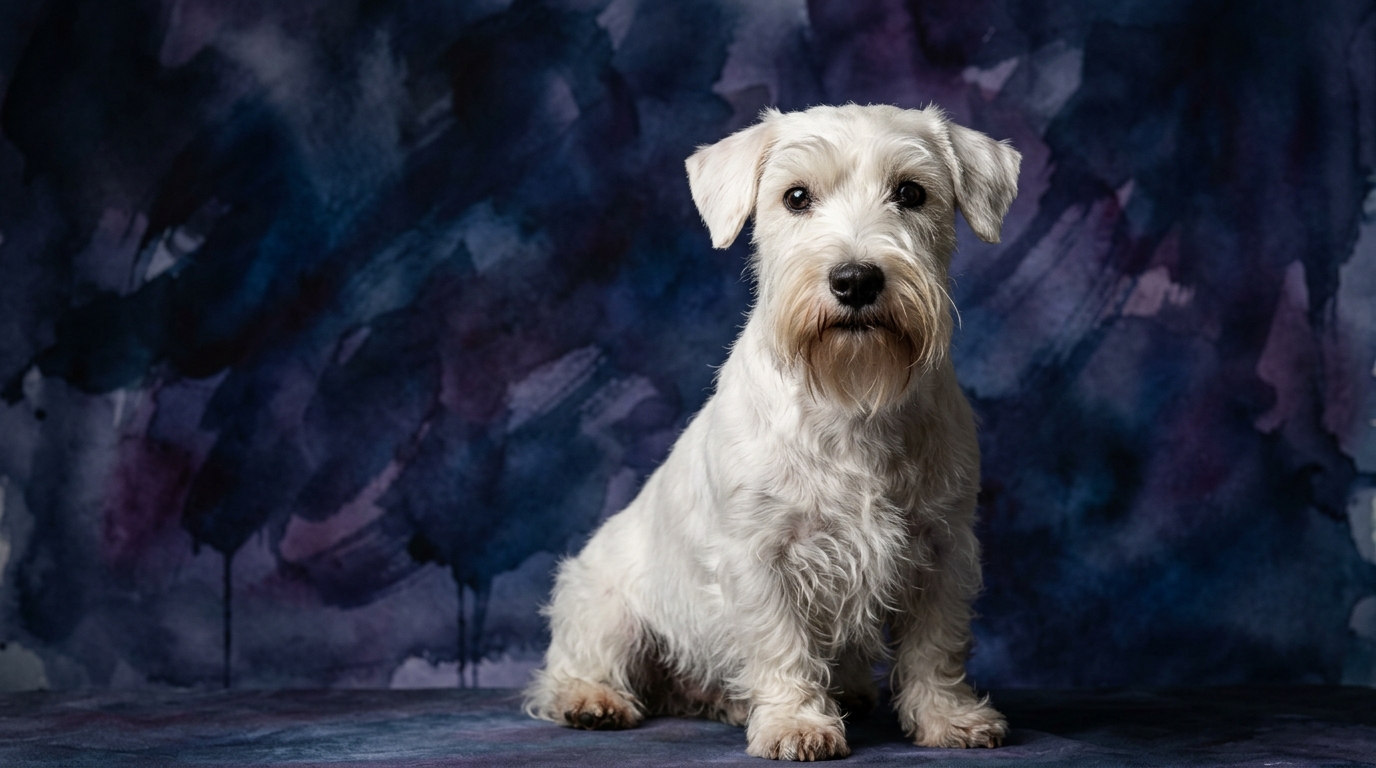
The Sealyham Terrier is a sturdy, medium-sized terrier, historically bred in Wales for hunting badgers and otters. This working background deeply influences its cognitive makeup. Its Problem Solving (3/5) exhibits a practical, tenacious approach. Faced with an obstacle or hidden scent, they employ persistent physical exploration or direct action rather than abstract contemplation; their solutions are often rooted in prey drive, focusing on reaching a goal through determined effort. Training Speed (3/5) means Sealyhams learn commands at a moderate pace, requiring clear, consistent instruction and positive reinforcement. Their independent terrier nature dictates they process information and decide whether to comply, rather than offering immediate obedience, so patience and engaging methods yield best results. Social Intelligence (3/5) shows these terriers adeptly understand immediate human family dynamics, forming deep, loyal bonds. They can be discerning with strangers, taking time to assess new individuals, indicating a careful social filter, and they respond well to familiar routines and trusted companions' emotional states. Instinctive Drive (3/5) is pronounced, primarily centered around scent and pursuit. This manifests as a keen interest in tracking small animals, digging, and purposeful environmental exploration, fundamental to their cognitive makeup, guiding much of their reactive behavior. Memory (3/5) serves them well in retaining established routines, learned commands, and identities of familiar people and places; they reliably recall past experiences, especially those associated with strong reinforcement, shaping future responses.
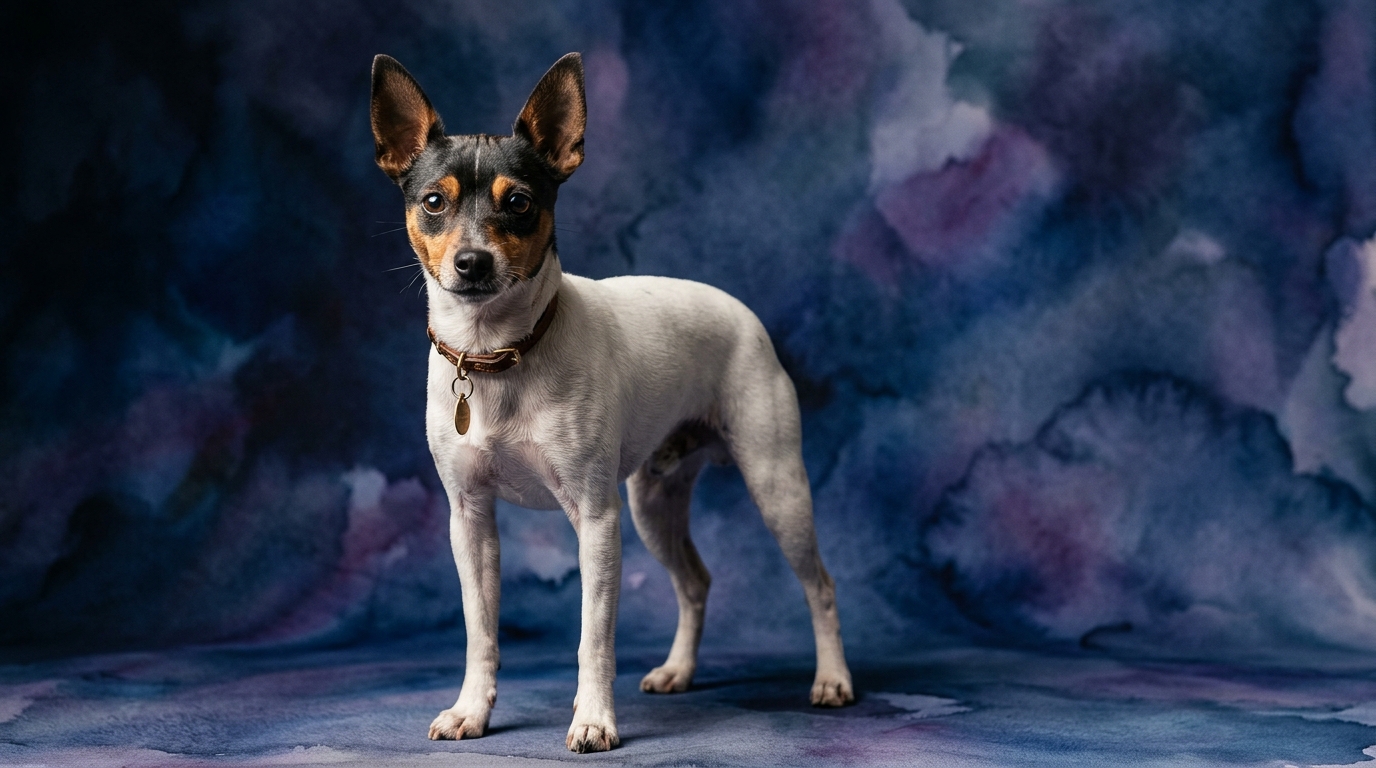
The Toy Fox Terrier is a small, agile toy breed with a rich terrier heritage, developed in the United States from larger fox terriers. Its smaller stature belies a sharp, active mind. Its Problem Solving (3/5) approaches challenges with quick wit and agility. They are adept at figuring out how to access desired items or navigate complex indoor environments, often using clever maneuvers or observational learning; their solutions can be opportunistic, reflecting their desire for engagement. Training Speed (3/5) indicates these terriers typically pick up new commands and tricks quickly, especially when motivated by play, praise, or treats. While eager, their high energy and potential for distraction mean training sessions need to be kept engaging and short to maintain optimal focus. Social Intelligence (3/5) reveals Toy Fox Terriers are highly attuned to their human companions' moods, intentions, and social cues, often seeking interaction and attention. They thrive on family involvement and skillfully 'read' a room, adjusting behavior to elicit desired responses. Instinctive Drive (3/5), while scaled for their size, retains a notable prey drive expressed through enthusiastic chasing of toys or interest in small movements. They also possess a strong drive for companionship and interaction. Memory (3/5) demonstrates good recall for commands, learned behaviors, and family preferences; they remember both positive and negative experiences, influencing future interactions and adaptation to various situations.
Where the Sealyham Terrier Wins Cognitively
The Sealyham Terrier’s cognitive strengths shine in scenarios demanding robust independence and physical tenacity. Their 3/5 problem-solving often manifests as determined, single-minded focus on tasks, particularly scent work or investigating perceived burrows. A Sealyham might excel at intricate scent discrimination games outdoors, using its powerful nose and unwavering resolve. This breed's sturdy build complements its mental approach, allowing it to physically engage with environmental challenges, making it a natural fit for activities requiring sustained, purposeful effort over finesse.
Where the Toy Fox Terrier Wins Cognitively
Conversely, the Toy Fox Terrier often displays a cognitive edge in environments requiring quick adaptability, observational learning, and a flair for interaction. Their 3/5 problem-solving frequently involves nimble thinking and physical agility, like opening a cabinet latch or navigating a complex agility course. This breed's 3/5 social intelligence allows them to quickly pick up on subtle human cues, often anticipating desires for play or cuddles. They might be quicker to learn complex trick sequences involving multiple steps and human interaction, showcasing intricate engagement within a domestic setting.
Which is Easier to Train and Why
Both breeds share a 3/5 rating for training speed, but their behavioral differences influence the process. The Sealyham Terrier, with its independent spirit, requires consistent motivation and patience. They might take longer to *initiate* a new command if they don't immediately perceive its value; their strong instinctive drive can override immediate compliance. For example, catching a scent during training might require more effort to redirect focus. In contrast, the Toy Fox Terrier, while also self-assured, is highly motivated by interaction and play. They might pick up commands quickly but can be more prone to distraction due to high energy and curiosity. An owner might find the Toy Fox Terrier easier to *start* on a task, but keeping attention focused through completion, especially in stimulating environments, can be the greater challenge. Both thrive with positive reinforcement, short, engaging sessions, and respect for their individual terrier traits.
Which Suits Active Owners vs. Relaxed Owners
When considering lifestyle, these terriers offer distinct guidance. The Sealyham Terrier, with its robust instinctive drive and practical problem-solving, suits an active owner who appreciates a canine partner for purposeful activities. They thrive with structured outdoor adventures, scent work, or consistent obedience training providing mental and physical challenges. A Sealyham needs an owner who can channel its tenacious energy into productive outlets; they require regular engagement beyond just being lapdogs. Conversely, the Toy Fox Terrier, while energetic, is often better suited for owners less inclined towards rigorous outdoor expeditions but still desiring an active, mentally stimulated companion. Their agility and keen social intelligence make them ideal for owners who enjoy interactive indoor games, teaching tricks, and frequent, engaging play sessions. They adapt well to urban living and are content with shorter, regular walks combined with plenty of indoor mental enrichment. A relaxed owner who enjoys close companionship and can provide consistent mental challenges in a home environment would find a Toy Fox Terrier a delightful match.
The Verdict
If you value a dog with a robust, independent problem-solving mindset, capable of sustained effort in practical, often outdoor, challenges, and are prepared to engage with a strong terrier spirit through consistent, purposeful training, the Sealyham Terrier is an excellent choice. This breed thrives with an owner who appreciates its tenacity and provides ample opportunities for its natural instincts to flourish.
For those who desire a nimble, highly observant companion that excels in interactive, often indoor, problem-solving and thrives on close social engagement, the Toy Fox Terrier is likely the better fit. This breed will delight an owner who enjoys teaching tricks, engaging in playful mental exercises, and values a dog deeply attuned to family dynamics and eager to participate in daily life with spirited enthusiasm.
🧠 Find Your Pet's IQ Score
Our Pet IQ Lab assessment covers 25+ tests across 5 cognitive dimensions — personalized to your breed.
Take the Full IQ Test →Frequently Asked Questions
Are these breeds difficult to train?
Both breeds, rated 3/5 for training speed, benefit significantly from consistent, positive reinforcement methods rather than harsh corrections. Their independent streaks mean an engaging, reward-based approach is more effective than rote repetition for both.
Do Sealyham Terriers and Toy Fox Terriers require a lot of mental stimulation?
Absolutely. Both breeds possess active minds and thrive when given opportunities to solve puzzles, engage in training, or participate in scent work. Lack of mental engagement can lead to boredom and the manifestation of undesirable behaviors.
How do their social intelligence ratings affect their interactions with families?
With a 3/5 social intelligence, both breeds are capable of forming strong bonds and understanding family dynamics. Sealyhams might be more reserved with strangers, while Toy Fox Terriers often enjoy being central to family activities, showing their awareness of social cues.