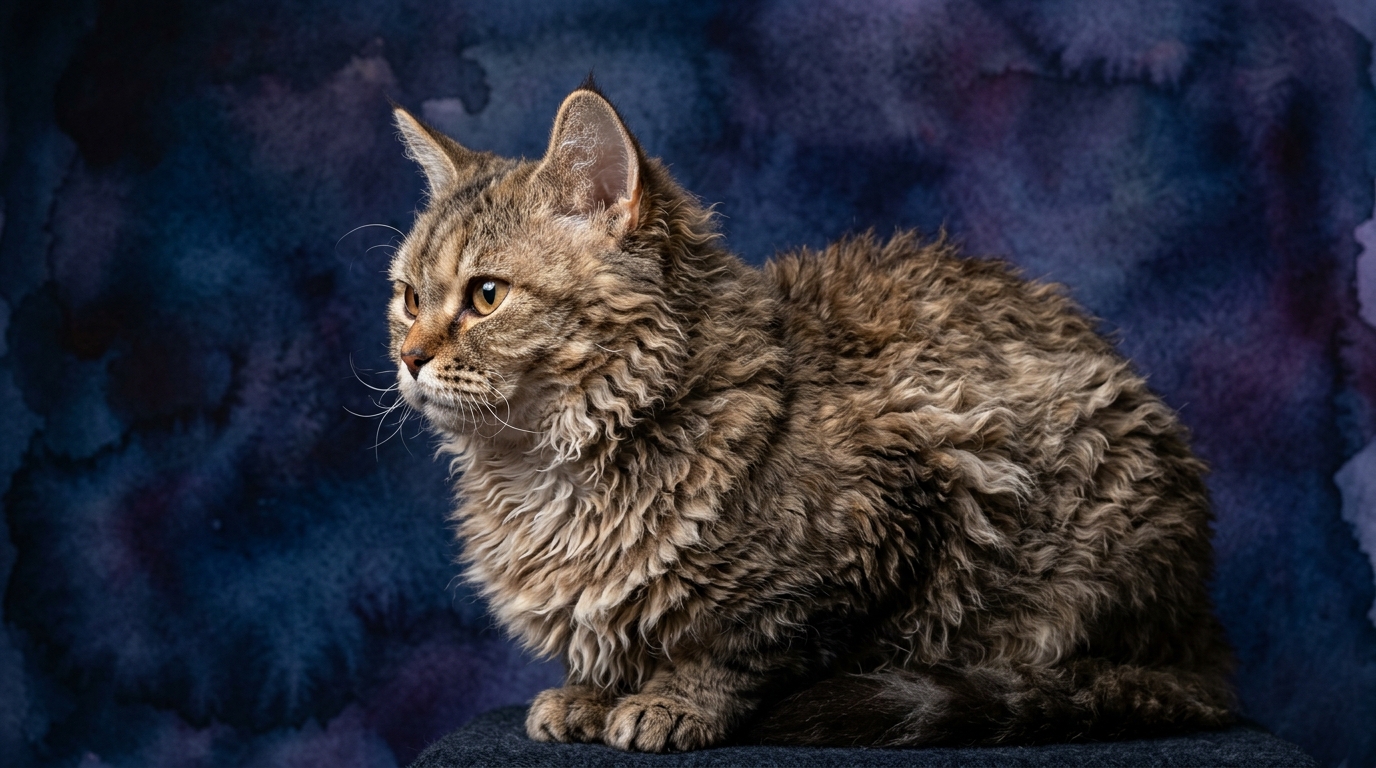
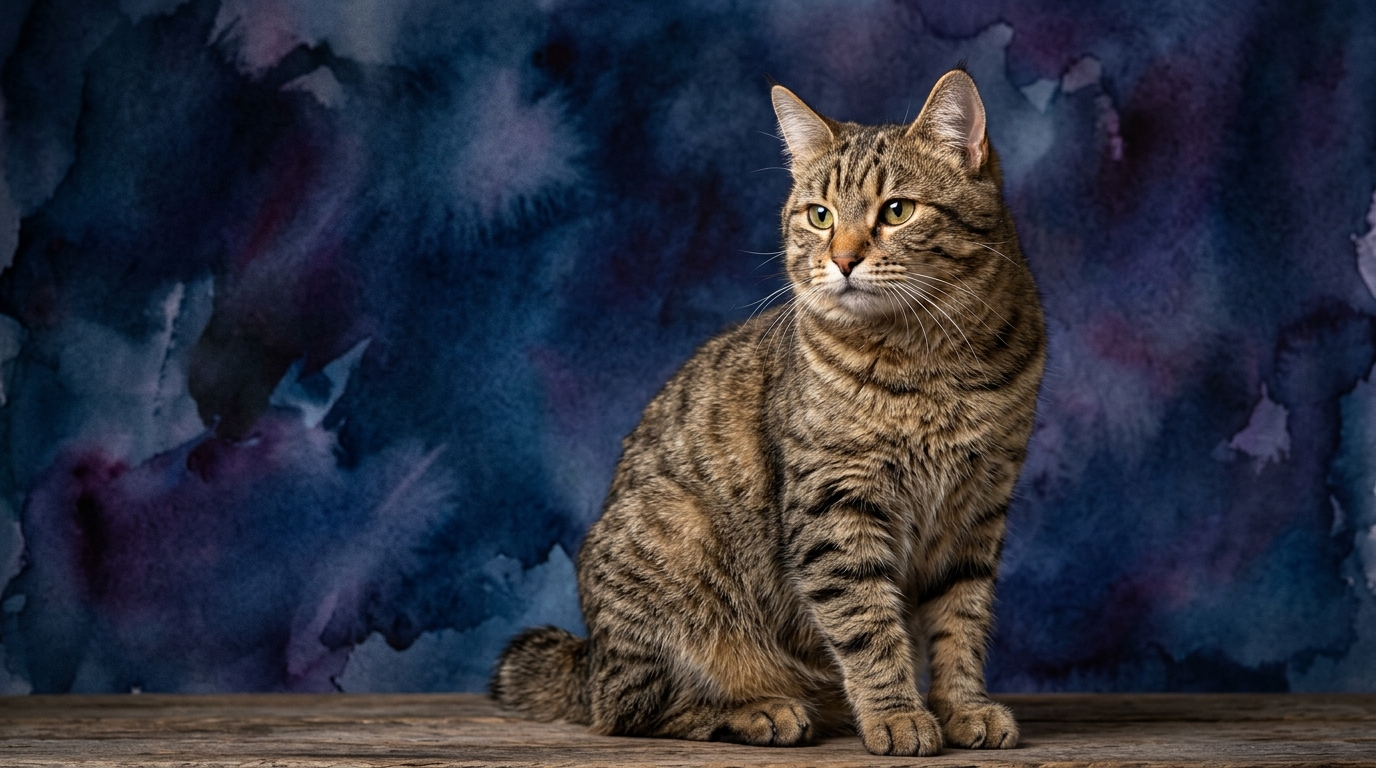
Side-by-Side Cognitive Profiles
At The Cosmic Pet Pet IQ Lab, both the Selkirk Rex and the Pixiebob register a consistent 3 out of 5 across all five cognitive dimensions: Problem Solving, Training Speed, Social Intelligence, Instinctive Drive, and Memory. This indicates a moderate aptitude in each area, suggesting neither breed is at the extreme ends of the feline cognitive spectrum but rather possesses a balanced suite of mental capabilities. However, understanding what a '3/5' means in the context of each breed's unique temperament provides richer insights.
For Problem Solving (3/5), the Selkirk Rex typically approaches new challenges with a patient curiosity. They might observe their environment and human companions intently before attempting a solution, perhaps figuring out how to access a favorite sunbeam spot or a hidden treat with a calm, deliberate strategy. The Pixiebob, conversely, with its often more active and investigative nature, might engage in more hands-on experimentation. A Pixiebob might systematically try different approaches to open a cabinet or manipulate a puzzle toy, driven by a persistent desire to understand and interact with its surroundings.
When it comes to Training Speed (3/5), both breeds demonstrate a moderate capacity for learning and retaining commands. The Selkirk Rex, known for its agreeable and affectionate disposition, tends to be receptive to positive reinforcement, especially when training involves gentle interaction and rewards. They may learn basic commands like 'sit' or coming when called at a steady pace, motivated by the desire for companionship. The Pixiebob, often described as 'dog-like' in its loyalty and eagerness to please, can be highly engaged in training sessions. Their training speed benefits from consistent, interactive methods, and they often enjoy learning tricks that involve fetching or more complex sequences, viewing it as a stimulating form of bonding.
Social Intelligence (3/5) in the Selkirk Rex often manifests as a deep, empathetic connection with its human family. These cats are adept at reading moods, offering comfort through gentle purrs or close proximity, and integrating smoothly into household routines. Their social interactions are typically calm and observant, making them excellent companions for quiet evenings. The Pixiebob's social intelligence, while also a 3/5, is often expressed through more active engagement. They form strong, devoted bonds with their chosen people, often following them from room to room, initiating playtime, and communicating their needs or desires with clear vocalizations and body language, showcasing a collaborative social style.
The Instinctive Drive (3/5) of the Selkirk Rex is typically moderate and often directed towards playful, non-destructive activities. They enjoy batting at toys, chasing laser pointers, and engaging in mock hunts with feather wands, satisfying their natural predatory instincts in a domesticated setting. This drive is usually easy to manage and provides a healthy outlet for their energy. The Pixiebob, despite the same 3/5 rating, sometimes exhibits a more pronounced natural hunting inclination, possibly due to its 'wilder' appearance and heritage. They may show a keen interest in outdoor observations, excel at interactive hunting games, and appreciate puzzle feeders that simulate foraging, using their instincts in a more active, exploratory manner.
Finally, Memory (3/5) for both breeds allows for consistent daily routines and recognition of familiar faces and places. A Selkirk Rex will reliably remember meal times, preferred sleeping spots, and the individuals who provide comfort and care, often anticipating daily events with calm predictability. A Pixiebob will also remember training cues, complex pathways around the home, and the specific interactions associated with different family members, often recalling past events or learned behaviors to navigate their environment or engage with their people effectively.
Where Selkirk Rex Wins Cognitively
While both breeds share identical numerical scores, the Selkirk Rex's unique expression of its cognitive traits often 'wins' in scenarios demanding calm, observant companionship. Its 3/5 social intelligence shines in its ability to offer subtle emotional support; a Selkirk Rex might instinctively know when a quiet presence is needed, demonstrating a gentle empathy that fosters deep, comforting bonds. This patient observational skill also aids its 3/5 problem-solving, allowing it to navigate household dynamics and routines with a thoughtful, less disruptive approach. Its memory (3/5) for routines and human preferences makes it a predictably harmonious presence, excelling in homes where a serene, emotionally attuned companion is highly valued.
Where Pixiebob Wins Cognitively
The Pixiebob's cognitive strengths, though numerically similar, often 'win' in contexts requiring active engagement and interactive intelligence. Its 3/5 problem-solving frequently manifests as a determined curiosity, making it adept at figuring out complex puzzle toys or navigating household obstacles with resourceful persistence. This active mental approach, combined with its 3/5 training speed, allows it to excel in learning intricate tricks or participating in agility-like games, thriving on the mental stimulation and collaborative effort. The Pixiebob's social intelligence (3/5) is particularly strong in its clear communication and desire for shared activities, making it a 'winner' for owners who seek a cat that actively participates in their daily lives and expresses its loyalty through visible devotion and interactive play.
Which Is Easier to Train and Why
Given their identical 3/5 training speed, the 'ease' of training for Selkirk Rex and Pixiebob largely hinges on their distinct temperaments and owner expectations. The Selkirk Rex, with its patient and agreeable nature, tends to be an easier trainee for basic commands and positive reinforcement methods focused on companionship. They are less likely to challenge boundaries and respond well to gentle, consistent guidance, motivated by affection and a desire for harmony. Training a Selkirk Rex might feel more like a calm, bonding exercise.
The Pixiebob, while equally capable of learning at a moderate pace, often requires a more engaging and dynamic training approach. Their 'dog-like' loyalty and active curiosity mean they thrive on interactive sessions that incorporate play, fetching, or more complex challenges. While they might learn quickly when stimulated, a lack of engagement could lead to boredom, potentially resulting in them finding their own 'entertainment' if not properly directed. Therefore, training a Pixiebob might demand more creativity and consistency from the owner to harness their enthusiastic, investigative spirit, making them easier to train if the owner is committed to an interactive style.
Which Suits Active Owners vs. Relaxed Owners
For owners with an active lifestyle who enjoy interactive play and structured engagement, the Pixiebob typically proves to be a more fitting companion. Their curiosity, 'dog-like' loyalty, and moderate instinctive drive mean they thrive on mental and physical stimulation, appreciating puzzle toys, regular play sessions, and even walks on a leash. They are keen participants in household activities and often seek out interaction, making them a vibrant addition to a bustling home.
Conversely, the Selkirk Rex is generally better suited for relaxed owners seeking a calm, affectionate, and observant companion. While they enjoy playtime, their energy requirements are typically lower, and they are content with quiet companionship, gentle petting, and being a comforting presence. Their patient and tolerant nature makes them adaptable to a more serene home environment, where their subtle emotional intelligence and steady presence can truly shine without demanding constant activity.
The Verdict
Choose the Selkirk Rex if you're seeking a patient, affectionate, and emotionally attuned companion who thrives in a calm home environment and offers subtle, comforting presence.
Opt for the Pixiebob if you desire an interactive, loyal, and curious cat who flourishes with active engagement, enjoys structured play, and participates enthusiastically in family life.
🧠 Find Your Pet's IQ Score
Our Pet IQ Lab assessment covers 25+ tests across 5 cognitive dimensions — personalized to your breed.
Take the Full IQ Test →Frequently Asked Questions
Are Selkirk Rex cats truly 'dog-like' in their intelligence?
While Selkirk Rex cats are often described as 'dog-like' due to their affectionate, people-oriented nature and tendency to follow owners, their 3/5 cognitive scores indicate a moderate, balanced intelligence rather than a direct canine comparison. This 'dog-like' quality refers more to their social bonding and agreeable temperament than a specific intellectual superiority.
Do Pixiebobs require specific types of mental stimulation?
Yes, Pixiebobs, with their 3/5 problem-solving and instinctive drive, benefit greatly from interactive mental stimulation. They enjoy puzzle feeders, engaging hunting games with wand toys, and opportunities to 'work' for treats, which helps channel their natural curiosity and energy positively. Without adequate mental engagement, they might seek out their own, potentially less desirable, forms of entertainment.
How do the memory capabilities of these two breeds compare in daily life?
Both breeds possess a 3/5 memory, meaning they reliably remember routines, favorite people, and key locations within their home. In daily life, a Selkirk Rex might consistently recall meal times and preferred napping spots, while a Pixiebob might remember complex play sequences or the specific cues for their favorite interactive games. Both demonstrate a practical, consistent memory that aids in their daily adaptation and interaction.