Side-by-Side IQ Profile: Shiba Inu vs. Affenpinscher
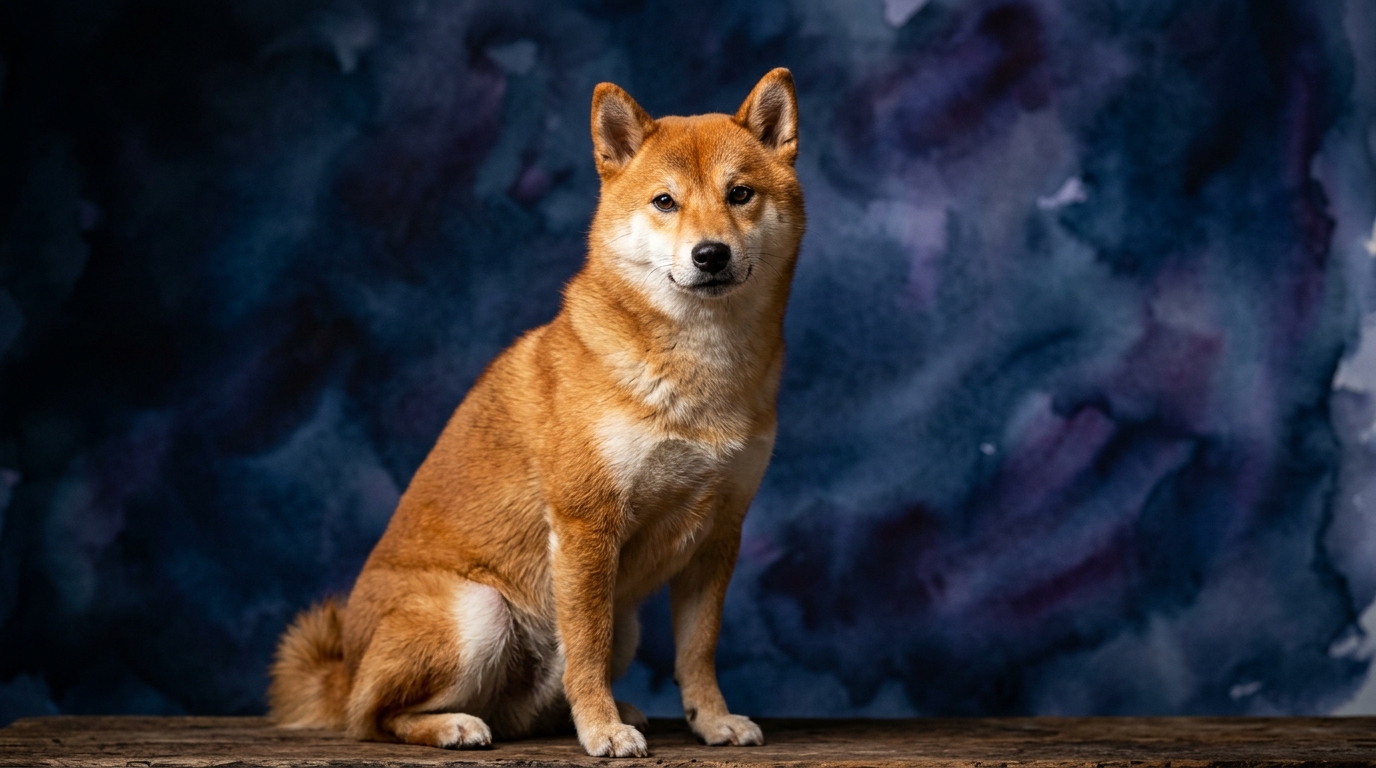
Hailing from ancient Japan, the Shiba Inu presents a formidable cognitive profile. Their Problem Solving ranks at a robust 4/5, indicating a keen ability to navigate complex situations and often devise independent solutions. However, this ingenuity is paired with a Training Speed of 2/5, suggesting a strong-willed nature that can make conventional obedience challenging. Social Intelligence sits at a moderate 3/5, reflecting an often-reserved demeanor, while an exceptional Instinctive Drive of 5/5 speaks to their potent hunting heritage and inherent resourcefulness. Rounding out their profile is a Memory score of 4/5, enabling them to retain experiences and learned strategies effectively.
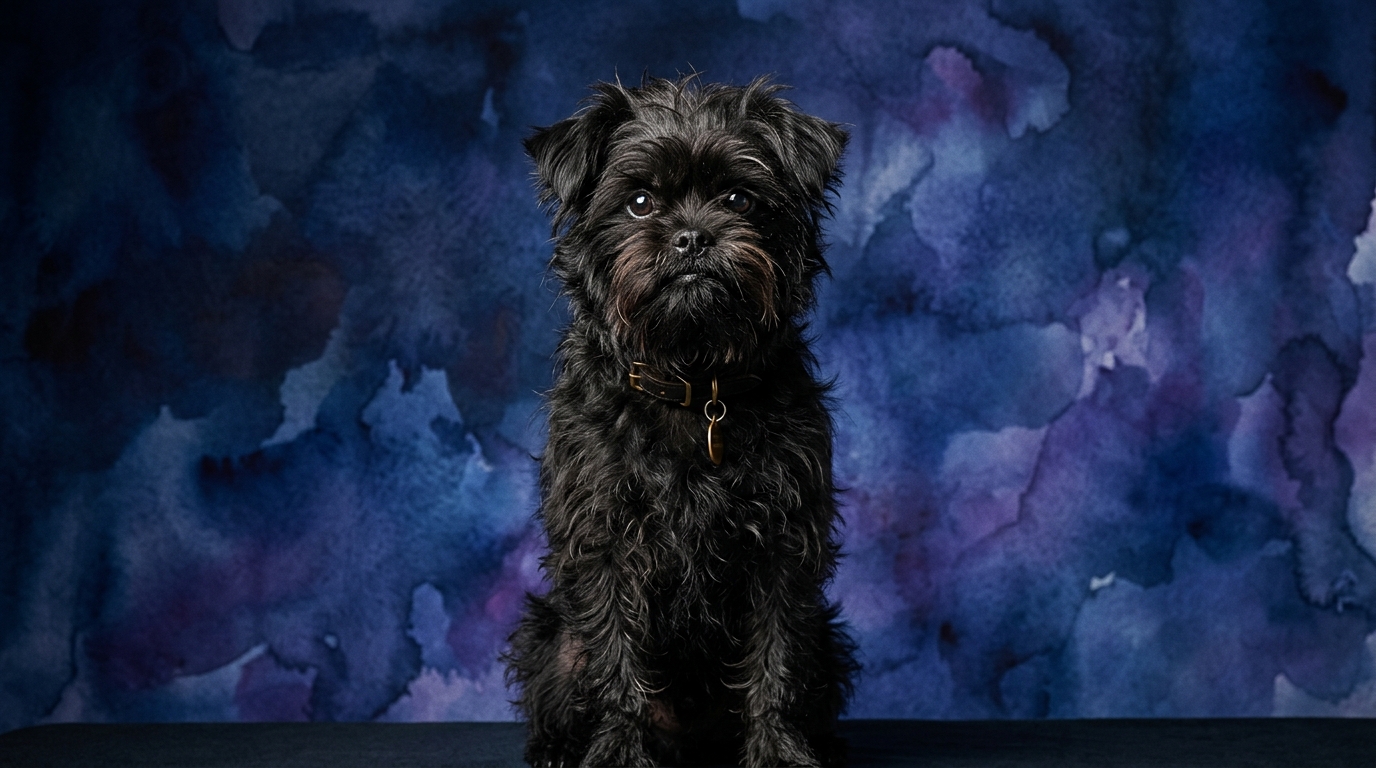
The spirited "monkey dog" from Germany, the Affenpinscher, exhibits a more balanced, albeit less intense, cognitive makeup. Their Problem Solving capability is a solid 3/5, demonstrating practical intelligence for everyday challenges without the same level of independent strategizing as the Shiba. Training Speed matches this at 3/5, indicating an average learning curve and a generally cooperative attitude towards instruction. Social Intelligence also registers at 3/5, signifying a capacity for strong bonds with their family while maintaining a degree of discerning wariness towards strangers. Their Instinctive Drive is a moderate 3/5, reflecting their history as fearless ratters, and their Memory is also a steady 3/5, allowing them to recall routines and learned behaviors reliably.
Where the Shiba Inu Wins Cognitively
The Shiba Inu's cognitive advantages are pronounced in areas demanding independent thought and deep-seated motivation. Their Problem Solving score of 4/5 significantly outpaces the Affenpinscher's 3/5, showcasing a superior capacity for autonomous strategizing. This means a Shiba is more likely to assess an unfamiliar situation, such as a latched gate or a puzzle toy, and independently work through the mechanics to achieve their goal, often surprising owners with their ingenuity. This isn't about being more generally capable, but rather possessing a more robust internal drive to figure things out on their own.
Furthermore, the Shiba Inu's Instinctive Drive, rated a powerful 5/5 compared to the Affenpinscher's 3/5, profoundly shapes their cognitive engagement with the world. This intense drive translates into heightened environmental awareness, a relentless pursuit of scents, and a strong territorial instinct. While this can present management challenges, it also means Shibas are consistently processing their surroundings, making rapid assessments based on their primal urges, and acting decisively. Their cognitive resources are heavily invested in observation, tracking, and potential "prey" identification, leading to a remarkably focused and persistent pursuit of their inherent objectives.
Finally, the Shiba's 4/5 Memory score, a point higher than the Affenpinscher, reinforces their problem-solving prowess. They retain information about successful (or unsuccessful) tactics and environmental layouts over longer periods. This allows them to build a complex mental map of their territory and recall past solutions to similar problems, making them excellent at remembering where hidden treats were or how to bypass a particular barrier. This robust memory, however, also means they are less likely to "forget" negative experiences or inconsistencies in training, requiring a highly consistent approach from their human companions.
Where the Affenpinscher Wins Cognitively
While the Shiba Inu excels in independent problem-solving and raw instinctive drive, the Affenpinscher demonstrates a distinct cognitive strength in areas related to cooperative learning and a more manageable internal landscape. The Affenpinscher's Training Speed of 3/5, notably higher than the Shiba Inu's 2/5, highlights their relative ease in acquiring new commands and routines. This indicates a greater openness to human direction and a more straightforward learning curve, often making them a more gratifying partner for structured obedience work. They are generally less inclined to question or ignore directives, preferring to engage with their owner's requests.
Beyond a specific score, the Affenpinscher's balanced cognitive profile, with consistent 3/5 ratings across Problem Solving, Social Intelligence, Instinctive Drive, and Memory, contributes to a more predictable and often more harmonious domestic integration. Their moderate Instinctive Drive (3/5) means their natural urges, while present, are less overwhelming and easier for owners to channel or redirect compared to the Shiba's intense 5/5 drive. This translates to fewer instances where primal instincts override learned behaviors or owner commands, making them potentially less prone to bolt after a squirrel or independently redecorate the living room.
The Affenpinscher's moderate Problem Solving (3/5) is sufficient for navigating daily life without leading to the "cunning" behaviors sometimes seen in more independently resourceful breeds. They are capable of understanding cause and effect in their immediate environment but are less likely to devise elaborate schemes to achieve their desires. This cognitive balance means they are less prone to outsmarting their owners or creating complex challenges, making them generally easier to live with for individuals who prefer a more straightforward canine companion.
Which is Easier to Train and Why
When evaluating ease of training, the Affenpinscher holds a clear advantage due to its balanced cognitive profile and more amenable disposition. Their Training Speed of 3/5 indicates they pick up new commands at an average rate, readily responding to clear, consistent positive reinforcement. This willingness stems from their moderate Social Intelligence (3/5) and a generally strong desire to engage with their family, making them more receptive students. Their Instinctive Drive (3/5) is present but typically manageable, meaning they are less likely to be completely consumed by external distractions like scents or movement during a training session, allowing for better focus on the task at hand.
The Shiba Inu, in contrast, presents a greater training challenge, underscored by its 2/5 Training Speed. This lower score is directly influenced by their formidable Problem Solving (4/5) and exceptionally high Instinctive Drive (5/5). A Shiba often prioritizes its own independent agenda or deeply ingrained instincts over human directives. They are adept at discerning what they "want" to do versus what they "should" do, and their strong memory (4/5) means they recall past instances where they successfully ignored a command. Training a Shiba requires immense patience, creativity, and a deep understanding of their independent nature, often necessitating high-value rewards and varied approaches to maintain engagement and compliance. Their cognitive approach manifests as a desire to figure things out for themselves, which can often conflict with structured obedience.
Which Suits Active Owners vs. Relaxed Owners
The choice between a Shiba Inu and an Affenpinscher significantly depends on an owner's lifestyle and their capacity to meet a breed's specific cognitive and physical needs. The Shiba Inu is unequivocally suited for active owners who can provide consistent, engaging mental and physical stimulation. Their exceptional 5/5 Instinctive Drive means they possess a deep-seated need for exploration, tracking, and purposeful activity. Owners who enjoy long hikes, agility training, scent work, or engaging with advanced puzzle toys will find a Shiba a rewarding, albeit demanding, partner. Their 4/5 Problem Solving also necessitates mental challenges; a bored Shiba is a creative, potentially destructive, Shiba. They thrive with owners who respect their independence while providing firm, consistent boundaries and outlets for their profound energy and wit.
Conversely, the Affenpinscher can comfortably fit into a range of lifestyles from relaxed to moderately active. Their 3/5 Instinctive Drive and 3/5 Problem Solving mean they are content with regular, moderate daily walks, indoor play sessions, and ample family interaction. While spirited and playful, they don't possess the same relentless drive or need for constant mental puzzles as a Shiba. They enjoy being active participants in family life, whether it's a stroll around the neighborhood or cuddling on the couch. Their moderate Social Intelligence (3/5) allows them to form strong bonds and adapt well to a home environment without constantly seeking to outmaneuver their owners. They are a good fit for individuals or families seeking a charming, lively companion who appreciates both activity and quiet companionship.
The Verdict
Select a Shiba Inu if you are an experienced owner prepared for a highly independent, resourceful, and instinct-driven companion who thrives on consistent mental challenges and robust physical activity.
Opt for an Affenpinscher if you desire a charming, spirited, and generally more trainable companion who offers a good balance of playfulness and affection, fitting well into a moderately active home environment.
🧠 Find Your Pet's IQ Score
Our Pet IQ Lab assessment covers 25+ tests across 5 cognitive dimensions — personalized to your breed.
Take the Full IQ Test →Frequently Asked Questions
Are Shiba Inus good for first-time dog owners?
Shiba Inus are generally not recommended for first-time dog owners due to their strong independence, high instinctive drive, and challenging trainability (2/5 training speed). They require consistent, experienced handling and a deep understanding of their unique personality.
Do Affenpinschers bark a lot?
Affenpinschers can be prone to barking, especially when alerting their owners to strangers or perceived threats, a remnant of their ratting instincts. However, with proper training and socialization, this can be managed, and their 3/5 instinctive drive is generally less intense than a Shiba's.
How do their social intelligence scores impact interactions with other pets?
Both breeds have a 3/5 social intelligence, suggesting they can coexist with other pets but require careful introductions and supervision. Shiba Inus, with their high prey drive, might be more challenging with smaller animals, while Affenpinschers can be confident with larger dogs but might display typical "toy dog" assertiveness.