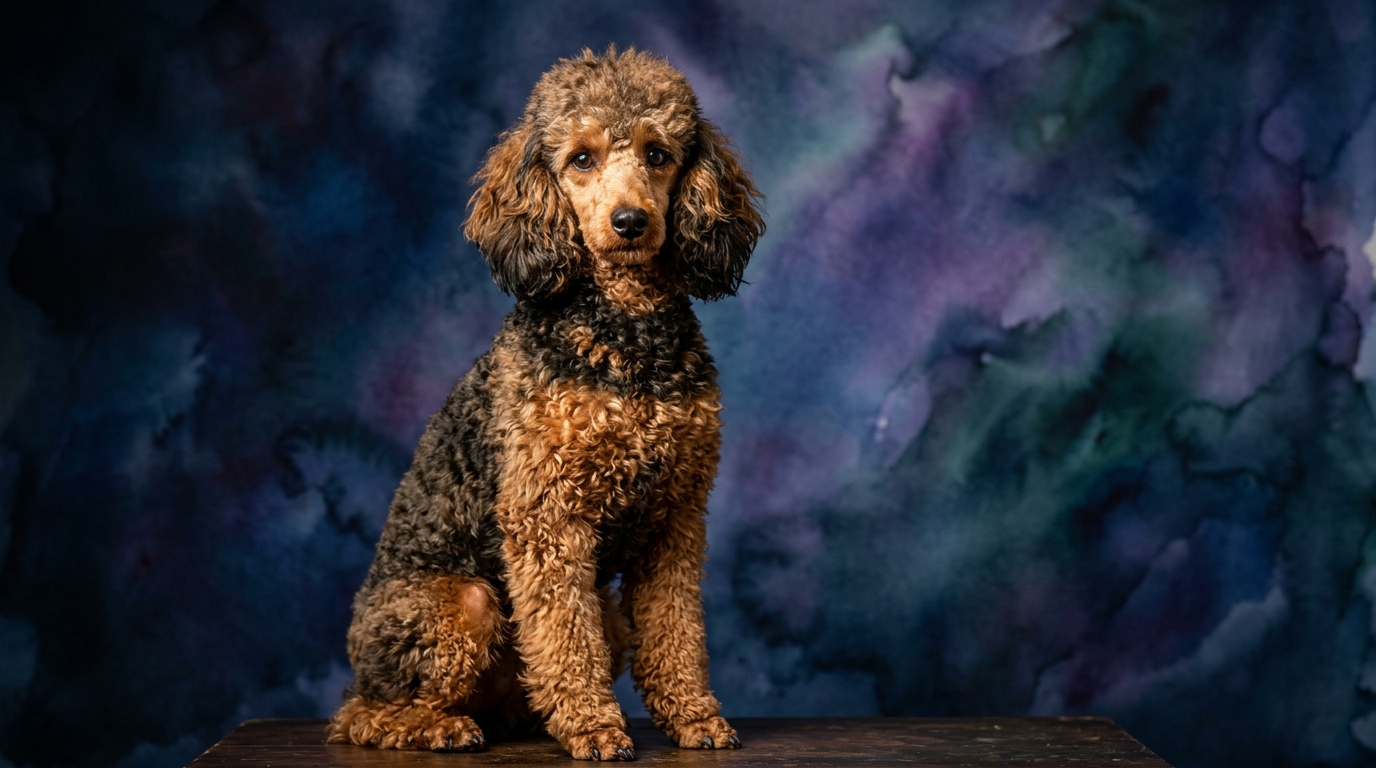
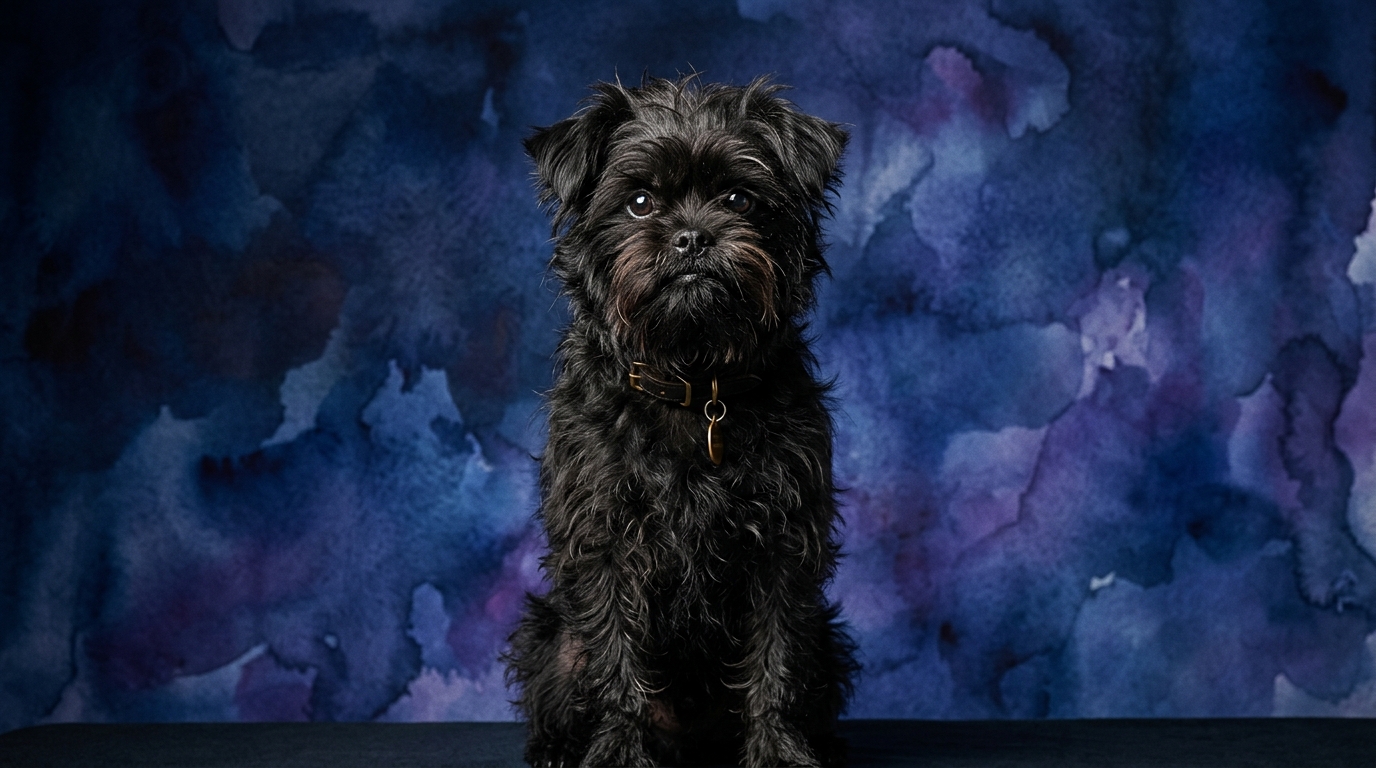
Side-by-Side IQ Profile: Poodle (Standard) vs. Affenpinscher
The Poodle (Standard), a member of the Non-Sporting group, stands as a prominent figure in canine cognitive assessment, earning a #2 rank on Stanley Coren's scale of working and obedience intelligence. Its IQ profile reflects a remarkable suite of mental capabilities: Problem Solving is rated 5/5, indicating an exceptional capacity to navigate complex situations, strategize, and learn from experience, often finding novel solutions to environmental challenges. Training Speed also scores 5/5, signifying their rapid assimilation of new commands and routines, coupled with a strong desire to cooperate. Social Intelligence, at 5/5, highlights their acute awareness of human emotions, intentions, and subtle cues, making them highly responsive companions. Their Instinctive Drive, rated 4/5, points to a well-developed, though not overwhelming, set of innate behaviors, particularly retrieving and water work, reflecting their historical purpose. Memory, a perfect 5/5, ensures they retain learned information and experiences over long periods, contributing to their consistent performance.
In contrast, the Affenpinscher, a spirited member of the Toy group, presents a different cognitive landscape, without a specific Coren ranking but with a consistent profile across our IQ dimensions. Its Problem Solving ability is rated 3/5, suggesting a moderate capacity for independent thought and resolution of new challenges; they can learn, but might require more structured guidance than self-discovery. Training Speed also sits at 3/5, meaning they are certainly trainable, but may require more repetitions, patience, and creative motivation to master new commands compared to their Poodle counterparts. Social Intelligence is likewise 3/5, indicating a respectable, but not exceptionally nuanced, understanding of human social signals; they are affectionate but might interpret human intentions in a more straightforward manner. Instinctive Drive is rated 3/5, reflecting a moderate level of innate behaviors, often expressed as a terrier-like curiosity and occasional prey drive for small critters, but generally manageable. Memory, too, is 3/5, meaning they possess a functional memory for daily routines and learned behaviors, though perhaps not the same depth and long-term recall for intricate sequences as a Poodle.
Where Poodle (Standard) Wins Cognitively
The Standard Poodle's cognitive strengths are evident in its exceptional capacity for complex, multi-stage learning and adaptive behavior. Its 5/5 Problem Solving allows it to excel in activities requiring sequential thought, such as navigating intricate agility courses, solving puzzle toys designed for advanced dogs, or even performing service tasks that involve multiple steps like opening doors and retrieving specific items. This breed demonstrates a profound ability to generalize learned concepts, applying a solution from one context to a similar, novel situation. Their 5/5 Social Intelligence gives them a distinct advantage in understanding and anticipating human needs, often appearing remarkably attuned to subtle shifts in tone or body language. This makes them outstanding partners in therapy work or as emotional support animals, where attunement to human states is paramount. Furthermore, their 5/5 Memory ensures that once a behavior or concept is learned, it is deeply ingrained, leading to consistent, reliable performance even after long breaks from training. This cognitive resilience means less re-training and more fluid progression to advanced skills. The 4/5 Instinctive Drive, particularly for retrieving, is a cognitive win for owners seeking a dog for sports like retrieve games, dock diving, or even hunting, as this innate motivation can be channeled into focused, productive work.
Where Affenpinscher Wins Cognitively
While the Affenpinscher’s IQ scores are generally moderate (3/5 across the board), these ratings contribute to a unique cognitive profile that offers distinct advantages for specific owners and lifestyles. Their 3/5 Problem Solving, for instance, means they are not constantly seeking to outsmart their environment or test boundaries with complex mental challenges. This can be a "win" for owners who appreciate a dog that is content with simpler routines and less prone to inventing mischievous schemes out of boredom. Their moderate Instinctive Drive (3/5) translates to a generally lower prey drive compared to some terrier breeds, meaning they might be less inclined to bolt after every squirrel or bird, offering a more contained presence in a home environment. This moderate drive also means they are less likely to become hyper-focused on a single task or obsession, allowing for a more balanced and adaptable daily life without intense behavioral demands. The Affenpinscher’s 3/5 Social Intelligence means they are affectionate and engaged with their family, but often maintain a delightful sense of self-possession and independence. They are less likely to be overly clingy or prone to extreme separation anxiety, valuing their personal space while still enjoying companionship. This cognitive independence allows them to be content observing the world from a comfortable lap or a favorite perch, without constantly demanding interactive mental engagement from their owners. Their cognitive profile fosters a charming, self-sufficient companion who brings joy without requiring constant, high-level mental stimulation or complex problem-solving exercises to feel fulfilled.
Which is Easier to Train and Why
The Standard Poodle is unequivocally easier to train, primarily due to its exceptional 5/5 scores in Training Speed, Problem Solving, and Social Intelligence. Poodles grasp new concepts with astonishing rapidity, often understanding a command after only a few repetitions. Their strong desire to please, coupled with their acute social intelligence, means they are highly motivated by positive reinforcement and respond well to human direction. They actively engage in the learning process, often offering behaviors or trying to figure out what is expected of them. This makes them ideal candidates for advanced obedience, complex tricks, and even competitive dog sports where precision and quick learning are paramount. Their excellent memory further reinforces learned behaviors, leading to consistent performance.
The Affenpinscher, with its 3/5 Training Speed and Problem Solving, presents a different training experience. While certainly trainable, they typically require more patience, consistency, and creative motivation. Their moderate problem-solving skills mean they might take longer to connect an action with a reward or understand a new command. This breed possesses an independent streak, a characteristic often found in toy dogs, which can sometimes be interpreted as stubbornness. They are less inherently driven to "work" for human approval in the same way a Poodle is, and might decide a particular exercise isn't worth their effort if the motivation isn't compelling. Success with an Affenpinscher often hinges on making training fun, short, and highly rewarding, using high-value treats and positive reinforcement to overcome their independent nature. Owners must be prepared for more repetition and less immediate results compared to training a Standard Poodle.
Which Suits Active Owners vs. Relaxed Owners
The Standard Poodle is an ideal match for active owners who relish engaging their dog in various activities beyond just physical exercise. Their 5/5 Problem Solving and Social Intelligence, combined with a 4/5 Instinctive Drive, means they thrive on mental challenges like advanced obedience, agility, rally, flyball, or even scent work. They enjoy learning new tricks and participating in structured activities that allow them to use their brains. Owners who are committed to daily mental enrichment, regular training sessions, and potentially competitive dog sports will find a Poodle to be an enthusiastic and capable partner. They require consistent mental stimulation to prevent boredom, which can sometimes manifest as unwanted behaviors if their cognitive needs are neglected.
The Affenpinscher, conversely, is better suited for owners who appreciate a companion with a moderate activity level and a less demanding cognitive presence. While they enjoy walks and playtime, their overall 3/5 scores across IQ dimensions mean they don't require constant, complex mental puzzles or intense training regimens to be fulfilled. They are content with moderate daily exercise, interactive play, and being an integral part of family life. Relaxed owners who seek a charming, self-possessed companion to share their home, without the pressure of constant mental stimulation or advanced training goals, will find the Affenpinscher a delightful fit. They are often happy to observe and participate on their own terms, making them excellent companions for those who prefer a more laid-back canine presence while still valuing affectionate interaction.
The Verdict
Choose the Standard Poodle if you seek an exceptionally responsive, highly trainable companion eager for complex mental challenges and structured activities, ready to excel in dog sports or service roles.
Choose the Affenpinscher if you desire a charming, independent, and moderately active companion who thrives on affection and routine, offering a less intense cognitive commitment for owners.
🧠 Find Your Pet's IQ Score
Our Pet IQ Lab assessment covers 25+ tests across 5 cognitive dimensions — personalized to your breed.
Take the Full IQ Test →Frequently Asked Questions
Is an Affenpinscher difficult to train?
While not inherently difficult, Affenpinschers require more patience and consistency in training due to their moderate training speed and independent streak. Owners should use positive reinforcement, high-value treats, and keep sessions short and engaging to achieve the best results.
Can a Standard Poodle be too clever for some owners?
A Standard Poodle's exceptional cognitive abilities mean they require consistent mental stimulation and engagement; without it, they may become bored and invent their own activities, which some owners might find challenging to manage. Their quick learning and problem-solving skills thrive with active participation from their human companions.
Do Affenpinschers need mental stimulation?
Yes, like all dogs, Affenpinschers benefit from mental stimulation, but their needs are generally more moderate than a Standard Poodle's. Puzzle toys, short training sessions, and varied walks can keep them engaged without requiring intense, complex cognitive tasks.
Which breed is better for first-time owners?
For first-time owners, the Affenpinscher might be a slightly more manageable choice due to its moderate training demands and less intense need for constant mental stimulation, provided the owner is patient and consistent. A Standard Poodle's exceptional intelligence and drive can be overwhelming for those new to dog ownership if they are not prepared for the commitment to ongoing training and enrichment.