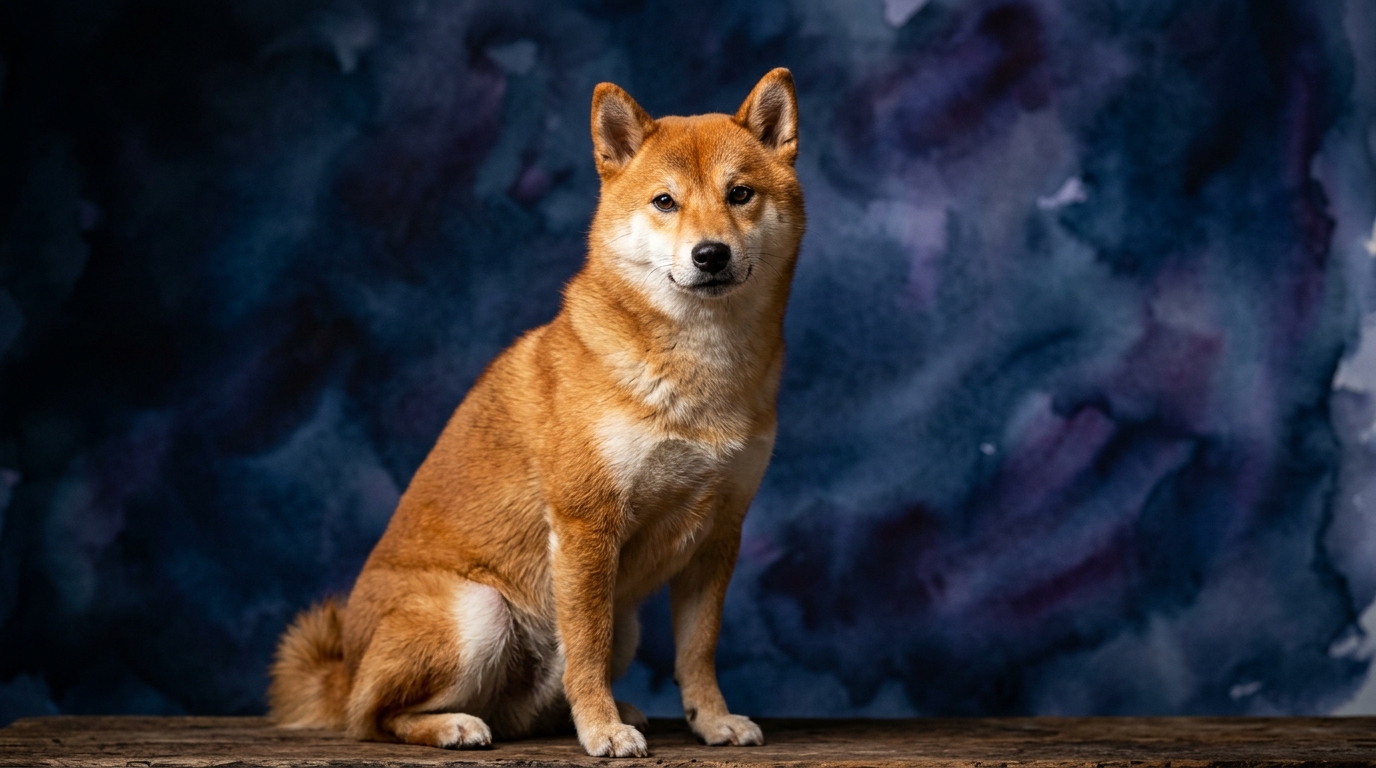
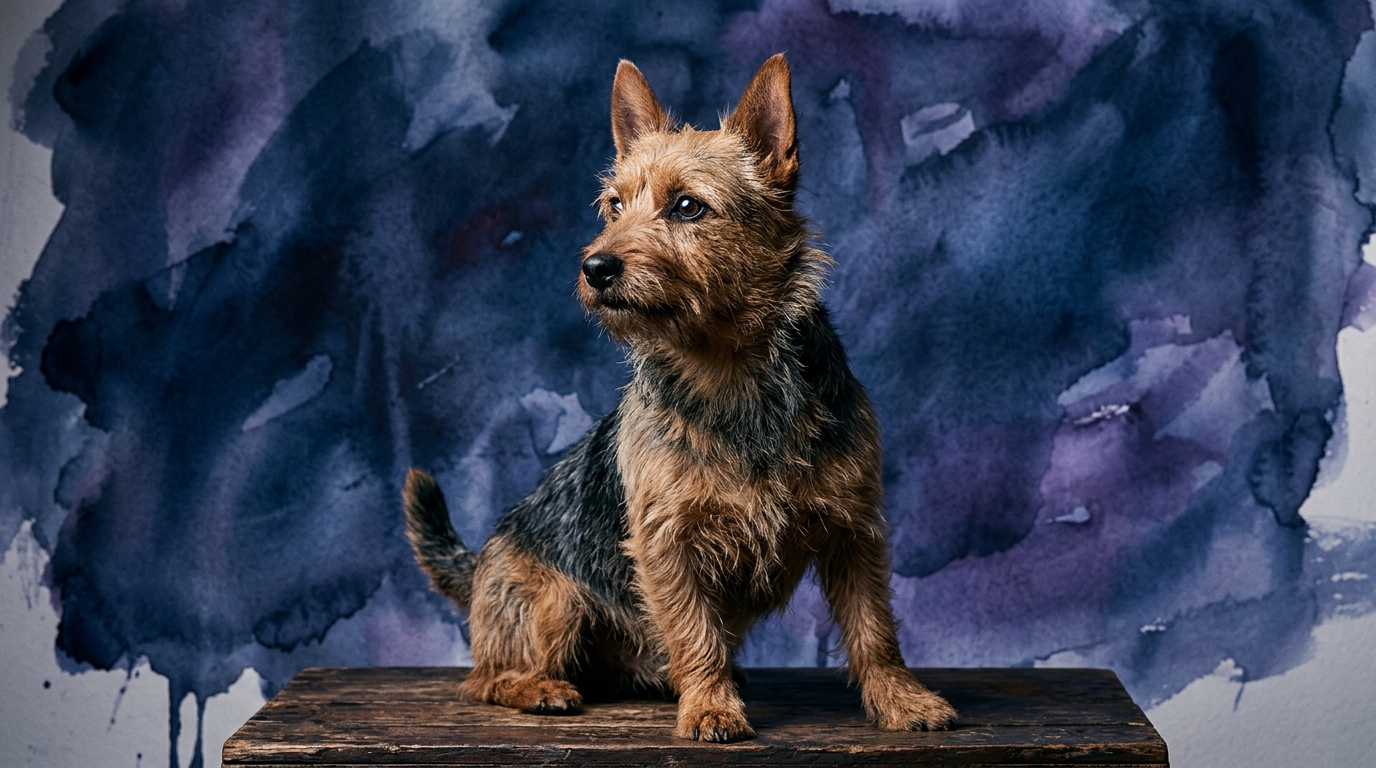
The Cosmic Pet Pet IQ Lab Profiles: Shiba Inu vs. Australian Terrier
The Cosmic Pet Pet IQ Lab assesses canine intelligence across five critical dimensions: problem solving, training speed, social intelligence, instinctive drive, and memory. These metrics provide a nuanced understanding of how different breeds process information and interact with their world, moving beyond simplistic 'smart' labels to reveal specific cognitive strengths.
The Shiba Inu, a breed hailing from ancient Japan, presents a unique cognitive blueprint. Our lab data assigns them a Problem Solving score of 4/5, indicating a strong capacity for independent thought and strategic action. However, their Training Speed is rated 2/5, suggesting a more selective approach to human instruction. Social Intelligence stands at 3/5, reflecting their often reserved nature, while Instinctive Drive soars at an impressive 5/5, highlighting their powerful natural instincts. Finally, their Memory is rated 4/5, showcasing a robust ability to recall experiences and learn from them.
In contrast, the Australian Terrier, a spirited working dog developed in Australia, exhibits a more balanced and consistent cognitive profile. Across all five dimensions—Problem Solving, Training Speed, Social Intelligence, Instinctive Drive, and Memory—they consistently achieve a score of 3/5. This indicates a solid, dependable level of cognitive function that, while not reaching the extremes of the Shiba Inu in any single area, suggests a more readily adaptable and cooperative canine companion.
Where the Shiba Inu's Cognition Shines
The Shiba Inu's cognitive prowess is most evident in their exceptional Problem Solving (4/5) and Memory (4/5) abilities. This breed often demonstrates a remarkable capacity to figure things out independently, whether it's navigating complex environments, devising strategies to access forbidden treats, or understanding intricate routines without direct instruction. Their strong memory allows them to retain these learned solutions and apply them consistently, making them formidable strategists in their own right, even if their 'problems' are often self-serving.
Furthermore, the Shiba Inu's Instinctive Drive, rated 5/5, is a defining feature of their mental landscape. This powerful inner compass manifests as intense prey drive, territoriality, and a keen awareness of their surroundings. This high drive requires significant mental engagement, as they are constantly processing environmental cues related to hunting, guarding, and self-preservation. While challenging for owners to manage, it speaks to a highly alert and instinctively aware cognitive system.
The Australian Terrier's Cognitive Strengths
The Australian Terrier's cognitive strengths lie in their consistent and balanced abilities across the board, particularly their Training Speed (3/5) which surpasses the Shiba's. While their Problem Solving (3/5) and Memory (3/5) may not reach the Shiba's peak, these scores represent a reliable capacity for learning and retention that is often more directly applicable to human-directed tasks. Their cognitive profile suggests a dog that is consistently capable and eager to engage with its environment and its people.
Their 3/5 Instinctive Drive, while lower than the Shiba's, is still significant and focused, manifesting in their traditional terrier roles like vermin control and vigilance. This drive is often channeled into sustained, purposeful activities rather than the Shiba's broader, more independent expressions. Coupled with their 3/5 Social Intelligence, the Australian Terrier's cognitive makeup fosters a more interactive and responsive partnership, making them excellent companions for owners seeking an engaged and biddable dog for various activities.
Training Aptitude: A Tale of Two Temperaments
When it comes to training, the disparity between these two breeds becomes particularly clear, primarily driven by their differing Training Speed scores (Shiba Inu 2/5 vs. Australian Terrier 3/5). The Shiba Inu's lower rating reflects their ancient, primitive origins, which instilled a strong sense of independence and self-reliance. They are not inherently motivated to please humans in the same way many other breeds are; instead, they learn quickly if the task directly benefits them, often requiring creative and highly rewarding motivation tactics.
The Australian Terrier, with its 3/5 Training Speed, generally proves more amenable to instruction. Bred for working alongside humans, they typically possess a greater desire to cooperate and engage in shared activities. Their balanced social intelligence (3/5) means they are often more attuned to their handler's cues and derive satisfaction from successful collaboration, making the training process a more reciprocal and rewarding experience for both dog and owner.
These differences manifest in real behavioral distinctions: Shiba Inus are often characterized by their 'selective hearing,' particularly when off-leash, and can be challenging to recall due to their high instinctive drive and independent decision-making. Australian Terriers, while spirited, are generally more focused on their handler during training sessions, responding better to positive reinforcement and consistency, which translates into more predictable and reliable learned behaviors.
Lifestyle Compatibility: Active vs. Relaxed Owners
For owners seeking a companion, the Shiba Inu appeals to those who appreciate a dog with a strong, independent spirit and a discerning personality. Their high instinctive drive and problem-solving skills mean they require consistent mental stimulation that respects their self-directed nature, rather than constant structured obedience. While they need regular exercise, 'active' for a Shiba owner often means providing outlets for their natural behaviors, such as secure off-leash areas for exploration or engaging puzzle toys, and understanding that their companionship is on their own terms.
The Australian Terrier, conversely, is an excellent choice for owners who desire a more interactive and consistently engaged companion. Their balanced cognitive profile makes them adaptable to various lifestyles, thriving on shared activities from brisk walks and playful games to learning new tricks. They enjoy being a central part of family life and generally adapt well to both active outings and relaxed home environments, provided their needs for interaction and consistent mental and physical engagement are met.
The Nuance of Social Intelligence
Both breeds register a 3/5 in Social Intelligence, yet this score manifests differently due to their overall temperaments. For the Shiba Inu, a 3/5 often translates to a reserved or aloof demeanor, particularly with strangers. They form deep, loyal bonds with their immediate family but are not typically effusive with outsiders. Their social interactions are often on their own terms, preferring to observe rather than actively seek out new acquaintances, reflecting their independent nature.
For the Australian Terrier, their 3/5 social intelligence generally means they are friendly and outgoing with known individuals and their family, but can exhibit a watchful or wary nature towards unfamiliar situations or people, as is characteristic of a vigilant terrier. They are typically more open to new social experiences than the Shiba, though they still benefit from proper socialization to ensure they are confident and well-adjusted in various environments.
The Verdict
Opt for the Shiba Inu if you are drawn to a discerning, independent thinker who will challenge your training methods and rewards with their innate self-reliance and distinct personality.
Select the Australian Terrier if you desire a cooperative, balanced companion eager to engage in joint activities and form a strong, responsive partnership.
🧠 Find Your Pet's IQ Score
Our Pet IQ Lab assessment covers 25+ tests across 5 cognitive dimensions — personalized to your breed.
Take the Full IQ Test →Frequently Asked Questions
Is the Shiba Inu truly difficult to train?
The Shiba Inu isn't 'difficult' in the sense of lacking capacity, but their strong independence and low training speed rating (2/5) mean they require highly motivating rewards and consistent, patient methods. They learn quickly what benefits them, which isn't always what their human desires.
Do Australian Terriers need a lot of exercise?
Australian Terriers are active and spirited, benefiting from regular exercise like daily walks, playtime, and mental challenges. While not needing extreme endurance, consistent physical and mental engagement prevents boredom and helps manage their terrier energy.
How do their problem-solving skills differ in daily life?
A Shiba Inu (4/5 problem-solving) might cleverly figure out how to open gates or outwit you for a treat, driven by self-interest. An Australian Terrier (3/5 problem-solving) will also solve problems, but often in a more straightforward, persistent manner, perhaps digging under a fence to investigate a scent rather than strategizing an escape.