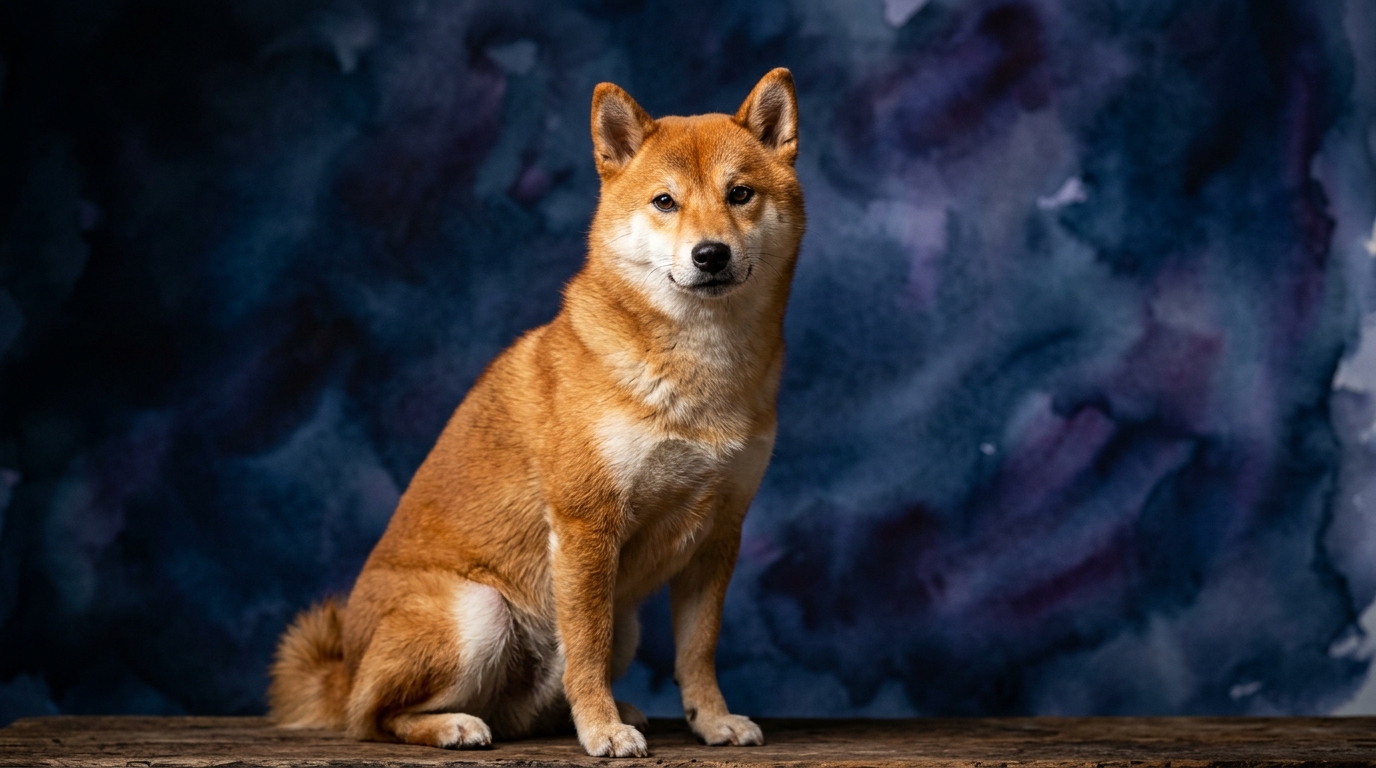
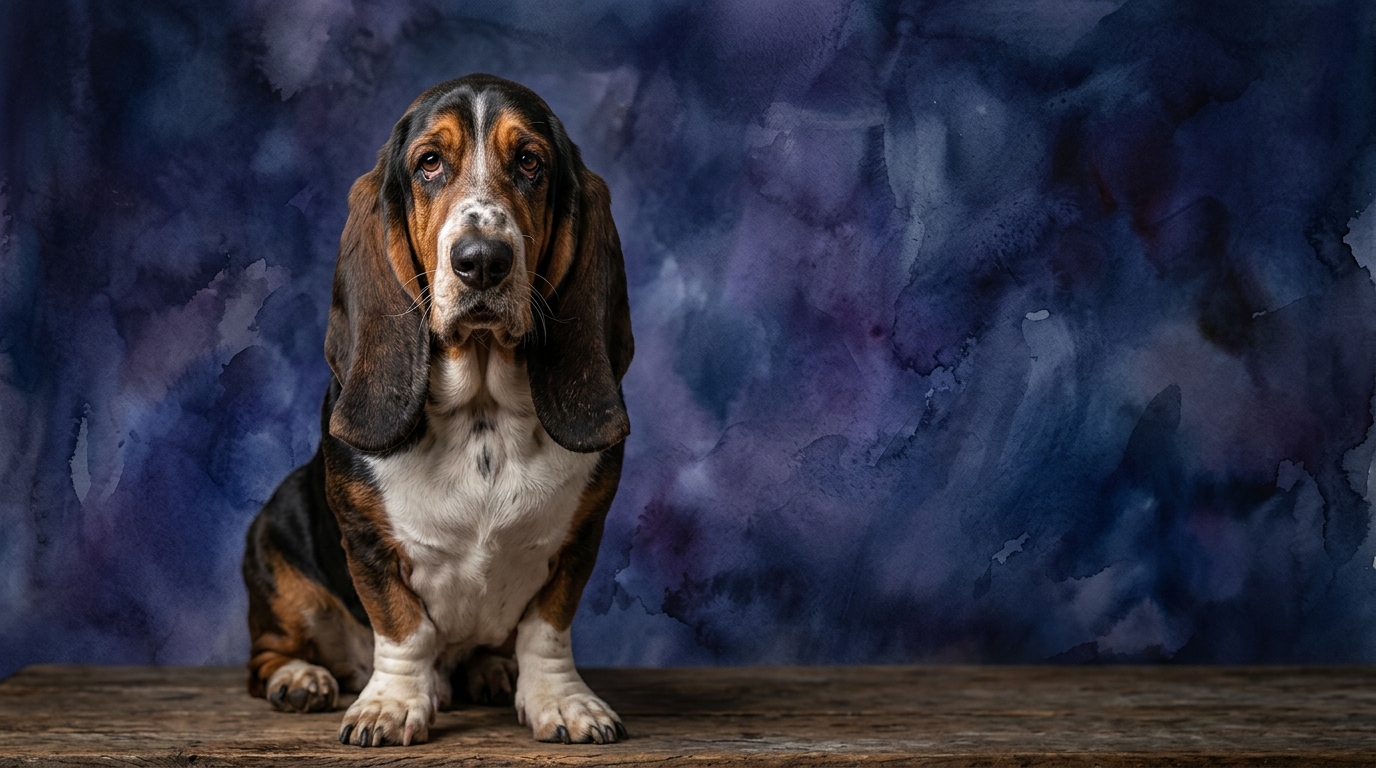
The Cosmic Pet IQ Lab: Side-by-Side Profiles
At The Cosmic Pet Pet IQ Lab, we evaluate canine intelligence across five key dimensions, providing a granular view of each breed's cognitive architecture. For the tenacious Shiba Inu, a Non-Sporting breed, we observe a distinct profile that speaks to their independent spirit and sharp wits.
The Shiba Inu demonstrates a Problem Solving score of 4/5, indicating a capacity for figuring out complex situations, often in ways that benefit their own agenda. Their Training Speed, however, registers at a moderate 2/5, suggesting a need for patience and consistent motivation from their human companions. Social Intelligence for the Shiba Inu sits at 3/5; while they can form deep bonds, their independence means they aren't always seeking constant interaction or group consensus. Their Instinctive Drive is a powerful 5/5, reflecting a deep-seated prey drive and alertness that has served them well as ancient hunting companions. Finally, a Memory score of 4/5 means Shibas retain learned behaviors and environmental cues with impressive longevity.
In contrast, the Basset Hound, a Coren-ranked #71 Hound breed, presents a profile rooted in their specialized scent-tracking heritage. Their Problem Solving ability is rated at 3/5, suggesting they can navigate challenges but often through methodical, instinct-driven approaches rather than complex abstract thought. A Training Speed of 3/5 places them in a more agreeable category than the Shiba, indicating they are receptive to learning when the incentives are clear and engaging. Their Social Intelligence also scores 3/5, reflecting a generally amiable nature that enjoys companionship without being overly demanding. The Basset Hound's Instinctive Drive is 3/5, which, while not as broadly intense as the Shiba's, is acutely focused on scent work, driving their primary purpose. Their Memory score of 3/5 suggests they recall information adequately for their tasks, particularly related to scent trails and routines.
Where the Shiba Inu Cognitively Excels
The Shiba Inu's cognitive strengths shine brightest in their capacity for independent thought and environmental mastery. Their 4/5 Problem Solving score means they are adept at strategizing, whether it's figuring out how to open a 'dog-proof' gate or navigating a complex off-leash environment. This isn't about blind obedience but about assessing a situation and acting autonomously. Their strong 5/5 Instinctive Drive fuels this, making them persistent in pursuing objectives, whether it's a perceived 'prey' in the yard or a desired puzzle toy. This drive, combined with their problem-solving ability, makes them incredibly resourceful, often surprising owners with their ingenuity in achieving their goals.
Furthermore, the Shiba Inu's 4/5 Memory score means they quickly learn and retain complex sequences and associations. They remember routines, commands (even if they choose not to execute them immediately), and the layout of their territory with precision. This acute memory contributes to their self-reliance; they don't always need constant prompting because they remember how things work. Their intelligence is less about pleasing and more about efficient, self-serving adaptation to their environment, making them fascinating subjects for observation.
Where the Basset Hound Cognitively Excels
While the Basset Hound's overall scores might appear lower, their cognitive strengths are deeply specialized and highly effective within their intended purpose. Their 3/5 Instinctive Drive, though not rated as high as the Shiba's, is almost entirely dedicated to olfaction, making them unparalleled in scent detection. This isn't just about 'smelling things'; it's a complex cognitive process involving discrimination, tracking, and memory of scent profiles that few other breeds can match. Their intelligence in this domain allows them to follow incredibly faint and old trails with unwavering focus, demonstrating a profound problem-solving capacity within the specific realm of scent work.
The Basset's 3/5 scores across Problem Solving, Training Speed, Social Intelligence, and Memory indicate a steady, reliable cognitive profile that is less prone to the independent whims of a Shiba. Their problem-solving might be slower, but it's often more thorough when applied to a scent puzzle. Their moderate Training Speed means they are trainable and willing, especially when motivated by their beloved food or the chance to engage their nose. Their social intelligence, while not effusive, fosters a calm, agreeable companionship, making them excellent, if sometimes stubborn, family members.
Training Dynamics: Shiba Inu vs. Basset Hound
When it comes to training, the differences between these two breeds are stark and directly reflect their IQ profiles. The Shiba Inu's Training Speed of 2/5 stems from their profound independence and high instinctive drive. They learn quickly, thanks to their 4/5 memory, but their willingness to *perform* a learned behavior is entirely conditional on their current motivation and perceived benefit. This often manifests as selective hearing or a 'what's in it for me?' attitude. Training a Shiba requires immense patience, consistency, and creative motivation to channel their problem-solving skills and instinctive drives into desired behaviors, rather than expecting eager compliance. They are not dogs that strive to please in the traditional sense; they operate on their own terms.
The Basset Hound, with a 3/5 Training Speed, is generally more amenable to training, though not without their own quirks. Their primary 'distraction' is often their nose; once a compelling scent is detected, their 3/5 instinctive drive kicks in, and they will follow it with single-minded determination, often ignoring commands. However, unlike the Shiba's independent decision-making, a Basset's distraction is more instinct-driven and less a matter of deliberate defiance. They respond well to positive reinforcement, especially food-based rewards, and their moderate social intelligence means they appreciate pleasing their human companions, provided the scent isn't too strong. Training a Basset requires understanding their olfactory obsession and finding ways to integrate it or manage it effectively, rather than fighting their inherent nature.
Matching Canine Minds to Lifestyles
The cognitive profiles of the Shiba Inu and Basset Hound dictate vastly different lifestyle compatibilities. The Shiba Inu, with their 4/5 Problem Solving, 5/5 Instinctive Drive, and 4/5 Memory, thrives with active owners who enjoy mental stimulation and outdoor adventures. These are dogs that require consistent engagement, whether through advanced obedience, agility, or extensive hiking. Their independent nature means they are not content to be solely lap dogs; they need outlets for their sharp minds and strong drives. Owners must be prepared for a dog that will test boundaries, require secure containment due to their escape artistry, and appreciate a partner in exploration rather than a passive follower. They are suited for owners who understand and respect a dog's autonomy and are prepared to engage with a clever, sometimes challenging, individual.
The Basset Hound, conversely, with their 3/5 scores across most categories and a specific scent drive, is better suited for owners who appreciate a more relaxed pace but still value focused activity. While they don't require the same high-octane physical output as a Shiba, Bassets need opportunities to engage their powerful noses. Scent work, tracking games, or leisurely walks where they can follow interesting smells are crucial for their mental well-being. They fit well with owners who enjoy a calm presence at home but are willing to indulge their dog's instinctual need to explore the world through scent. Their moderate social intelligence makes them good family dogs, content to be part of the household without demanding constant attention, provided their olfactory needs are met.
The Verdict: When to Choose Each Companion
The Verdict
Choose a Shiba Inu if you are an experienced owner seeking an independent, clever, and active companion who thrives on mental challenges and outdoor exploration, and you are prepared for a dog that consistently thinks for itself. Be ready to engage with a sharp mind that values its own agenda.
Opt for a Basset Hound if you desire a calm, amiable companion who enjoys a relaxed home life but also appreciates focused scent-based activities and leisurely walks, and you understand their profound dedication to following a compelling aroma.
🧠 Find Your Pet's IQ Score
Our Pet IQ Lab assessment covers 25+ tests across 5 cognitive dimensions — personalized to your breed.
Take the Full IQ Test →Frequently Asked Questions
Is the Shiba Inu truly harder to train than a Basset Hound?
Based on our IQ scores, yes, the Shiba Inu's 2/5 Training Speed suggests a more challenging training experience compared to the Basset Hound's 3/5. Shibas possess high problem-solving skills and a strong independent streak, meaning they often weigh whether a command is worth their effort, rather than simply complying. Bassets, while sometimes stubborn, are generally more receptive to training, especially with positive reinforcement centered around their love of food or scent work.
Which breed is more likely to escape or wander off?
The Shiba Inu, with their 4/5 Problem Solving and 5/5 Instinctive Drive, is significantly more prone to escaping and wandering. Their intelligence allows them to figure out gates or fences, and their strong prey drive compels them to follow interesting scents or sights over long distances, often ignoring calls to return. Basset Hounds can also wander, driven by a compelling scent, but their pace is typically slower, and their escape artistry is usually less sophisticated than a Shiba's.
Do Basset Hounds require less exercise than Shiba Inus?
Generally, Basset Hounds require less high-intensity physical exercise than Shiba Inus, whose 5/5 Instinctive Drive demands significant outlets for their energy and mental acuity. However, Bassets still need daily walks and opportunities for scent exploration to satisfy their innate drive. While they might not need to run miles, they thrive on methodical sniffing expeditions that engage their primary cognitive strength.