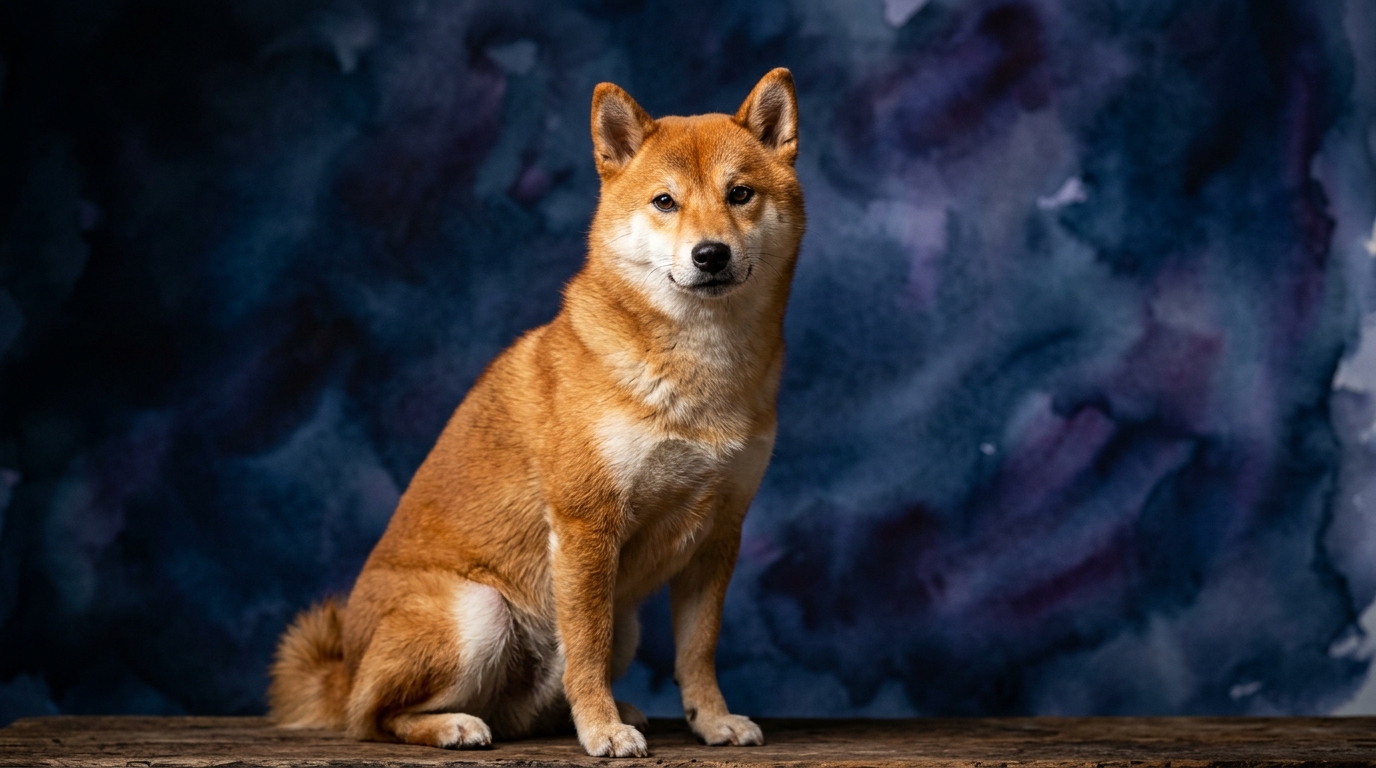
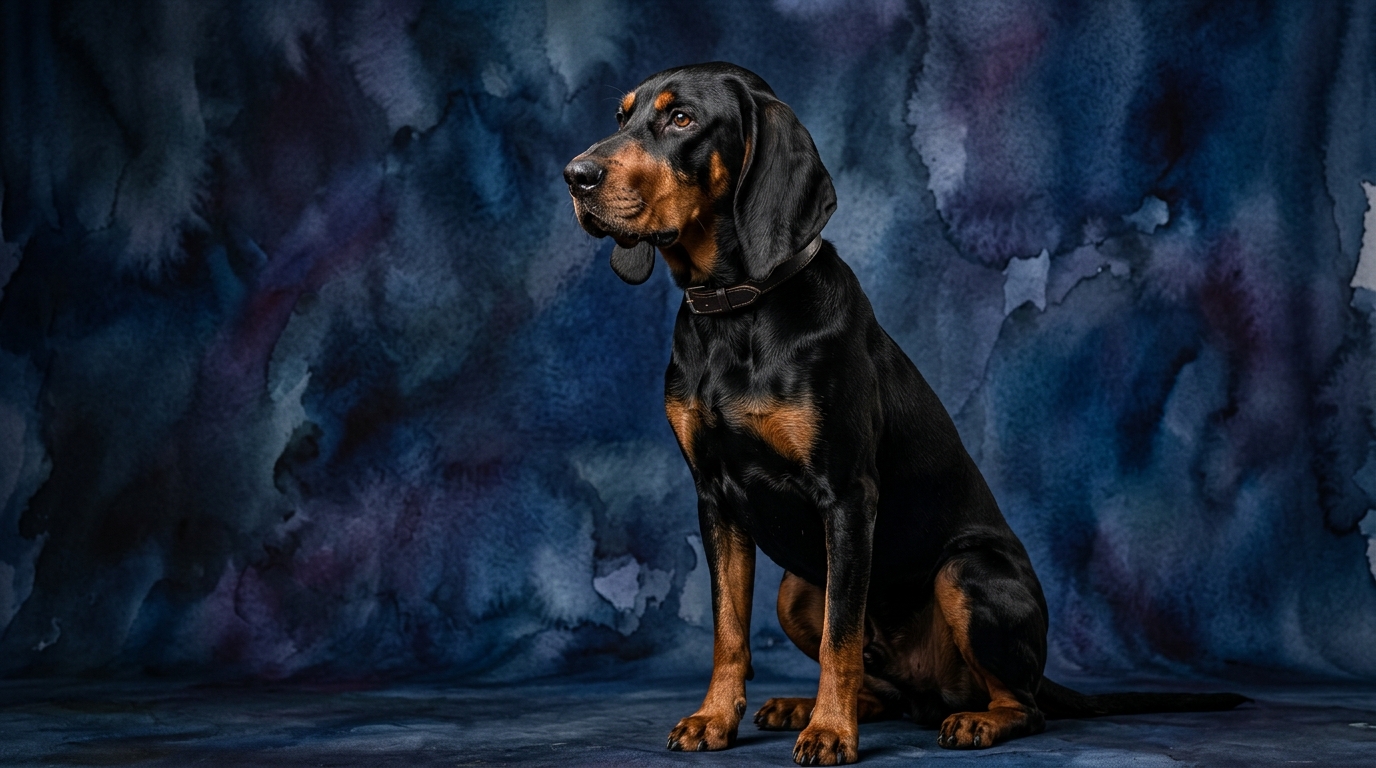
Side-by-Side Cognitive Profile
Our Pet IQ Lab offers a detailed look into the cognitive landscapes of the Shiba Inu and the Black and Tan Coonhound, evaluating them across five key dimensions. The Shiba Inu, known for its spirited independence, scores a notable 4/5 in Problem Solving, often displaying clever, self-serving ingenuity to navigate challenges and achieve its goals. Its Training Speed, however, sits at a modest 2/5, indicating that while capable of learning, its strong-willed nature means compliance requires exceptional patience and creative reinforcement. Social Intelligence for the Shiba is a balanced 3/5, suggesting it can read cues but often prefers to engage on its own terms, maintaining a certain aloofness. Its Instinctive Drive earns a perfect 5/5, translating into an intense focus on prey, territory, and strong independent motivation. Complementing this is a Memory score of 4/5, meaning once a Shiba learns something, it tends to stick.
In contrast, the Black and Tan Coonhound, bred for persistent pursuit, approaches cognition differently. Its Problem Solving registers at 3/5, indicating a practical, sensory-driven approach to obstacles, relying on its nose and endurance. Training Speed for the Coonhound is a solid 3/5, meaning it learns at a moderate pace, especially when tasks align with natural instincts, though its focus can be diverted by scents. Like the Shiba, its Social Intelligence is rated 3/5, highlighting its capacity for strong family bonds while remaining amiable. The Coonhound’s Instinctive Drive is 3/5; while powerful for scent work, it is more specialized than the Shiba's broad prey drive, channeling energy into trailing. Finally, its Memory is 3/5, allowing it to retain relevant information for its tasks and routines.
Where the Shiba Inu Wins Cognitively
The Shiba Inu's cognitive profile reveals distinct advantages, particularly in its Problem Solving and Memory. With a 4/5 in Problem Solving, the Shiba often demonstrates a cunning ability to strategize and adapt, whether figuring out how to open a gate or manipulating for treats. This isn't just brute force; it's a nuanced understanding of cause and effect, allowing them to devise novel solutions, often fueled by their independent nature rather than waiting for human direction.
Furthermore, the Shiba's Memory, rated 4/5, means they retain experiences and learned behaviors exceptionally well. This strong recall contributes to their problem-solving prowess, as they draw upon past successes or failures. If a trick works once, they remember and repeat it. This also means they quickly learn routines and the layout of their environment. Their perfect 5/5 Instinctive Drive, while sometimes challenging, is also a cognitive strength, providing intense self-motivated focus and persistence towards a goal, underpinning much of their independent problem-solving.
Where the Black and Tan Coonhound Wins Cognitively
While the Shiba excels in independent problem-solving and memory, the Black and Tan Coonhound showcases unique cognitive strengths, particularly its specialized Instinctive Drive and reliable Training Speed for specific tasks. Although rated 3/5 for general Instinctive Drive, the Coonhound’s drive is exquisitely honed for scent work, representing a profound cognitive specialization. This breed possesses an olfactory processing capability that is a marvel, allowing them to follow complex scent trails over vast distances with unwavering focus. This demands immense concentration, discrimination, and sensory memory to map scents.
Furthermore, the Coonhound's 3/5 Training Speed, comparatively better than the Shiba's 2/5, is more consistent when training aligns with their predispositions. When a task involves scent work or tracking, Coonhounds learn and perform with dedication. Their cognitive strength lies in their ability to absorb and apply training for their designated purpose, demonstrating a focused trainability highly effective for specific working roles, unlike the Shiba's more general, but often self-directed, intelligence.
Which is Easier to Train and Why
Evaluating ease of training, the Black and Tan Coonhound generally offers a more straightforward experience than the Shiba Inu. The Coonhound’s Training Speed of 3/5, combined with its moderate Instinctive Drive of 3/5, means they are typically more amenable to instruction, despite potential scent distractions. Their desire to please, common in hounds, enhances their willingness to engage in training, responding well to consistent positive reinforcement. Real behavioral differences include the Coonhound's tendency to work cooperatively as part of a team, honed by pack hunting.
The Shiba Inu, with its Training Speed of 2/5 and formidable Instinctive Drive of 5/5, presents a greater challenge. Their high problem-solving ability often means they evaluate command worth rather than simply complying. Their strong independent streak means they follow their own agenda, especially if a more enticing distraction arises. Training a Shiba often feels like negotiating, requiring immense patience, creativity, and understanding of their motivations for consistent results. While capable of complex tasks, their motivation to perform on cue is less reliable.
Which Suits Active Owners vs. Relaxed Owners
Considering their distinct cognitive and behavioral profiles, the choice between a Shiba Inu and a Black and Tan Coonhound largely depends on an owner's lifestyle. Active owners who enjoy a dynamic, engaging relationship, prepared for a mental challenge, might find the Shiba Inu a compelling match. The Shiba's high Instinctive Drive and problem-solving skills mean they thrive on mental stimulation and structured activities like agility. Their physical exercise needs are moderate, often satisfied with brisk walks. Their independent nature makes them less demanding of constant companionship, suiting owners who appreciate a dog that can entertain itself but requires consistent mental engagement to prevent boredom.
Conversely, owners seeking a more relaxed companion, willing to accommodate a powerful scent drive with specific outlets, might prefer the Black and Tan Coonhound. While Coonhounds require regular exercise, their activity often revolves around long walks indulging their nose or dedicated scent work. Their moderate Instinctive Drive, when channeled, makes them less prone to constant 'scheming.' They are generally more content to lounge after exercise, making them suitable for owners who enjoy a calm household but commit to providing scent exploration opportunities like tracking sports. They thrive on companionship and are often affectionate indoors once their outdoor needs are met.
The Verdict
Choose a Shiba Inu if you appreciate a clever, independent companion who thrives on mental challenges and requires a patient, creative approach to training, offering a rewarding intellectual partnership.
Opt for a Black and Tan Coonhound if you desire an amiable, persistent companion who excels in scent-driven activities and offers a more cooperative, though sometimes single-minded, training experience.
🧠 Find Your Pet's IQ Score
Our Pet IQ Lab assessment covers 25+ tests across 5 cognitive dimensions — personalized to your breed.
Take the Full IQ Test →Frequently Asked Questions
Is a Shiba Inu easy to house train?
With their strong memory (4/5) and innate cleanliness, Shiba Inus are often relatively easy to house train when a consistent routine is established. They quickly learn where and when to eliminate, making accidents rare once the pattern is clear.
Do Black and Tan Coonhounds bark a lot?
Black and Tan Coonhounds are known for their distinctive "baying" bark, which they use to alert during tracking or when excited. While not constant, their vocalizations can be quite loud and frequent, especially if their instinctive drive for scent work is not adequately met.
Which breed is better with children?
Both breeds, with their 3/5 social intelligence, can coexist well with children, but their approaches differ. Shiba Inus tend to be more reserved and may prefer older, respectful children, whereas Black and Tan Coonhounds are often more tolerant and affectionate, though their large size requires supervision with very young children.